| Author |
 Replies: 13 / Views: 567 Replies: 13 / Views: 567 |
|
|
New Member
United States
40 Posts |
...when reverse image searched. I suspect its a replica/fake but since I was able to remove the corrosion of its obverse to the point where it can be viewed, I wanted to give it a little time to find a match to contrast with. Does a Roman Syrian replica seem correct? I have quite a few other fakes that have trickled in through large lot auction wins but most are stamped copy where the ones that do not tend to have a seam or sprue mark where this one does not but its filed around the perimeter, but so are a couple authentic British half pennies I have. 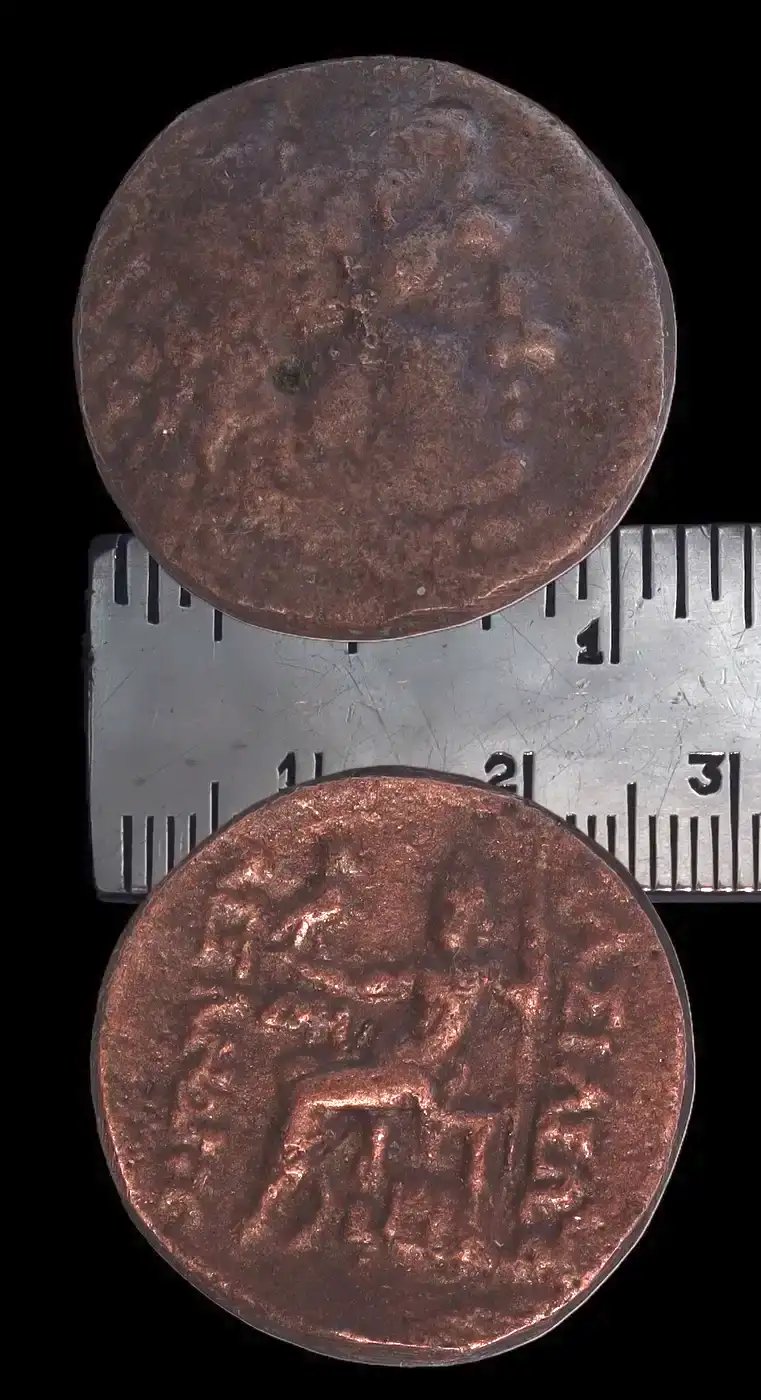 |
|
|
|
Moderator
 Australia
17015 Posts |
Unfortunately it is, as you suspect, a replica. Specifically, it's a replica of a silver tetradrachm of Alexander the Great. It is clearly not made of silver. Thus, this item would fall under the category of a "tourist replica", of the kind often sold at historic sites in Turkey and the Middle East. It is not intended to fool an expert, since the metal is clearly wrong, which is a good thing as it is illegal to export antiquities from most Middle Eastern countries, and nobody wants to spend time in a Turkish prison for "smuggling" an ancient coin that turned out to be a replica.
Don't say "infinitely" when you mean "very"; otherwise, you'll have no word left when you want to talk about something really infinite. - C. S. Lewis
|
|
New Member
 United States
40 Posts |
and though I would not be willing to wager against your conclusion Sap, note though the coins you reference are silver in composition, the Syrian variety I reference featuring Zeus vs Alex on the obverse coincide with the weight, diameter and composition of my coin. Though it does seem the profile lacks a beard, given the level of corrosion I am left with a level of uncertainty about your opinion being the absolute answer on this. I do appreciate the response and reference though. 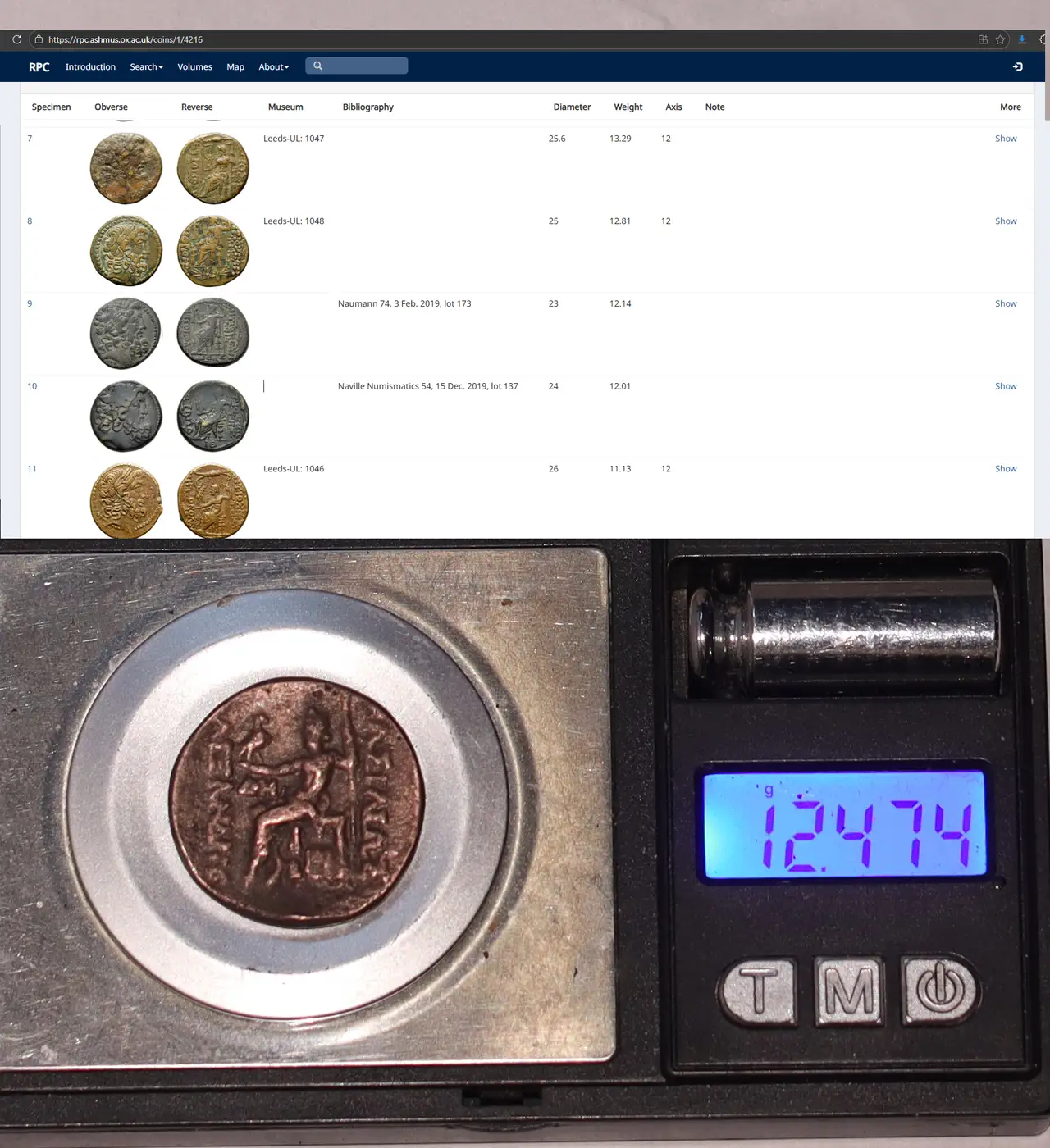 |
|
Pillar of the Community
United States
4429 Posts |
I agree with sap, definite tourist fake of an Alexander tetradrachm.
It does not look like a Syrian bronze. The obverse on your coin is Heracles (wearing lionskin headdress, no beard) while the Syrian bronze is Zeus. The lettering on the reverse is also completely different.
|
|
Pillar of the Community
United States
994 Posts |
Quote:
given the level of corrosion That's not corrosion...the surfaces look like that because it is a crude cast fake. Edited by Victor
02/13/2026 7:18 pm
|
|
New Member
United States
40 Posts |
Quote:
That's not corrosion...the surfaces look like that because it is a crude cast fake. I don't disagree that it is a fake. I just like to confirm based on fact and to that point, I stated I was able to remove the corrosion in my original post, so when you say that's not corrosion, it is nonsensical to me. You are looking at the results of careful electrolysis to have removed the corrosion.  |
|
New Member
United States
40 Posts |
Quote:
I agree with sap, definite tourist fake of an Alexander tetradrachm.
It does not look like a Syrian bronze. The obverse on your coin is Heracles (wearing lionskin headdress, no beard) while the Syrian bronze is Zeus. The lettering on the reverse is also completely different. huh? the lettering looks nothing like the tetradrachm and very much like the syrian. you make 0 sense to me. its like completely backwards from what is actual. 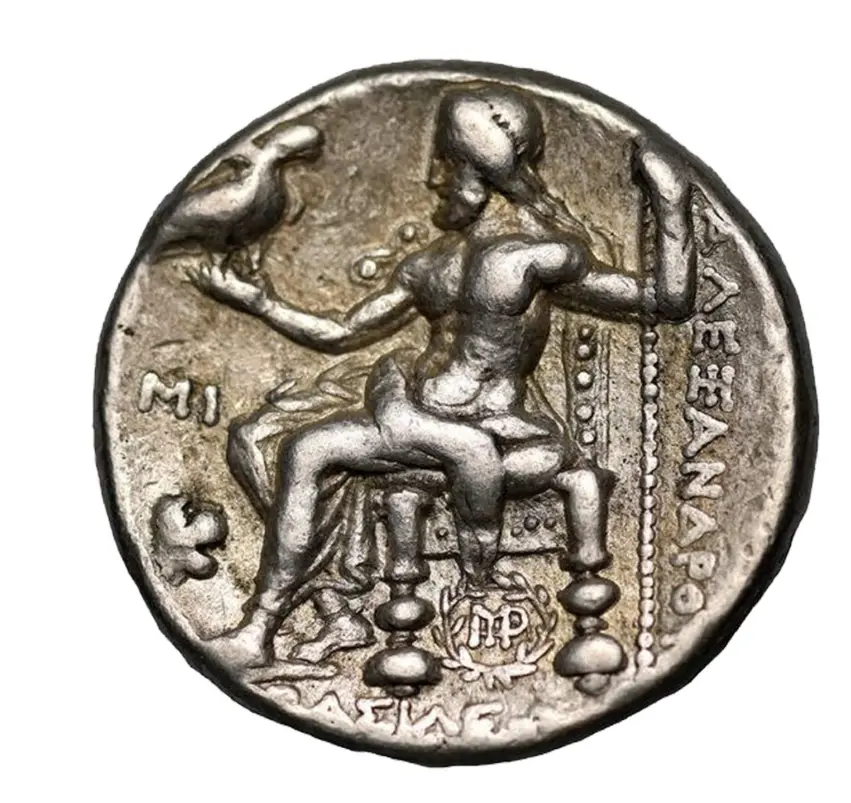 |
|
Pillar of the Community
United States
994 Posts |
In the 30 year that I have been doing this, I have used electrolyis on hundreds/ thousands of coins and know exactly what it does or doesn't do.  |
|
Moderator
Australia
17015 Posts |
Quote:
...note though the coins you reference are silver in composition, the Syrian variety I reference featuring Zeus vs Alex on the obverse coincide with the weight, diameter and composition of my coin. Though it does seem the profile lacks a beard, given the level of corrosion I am left with a level of uncertainty about your opinion being the absolute answer on this. I do appreciate the response and reference though. The weight, diameter and composition might match, but the designs do not. The obverse of your coin is the beard-less Heracles and not the bearded Zeus. The Greek inscription on the reverse of your coin says "...ASILEWS ..LEXANDRO..." - an obvious match for BASILEWS ALEXANDROY as seen on silver tetradrachms of Alexander such as this example - while the reverse inscriptions of the Syrian coppers says "ΑΝΤΙΟΧΕWΝ ΤΗS ΜΗΤRΟPΟLΕWS", or some similar variant. Don't say "infinitely" when you mean "very"; otherwise, you'll have no word left when you want to talk about something really infinite. - C. S. Lewis
|
|
Pillar of the Community
United Kingdom
1602 Posts |
|
|
Pillar of the Community
United States
4429 Posts |
Respectfully, the lettering looks nothing like the Syrian and very much like the tetradrachm. 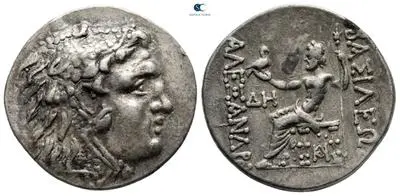 |
|
Pillar of the Community
United Kingdom
2121 Posts |
I can only agree with the majority of the posts above in concluding this as being a modern sand cast replica of a Posthumous issue Tetradrachm of Alexander the Great. It copies a coin minted in Odessos, which would have been minted 125-70 BC.
|
|
New Member
United States
40 Posts |
Quote:
Respectfully, the lettering looks nothing like the Syrian and very much like the tetradrachm. Thank you. Yes, viewing the images you provided I now understand why it is as Sap had originally stated. Not familiar with ancients, seeing wide varieties in the Syians and trying to triple check that I am not tossing authentic coins in the junk bin, you made it easy for me to makes sense of it. And thanks to all others who made an attempt to help the slow guy  |
|
Pillar of the Community
Russian Federation
5186 Posts |
Here's an example of the Syrian bronze/brass type (cruder than usual for it, I believe), which I bought in 2013... 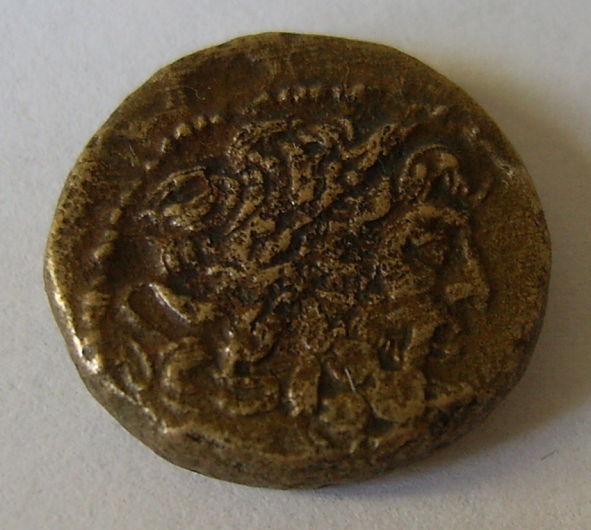 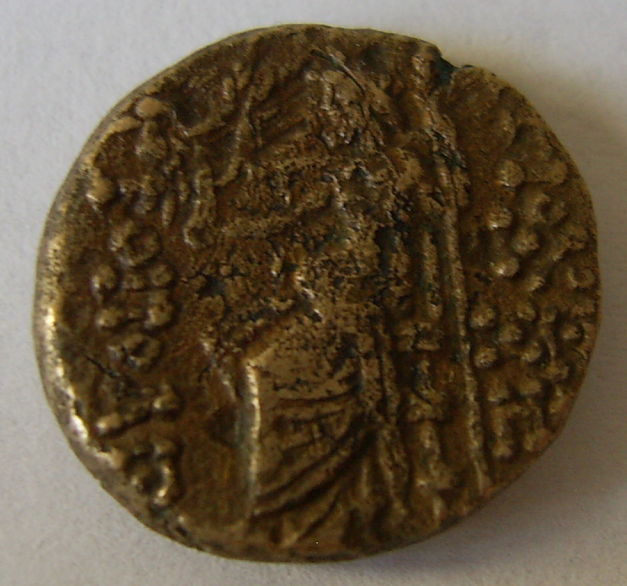  that the design is very similar but the lettering looks nothing like it (and indeed matches the tetradrachms). |
| |
Replies: 13 / Views: 567 |
|







 Posted 02/13/2026 03:44 am


