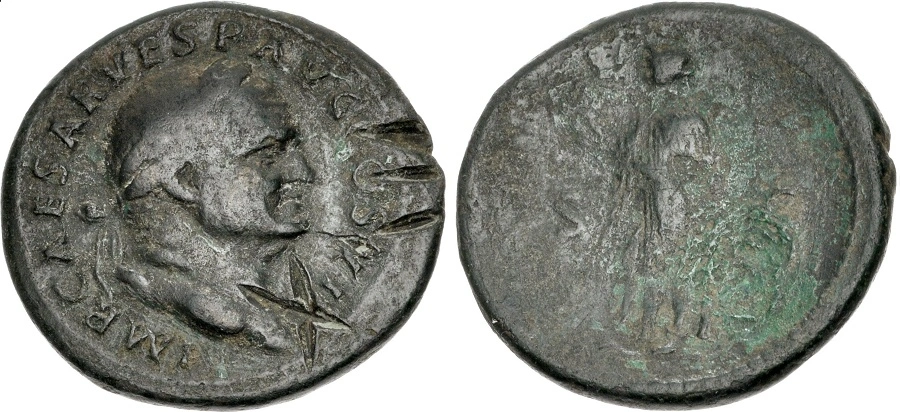
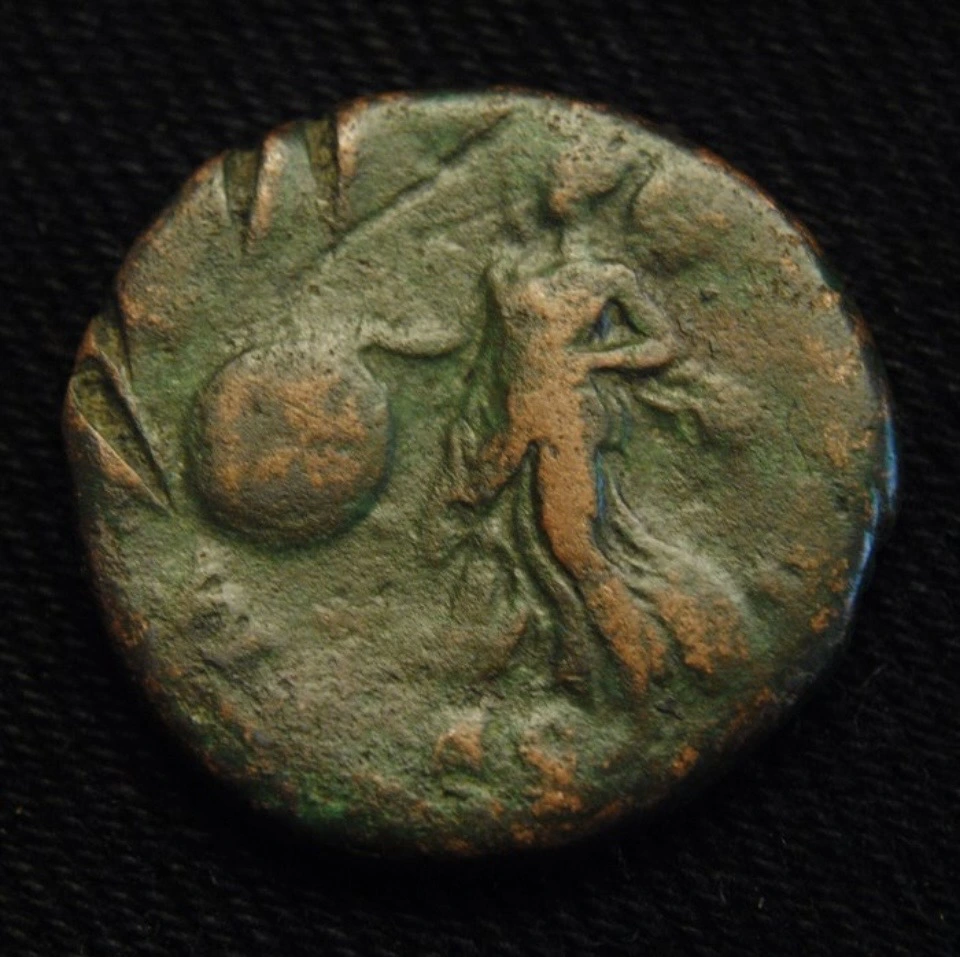
Through the ages, many coins have been "recycled" by overstriking or countermarking; but I am going to limit this post to the best topic--LRB's

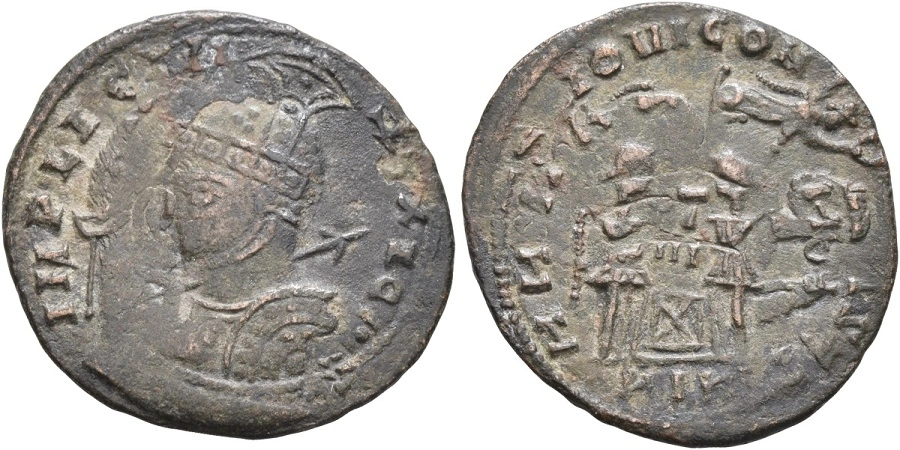
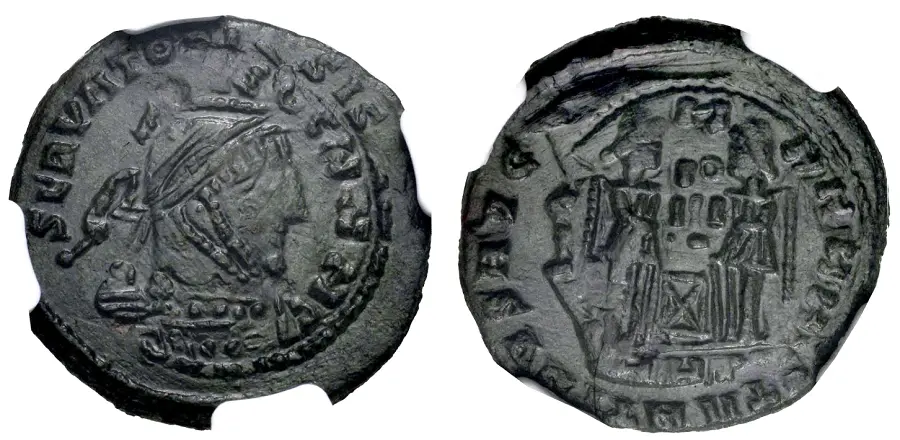
During the years A.D. 313- 315, the standard coin of the Romans was the IOVI CONSERVATORI
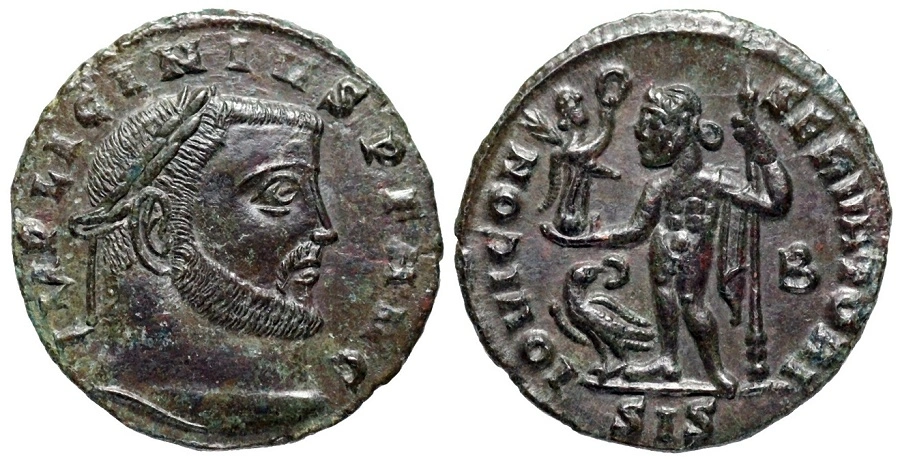
However, this type was demonetized after the monetary reform in A.D. 318, which introduced the VICTORIAE LAETAE PRINC PERP (VLPP) which had circa 5% silver.
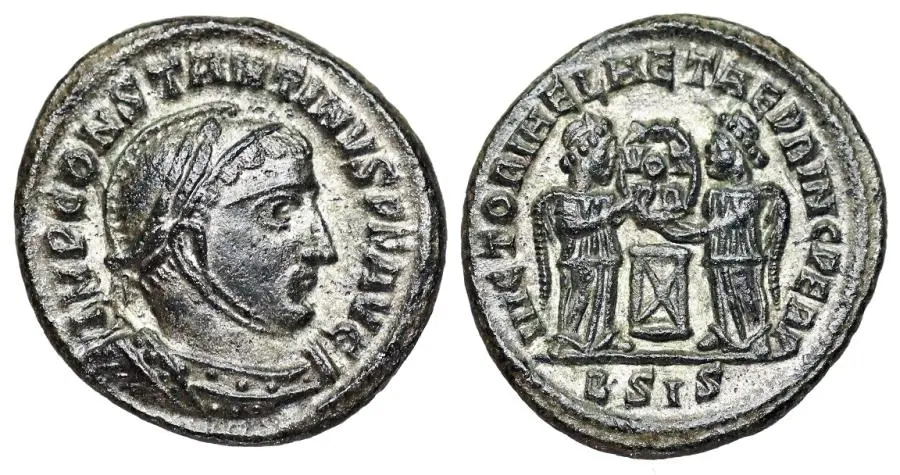
People were stuck with the worthless IOVI coins, so many were overstruck with unofficial VLPP dies, so that they could continue to circulate.
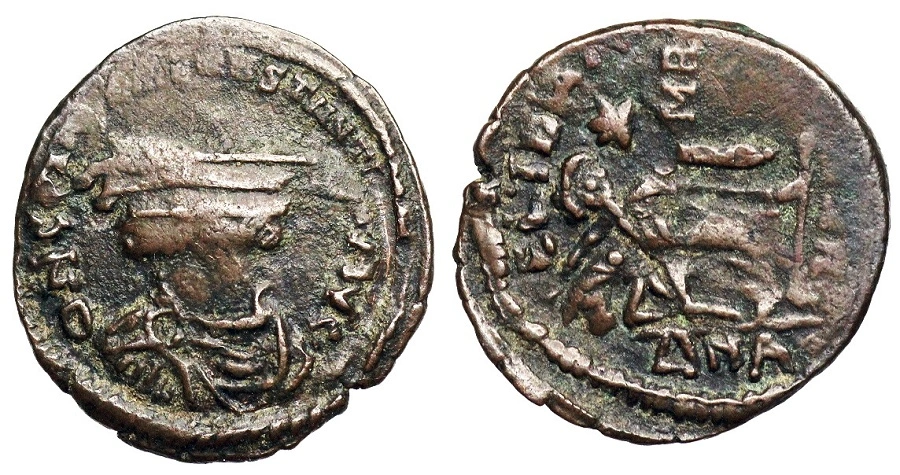
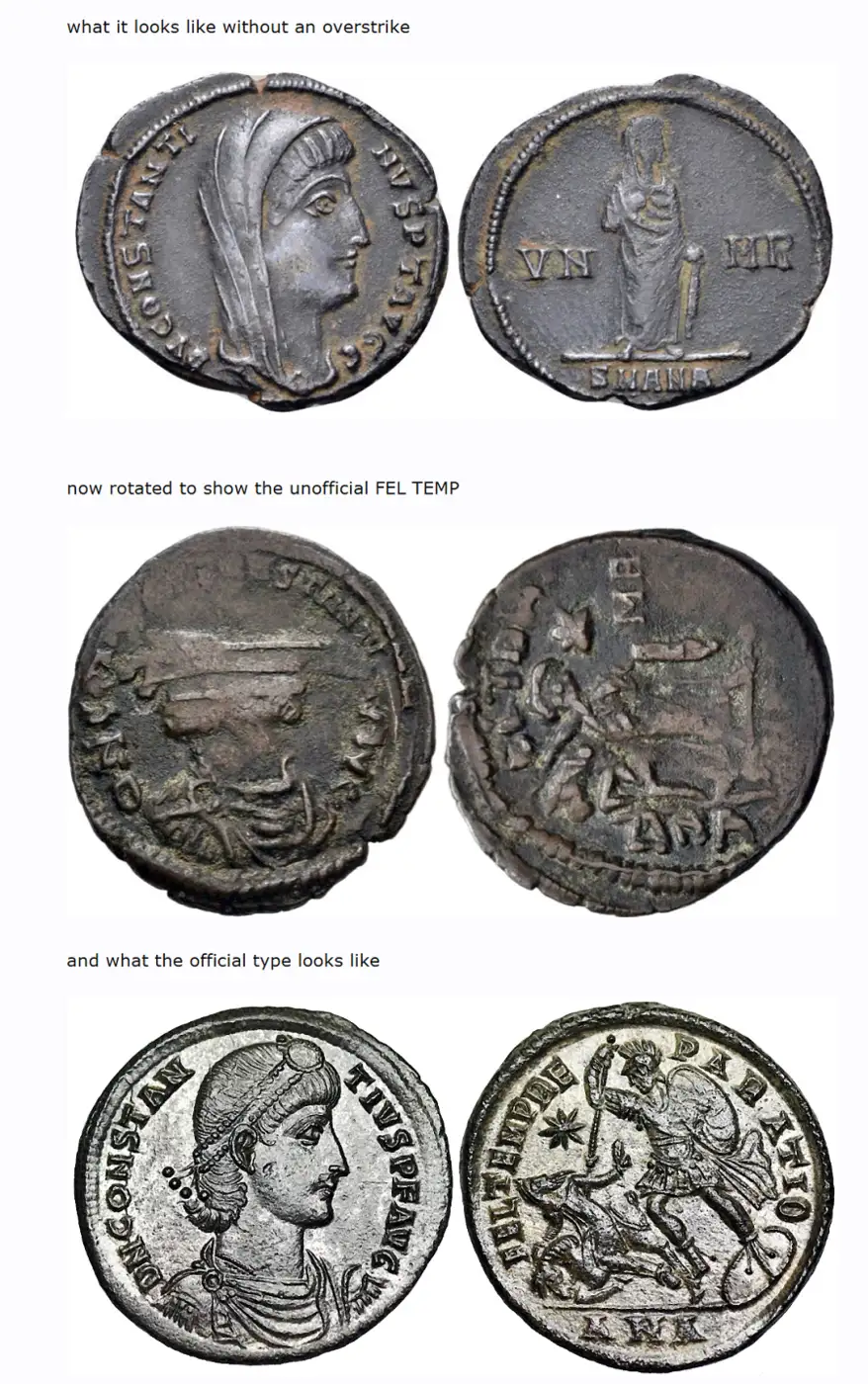
This kind of recycling was pretty common and happened a lot over the years. Here is a posthumous Constantine I issue from Antioch overstruck with an unofficial FEL TEMP REPARATIO.
Now we will jump several hundred years. This next coin is a Constantine I (A.D. 330- 335) overstruck with an Islamic fals (circa A.D. 700)
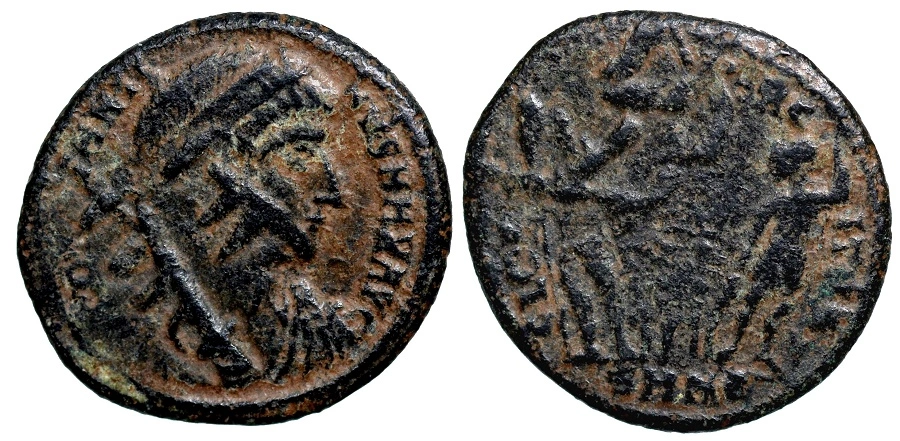
Dependent Emirate. Conquest or Umayyad Emirate, circa A.D. 700. Islamic Fals overstruck on Constantine I AE Follis, Nicomedia mint (19mm, 2.4g,). Rosette-diademed, draped and cuirassed bust r. REV: Two soldiers flanking two standards; SMNE. RIC VII 188. A.D. 330- 335
Below are examples of ancient coins in circulation more than 1,000 years after they were minted by the Romans. They were likely recently discovered and re-introduced.
It is very rare to find Late Roman bronze coins that have been countermarked.
These two Late Roman bronze coins have been countermarked as 4 maravedis --IIII with a crown over the top. I am not exactly sure when these coins were re-introduced, but I have seen similar countermarks struck in the 1600's under Philip IV of Spain; so over a thousand years later and these two coins were circulating again.
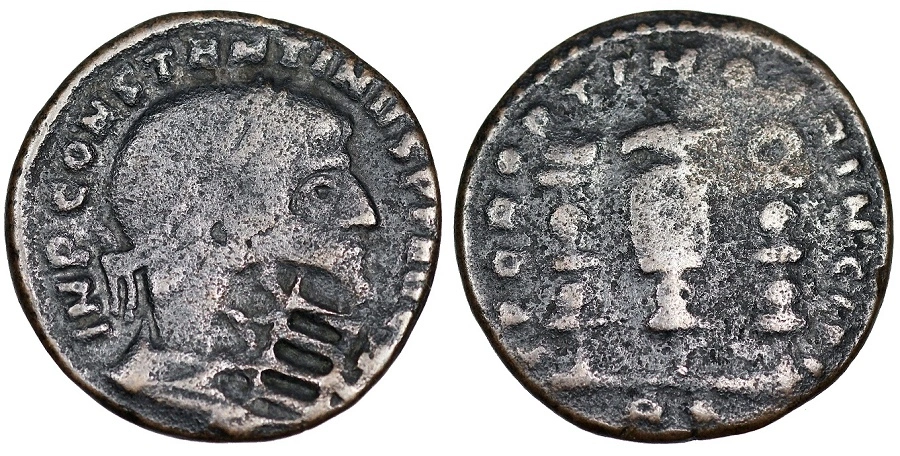
Constantine I
A.D. 312- 313
22mm 4.1g
IMP CONSTANTINVS P F AVG laureate, draped, seen from the rear.
SPQR OPTIMO PRINCIPI [The senate and the Roman people to the highest prince] Legionary eagle (to the left) between two vexilla, that on left surmounted by a right hand, that on right by a wreath; flag on the eagle.
in ex R S RIC VI Rome 348
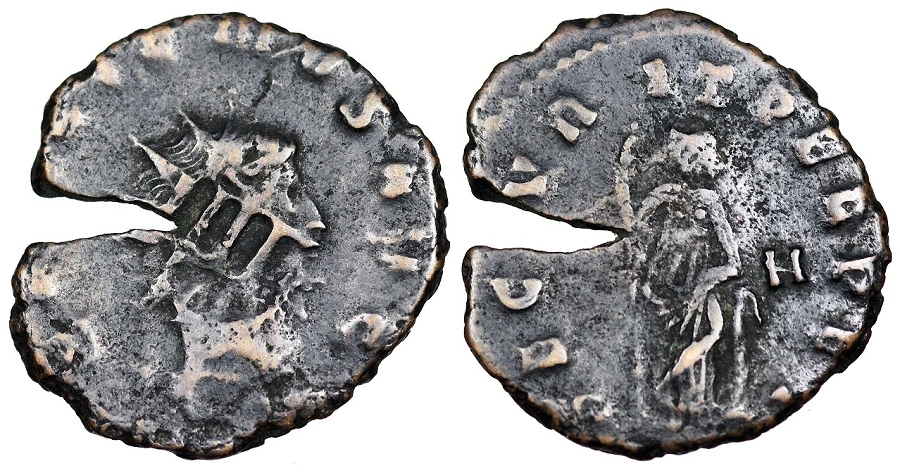
Gallienus
A.D. 260- 268
AE Antoninianus 20x21mm 3.0g
GALLIENVS AVG; radiate head right.
SECVRIT PERPET; Securitas standing facing, head left, leaning on column to right and holding scepter H in right field.
RIC IV Rome 280
here is another example of Spain recycling Roman coins
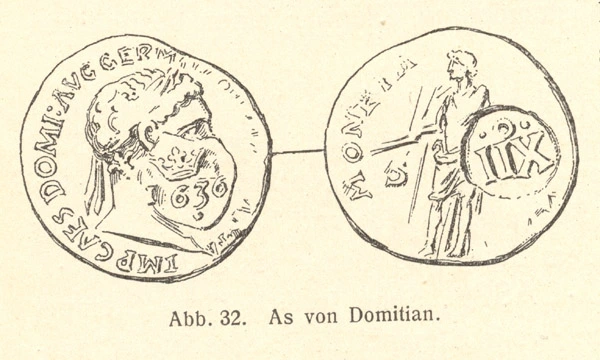
In 1636, a bronze coin of Domitian (81-96AD) was countermarked during the monetary reform of Philip IV, ruler of Spain.
(Blanchet,
Sur la chronologie Atablie par les contremarques 1907)
Coins struck under Constantine the Great (323-337AD) were still in circulation in remote places of southern France during Napoleon III. (1852-1870).
Friedensburg,
Die Munze in der Kulturgeschichte, pg. 3
In 1916, Arthur E. Robinson was in the Sudan, and his "Nubian" servant brought him some small coins which still circulated west of the Nile. An assortment of the coins consisted of--
Ptolemaic (2 specimens), BM cat. 106, 32-5; Svoronos 1426.
Hadrian (Alex.) BM cat. 346, 21; Dattari 6299.
Probus (Alex.) BM cat. 315, 2435; Svoronos 5557.
Diocletian, BM cat. 324, 2510; Dattari 5693.
Constantine I, not in BM cat.; Dattari 6054.
Turkish, Early Othmanli circ. A.D. 1000 (clipped).
Arthur E. Robinson, "False and Imitation Roman Coins", The Journal of Antiquarian Association of the British Isles 2, no. 3 (1931) : 102.







 Posted 02/23/2026 09:45 am