| Author |
 Replies: 13 / Views: 513 Replies: 13 / Views: 513 |
|
|
Valued Member
United States
286 Posts |
I bought 3 Roman coins online for $5 each. Honestly, I expected them to be culls or counterfeits but I wanted to give it a shot. So what do ya say, did I do good or did I buy some duds? Whatever insight you could offer would be greatly appreciated.  This coin is the smallest of the three, bit smaller than a dime. 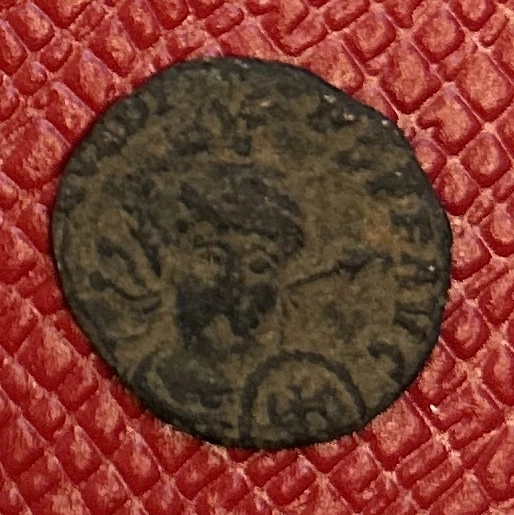 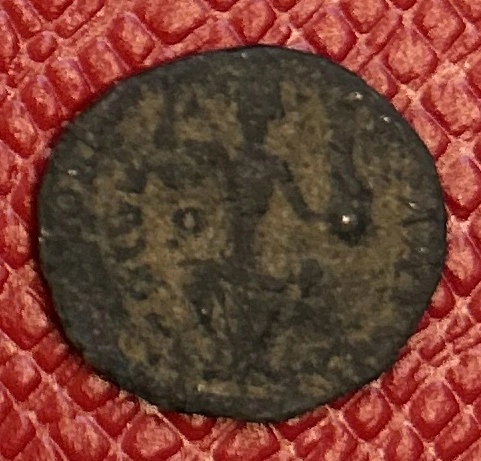 This one is the size of a solid dime and you can make out some relief. 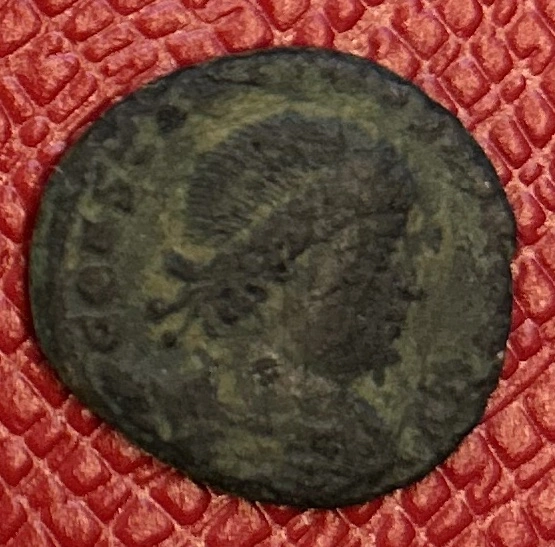 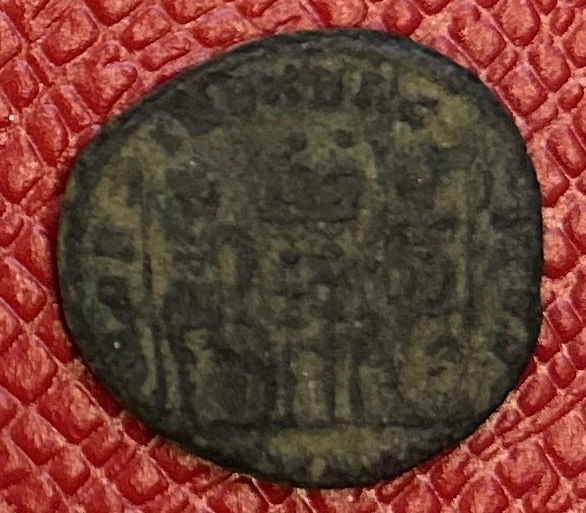 This one is the size of a large nickel. Is the spiked thing on the head a crown? Can I clean up the tan dirt a bit? 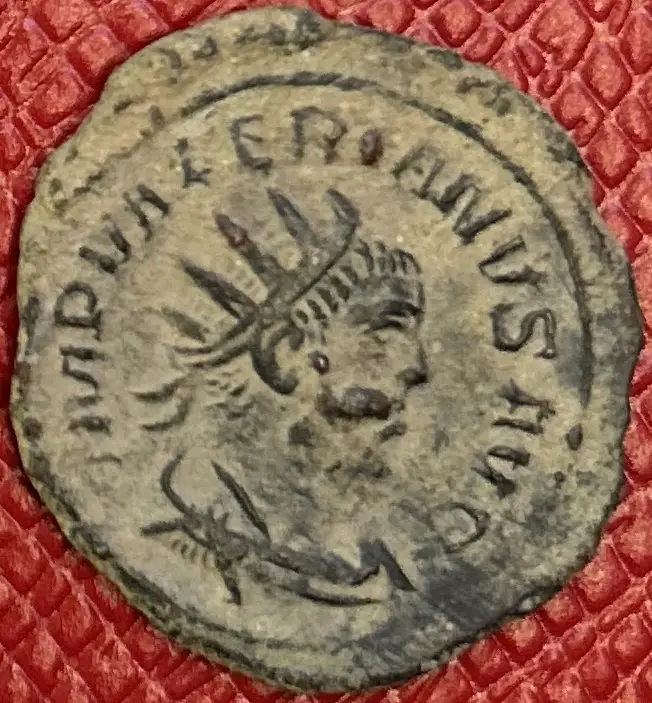 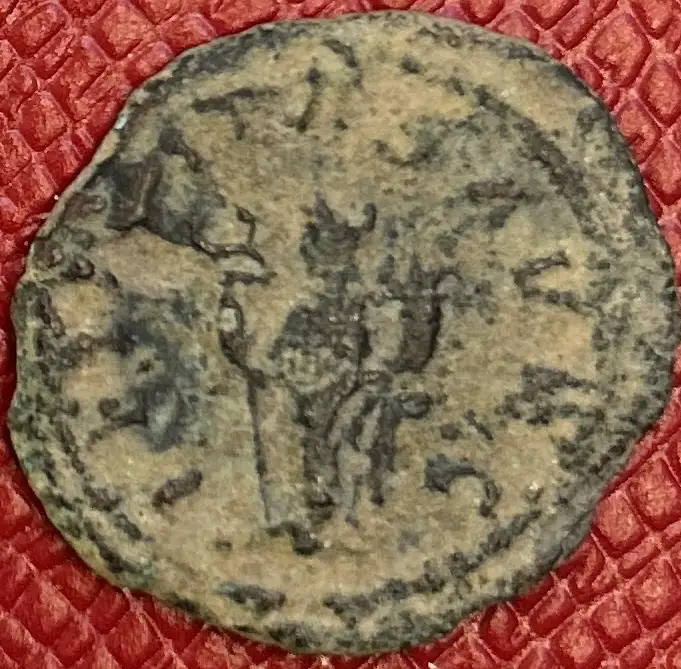 |
|
|
|
Pillar of the Community
United States
3499 Posts |
Arcadius
Constantine
Valerian I
Yeah you got 'took'
A$5 would probably cover them
But shipping and handling ?
Well it's not a total loss is it ?
Resist the urge to 'clean' them
You can do no help
It is a helmeted facing type Arcadius
That is kinda neat
Edited by FVRIVS RVFVS
03/24/2026 8:28 pm
|
|
Valued Member
 United States
286 Posts |
I got them free shipping, so theres that.
I guess this is what happens without the knowledge.
Could you recommend a good book?
|
|
Pillar of the Community
United States
5014 Posts |
Yeah, I like the last Valerian antoninianus with the crown! Can really read that obverse legend well, nice. Looks like Fides on the reverse? The dirt highlights more than it obscures.
|
|
Moderator
 Australia
17015 Posts |
Quote:
Is the spiked thing on the head a crown? Yes. The "radiate crown" was placed on coins which had a "double" denomination. The radiate crown on this coin tells us it is an antoninianus, or double-denarius. Don't clean it; this coin has a nice "desert patina", which many collectors like and appreciate for its cameo effect. Opinions on cleaning ancients vary. All ancient coins "need cleaning" because they all (except for gold coins) come out of the ground looking like little green rocks, so the debate centres on "how much cleaning is enough". At one extreme, you have the "archaeologist" mindset, which says that coins should be cleaned only up to the point where they become fully identifiable, then you should stop. At the other extreme, you'd have the recreationist mindset, which seeks to "restore" the coin to looking as close to how it would have originally looked as possible. This usually involves destroying and removing the existing patina and replacing it with artificial toning. Most collectors seek a middle ground, happy to remove most of the dirt but wishing to keep all the original patina. This attitude is made more complicated when some coins have very little to distinguish between "dirt" and "patina". Don't say "infinitely" when you mean "very"; otherwise, you'll have no word left when you want to talk about something really infinite. - C. S. Lewis
|
|
Moderator
Australia
17015 Posts |
Five bucks each for unidentified ancient Roman bronzes is pretty good, especially given that all of these appear to be fully identifiable; identified Roman coins rarely go for less than $10. And the Valerian piece is actually debased silver (probably around 30%), so that's even better, given today's silver prices.
Don't say "infinitely" when you mean "very"; otherwise, you'll have no word left when you want to talk about something really infinite. - C. S. Lewis
|
|
Pillar of the Community
United States
3499 Posts |
Good book for beginners would be an old 'outdated' Roman Coins and Their Values by David Sear
Plenty of useful information
Prices are way out of date but the descriptions and background info is 99% up to date
|
|
Pillar of the Community
United States
2361 Posts |
Ancient coin collecting is a vast area covering over 1,000 years, various cultures, rulers, regions, there's the Greeks, the Romans and other cultures, Parthians, Sassanian, Celtic, Jews, India, China, just to name a few. There's lots of books about ancient coins covering specific regions, time periods etc. Libraries in your area may have some. Some old books have been scanned and can be found online. To see photos and descriptions you could look at online auctions like sixbid, Vcoins with numeous ancient coin dealers, acoinsearch.info etc. General works on Greek and Roman coins are by David Sear and others. Wayne G. Sales has a series of books about them. You might get one called Handbook of Ancient Greek and Roman Coins for an overview. Most ancient coin collectors pick a specific area to collect. It's good to learn before spending a lot because like modern coins there are fake ancient coins too and as with anything on ebay some ask too much for them. Edited by livingwater
03/25/2026 07:01 am
|
|
Pillar of the Community
United Kingdom
1602 Posts |
A handbook of late Roman bronze coin types, 324-395 is a good book. Fairly easy to read and follow. If you buy it though, ignore the section where the author is writing about a "drop hammer" lol.
|
|
Pillar of the Community
United States
3499 Posts |
54 years out of date (you can drool over the pricing) but still loaded with useful information A bargain at that price 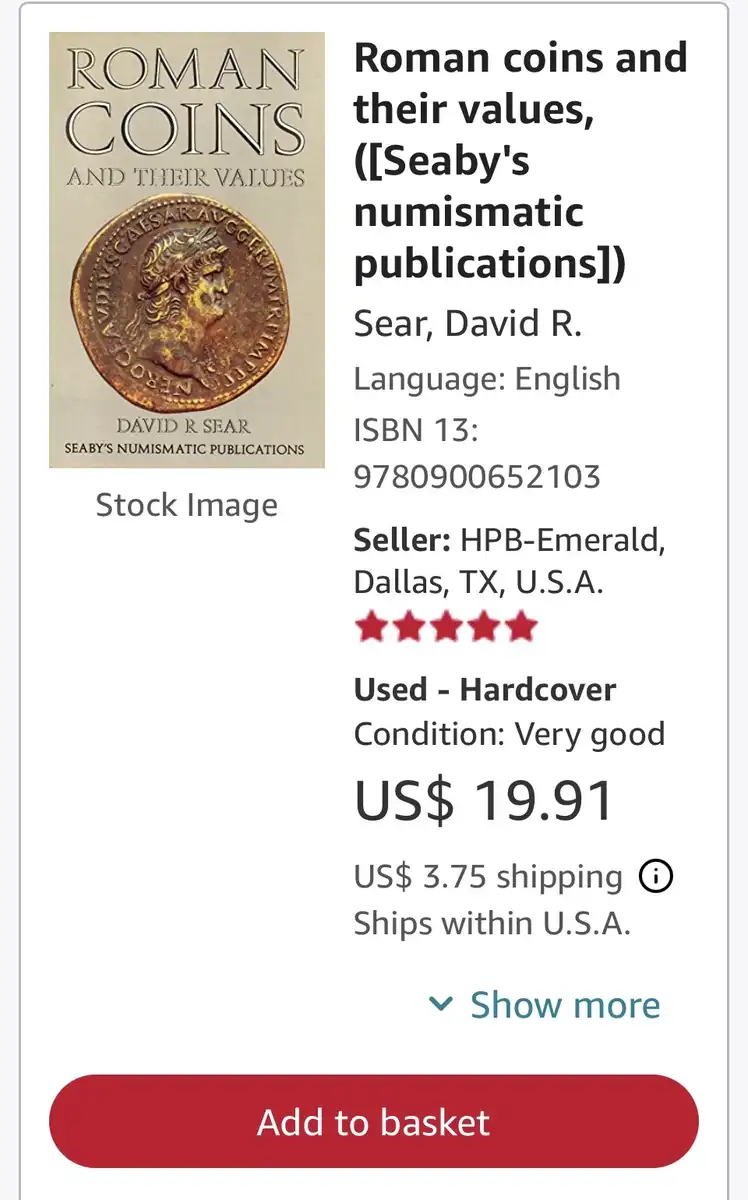 |
|
Valued Member
United States
286 Posts |
Thank you everybody for your insight. I can certainly appreciate your knowledge gained from years of expertise.  |
|
Pillar of the Community
United States
3499 Posts |
For what it's worth ..
Arcadius Rv CONCORDIA seated (Arcadius reigned from Constantinople - Empire divided East and West (Honorius in Rome)
Constantine Rv GLORIA EXERCITVS
Valerian Rv FELICITAS AVGG (AVGG indicates joint reign with his son Gallienus)
Valerian met an unfortunate end in Persia !
Lesson to be learned too often .
|
|
Pillar of the Community
 United States
8066 Posts |
Quote:
Valerian met an unfortunate end in Persia !
Lesson to be learned too often .  |
|
Moderator
United States
197025 Posts |
Quote:
Valerian met an unfortunate end in Persia ! Lesson to be learned too often . Indeed.  |
| |
Replies: 13 / Views: 513 |
|







 Posted 03/24/2026 8:58 pm


