








 Posted 04/24/2026 12:54 am


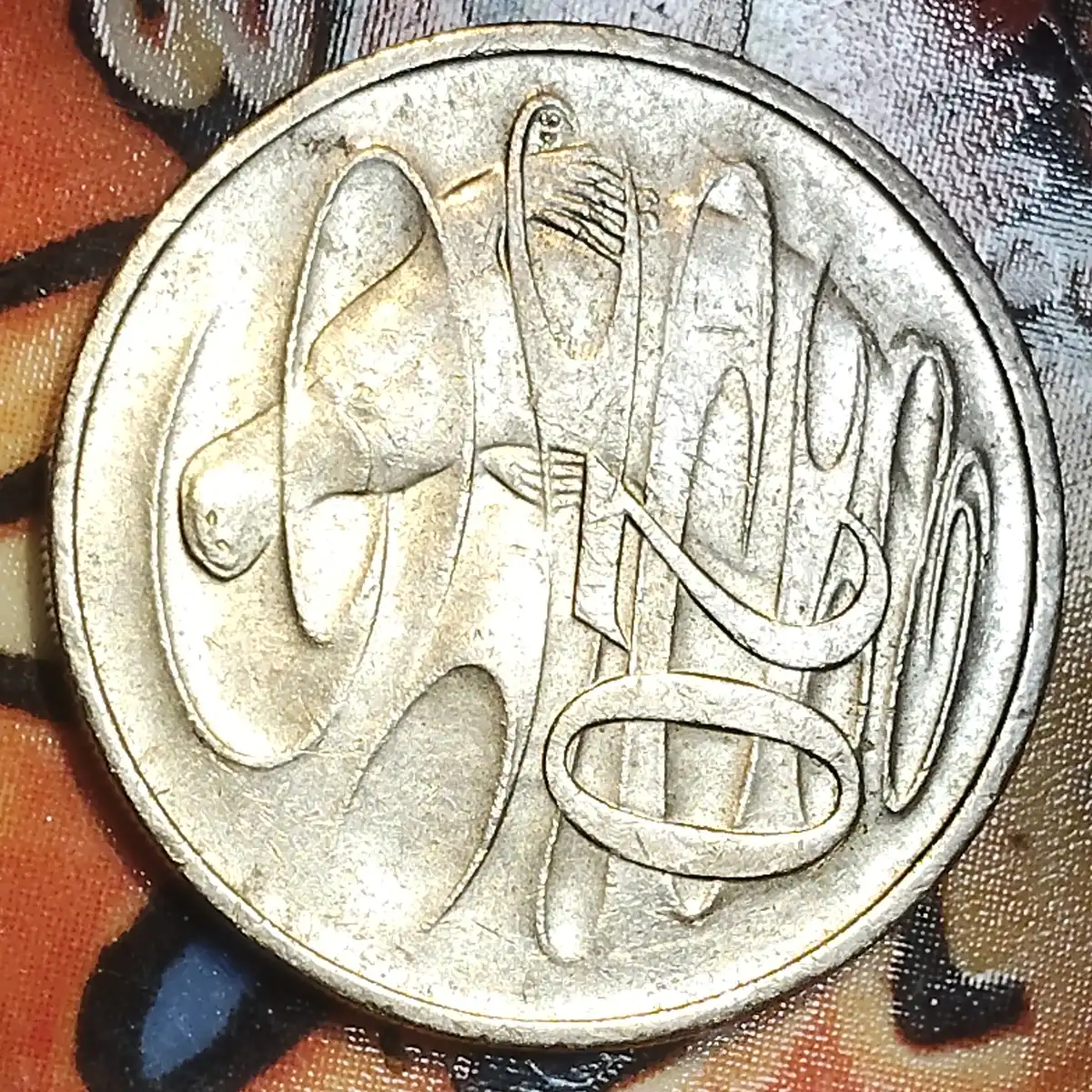
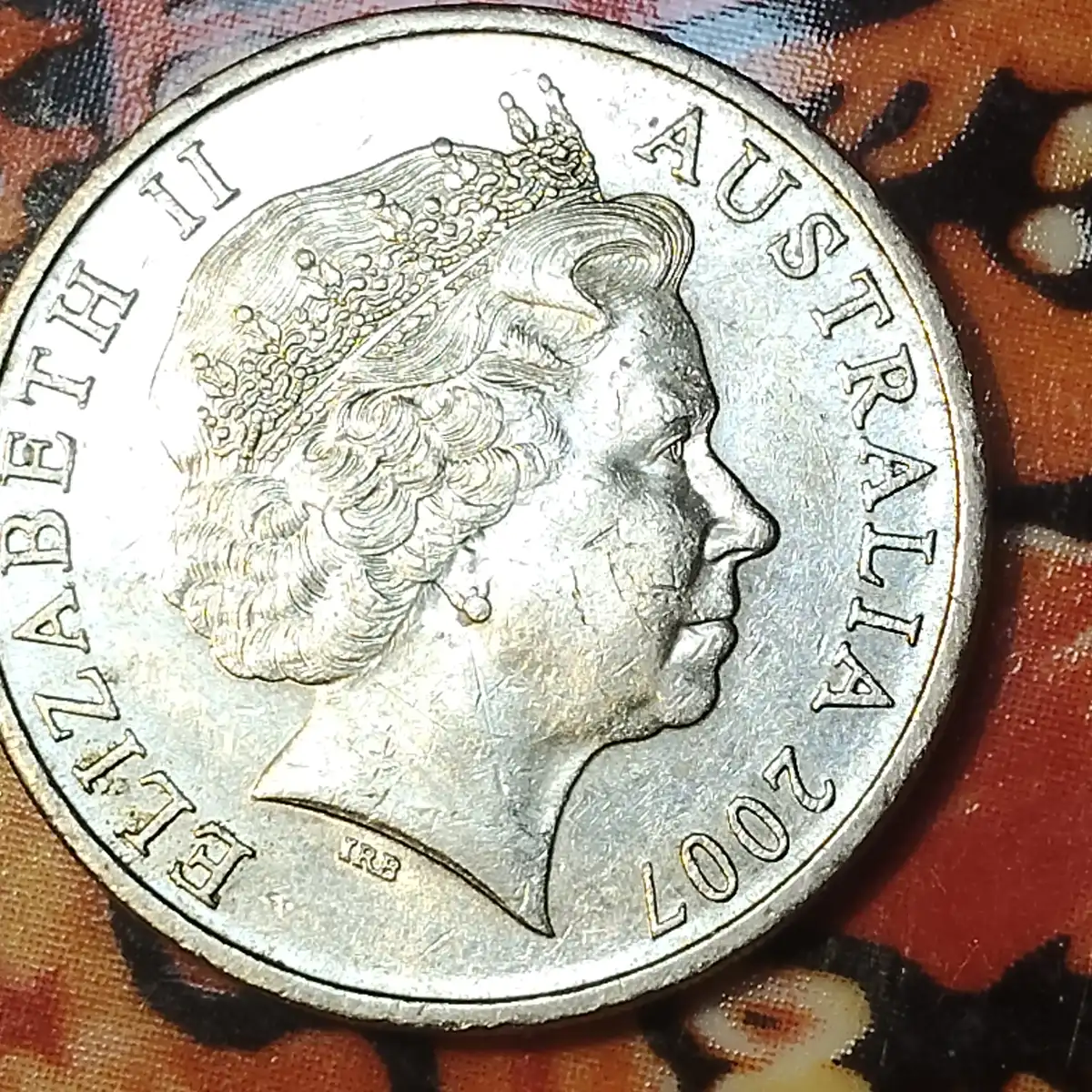
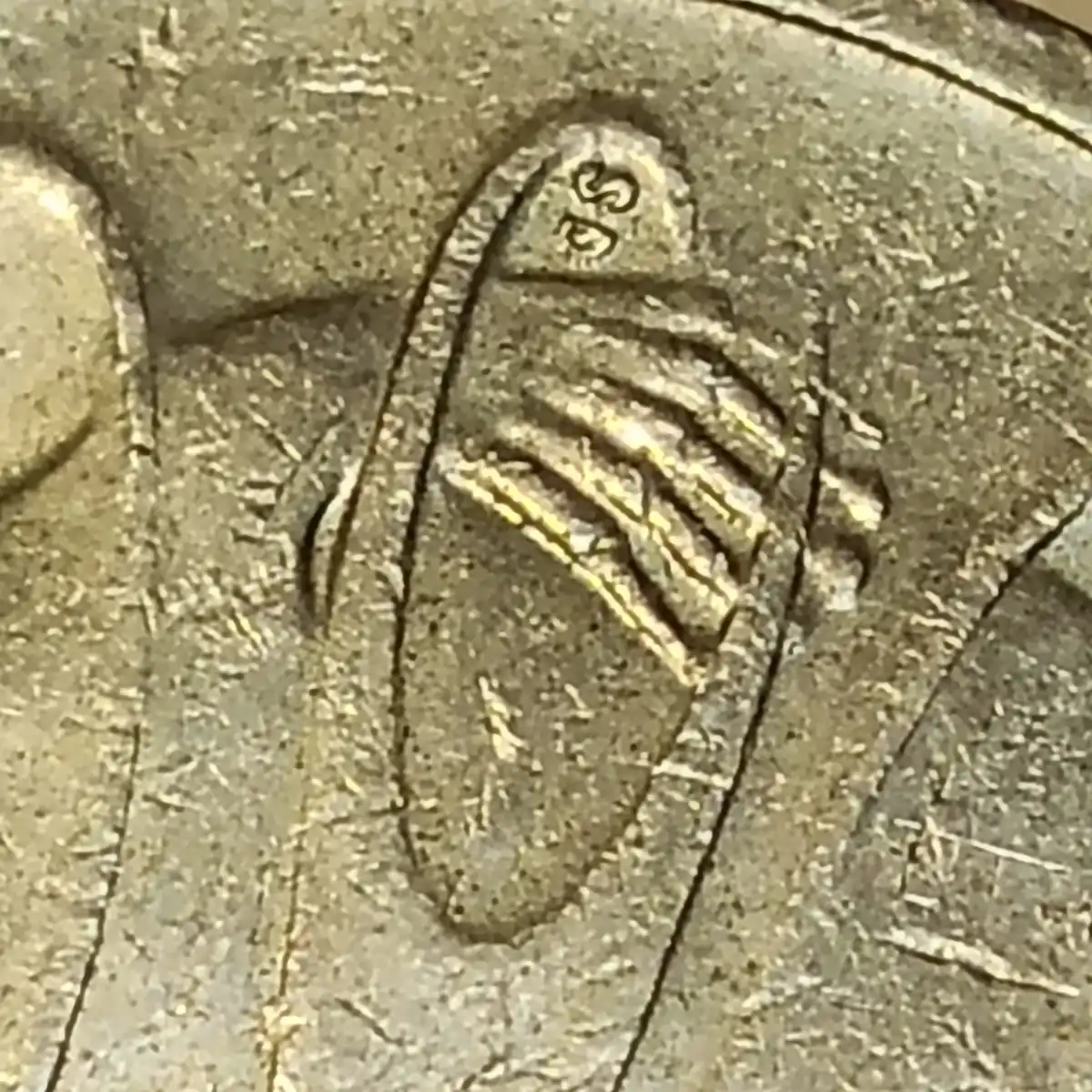
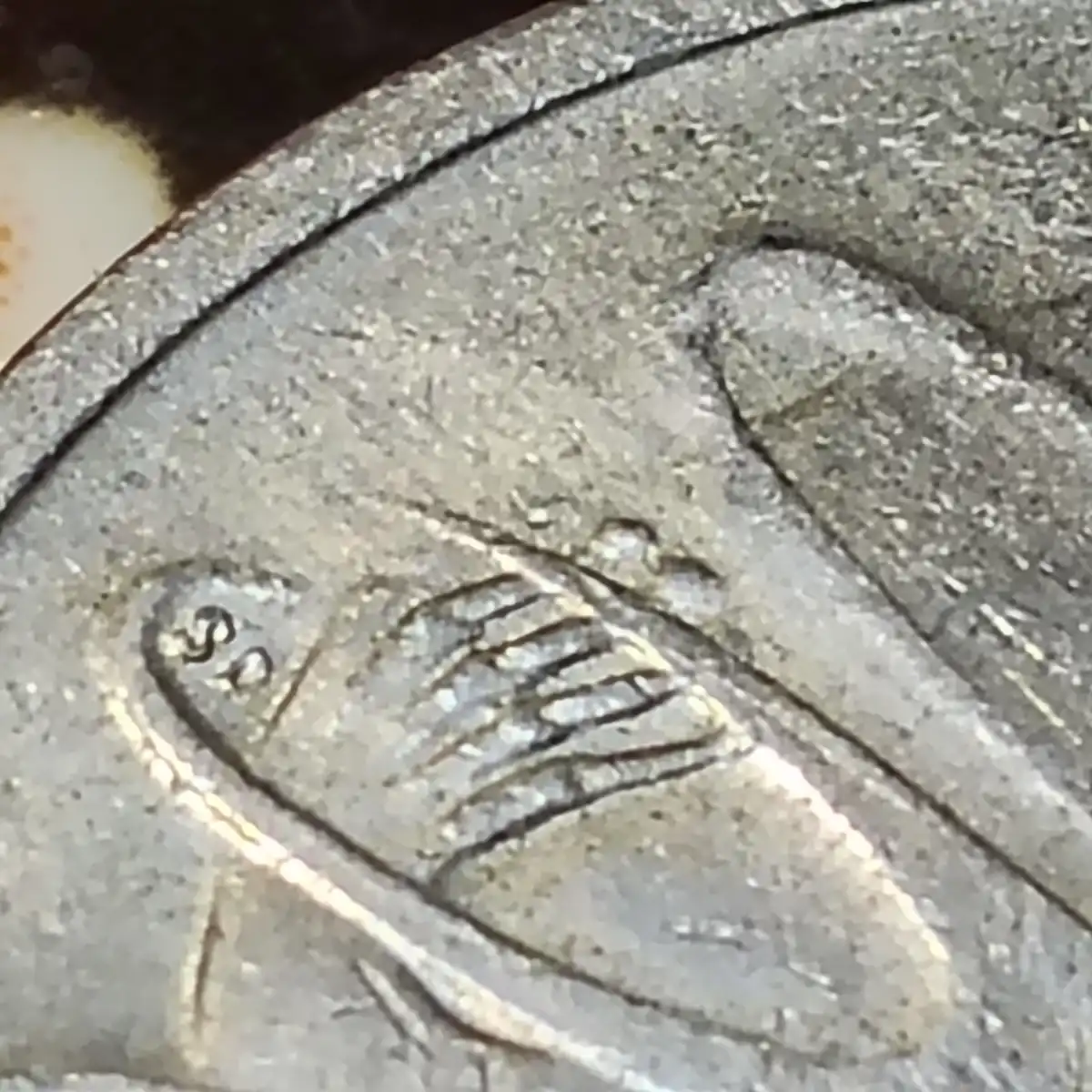
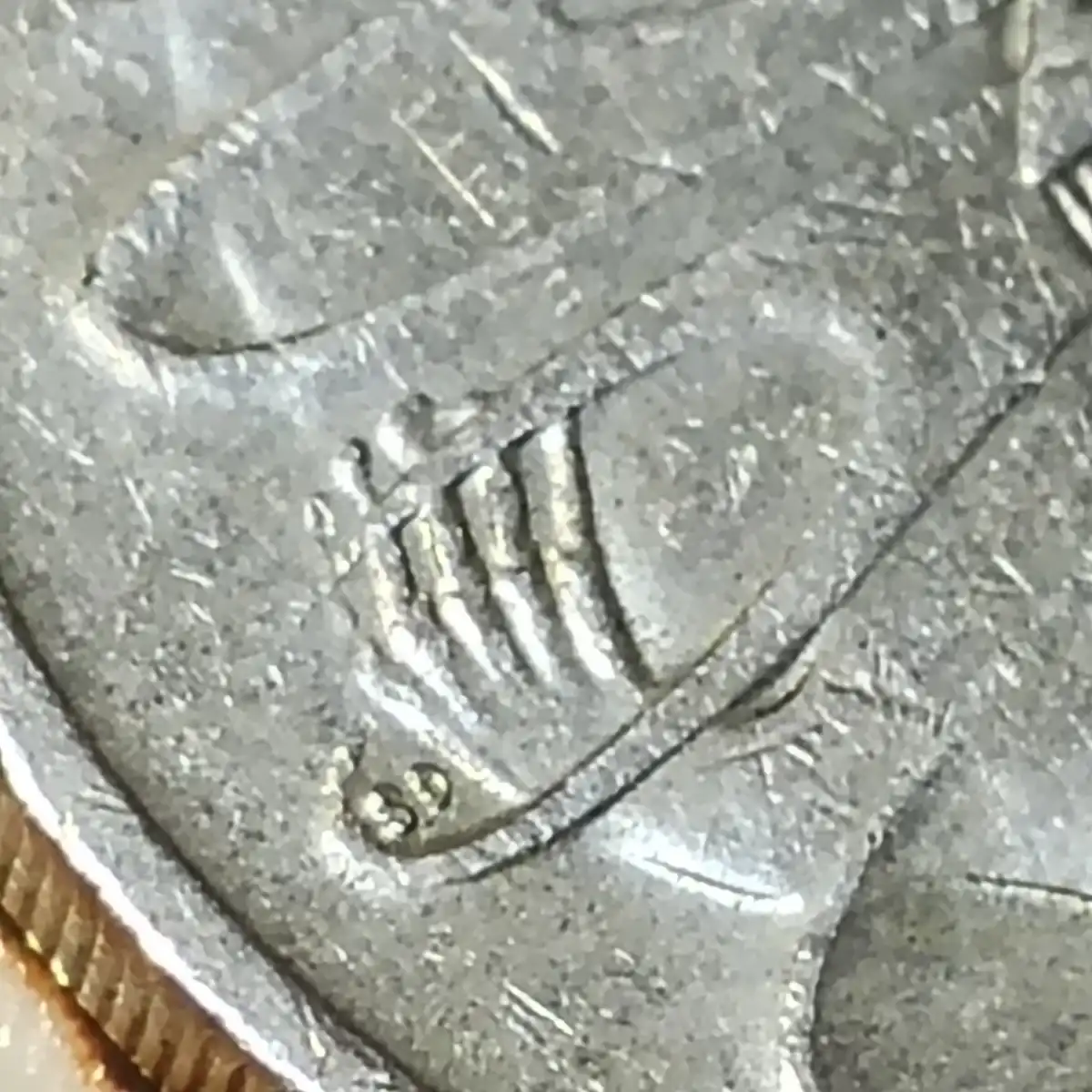
"Missing details" like that can have two primary causes: "grease-filled dyes", or " PMD". In the case of missing details, PMD is usually obvious, in that it's difficult to scrape away a part of a coin's design completely leaving no trace of the scraping. So a coin with missing features and no obvious signs of tooling is usually considered a Greaser.
Grease-filled dies are usually a not-very-interesting variety, though they may command collector interest if the "missing bits" are an important design component. Creating spelling errors, missing digits in the date, that sort of thing. Perhaps the most valuable is the "1922-plain" American 1 cent coin, where a filled mintmark created the illusion of a mintmark-less coin in a year when no mintmark-less coins were officially made.
Grease-filled dies are usually a not-very-interesting variety, though they may command collector interest if the "missing bits" are an important design component. Creating spelling errors, missing digits in the date, that sort of thing. Perhaps the most valuable is the "1922-plain" American 1 cent coin, where a filled mintmark created the illusion of a mintmark-less coin in a year when no mintmark-less coins were officially made.
Don't say "infinitely" when you mean "very"; otherwise, you'll have no word left when you want to talk about something really infinite. - C. S. Lewis


