| Author |
 Replies: 20 / Views: 10,764 Replies: 20 / Views: 10,764 |
Page 2 of 2
|
|
|
|
Pillar of the Community
United States
757 Posts |
Don't be so sure that there are not counterfeit common dates floating around. Here is a 1941 quarter I have.   It weighs 4.67 grams. I also have a couple 1861 cast 3 Cent Silver pieces. |
|
Bedrock of the Community
United States
10982 Posts |
Quote:
For example, a freshly minted silver quarter has an official weight of 6.25 grams. However, not every planchet is going to weigh exactly that, so there is some built-in room for "leeway." One reference I came across suggested it was as high as +/- .19 grams, but I thought it would be best to confirm that with a second source.
No way a new quarter would have a +/- .19 gram tolerance. That's +/- 3%! Any AU or BU condition U.S. silver coin should (must) be within 1% of it's nominal weight or something is wrong. The 0.715 multiplier used for average circulated 90% fractional U.S. silver backs out about 1.3% for weight loss and average circulated is unofficially considered VG average. 3% loss like you noted is commensurate with a coin grading AG3, very heavily worn. I've bought and sold mountains of 90% silver over the last 8 years and the above comments are based on standard industry practices and my experience. Hope this helps! |
|
Valued Member
 United States
165 Posts |
Quote: Don't be so sure that there are not counterfeit common dates floating around. Here is a 1941 quarter I have. It weighs 4.67 grams. I also have a couple 1861 cast 3 Cent Silver pieces. This is essentially why I posted about the coins and their weights: just to be on the safe side.  Fortunately none of them look as bad as that one does, though! Quote:
No way a new quarter would have a +/- .19 gram tolerance. That's +/- 3%! Any AU or BU condition U.S. silver coin should (must) be within 1% of it's nominal weight or something is wrong.
The 0.715 multiplier used for average circulated 90% fractional U.S. silver backs out about 1.3% for weight loss and average circulated is unofficially considered VG average. 3% loss like you noted is commensurate with a coin grading AG3, very heavily worn.
I've bought and sold mountains of 90% silver over the last 8 years and the above comments are based on standard industry practices and my experience. Hope this helps! This is exactly why I thought it would be best to solicit a second opinion; it seemed to me that that was a rather high threshold. However, I just weighed out every coin in one of my partial rolls, and I still came up with questionable or suspect weights that do not fall into that "window." That was definitely a pattern I noticed: that the few coins which were on the light side weighed about the same as some of the much more worn Washington quarters, from the late 1940s through early 1950s. I started buying it regularly fairly recently (up till then I only had a small amount), so yes, it does help! Thanks. Edit: I just came across this old Coin Community post: https://goccf.com/t/216036And then another post here (in a different forum): https://www.cointalk.com/threads/ac...iance.93575/Do you know how accurate the discussions/ references are? I can't seem to find anything else on this subject at all. I did call up the Mint just now, and they had no idea what I was talking about... Edited by Earendil
09/04/2015 10:29 am
|
|
Valued Member
United States
165 Posts |
Edited by Earendil
09/04/2015 09:56 am
|
|
Bedrock of the Community
United States
12437 Posts |
Quote:
No way a new quarter would have a +/- .19 gram tolerance. Tolerance for a silver quarter planchet is indeed +/-3 grains(0.195 grams) and it is even higher for clad coinage. |
|
Bedrock of the Community
United States
10982 Posts |
All the pictured coins look fine. Quote:
Tolerance for a silver quarter planchet is indeed +/-3 grains(0.195 grams) and it is even higher for clad coinage. I stand corrected. I believe tighter tolerances were actually held. |
|
Bedrock of the Community
United States
17884 Posts |
Sorry I thought you were looking for tolerances for circulated pieces. I do have the reference for the Weight Tolerances but I am away at a show right now. I would be very surprised if the tolerance was .19 grams though because I know the tolerance for a silver dollar was .097 grams and I know the tolerance for a CLAD quarter is .22 grams. won't have a chance to check the reference and post the tolerance until late Saturday or early Sunday morning. |
|
Valued Member
United States
165 Posts |
Quote:
Tolerance for a silver quarter planchet is indeed +/-3 grains(0.195 grams) and it is even higher for clad coinage. Thank you for the confirmation. Quote:
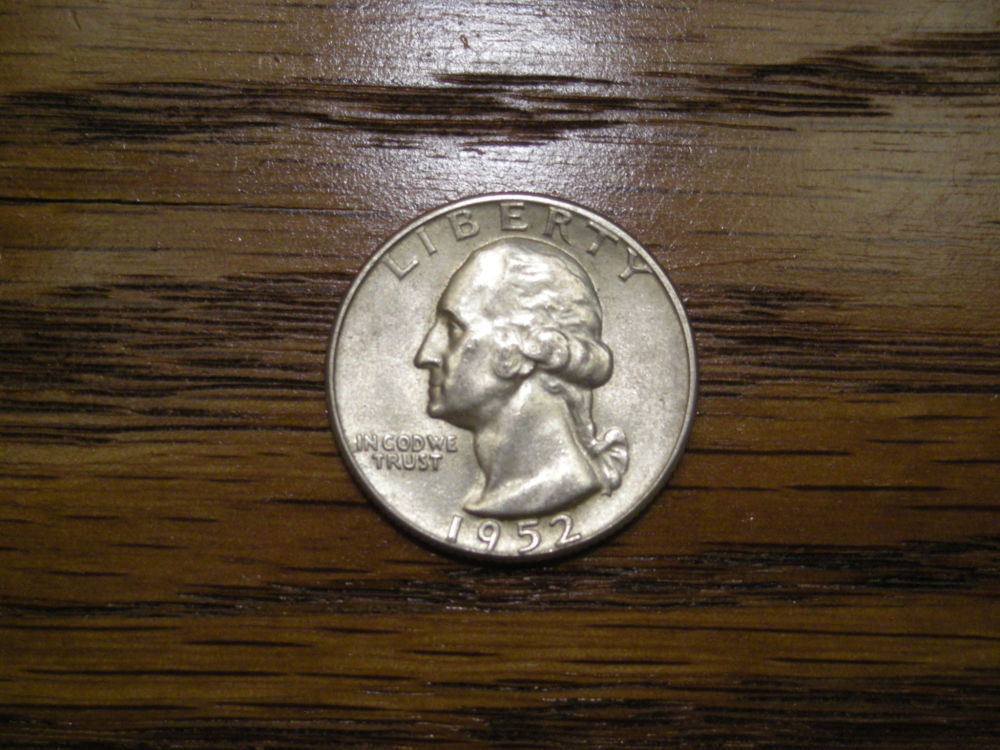
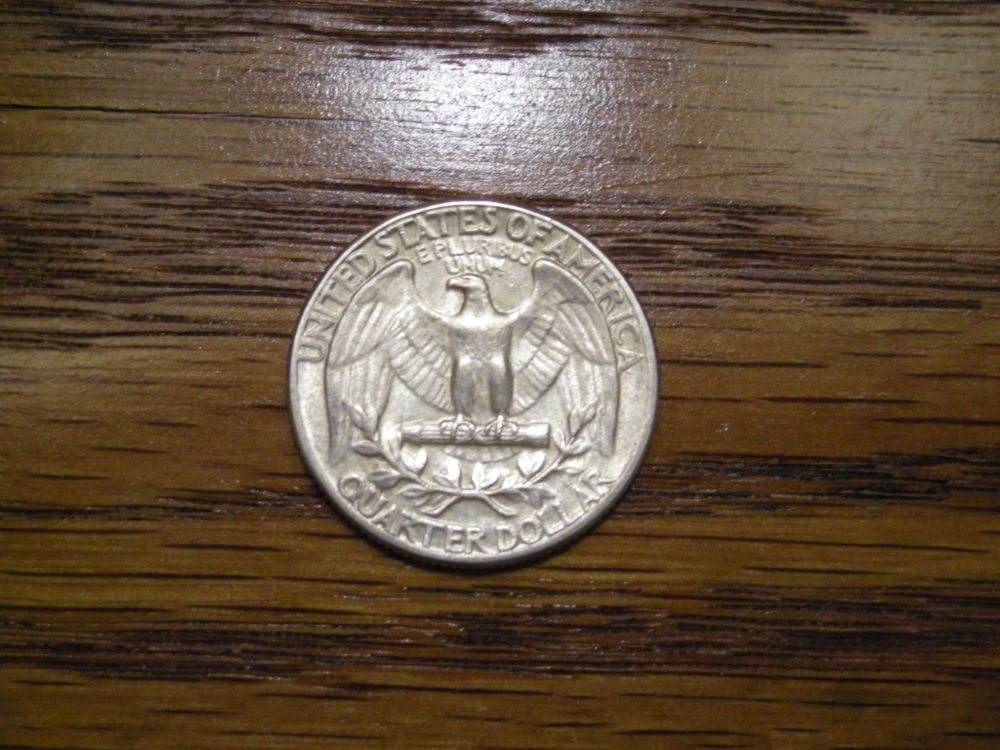
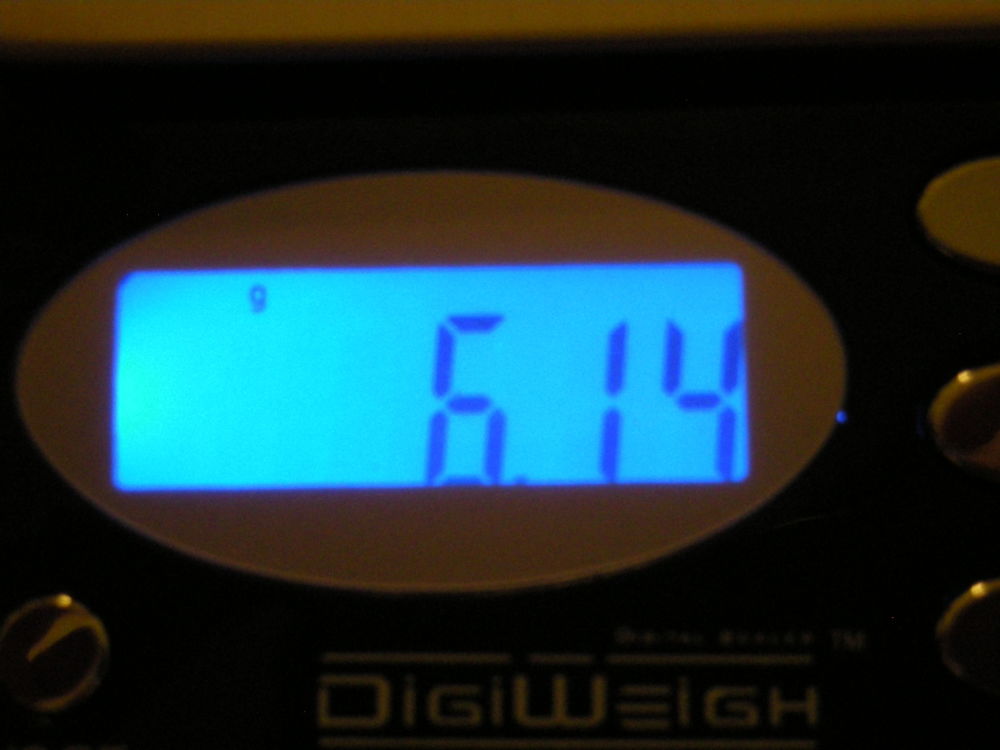
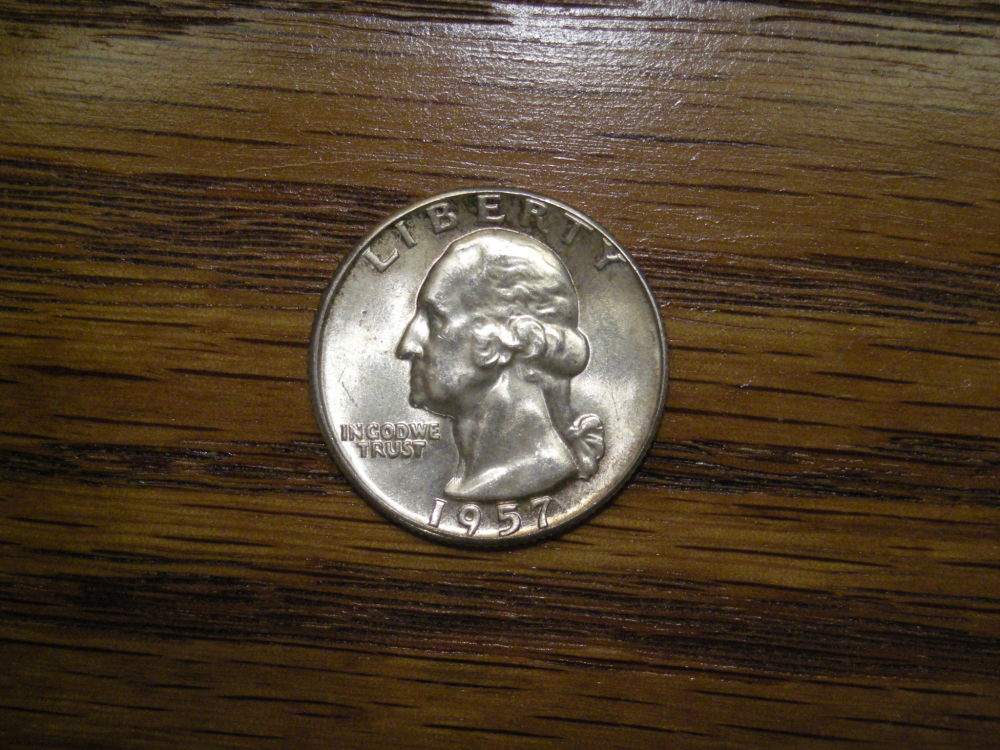
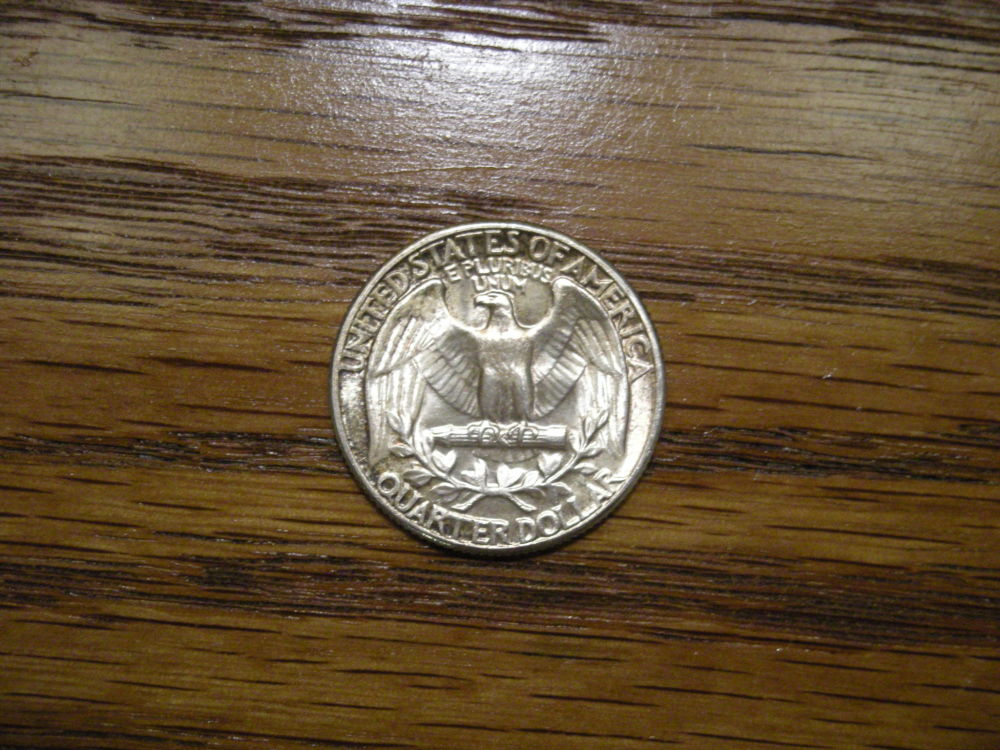
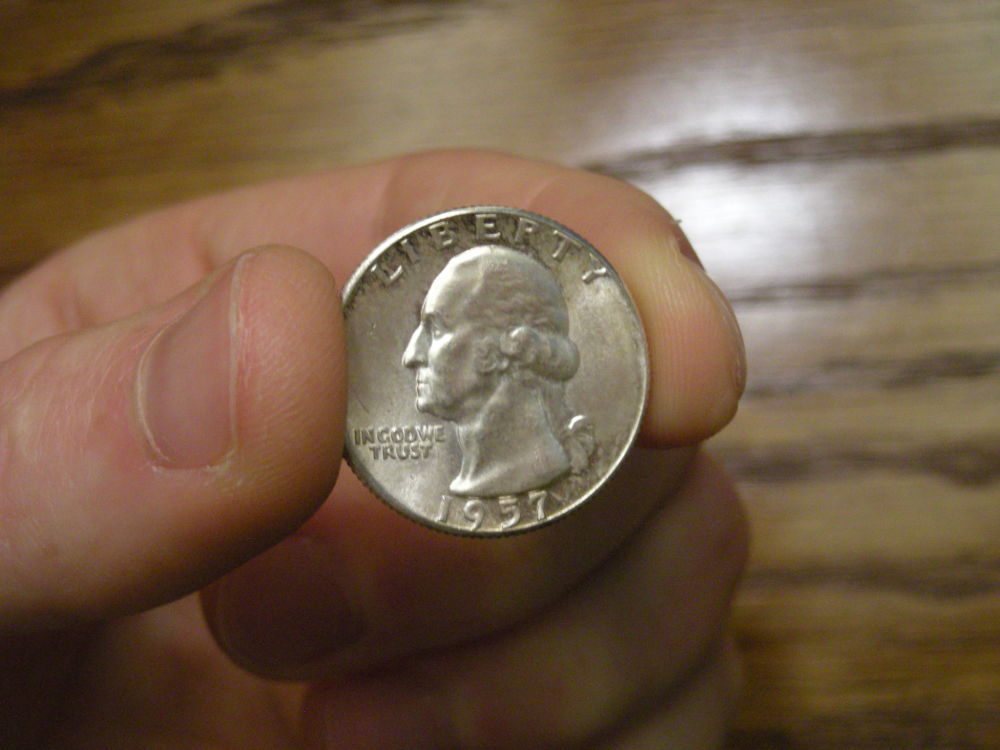
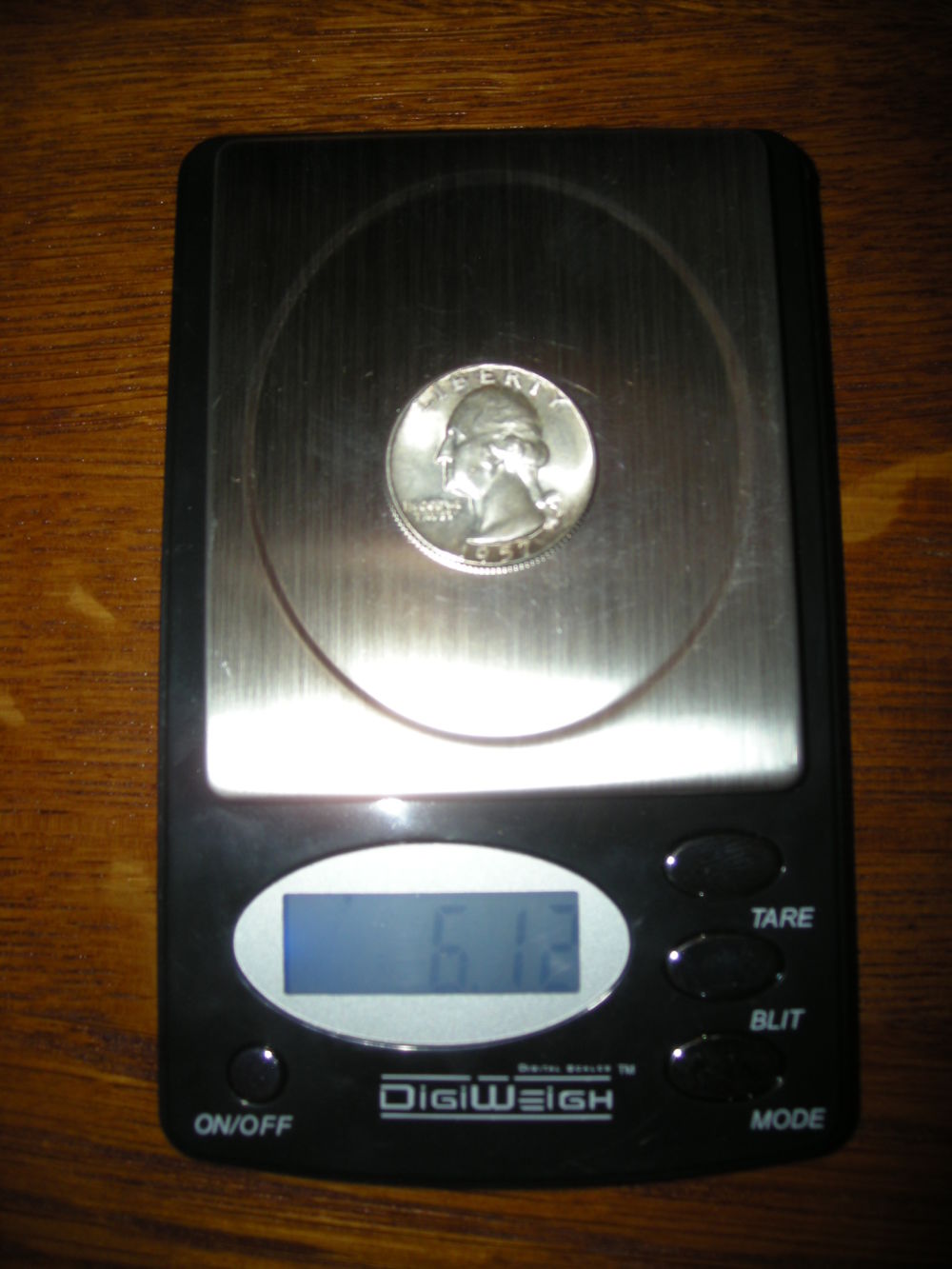
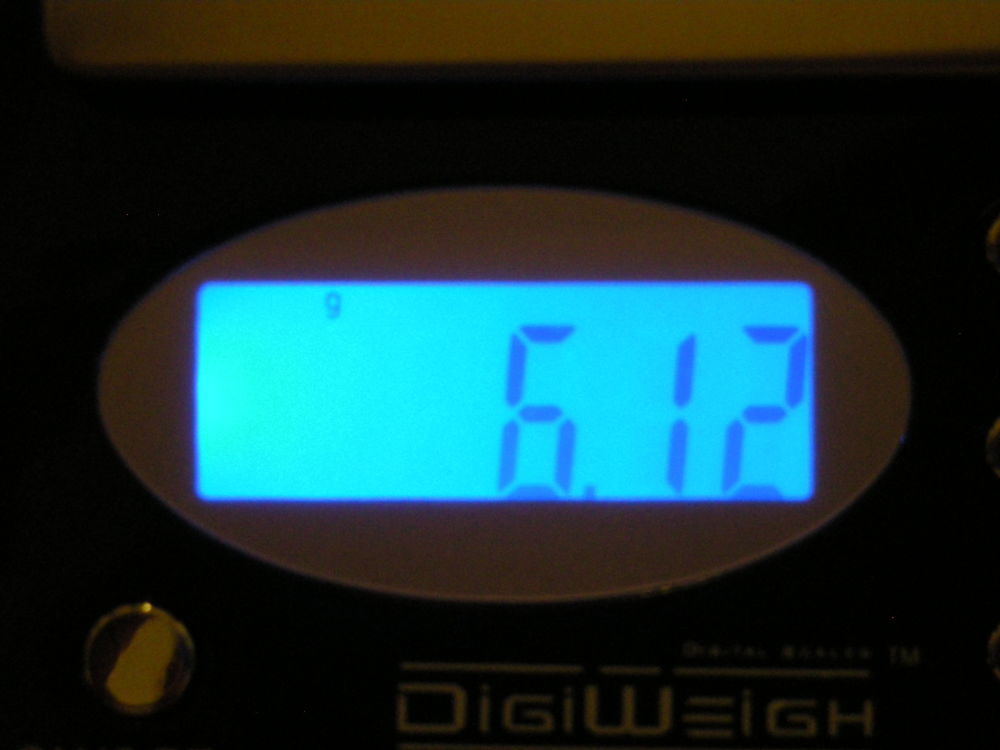
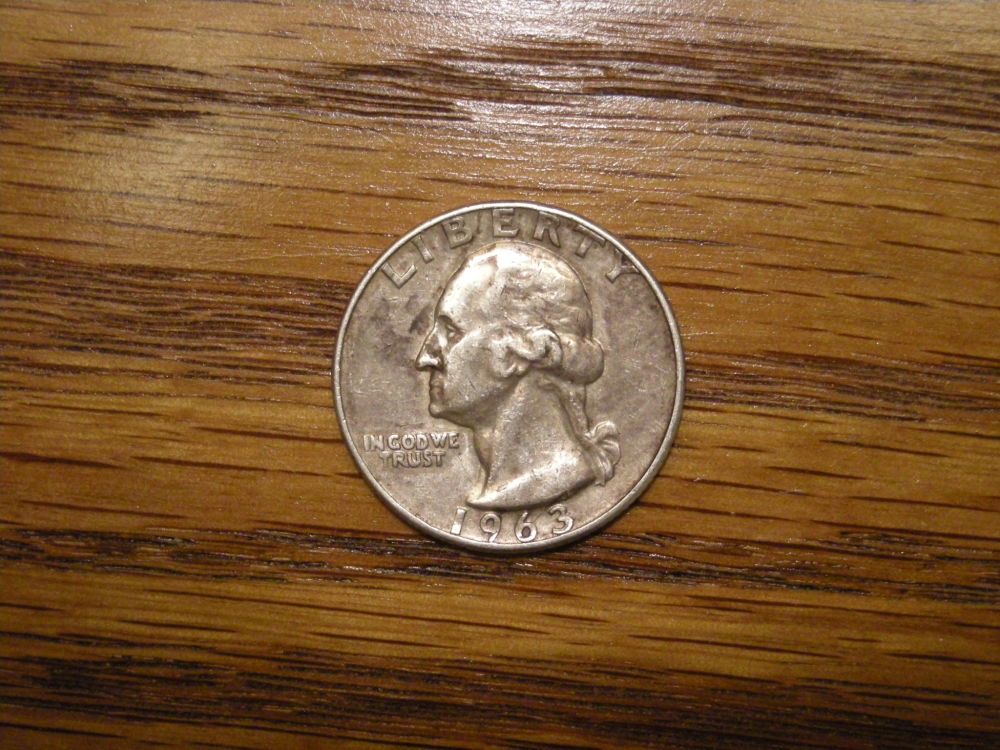
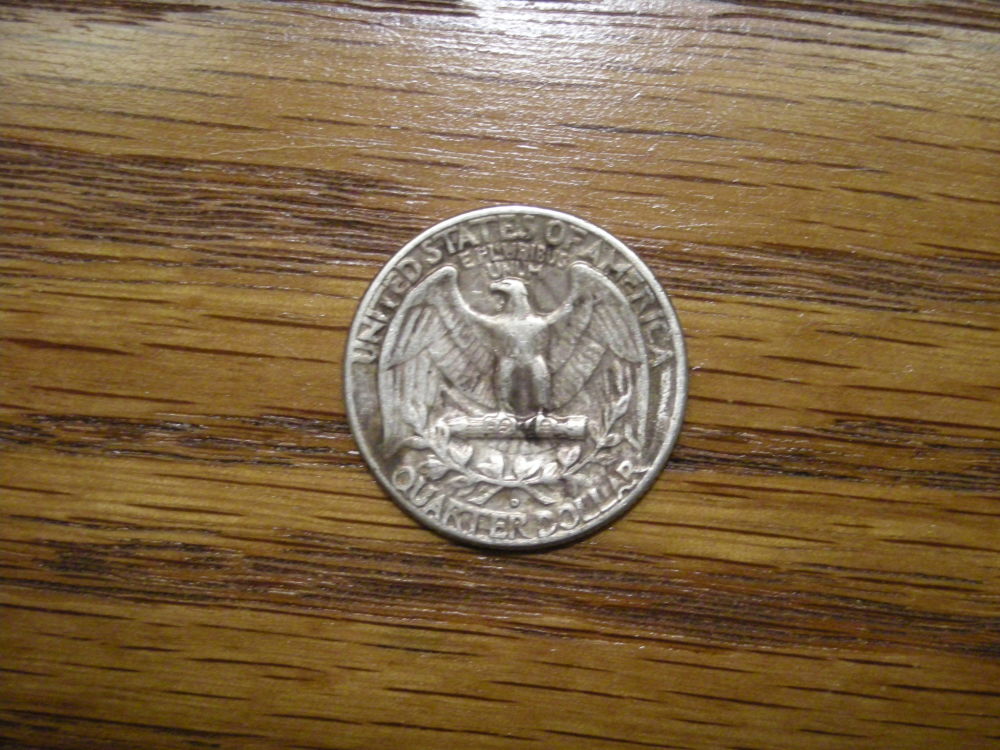
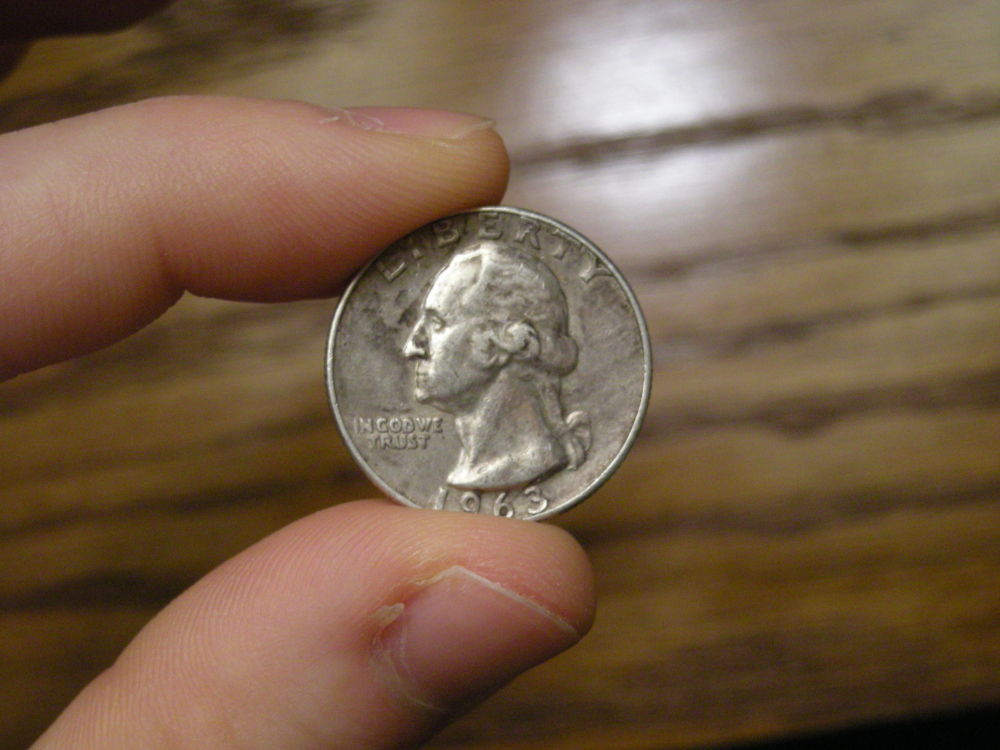
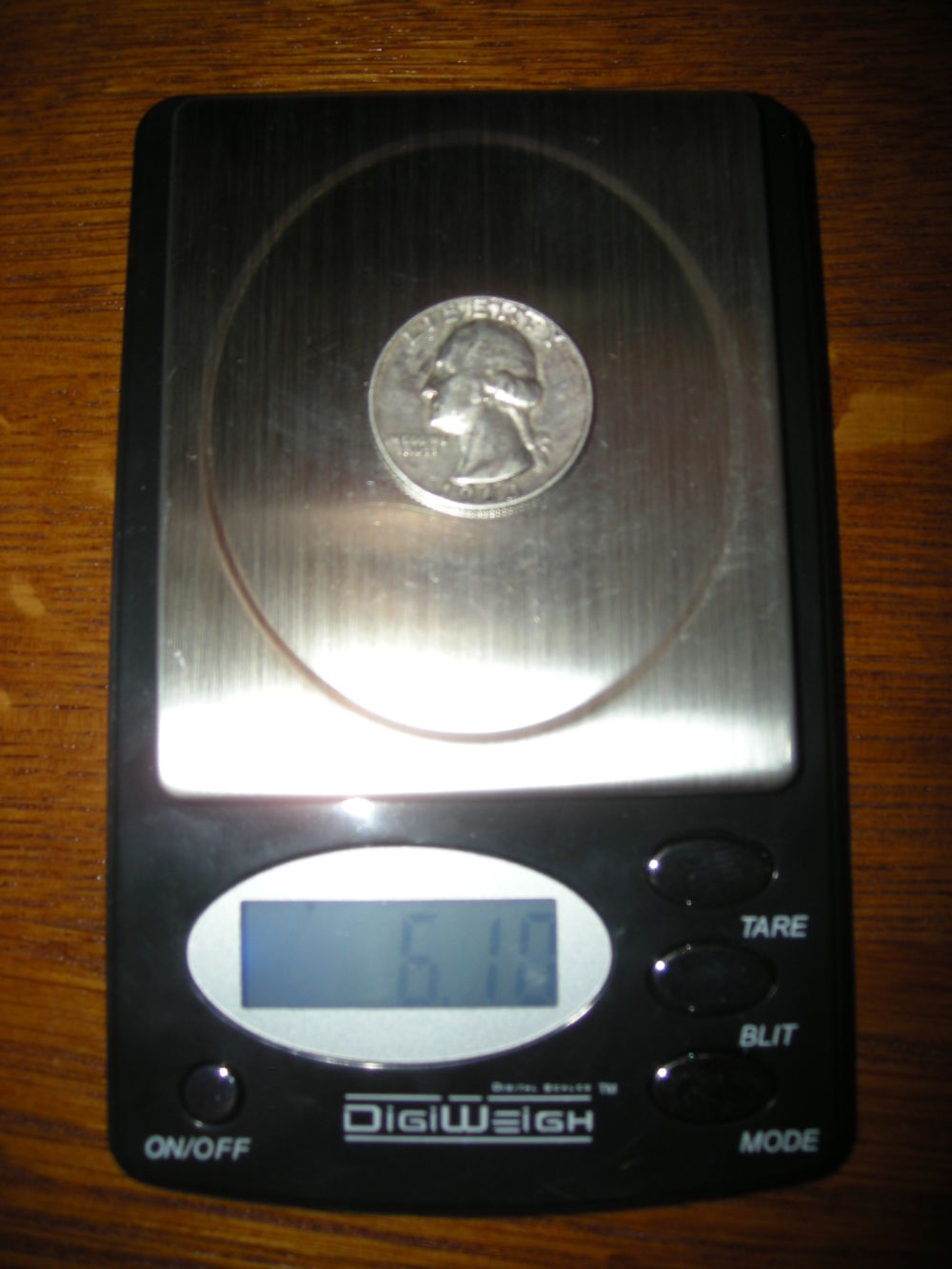
All the pictured coins look fine. Great! Thanks for looking at them. Quote: Sorry I thought you were looking for tolerances for circulated pieces. I do have the reference for the Weight Tolerances but I am away at a show right now. I would be very surprised if the tolerance was .19 grams though because I know the tolerance for a silver dollar was .097 grams and I know the tolerance for a CLAD quarter is .22 grams. won't have a chance to check the reference and post the tolerance until late Saturday or early Sunday morning. No worries. I knew that any amount of circulation can essentially throw existing Weight Tolerances out the window, so I've not usually as concerned with circulated junk silver that registers at all different weights. The 3 above quarters drew my attention because they're either AU/BU (the 1952 and the 1957), or should realistically have not circulated enough to be so far under the official weight threshold (the 1963). Sometime this weekend is fine with me; thank you in advance for your assistance. I actually called up the U.S. Mint yesterday in an effort to get this information straight from "the source," but no one there was able to help me. Over the course of the morning, I spoke with everyone from a call center representative to the head of the Mint's bullion division, all to no avail. I also left messages with a few more departments--such as the Mint's Freedom of Information center--as well as with their official historian, but did not receive any return calls yesterday (likely due to the holiday weekend). Finally, as a last-ditch effort, I contacted the Smithsonian, but do not hold out much hope for a reply e-mail. Edited by Earendil
09/05/2015 2:13 pm
|
|
Pillar of the Community
United States
1812 Posts |
Back in my Dealer days (when silver was under $4.00 & gold around $350oz) I would purchase .90 Silver Dimes to Half Dollars one of 2 ways: #1) 2 1/2 times face for smaller purchases #2) Face Value x .715 x. Spot on larger purchases Morgans were $8.00 if not damaged & Spot x 0.75 per damaged Silver Dollar Peace dollars were $6.00 each |
|
Pillar of the Community
United States
1132 Posts |
Quote:
anything you wanted for 12.5x face. That's a pretty good deal. In my recent expeditions the avg. is 13.5x in the Indianapolis area. Quote:
silver was under $4.00 & gold around $350oz  Edited by CopperCastle
09/05/2015 8:43 pm
|
|
Bedrock of the Community
United States
17884 Posts |
Well color me surprised, it seems the tolerance on the post 1947 silver quarters is .19 grams.
The tolerances for the dime, quarter, and half were set in 1873 at +/- .097 grams .097 grams and.097 grams respectively. The tolerance for the dime remained unchanged until the silver was removed in 1964, but for the quarter and half dollar the tolerances took a large jump upward in 1947 when they were revised for the quarter and half to .194 grams and .259 grams.
Edited by Conder101
09/06/2015 02:38 am
|
|
Valued Member
United States
165 Posts |
Quote: Back in my Dealer days (when silver was under $4.00 & gold around $350oz) I would purchase .90 Silver Dimes to Half Dollars one of 2 ways: #1) 2 1/2 times face for smaller purchases #2) Face Value x .715 x. Spot on larger purchases Morgans were $8.00 if not damaged & Spot x 0.75 per damaged Silver Dollar Peace dollars were $6.00 each Those were the days, huh? I still remember when silver was $7.00 an ounce, and common silver dollars were $7.00 each at my local coin store (something that my much less educated self didn't think made sense at the time, since they only contained 3/4 an ounce of silver). Now, though, I lament not buying any of them! Instead, I picked up 10 Silver Eagles--my only big coin purchase back then--for $10 each a few years later, since I thought their higher silver content made them a better deal. Unfortunately, while those and silver dollars were around the same price at the time (in 2005 or 2006), the two coins have long since diverged. The value of the former continues to remain stagnant, while that of the other has shot up drastically. I've only ever seen 90% silver resold as based on a "x face" percentage, but of course, I'm just a consumer and not a dealer. Quote:
That's a pretty good deal. In my recent expeditions the avg. is 13.5x in the Indianapolis area. Yes, I thought so as well. It was 12x face before this whole "silver shortage" mess started, and then when I came back into town after going on a long vacation it had increased to 12.5x face. I figured that was still better than anyone else (I've seen as high as 15.6x face during trips to local coin stores), so I've been picking up as much junk silver as I can afford. Quote:
Well color me surprised, it seems the tolerance on the post 1947 silver quarters is .19 grams.
The tolerances for the dime, quarter, and half were set in 1873 at +/- .097 grams .097 grams and.097 grams respectively. The tolerance for the dime remained unchanged until the silver was removed in 1964, but for the quarter and half dollar the tolerances took a large jump upward in 1947 when they were revised for the quarter and half to .194 grams and .259 grams. Thank you for the verification; I greatly appreciate you looking up the tolerances for me. That would definitely mean all of the coins in question fall within the permitted Weight Tolerance. Perhaps the tolerances for the quarter and half-dollar were increased once mintages started getting ramped up in the post-World War II era? Edited by Earendil
09/06/2015 08:55 am
|
|
Bedrock of the Community
United States
17884 Posts |
Possible, also silver had dropped tremendously in value since the 1870's so possible being further off of the theoretical spec weight didn't matter as much. But the question becomes why the tolerance for the dime didn't change?
|
|
Valued Member
United States
165 Posts |
Quote:
Possible, also silver had dropped tremendously in value since the 1870's so possible being further off of the theoretical spec weight didn't matter as much. But the question becomes why the tolerance for the dime didn't change? That I do not know. Perhaps it was related to the dime's small size (as in, there was less "wiggle room" for the Mint to work with)? Even an underweight quarter or half-dollar would still be above 6 grams and 12 grams, respectively, but the silver missing from an underweight dime would be much more noticeable if it ever came to weighing it. I seem to recall reading, too, that during the period of silver coinage, the dime was essentially the economy's equivalent of the quarter today. This would mean that it would be the denomination people would inherently place the most trust in, since they would deal in/ with it more often. Edited by Earendil
09/10/2015 5:40 pm
|
|
Valued Member
United States
477 Posts |
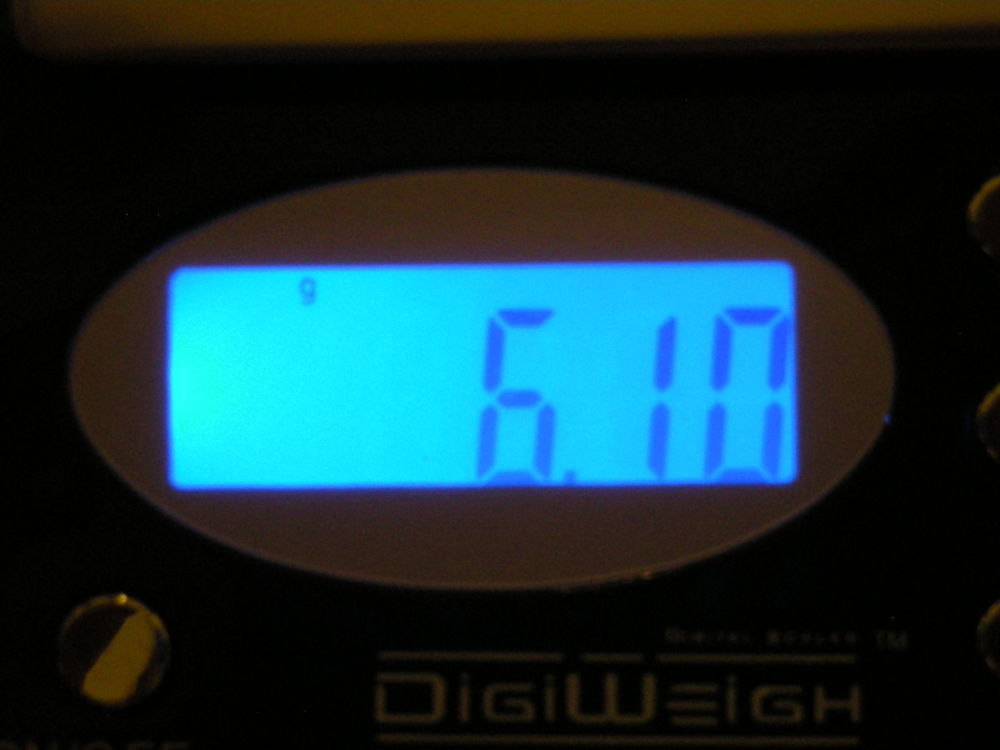
So glad I found this post. I just weighed my junk silver quarters and was getting 6.09g to 6.24g. I was a little worried about the 6.09g to 6.17g because the quarters have been cleaned (not by me) and its hard to tell if the were not fake. Great information on the tolerances.
|
|
Page 2 of 2
|
Replies: 20 / Views: 10,764 |
Page 2 of 2
|





 First Page


 Posted 09/03/2015 11:55 pm