| Author |
 Replies: 31 / Views: 5,237 Replies: 31 / Views: 5,237 |
Page 3 of 3
|
|
|
|
Pillar of the Community
United States
4883 Posts |
I think a lot of people have lost sight of the fact that grading at its foundation is all about valuation. The Sheldon scale is a 1 to 70 one because in his view the poorest yet still identifiable large cent was worth 1/70th as much as a perfect specimen. Across its spectrum, that graduation simply doesn't true for all coins, particularly with respect to the rarest and most desirable issues. An MS65 1893-S Morgan is not priced at a mere 6.5 times the amount a VG10 commands. The ratio in that instance would be more like 200:1!
Part of the idea behind "objective" third party grading was that coins could then be bought and sold sight unseen, a great convenience for a high volume dealer trafficking in "common" types. So the notion of "commercially" or "market" acceptable grading is a pretty logical development. But for many, the nuances of what you might really want to include in your collection are glossed over in a system fundamentally based upon assuring that coins, regarded solely as merchandise, be fairly priced.
Colligo ergo sum
|
|
Pillar of the Community
Canada
683 Posts |
Quote:Correct, that is what the TPG's told us when they began, but they started fudging on that a long time ago. First with just the very early coins but now it is occurring on much later coins. Unfortunate but true. It almost seems like the standards keep getting lower and lower for TPG coin grading. |
|
Bedrock of the Community
13014 Posts |
Quote:
Alright baseball, I've had enough of your taunts you big bully!
Just kidding! Haha as long as you like that one that's all that really matters. Quote:
What I do not understand is PCGS and their plus grading. It either is one grade or it is not. They all do plus grading. What is it that you don't understand about it? |
|
Moderator
 United States
196278 Posts |
Quote:
Here are some choice original examples from my collection to wet your appetite. The signal among the noise.  |
|
Pillar of the Community
United States
6370 Posts |
Quote:
I would have relied on the no details grade and perhaps never have realized I had a cleaned coin. That is what PCGS and dealers generally want from collectors. Blind trust. This complacency in the US coin market allows PCGS and NGC to loosen their standards and the vast majority of collectors would not notice. The only way to protect yourself if to learn how to grade, as Conder said. Letting the holder do all of the work means that you will probably miss something down the road, like a cleaning, damage, overgrading, erroneous label, and even a fake coin in a fake slab. I have seen all of these things on many occasions. |
|
Valued Member
 United States
466 Posts |
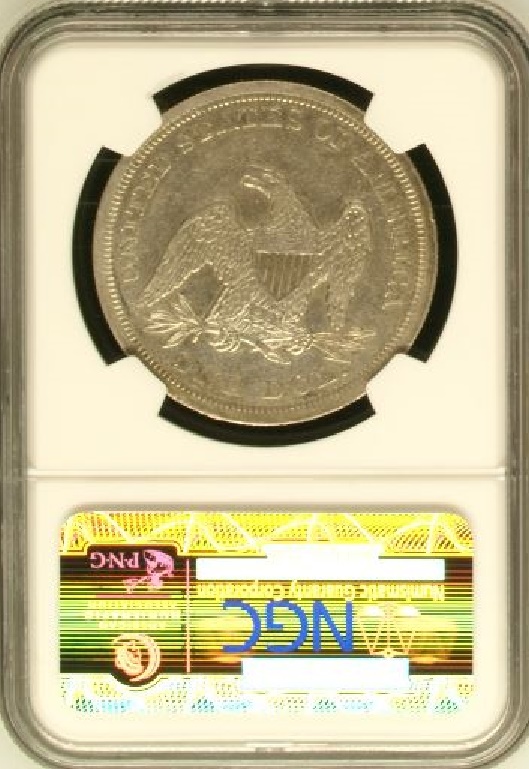
Thanks everyone for all the thoughts. I learned a lot about many things I had not thought about. Some of the more salient points I learned from the discussion and a few additional questions are: 1. Many, if not most older coins (I take this as pre-Morgan) have been cleaned at some point. TPGs only call the cleaning out if the coin is not commercially acceptable for the grade assigned. 2. This means that identifying evidence of cleaning and its impact is a necessary part of evaluating slabbed coins. I had previously thought that all cleaned coins had details grades. As this is not the case, that evaluation needs to be added to Strike quality and eye appeal in deciding whether to buy a slabbed coin. I learned a lot about this in SilverDollar2017's link. 3. I understand the admonition to learn to grade given with the recognition that it is not an easy skill to develop. I do have some experience with grading mostly raw circulated coins of too low a value to warrant TPG submission. I am pretty satisfied with my ability to grade these coins.I can usually see the difference between V.G. and fine, although I am not good enough to separate a 40 from a 45. I have trouble with the higher grades. I can't always spot evidence of circulation above au50, and have been victimized by multiple sliders, some grading as low as au53. (Pretty scary, huh). That is the primary reason I purchase TPG graded coins: assurance that mint state coins really are. The second reason was protection against cleaned coins. I now know how mistaken I was about that. On mint state grades, I still am more apt to trust the opinion of the TPG than my own. I have trouble telling a 62 from a 63, but it is usually pretty easy for me to tell a 64 from a 63. I have trouble distinguishing a 64 from a 65, but to me 66s usually stand out from 65s. I generally rely on the TPG to call balls and strikes at this level. For me, it comes down to whether I find the coin appealing and attractive. Given the caveat that grading includes evaluation of prior cleaning, am I oversimplifying? 4. In buying coins in general (implied) and SLDs in particular (expressly stated), I need to expect to spend a lot of time looking for a truly nice coin. With respect to with motto SLDs that will be difficult and require patience. The difficulty in finding eye appeal of this type has been consistent with my experience. I have seen several 1871s, all too ugly to consider buying, and the 1872 that I started this discussion with piqued my interest because it was the first with motto SLD that I found attractive ( it tells me a lot that I need to keep on patiently looking that no one said they liked the coin). Question: is it as hard to find an appealing no motto SLD as it is to find a nice no motto? I have looked at many SLDs from the 1840s and as a rule I find them more attractive than the '71s and 72s. Thanks again for educating me. If anyone wants to correct or take issue with my thoughts, I welcome your insight. |
|
Bedrock of the Community
13014 Posts |
Quote:
For me, it comes down to whether I find the coin appealing and attractive. That's exactly how you should be looking at it, the most important thing is whether or not you like it and enjoy it. We all have different tastes and not everyone's tastes fall within the prevailing trends of the market at the time which there's nothing wrong with. You could have the most appealing CAC original coin ever that everyone goes crazy over but if you don't find it attractive there's no point in you owning it. There are going to be different variations of quality in every grade, the premium pieces will command a premium price while the lower end pieces will be cheaper. As long as you don't pay a premium price for the lower end of the grade if you enjoy it there's nothing wrong with getting it. |
|
Pillar of the Community
United States
8715 Posts |
Baseball summed it up well - buy whichever coins you like! Of course, in my opinion, I like coins with as close to original surfaces as possible. So if I were to get a Seated dollar in, say EF grade, I'd have to wait for some time to find a decent example, as most are cleaned, some toned over. But you have the right idea about market acceptability, TPGs, and cleaned coins. Just keep on learning and you'll soon be an expert!  to the CCF! |
|
Pillar of the Community
United States
3479 Posts |
Quote:
Question: is it as hard to find an appealing no motto SLD as it is to find a nice no motto? I have looked at many SLDs from the 1840s and as a rule I find them more attractive than the '71s and 72s. They are all hard to find with both original surfaces and eye appeal. The without mottos had a longer run that spanned 25 years. So perhaps that's why you think they are easier to find. The withmotto only had a 7 year run. Most of the 60's withmoto are very scarce leaving 70,71 and 72's as more plentiful that others. 73's are also scarce. But they all can be found with patience and vigilance. I documented my progress over the last 2 years on this page: http://goccf.com/t/287788 Edited by MikeF
10/08/2018 11:17 pm
|
|
Pillar of the Community
United States
4707 Posts |
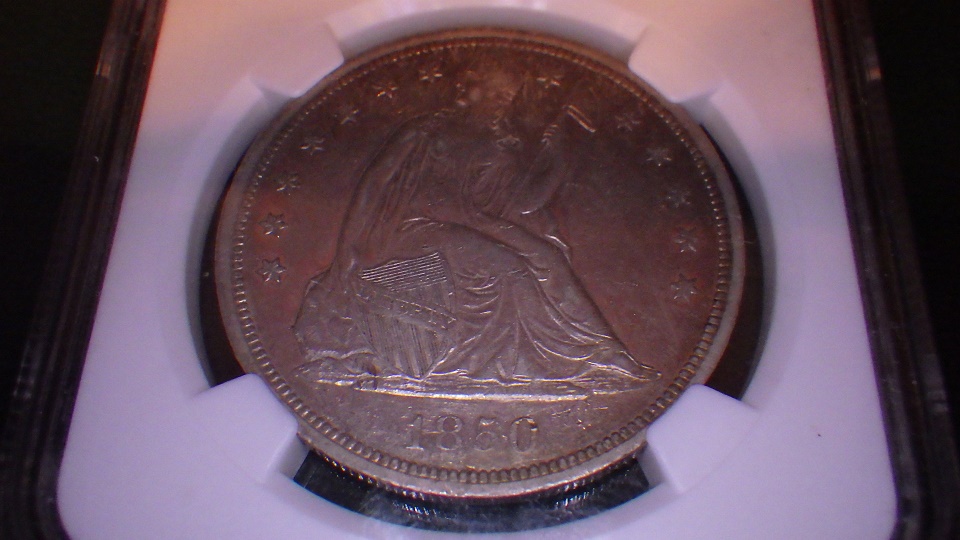
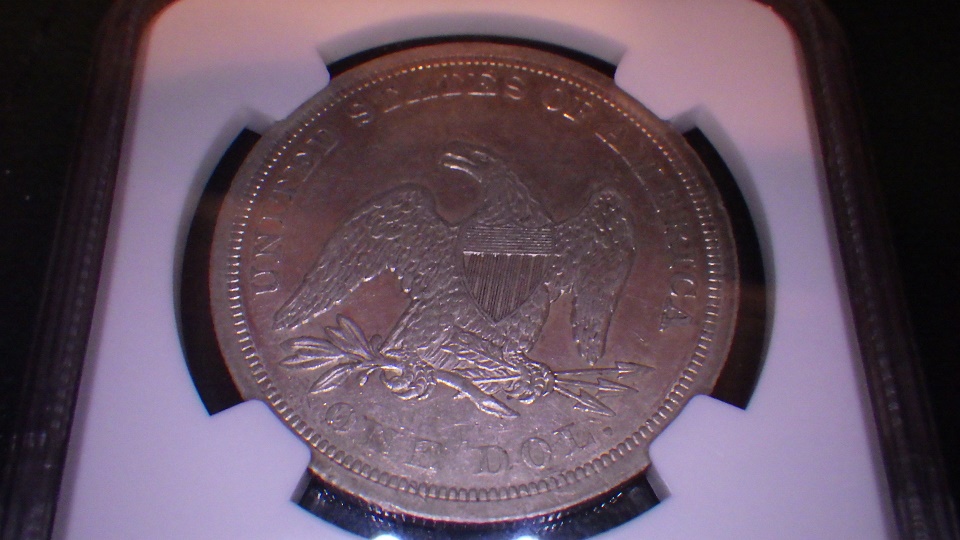
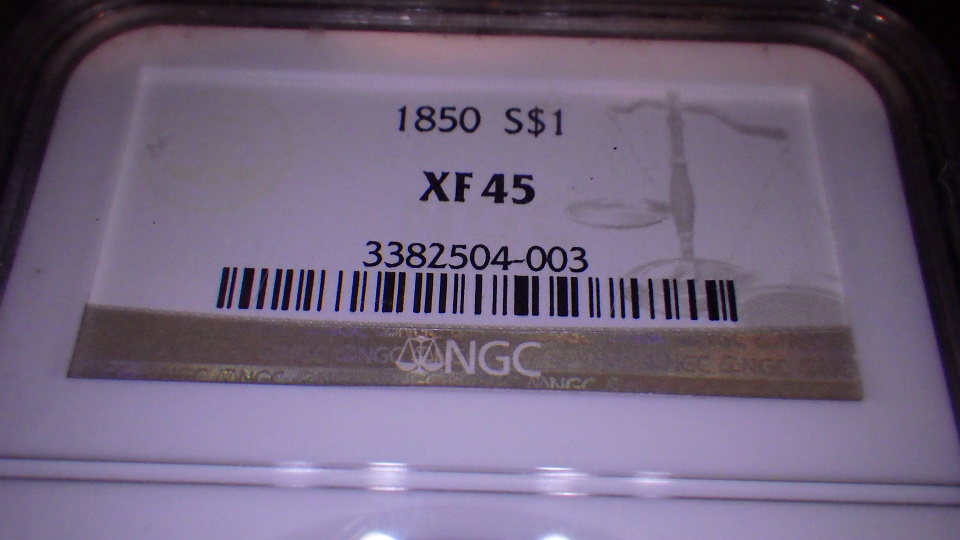
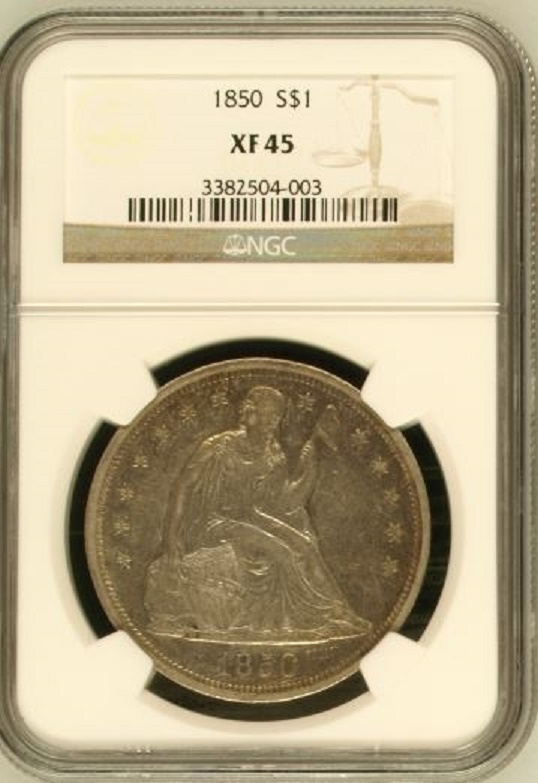
That 1850 Philly is a very scarce coin and in my opinion under-rated.
|
|
Pillar of the Community
United States
3479 Posts |
I agree Jim. The original example I found didn't come cheap at auction. The population reports for all sld's are greatly inflated due to crackouts and resubmissions. PCGS doesn't go out of their way to track them. They only net them down if the submitter sends the old cracked out holder back.
But why would a speculator who is money motivated spend money on postage to send back the old cracked out slab? Put simply they don't and could care less about accurate pop reports.
|
|
Bedrock of the Community
13014 Posts |
Quote:
PCGS doesn't go out of their way to track them. They only net them down if the submitter sends the old cracked out holder back. None of them do, nor should they if people won't return labels. I've said for years that population reports unless its a 1/0 or 2/0 type thing whatever it is you can basically be assured that the real number is lower. They're an estimate really and people need to use their eyes and see what is available when to estimate how inflated it really is |
|
Pillar of the Community
United States
4707 Posts |
Edited by jimbucks
10/09/2018 12:16 am
|
|
Pillar of the Community
Canada
1267 Posts |
Sharkman, if you are unsure about your grading skills and ability to determine old cleanings, might I suggest that you consider CAC stickered examples. You will pay a premium for them, but you get that back when it comes time to sell.
Market acceptable......hate that term.
What is market acceptable today may be frowned upon in the future, just as it was market acceptable 100 years ago to clean your collection.
Edited by hadleydog
10/09/2018 01:15 am
|
|
Bedrock of the Community
United States
20753 Posts |
The way I look at coin collecting is if you see a coin and like it, don't worry about if it was ever cleaned. As long as it was not harshly cleaned so it leaves all sorts of lines on it, why worry. If you like it, get it. Let someone in the future worry about it's past.
|
|
Page 3 of 3
|
Replies: 31 / Views: 5,237 |
Page 3 of 3
|








 First Page
 Previous Page


 Posted 10/06/2018 1:29 pm