| Author |
 Replies: 9 / Views: 1,034 Replies: 9 / Views: 1,034 |
|
|
New Member
United States
23 Posts |
|
|
|
|
Bedrock of the Community
United States
12477 Posts |
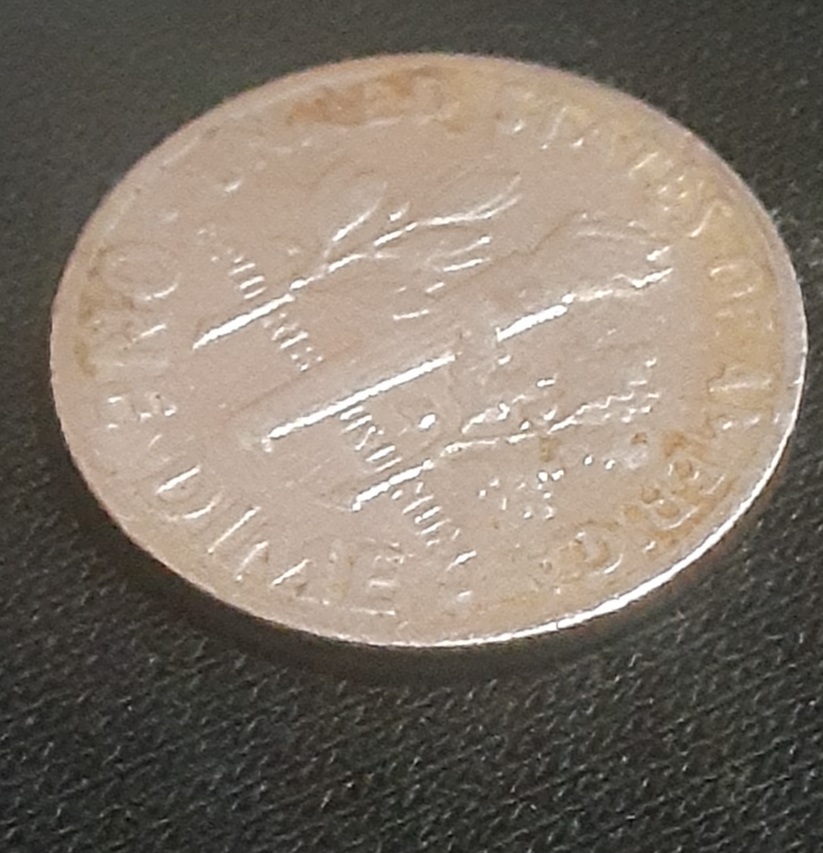
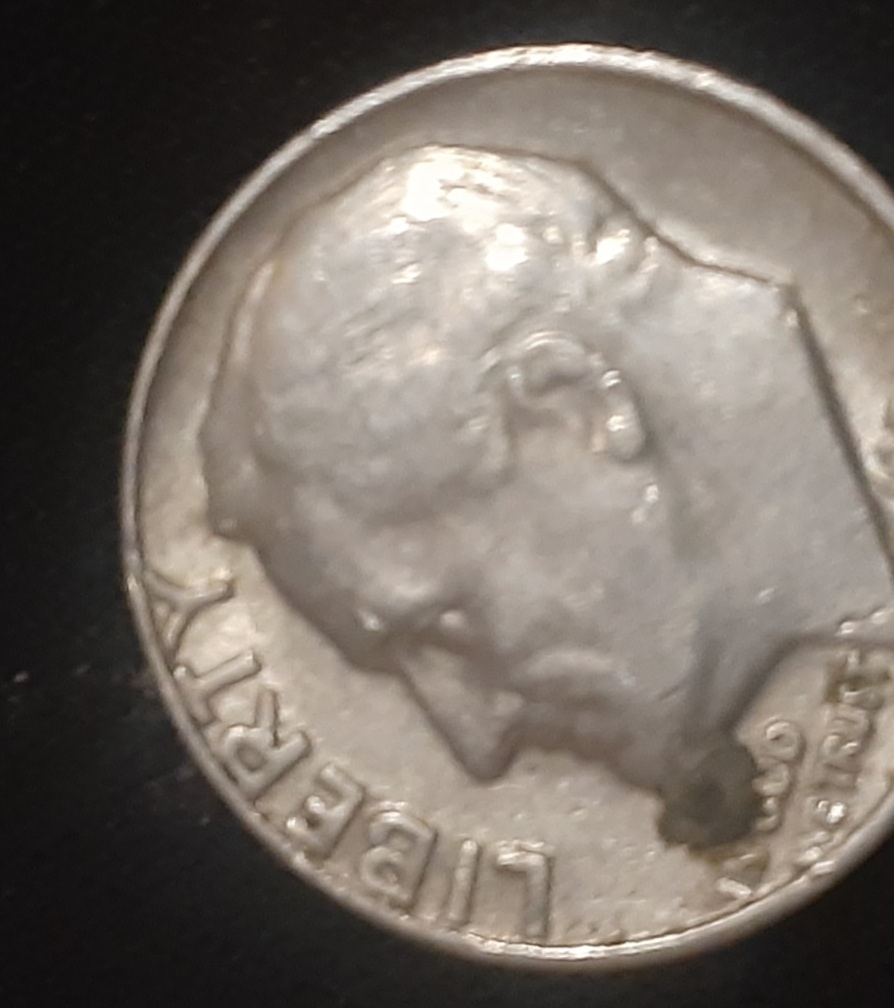
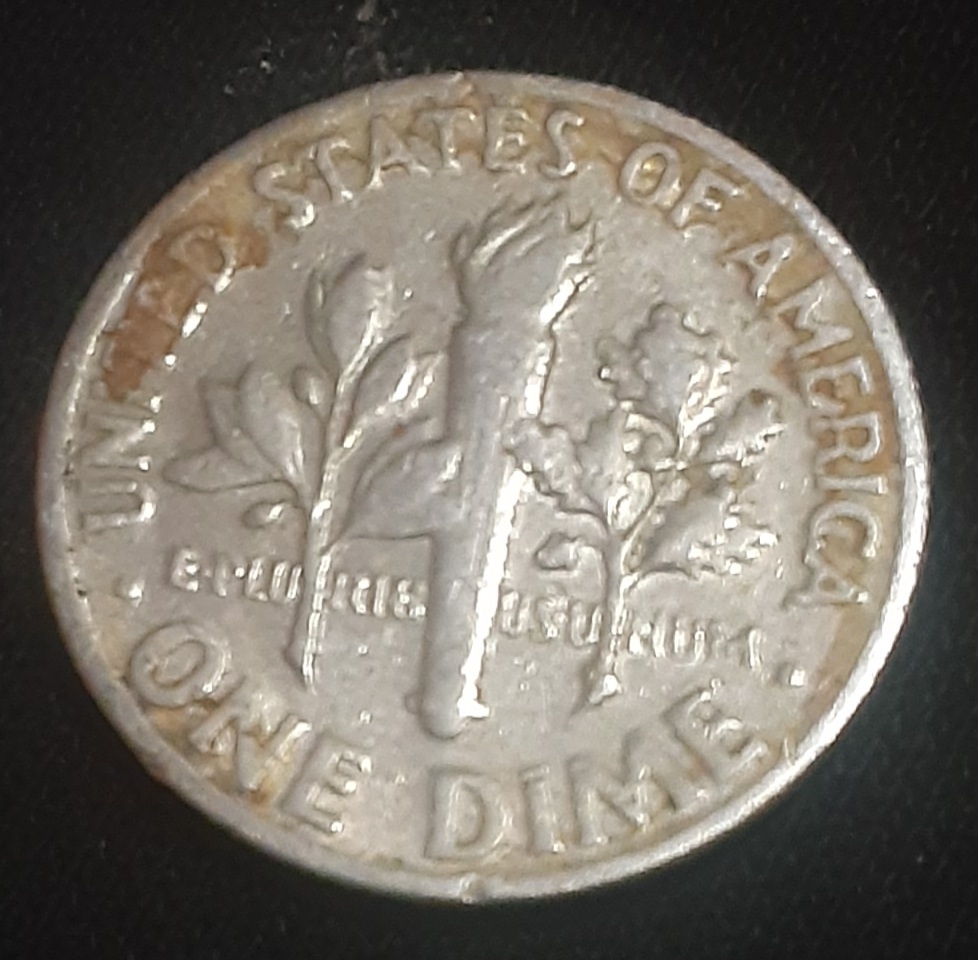
What year is this coin?
In Memory of Crazyb0 12-26-1951 to 7-27-2020
In Memory of Tootallious 3-31-1964 to 4-15-2020
In Memory of T-BOP 10-12-1949 to 1-19-2024
|
|
Bedrock of the Community
United States
10635 Posts |
With a proof coin, the quality of the strike usually can be seen in the fine features, such as FDR's hair lines and the roundness of his face on the obverse, then on the reverse, the deliquiate features of the leaves and the flame. These are things to look for, however, these things are not on your business strike coin, I am sorry to say.  |
|
Moderator
 United States
56855 Posts |
To answer your title question: by studying the minting process. Sorry for being so blunt. John1  |
|
Bedrock of the Community
United States
94367 Posts |
Enter "Proof v. Circulation Strikes" in the Search box above and read many past threads on this subject, including images.  to the CCF! |
|
Bedrock of the Community
United States
62064 Posts |
Well this ones not a proof coin. Typical business strike. Hiding the date/mintmark on purpose. I'm guessing the is a pre 1980 Philly coin someone is trying to pass off as a missing mintmark coin. But it a normal dime from Philly. So to play your game. 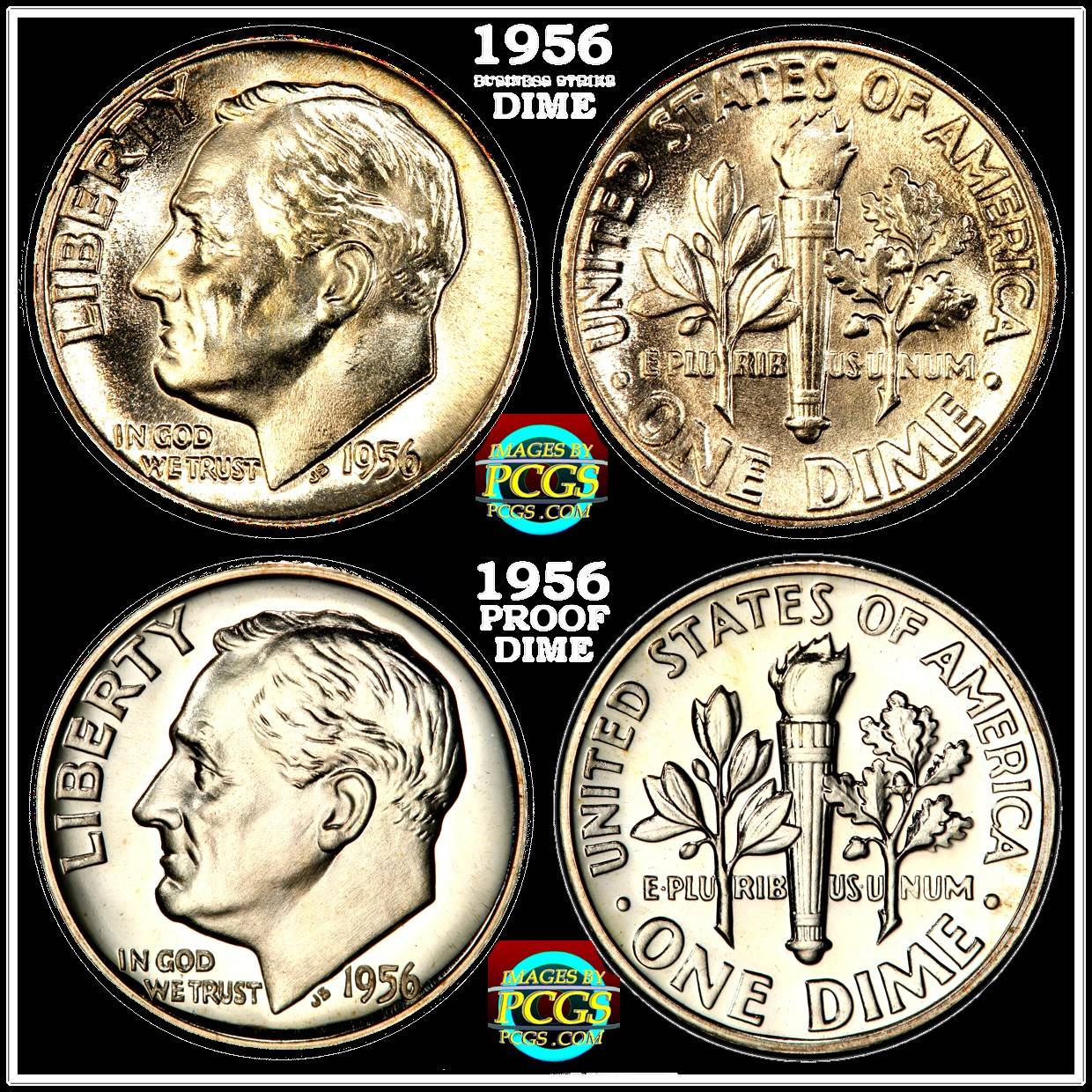 Note the rims on the Business strike and the proof dimes. Note the rims are stronger on the Proof coins? Proof coins are struck twice. So the rims look stronger. (They may use different collars also, but don't quote me on that) Strike a lot strong. (Proof dies are used to strike 3,000 coins. (6,000 strikes) So the fields are mirror like. Your coin is showing all evidence off being a normal business strike. |
|
New Member
 United States
23 Posts |
Thank you for the comments it was very helpful
|
|
Bedrock of the Community
Australia
21794 Posts |
For the modern collector Proofs have polished fields and cameo devices.
I like to collect proofs that were made before the time that Mints around the World started to market proof coins in their millions, for large scale profit.
These sorts of proofs, for the most part, do not have polished fields and cameo devices. They are identified by sharpness of detail to the extent that the difference between circulation coins and the proof equivalent is still reasonably obvious. Needless to say, such proof coins over 100 years old should be collected in 'as struck condition. All of them are very rare.
Also needless to say, I have less than five of such coins in my collection.
British proof sets of the 1800's are a good example.
|
|
Bedrock of the Community
United States
62064 Posts |
|
|
Moderator
United States
108751 Posts |
|
| |
Replies: 9 / Views: 1,034 |
|








 Posted 05/21/2021 03:15 am


