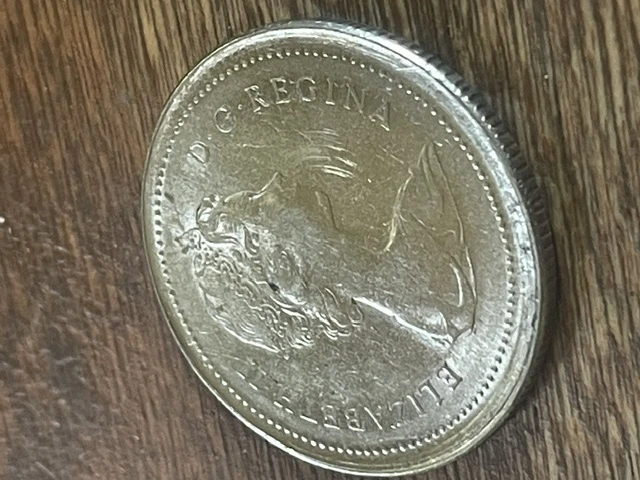
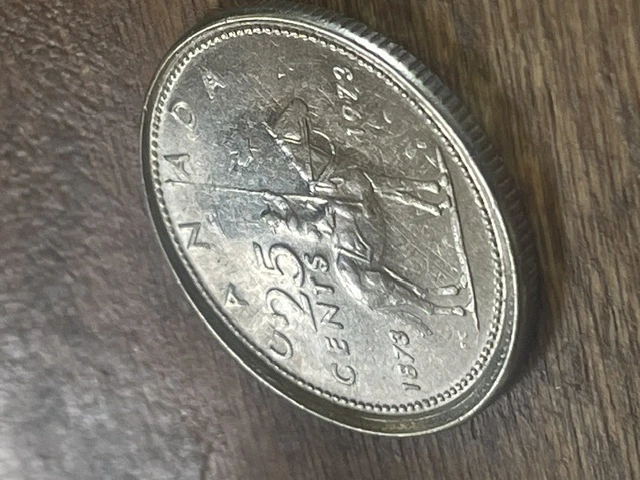
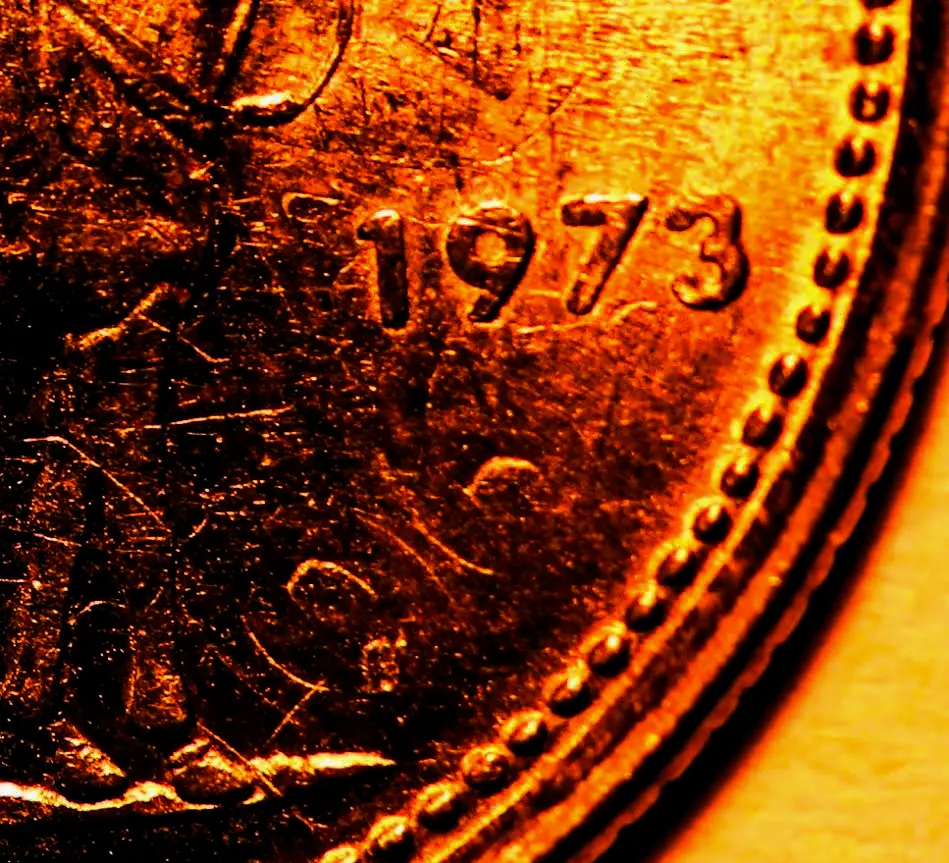
The weight is correct for a pure nickel 5 cents, and not for a pure nickel quarter. I would read the undertype date as either 1963 or 1965. I would agree it is a genuine overstruck coin; the quetion only remains as to exactly how it might have come about this way.
A finished coin can't simply "become lodged somewhere" in the coin presses such a way as to just "fall out" a decade later and happen to get struck again. What happened must have been somewhat more mundane: a finished 5 cent coin somehow got tossed into the blank hopper for quarters. Having that coin just sitting around on the mint factory floor for a decade before someone picked it up and tossed it into a hopper also seems improbable. Having someone surreptitiously slip a normal 5 cent coin into the hopper of blank quarters just for funsies also seems improbable. "Mint sport" also seems equally improbable to me, given the difficulty of retrieving such a coin from the coin stream after it was struck.
I am at a loss to find any other "most probable explanation" - apart from "It's a fake". And a counterfeiter making a realistic-looking pair of dies for a 1973 quarter and then using those dies to strike over the top of 5 cent pieces to make a net 20 cent profit per fake coin, seems even less probable. A counterfeiter making coins for circulation wouldn't have used the 1973 design for their fakes, since the whole point of counterfeits is to avoid too-close scrutiny, and 1973 quarters usually receive a lot of scrutiny due to their commemorative nature.
So it seems that the "best explanation" we have is that, somehow, someone brought a normal 5 cent piece into the blank preparation area, then that coin somehow fell into the batch of 25 cent blanks being prepared, and thus this coin was struck. An unsatisfactory explanation, due to all those magic-looking "somehows" in there.
Don't say "infinitely" when you mean "very"; otherwise, you'll have no word left when you want to talk about something really infinite. - C. S. Lewis










 Posted Yesterday 4:46 pm





