| Author |
 Replies: 6 / Views: 1,005 Replies: 6 / Views: 1,005 |
|
|
No longer with us
United States
207 Posts |
Someone please explain to me overdates with some pics. Thanks.  |
|
|
|
Valued Member
United States
189 Posts |
This is an 1806 over 5 half dollar. 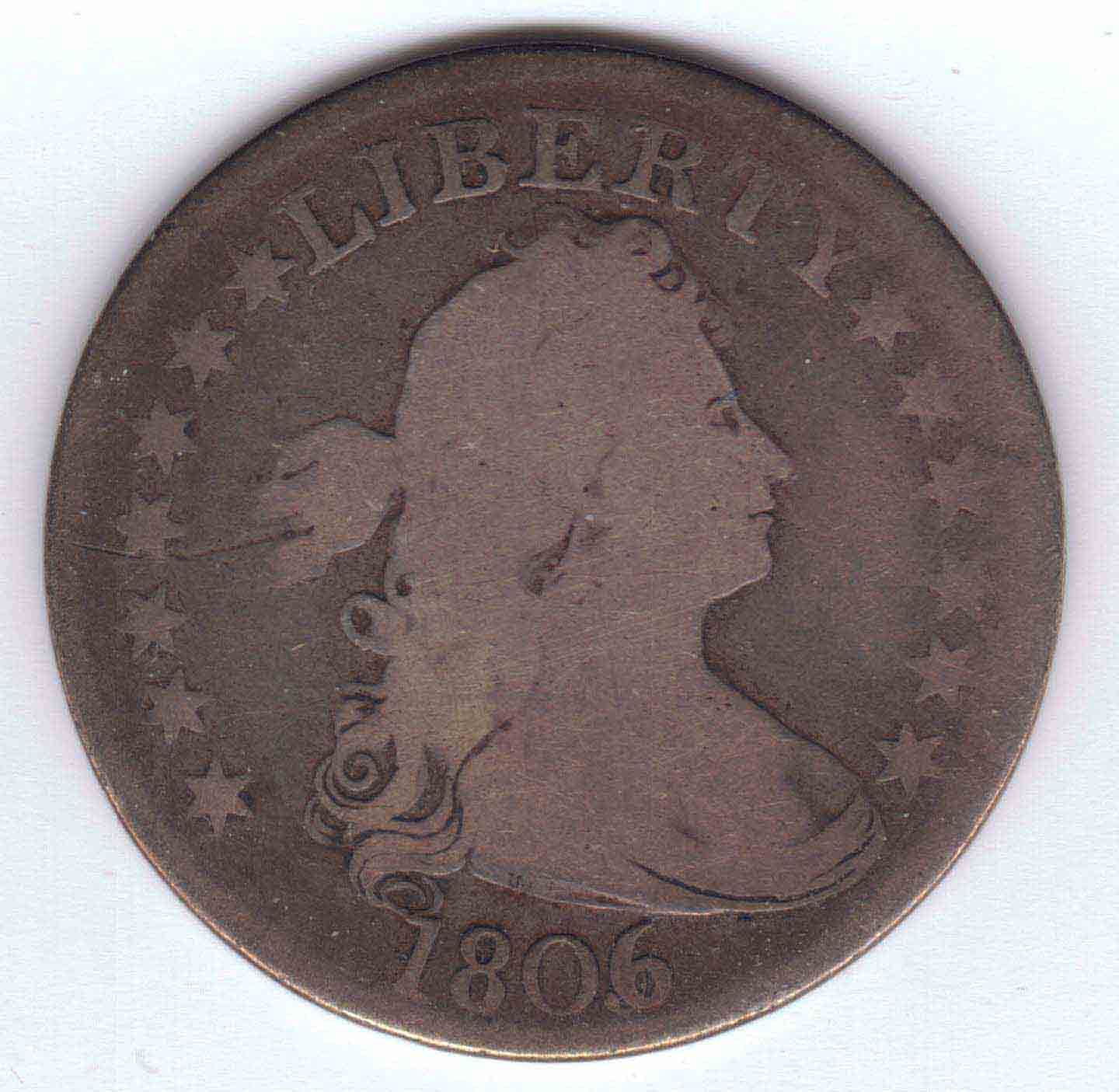 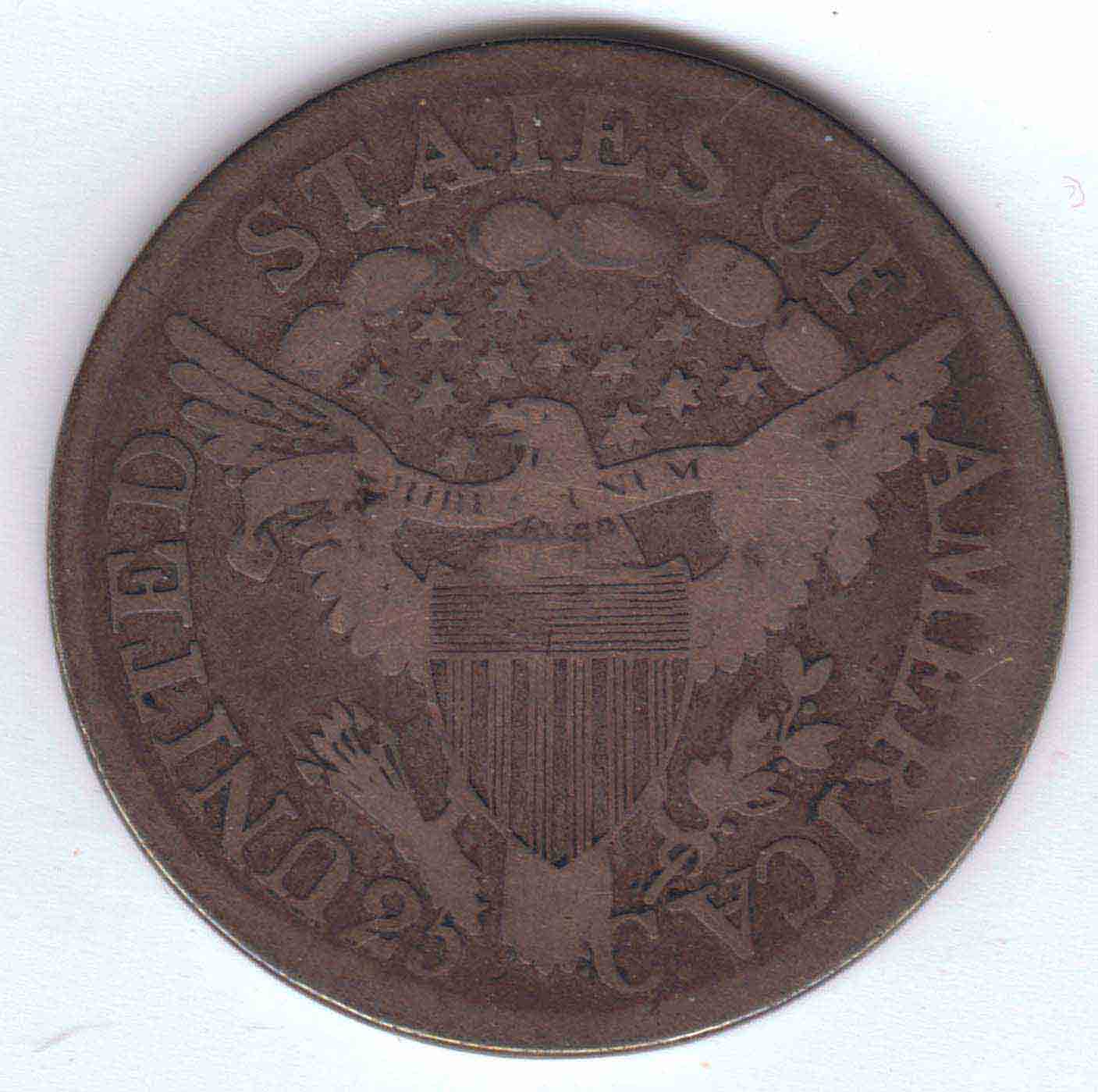 |
|
Pillar of the Community
United States
1130 Posts |
When the mint starts making coins for the current year, they may have leftover materials from the year before. Sometimes, they simply repunch the current date over the old one. Here is an example of an 8 over a 7.  |
|
Valued Member
United States
161 Posts |
1899,
Basically, overdates exist for two reasons:
1. They were created intentionally.
2. They were created accidentally.
In both cases it is the DIE that is overdated and all coins struck with that die will be overdated.
In the examples above, the dies were engraved by hand...a very labor intensive process and time consuming. Therefore, when possible, dies of previous years were re-used by re-engraving the date on the die.
In the twentieth century dies were created by impressing them with a hubbing die. It took more than one impression from a hub to create the full image in the die. So, if the second hubbing was accidentally done with a different date from the first, the die would be overdated.
Examples would be the 1918/7 nickel and quarter, and the 1942/1 dime.
Hope this helps.
Steve
|
|
Pillar of the Community
United States
2177 Posts |
Nice pics!  |
|
Bedrock of the Community
United States
17884 Posts |
quote:
In the examples above, the dies were engraved by hand...a very labor intensive process and time consuming. Therefore, when possible, dies of previous years were re-used by re-engraving the date on the die.
Not quite. Left over dies which had been dated and not hardened were overdated, hardened, and then used. Dies from the previous year which had already been used in production or hardened were NOT overdated. The reason was that hardened die could not be punched or engraved to create the overdate. In order to do so the die would have had o be re-softened, engraved, and then re-hardened. The hardening process was very destructive to the die and many dies failed during hardening. So if you had a perfectly god die but with the wrong date, they were much more likely to just use it rather than risk it failing on re-hardening. In the case of dies that had already been used to strike coins, the use of the die often created internal stresses which made the die even more likely not to survive the annealing and re-hardening process Only three or four dies were ever used, altered and then reused. In every case the die quickly failed in it's reuse pairing. |
|
Pillar of the Community
United States
1130 Posts |
Very interesting. This board is just brimming with info.
|
| |
Replies: 6 / Views: 1,005 |
|









 Posted 01/04/2008 5:44 pm


