| Author |
 Replies: 716 / Views: 131,244 Replies: 716 / Views: 131,244 |
|
|
|
Pillar of the Community
 India
1996 Posts |
|
|
Pillar of the Community
India
1996 Posts |
|
|
Pillar of the Community
India
1996 Posts |
|
|
Pillar of the Community
India
1996 Posts |
|
|
Pillar of the Community
India
1996 Posts |
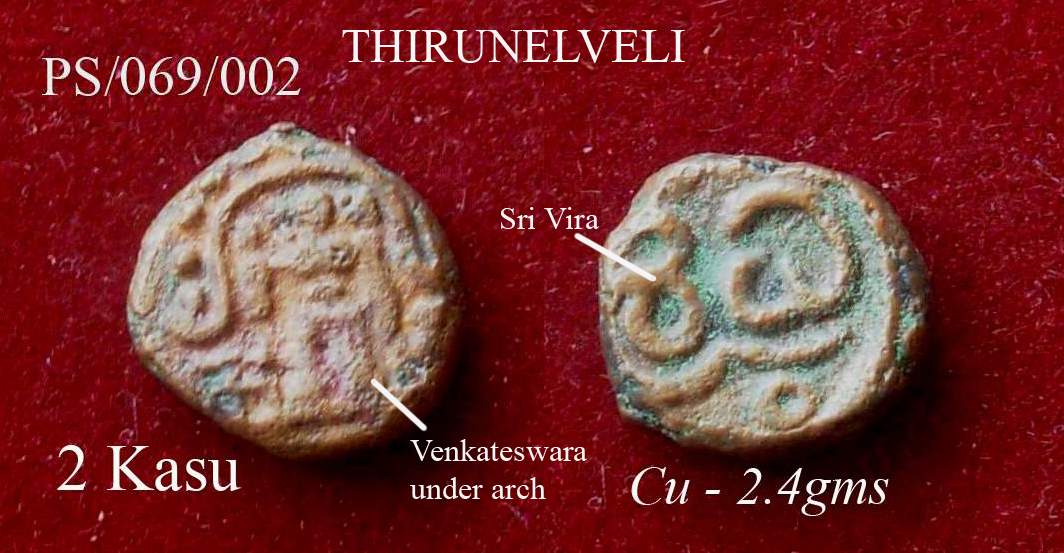
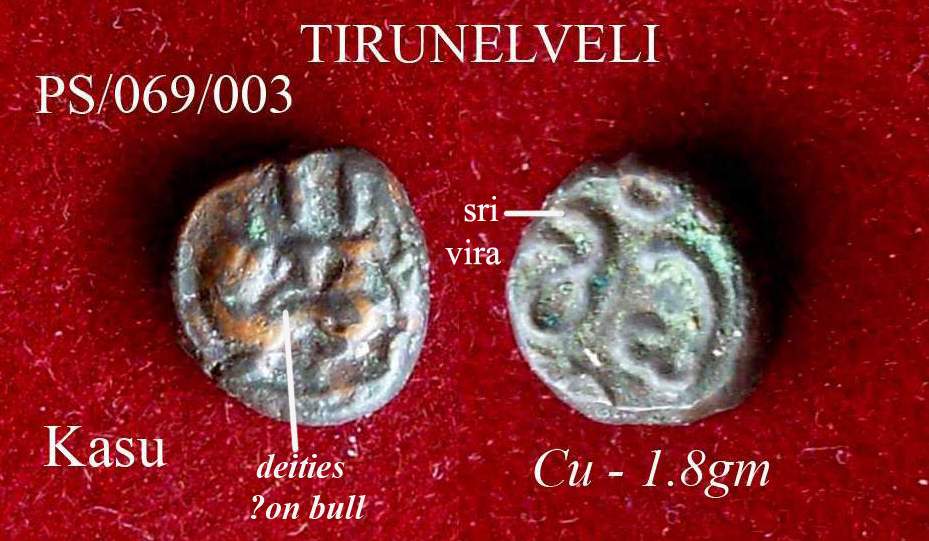
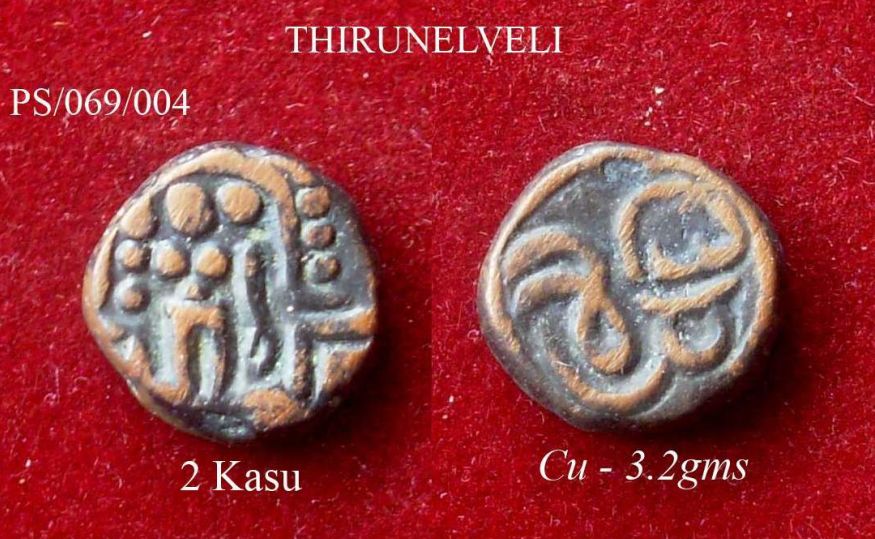
Nayakas of TirunelveliTirunelveli is located about 100 Kms to the North of the Southern tip of India. Nayakas came to power with the decline of the Vijayanagara Empire in the sixteenth century. The area went under British rule in the eighteenth century. 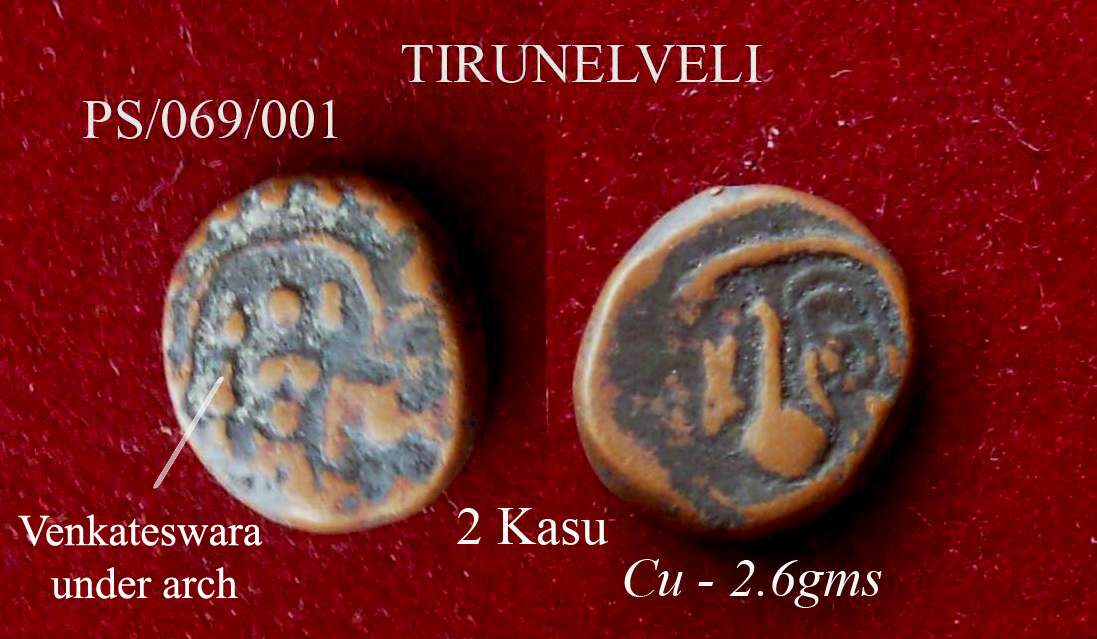
|
|
Pillar of the Community
India
1996 Posts |
|
|
Pillar of the Community
India
1996 Posts |
|
|
Pillar of the Community
India
1996 Posts |
|
|
Pillar of the Community
India
1996 Posts |
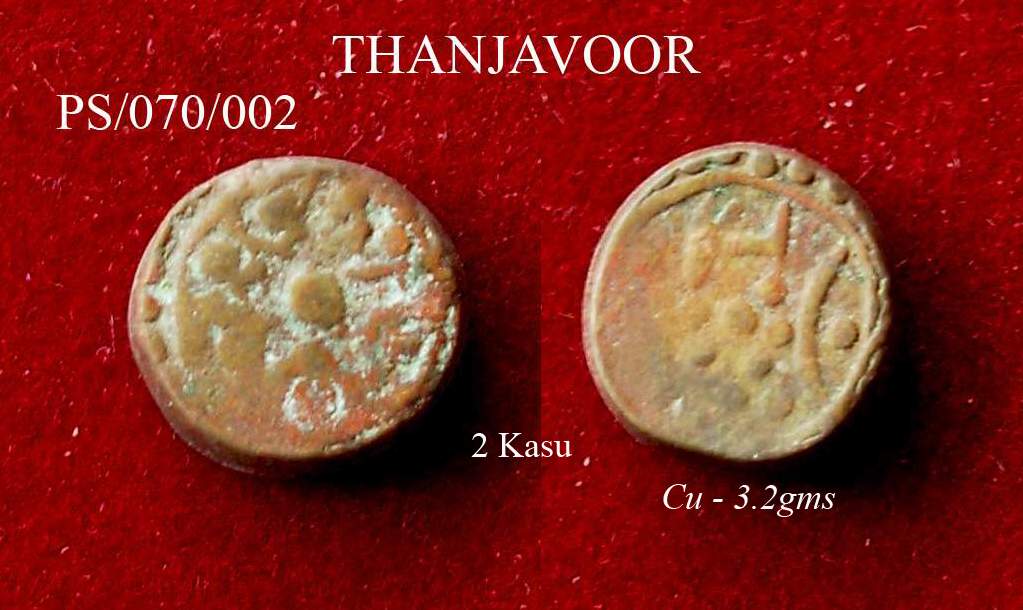
THANJAVOORSituated about 375 Kms to the North of the Southern tip of India and about eighty Kms to the West of its Eastern sea coast. This small state came to exist after the downfall of Vijayanagara Empire. It fell to Madura and to Marathas in the late seventeenth century. It came under British rule in the later half of the nineteenth century and now is a district in the state of Tamil Nadu. These coins have not so far been studied in detail. South Indian Numismatic Society is doing some efforts in this direction. Attributions are likely to change when they are better understood. 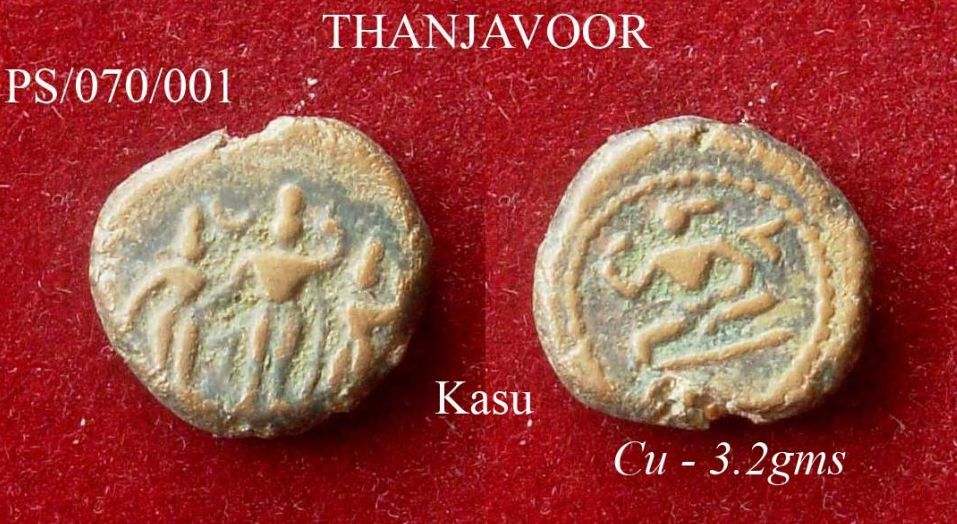
|
|
Pillar of the Community
India
1996 Posts |
|
|
Moderator
 United States
34558 Posts |
@drnsreedhar, thanks for continuing to post these.
I'm wondering about these last two coins that you have posted. At least to my uneducated eyes, there is nothing similar between them other than overall shape, mass, and material of construction. Typically, I would expect that there would at least be some small design characteristics that were similar between two denominations of the same issuing mint. Any thoughts why this is not the case for the 1 and 2 Kasu of Thanjavoor?
"If you climb a good tree, you get a push."
-----Ghanaian proverb
"The danger we all now face is distinguishing between what is authentic and what is performed."
-----King Adz
|
|
Pillar of the Community
India
1996 Posts |
Thanks Spence for the post.
Coin ID No.PS/70/001 is of the Nayaka period where the pattern is typically South Indian. On one side there is a sitting deity probably Shiva and on the other side three deities most likely Karthikeya with his two wives (because Tamil Nadu extensively worships Karthikeya as "Muruka" and Murukan temples are there profusely across the state. Most prominent among them are Palani, Thiruchendur and Thiruppuramkundram).
Coin ID No.PS/70/002 belongs to the Maratha occupation of Thanjavoor between 1674 and 1799.AD.These coins are locally known as "Tanjavoor Maratha coins". They do not have any South Indian or rather Tamil characteristics. So the designs look entirely different.
|
|
Pillar of the Community
India
1996 Posts |
Please see the following coin also. This is Thanjavoor Maratha coin of a lesser weight and denomination. 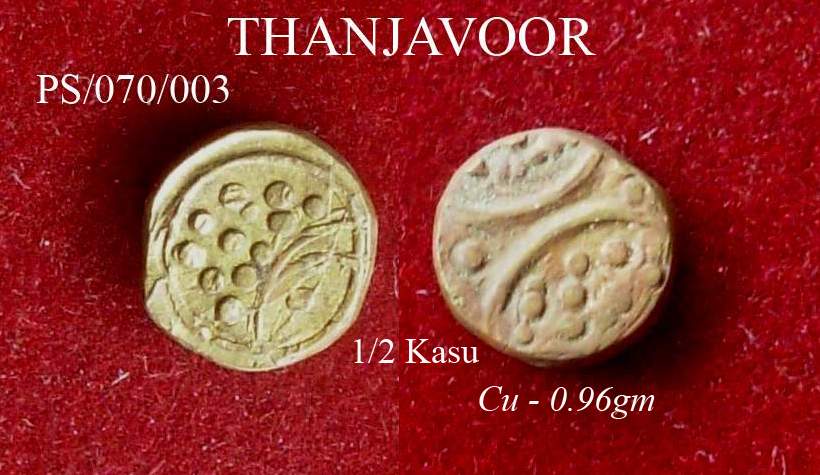 |
|
Moderator
United States
34558 Posts |
Ok yes I understand. As the Nayak period lasted for a very long time, is it safe to say that ps/70/001 is likely older than the ones from the Martha occupation?
"If you climb a good tree, you get a push."
-----Ghanaian proverb
"The danger we all now face is distinguishing between what is authentic and what is performed."
-----King Adz
|
|
Pillar of the Community
India
1996 Posts |
Yes. There is a group of coins of Tamil Nadu and Kerala regions that share similar features. It is very difficult to recognise their locality from one another. There are some "Ramanad" coins, "Sivaganga" coins etc. They are contemporary with the Nayaka coins. Thanjavoor Maratha coins came later and was localised to the Thanjavoor region.They had their stand alone style too. Possibly, some local chieftains also have issued such coins either with authority or otherwise.
|
| |
Replies: 716 / Views: 131,244 |







 First Page
 Previous Page



 Posted 10/03/2016 2:51 pm