| Author |
 Replies: 7 / Views: 1,000 Replies: 7 / Views: 1,000 |
|
|
Pillar of the Community
United States
1008 Posts |
|
|
|
|
Bedrock of the Community
United States
62064 Posts |
Well this step back and see what is different? 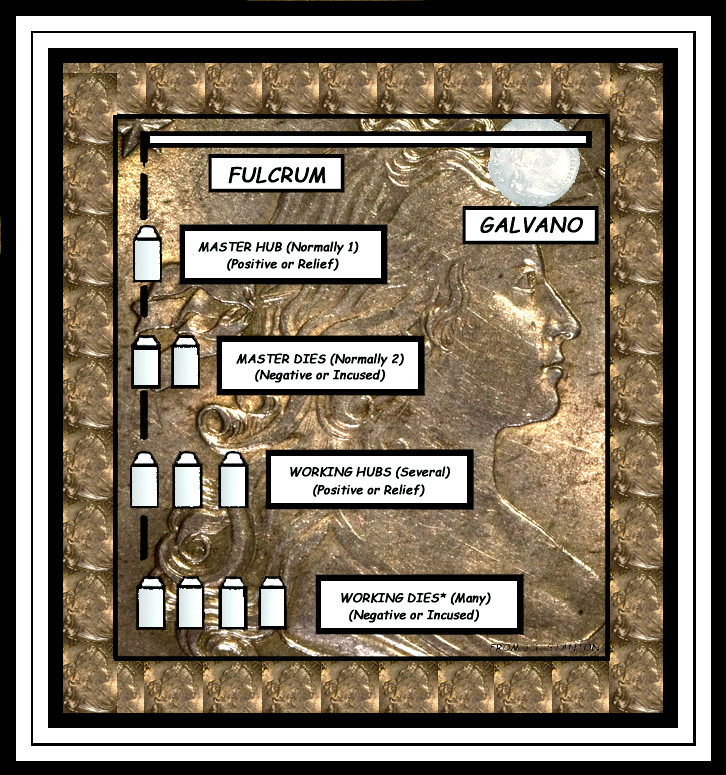 Note the 4 sections mentioned image? You have the Master hub. This one is used to create the master die. (Only one Made) This is a positive. (Meaning the design looks like a cent.) Then you have the Master Die. There are only two of these made most of the time) So the design of the master hub with that year and now mintmarks on them created. These are a negative. (The negative is received from the master hub, and the master die is used to make working hubs) Then note the working hubs that create the dies. (again this is a positive as it is passed down the line. like the design of cents) From these they create working dies. The working dies are a negative to create positive coins. So look back up to the listing of a master die, remember only two are made. So if on two are created, 50% of the coin will have the doubling that is on the master die transferred down the line to the working hub, then the working dies. So if there are that many of MDD created of 50%, then there will be no premium for these as they are very common. This happen in 1972 also. But in this case though with the 2017-P, the MDD may apply to only the Philly coins. The other mints may have escaped this issue. (Not sure if that is the case or not, just a passing thought) But that is why Wexler mentioned this on his site. They would be common and on several different dies. |
|
Pillar of the Community
 United States
1008 Posts |
Ok, this makes sense except for the working die part. Wexler lists it as Doubled Working Hubs. Does that mean about 75% of Philly pennies will have this doubling?
Edited by CoinHunter17
07/06/2020 3:26 pm
|
|
Bedrock of the Community
United States
62064 Posts |
Master die doubling can affect 50% of the coins as they usually only make two Master dies.
Working hubs are made from the master die. If something happens wrong from the transfer, then the errant hub could create 'X' amount of dies from the doubled working hub. So depend on how many working dies were created off the errant working hub, then those could be examples that are not considered a doubled die, but errant working dies from the errant working hub. So If one in 10 Working hubs were affected, then 10% of the coins could be affected. It just depends on the how many hubs were affected, and how many working dies were affected. So basically the number of the affected coins go up as more dies are created. One die could strike 1 million coins. If 6 hub doubled working dies were created from that hub, the 1 million could be 6 million. So they would be considered common. Its all math without knowing how many 'X' is. When these event happen it lowers the value of the doubled working hub coins produced.
|
|
Pillar of the Community
United States
1008 Posts |
Great information Coop. Thanks for teaching me yet again.   |
|
Pillar of the Community
United States
1008 Posts |
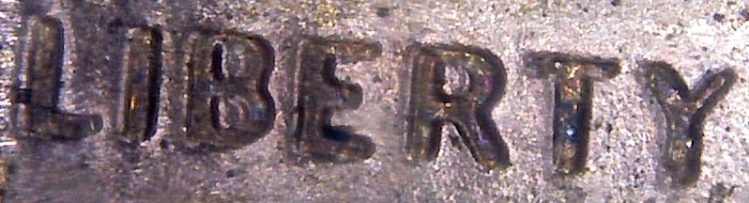
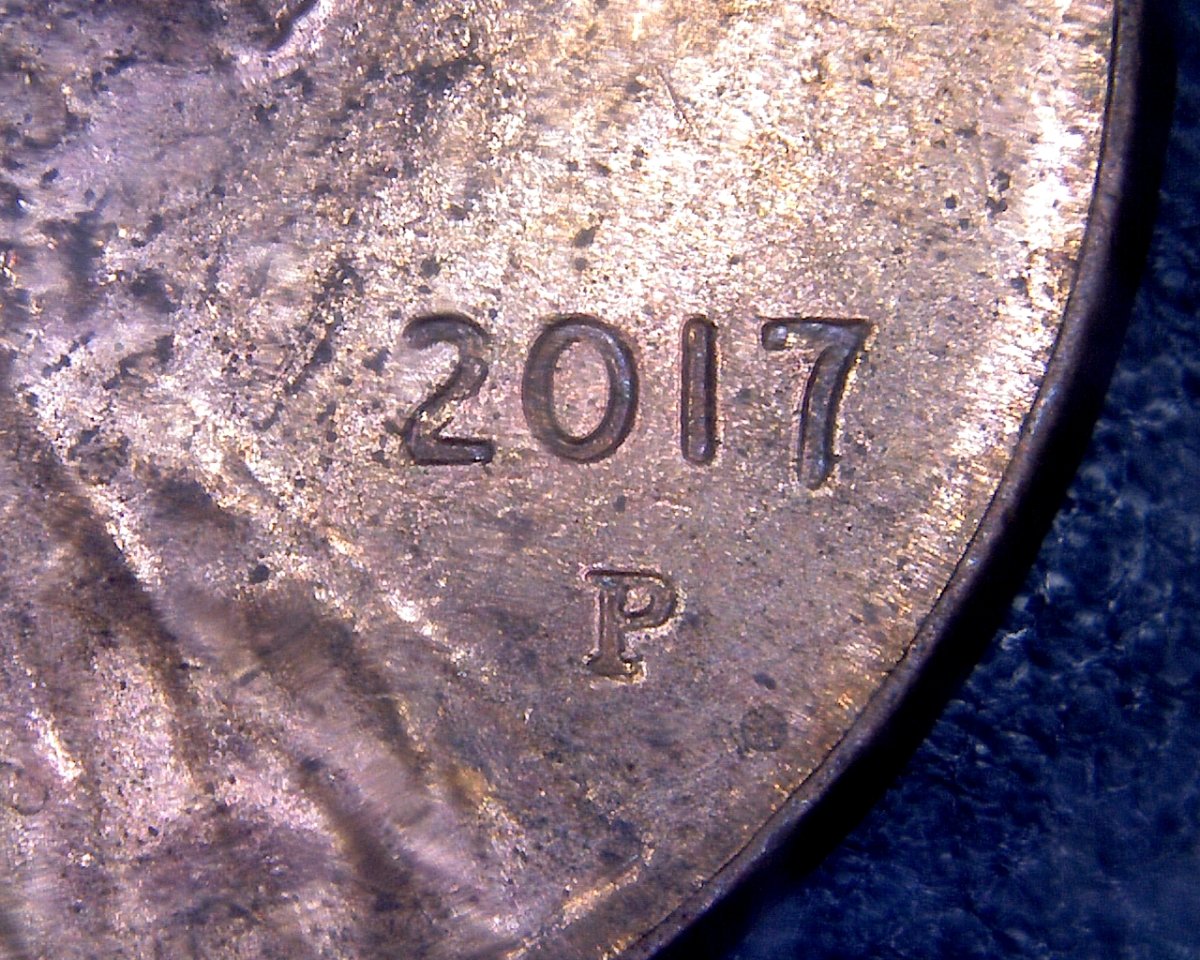
One more thing, how can I tell the difference between the DD and the Doubled Working Hub on a coin?
Edited by CoinHunter17
07/07/2020 09:35 am
|
|
Bedrock of the Community
United States
10635 Posts |
coop is CFF's very own National Treasure!  |
|
Pillar of the Community
United States
600 Posts |
Ohhhhh...that's how it works.  Thanks! |
| |
Replies: 7 / Views: 1,000 |
|









 Posted 07/05/2020 4:59 pm


