| Author |
 Replies: 16 / Views: 847 Replies: 16 / Views: 847 |
|
Press Manager
 United States
1420 Posts |
NGC - Whether ugly green residues or hazy films, NGC's professional conservators can take on blemishes affecting a coin's surface.When coins are stored in improper conditions, they often end up with PVC residue or other unsightly and harmful contaminants blemishing the surfaces. Fortunately, NGC Conservation is here to help. NGC's conservationists use a variety of proprietary techniques to remove these harmful surface contaminants, stabilizing and protecting a coin's surfaces. Often, these conservation efforts also improve a coin's eye appeal. After coins are conserved, they are seamlessly transferred for NGC grading and encapsulation. This month, NGC's conservationists encountered some coins that had particularly nasty residues forming on them, causing blemishes and obscuring the coins' surfaces. Here are a few highlights of the coins that were conserved by NGC Conservation in recent weeks: Argentina 1852 Cordoba 8 RealesResidues often form when coins are kept in poor storage conditions. Some of these residues appear worse than others — take this large silver Argentina 1852 Cordoba 8 Reales for example. This coin was recently submitted for conservation to address an exceptionally heavy green residue that had completely covered one side. Conservators at NGC were able to safely remove this exceedingly thick residue using carefully developed techniques, all without harming the coin's surface underneath. After an extensive conservation effort, this silver piece was freed from its green prison and graded with NGC as Details, due to initials carved into the field below the tower. 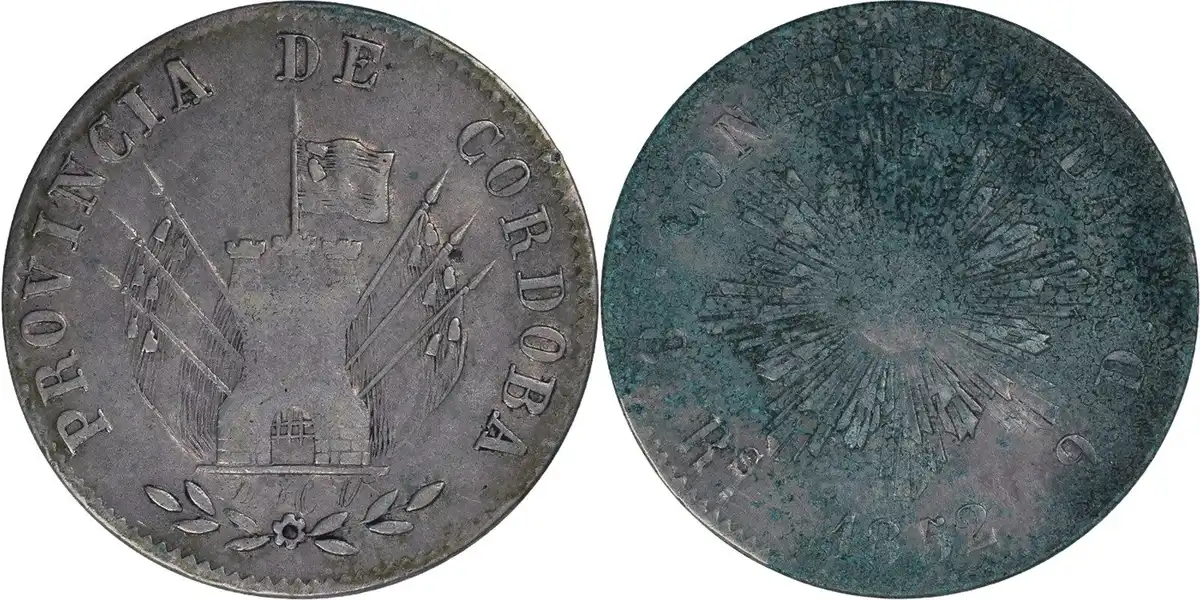 Argentina 1852 Cordoba 8 Reales Before conservation Argentina 1852 Cordoba 8 Reales Before conservation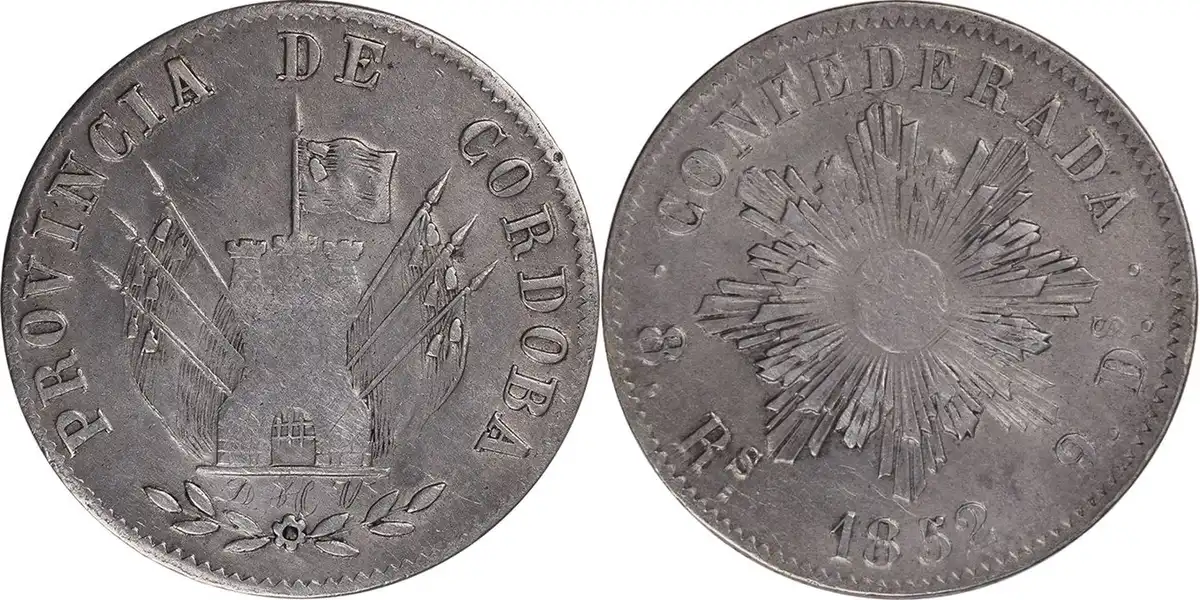 Argentina 1852 Cordoba 8 Reales After conservation1964 Kennedy Half Dollar Proof Argentina 1852 Cordoba 8 Reales After conservation1964 Kennedy Half Dollar ProofEven modern coin issues can develop residues, such as hazing. This Proof silver 1964 Kennedy half dollar was submitted to NGC Conservation to remove a heavy hazing residue that had developed in the fields, particularly toward the rims. Residues such as this often form when coins are stored while still exposed to the air. Once the offending residue was carefully removed, this Proof coin was able to grade well with NGC. 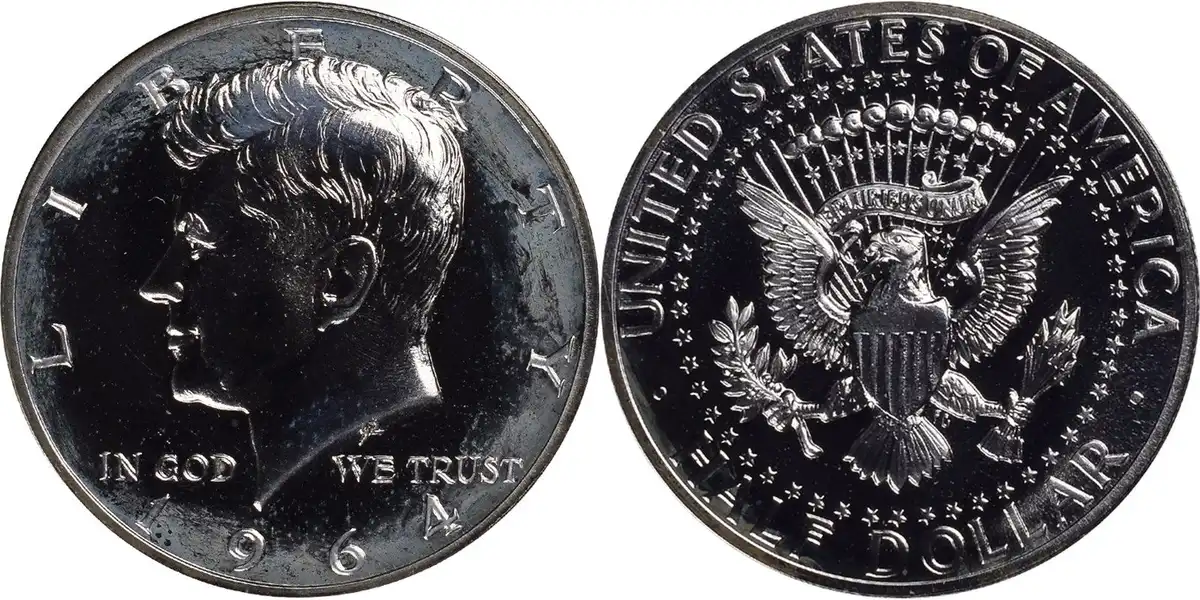 1964 Kennedy half dollar Before conservation 1964 Kennedy half dollar Before conservation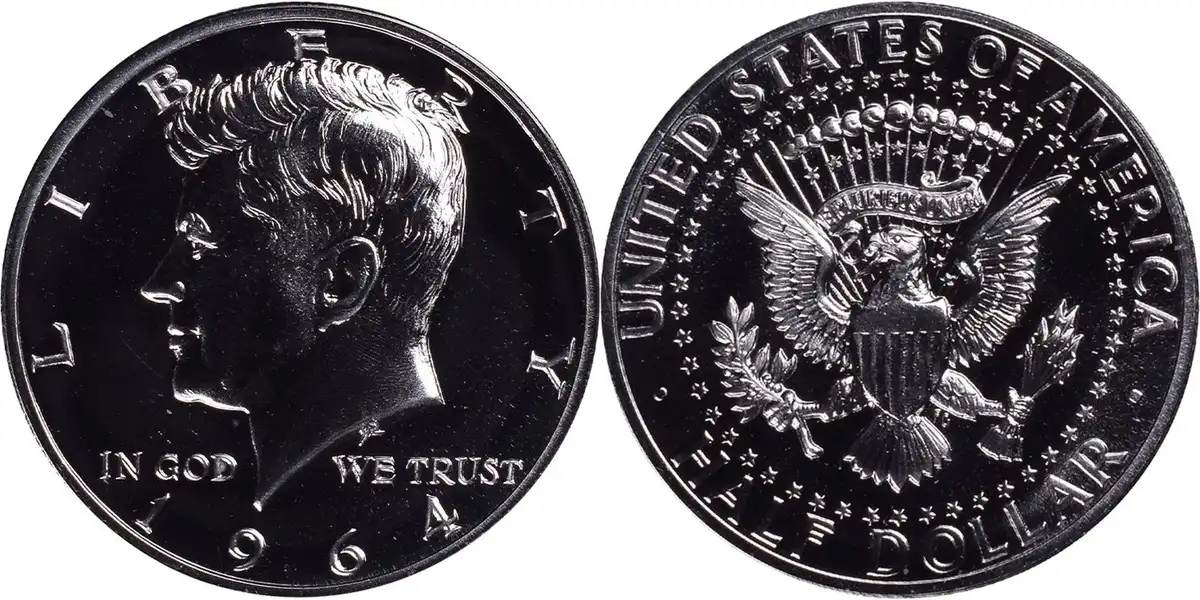 1964 Kennedy half dollar After conservationSouth Africa 1939 2 Shillings 1964 Kennedy half dollar After conservationSouth Africa 1939 2 ShillingsEven circulated coins can develop residues when stored in less-than-ideal conditions. This silver South Africa 1939 2 Shillings arrived with the request to remove a hazy residue that had formed in a uniform fashion across both sides. Removal of residues such as these is a process that NGC's conservators are well-versed in performing. Following conservation, this coin was able to grade well with NGC. 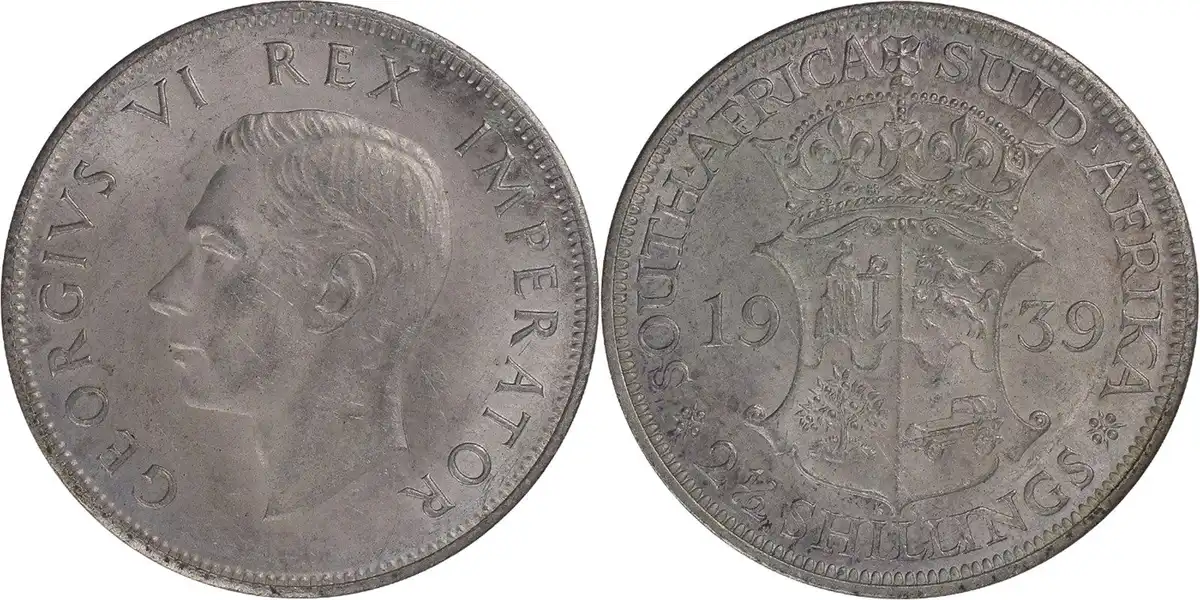 South Africa 1939 2 Shillings Before conservation South Africa 1939 2 Shillings Before conservation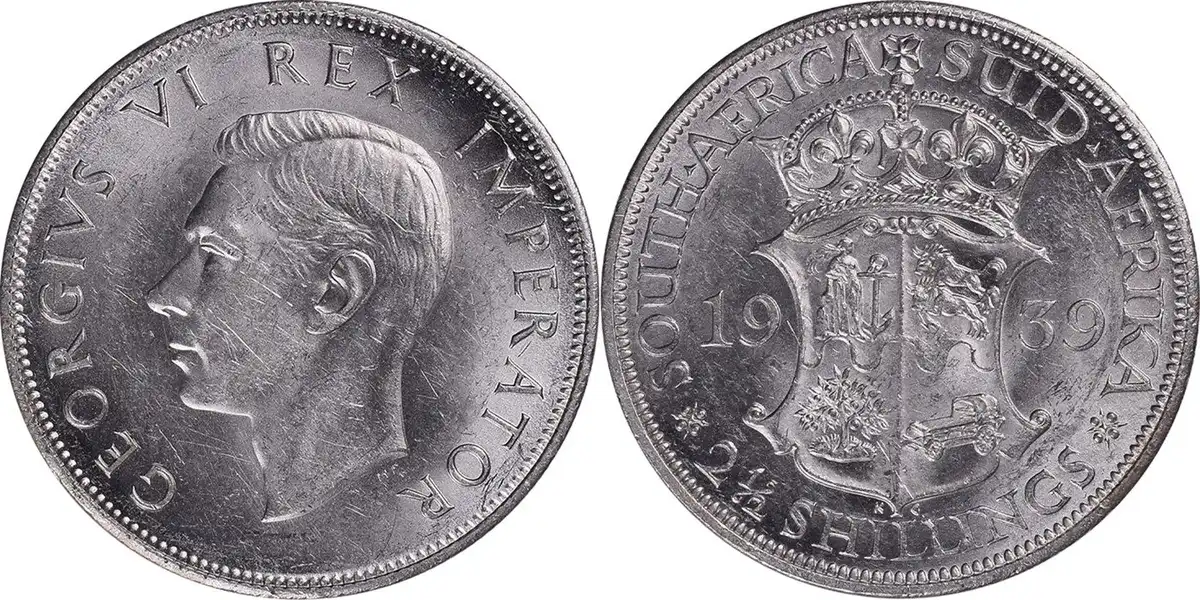 South Africa 1939 2 Shillings After conservation South Africa 1939 2 Shillings After conservation
|
|
|
|
Moderator
United States
194504 Posts |
Impressive work.  |
|
Bedrock of the Community
United States
19511 Posts |
Remarkable improvements, yes.
|
|
Pillar of the Community
 United States
6879 Posts |
I wonder if doing the conservation work themselves makes NGC more amenable to straight grade the coin.
|
|
Pillar of the Community
United States
7381 Posts |
Everytime I see a coin conserved I always think . When I conserve a coin it's cleaned when a TPG conserves a coins it's a higher grade :) The examples above were well done. |
|
Pillar of the Community
Canada
5416 Posts |
If you know your stuff and have some basic knowledge
of chemistry , results such as above are easily attainable
at a huge cost saving to yourself . The grading services
Charge crazy money for what you yourself can do for a very Minor cost .
Coin A . Since the reverse crud was obviously soft and not hard ,
was restored using acetone soak , then reconditioned with Coin
Care or a similar product .
Coin B .. This piece was probably given a very quick swirl in a mix
of Sudsy Ammonia and warm water .Then quickly rinsed with very Cold water . This is the go to fix for minor hazing on US 90 per cent silver Proof coins .
Coin 3 . This result is easily attained using first a light acetone soak to check for active PVC , then after it dries applying MS70 .
Edited by Pacificoin
06/24/2026 9:51 pm
|
|
Pillar of the Community
United States
6879 Posts |
I thought that MS70 is immediately noticeable by TPGs and will earn a Details grade?
|
|
Pillar of the Community
Canada
5416 Posts |
Hardly, if you use it right !
|
|
Pillar of the Community
United States
7267 Posts |
Quote:
This piece was probably given a very quick swirl in a mix
of Sudsy Ammonia and warm water @ Pacificoin and would that mix be 50/50? Please share. I have a few good examples to try it out on. Thanks |
|
Pillar of the Community
United Kingdom
2139 Posts |
What is MS70?
I thought was a grade.
|
|
Moderator
Australia
16962 Posts |
Don't say "infinitely" when you mean "very"; otherwise, you'll have no word left when you want to talk about something really infinite. - C. S. Lewis
|
|
Moderator
Australia
16962 Posts |
MS70 is a water-based caustic cleaner. It's primary ingredients (besides water) are potassium hydroxide (a strong alkali, designed to dissolve corrosion without dissolving metal or reacting with metal oxides or sulfides - so it dissolves the green stuff but leans toning and tarnish alone) and 2-butoxyethanol, which acts as a degreaser (removing PVC goo, fingerprints and the like - in effect, a slightly weaker version of acetone that's less volatile and less flammable). Quote:
I thought that MS70 is immediately noticeable by TPGs and will earn a Details grade? Assuming you've used it properly and rinsed the coin off after treatment, there's nothing in MS70 "to leave behind". Unlike verdi-care, MS70 is not intended to leave behind an invisible coating. 2-Butoxyethanol will degrade into volatiles and evaporate after a few days in open air, so as long as you wait a couple days before sealing the coin up and shipping it off, I can't see it being "detectable" by 21st century science. Now, if the original corrosion was bad enough that the underlying coin was pitted or otherwise damaged, and MS70 removed the corrosion that was hiding the damage, a TPG should be able to see that damage and give your coin a details grade. But that's not the fault of the MS70; the coin was already damaged before the treatment, the treatment merely let everybody see the damage. Don't say "infinitely" when you mean "very"; otherwise, you'll have no word left when you want to talk about something really infinite. - C. S. Lewis
|
|
Moderator
United States
194504 Posts |
Excellent explanation, Sap.  |
|
Pillar of the Community
United States
3456 Posts |
|
|
Pillar of the Community
United States
1851 Posts |
100% agree with @Pacificoin. These 3 can be done at home.
As for MS-70, it's a quick dip and immediate rinse. Try these on less valuable coins first and it does not always work for difficult spots.
|
|
Valued Member
United States
87 Posts |
Quote:
I wonder if doing the conservation work themselves makes NGC more amenable to straight grade the coin. Quote: Everytime I see a coin conserved I always think . When I conserve a coin it's cleaned when a TPG conserves a coins it's a higher grade That's the racket. While what they're doing here might appear magical to the totally uninitiated, it's super trivial basic junior high school chemistry that most anyone could do competently... the catch is, they straight grade the 'conserved coins' they execute whereas the identical outcome as an external submission is often details, since the unnaturally bright surfaces and other telltale signs of cleaning they nail on a random submission are basically waved if it's via their conservation service. |
| |
Replies: 16 / Views: 847 |










 Posted 06/24/2026 5:38 pm





