| Author |
 Replies: 7 / Views: 1,064 Replies: 7 / Views: 1,064 |
|
|
Valued Member
United States
356 Posts |
I've had this one lingering around for awhile now and have been ever so reluctant to post it. However, curiosity has gotten the best of me. Post it... nah, don't do it.... yeah post it.... so here it is in order to put this one to rest or possibly throw it in a 2x2 because it really is a fairly nice 41 year old Linc. The strike is really good and the luster is great, but..... that's not my question. I've looked at this one from every different angle and under very high magnification. I've tried to convince myself that this IS NOT what it appears to be. If this is PSD/PMD then it could not have occurred in a more inappropriate area. Same thought process goes for being a die chip IMHO. I have supplied several different pictures of Linc's ear, at different lighting angles, so that hopefully a good determination can be made in looking at what appears to me to be an extra length of ear material. I have compared this coin to photograde pics to see if, and where, extra material could have come from, if that's the case, and I'm just not seeing it. The last very close up pic shows some sort of 'connecting lines' or flow lines, for lack of better terms, between the normal ear and the oddity. Thanks for your help! 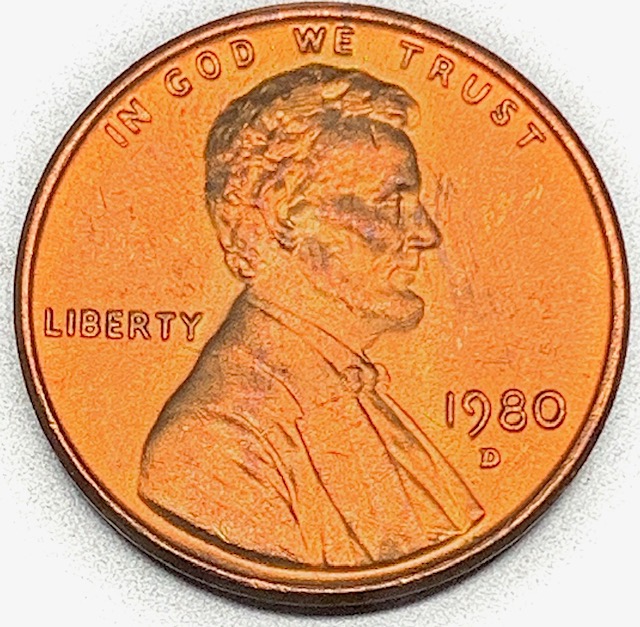 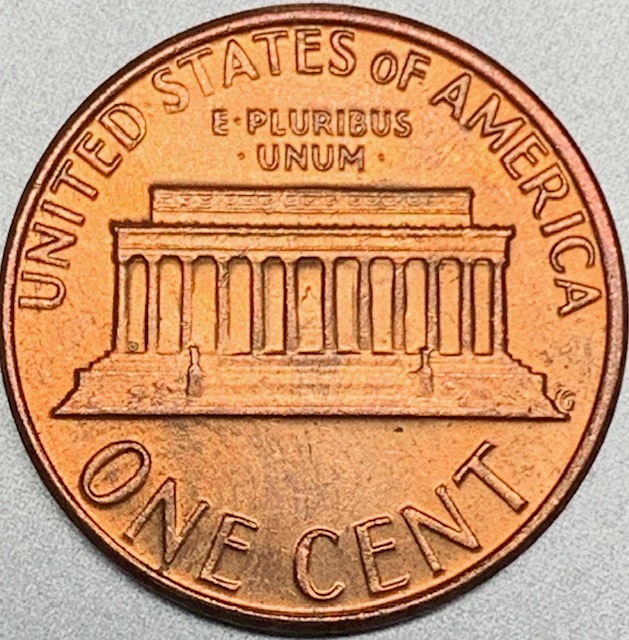 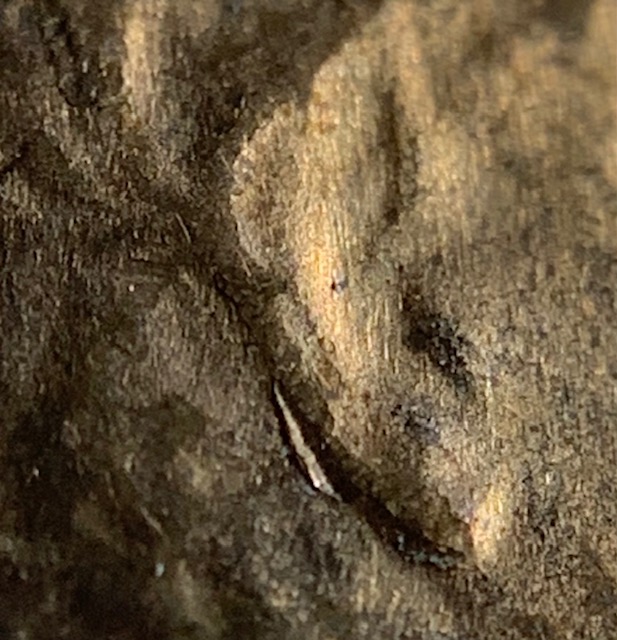 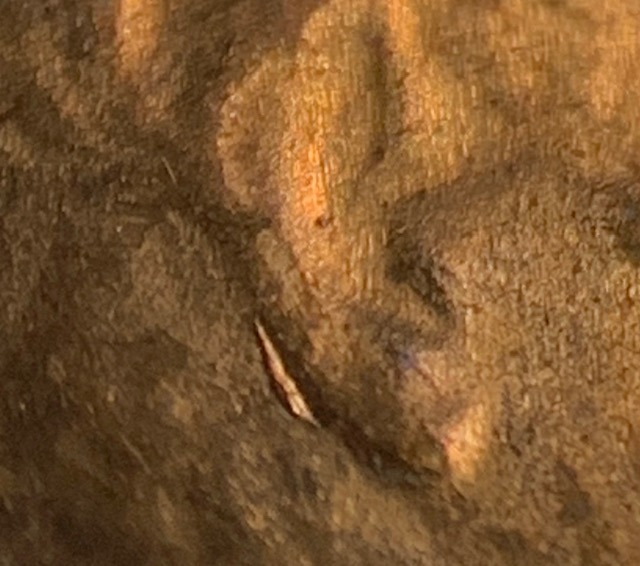 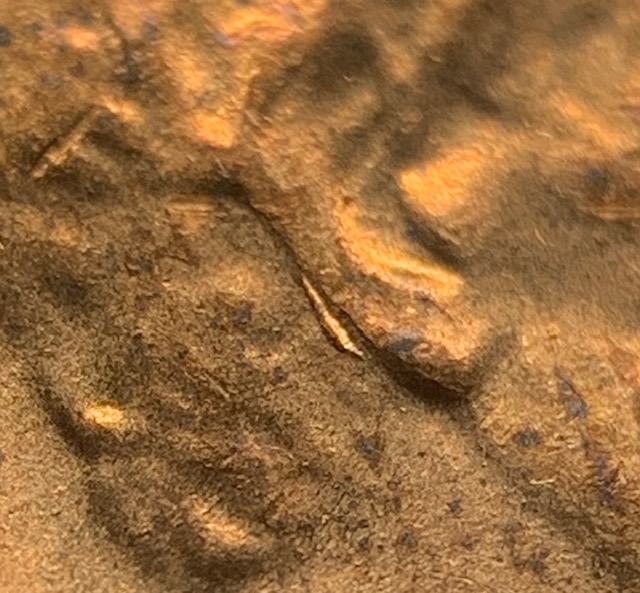 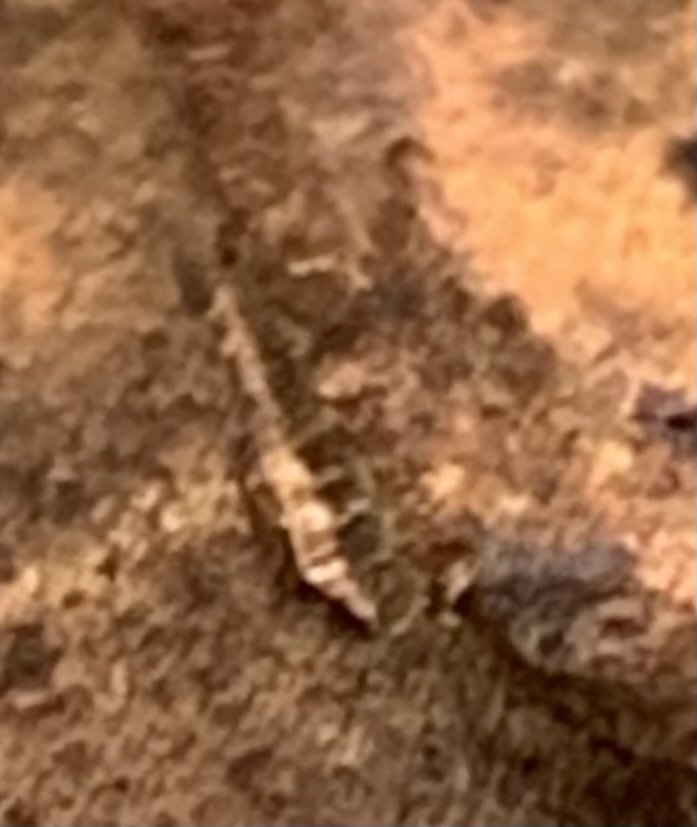 |
|
|
|
Moderator
 United States
56855 Posts |
Looks like a hit from the edge of another coin and it pushed up some metal. It is a spender IMHO. John1  |
|
Bedrock of the Community
United States
19660 Posts |
The very last photo appears to show decent evidence of a hit--moved metal.
|
|
Bedrock of the Community
United States
62064 Posts |
|
|
Valued Member
 United States
356 Posts |
I can see the reasoning behind it appearing to have taken a hit. That is typically always the case, no argument there for sure. What disturbs me about this on is that the definition of the original ear itself does not show any signs whatsoever of taking a hit at all which I believe it would if something had hit this area and moved metal which created the object in question. That last pic I'll admit is extremely grainy and I probably should try to take a better and clearer pic. Thanks.
|
|
Valued Member
United States
356 Posts |
Ok, open mouth, insert foot and put this one to rest. Why I did not do this before I have no idea. I just turned this coin on its side and louped it. I can clearly see a small but distinct separation of the metal where it comes into contact with the face of the coin which no doubt proves it did take a hit and moved this piece of metal. It is not completely attached to the surface of the coin, duh.... My apologies. I learned something here and maybe others will too due to this mistake. (Why did it have to be at the ear!!!!!! ARGH... haha) Thanks for your input!  |
|
Bedrock of the Community
United States
62064 Posts |
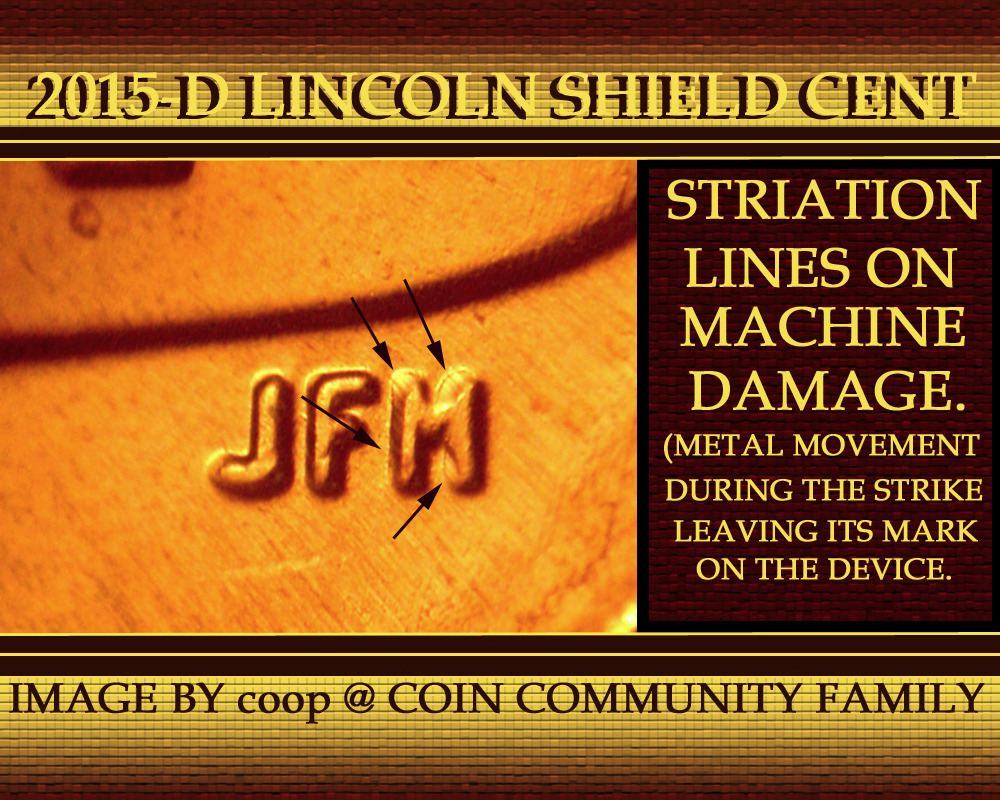
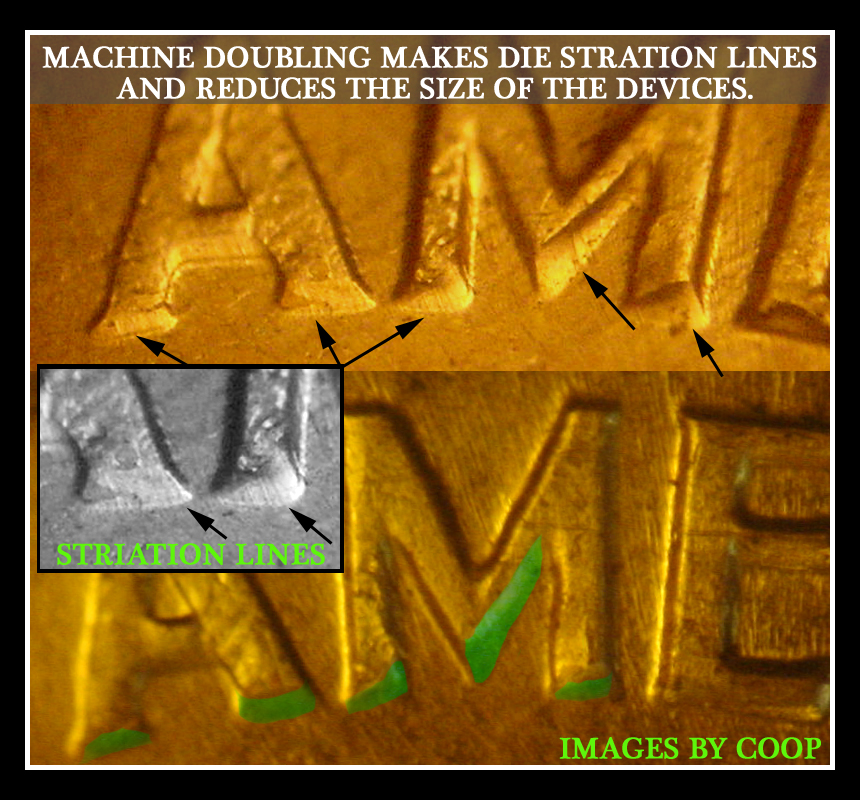
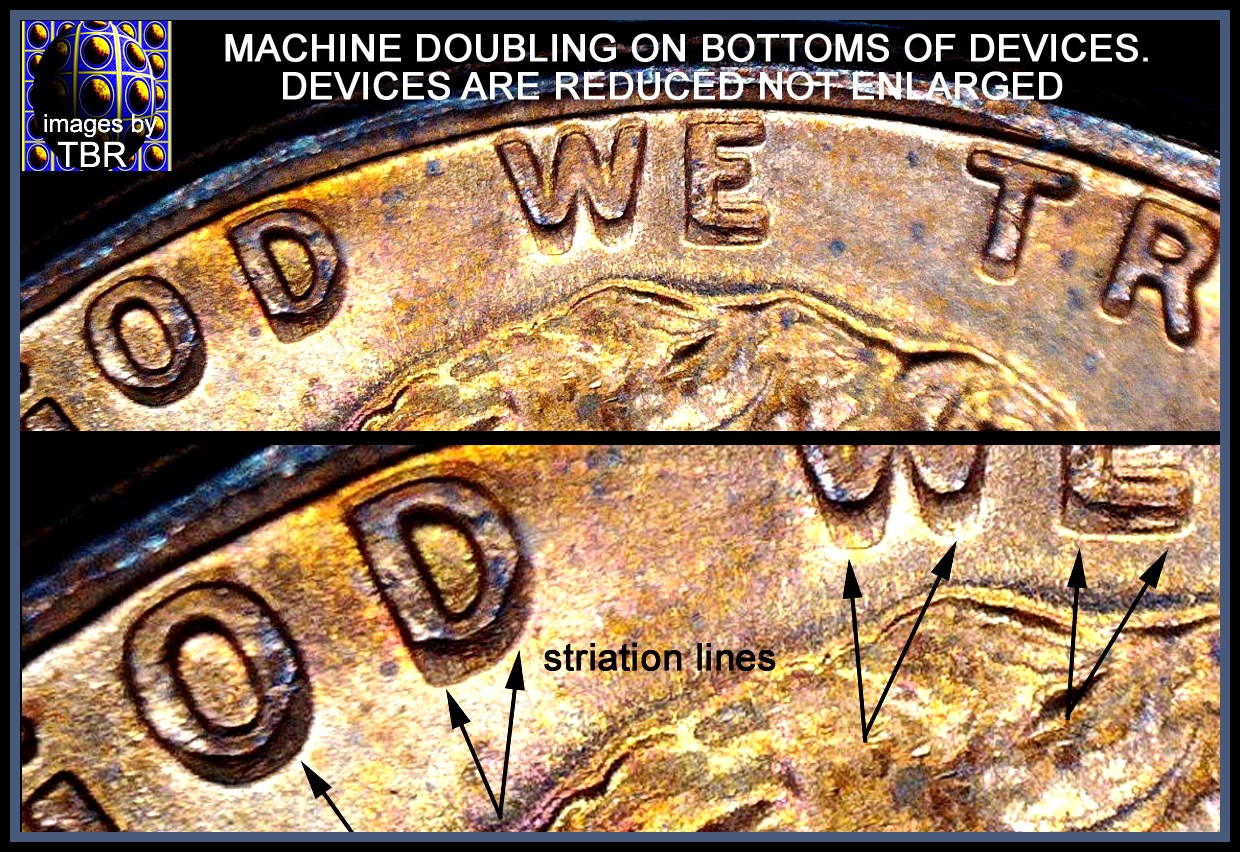
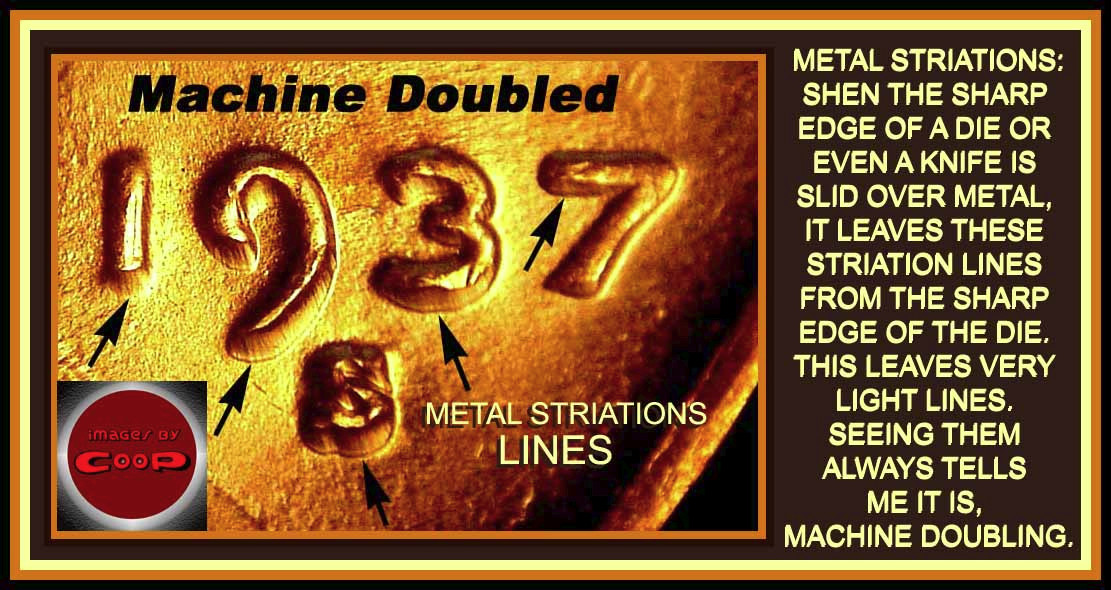
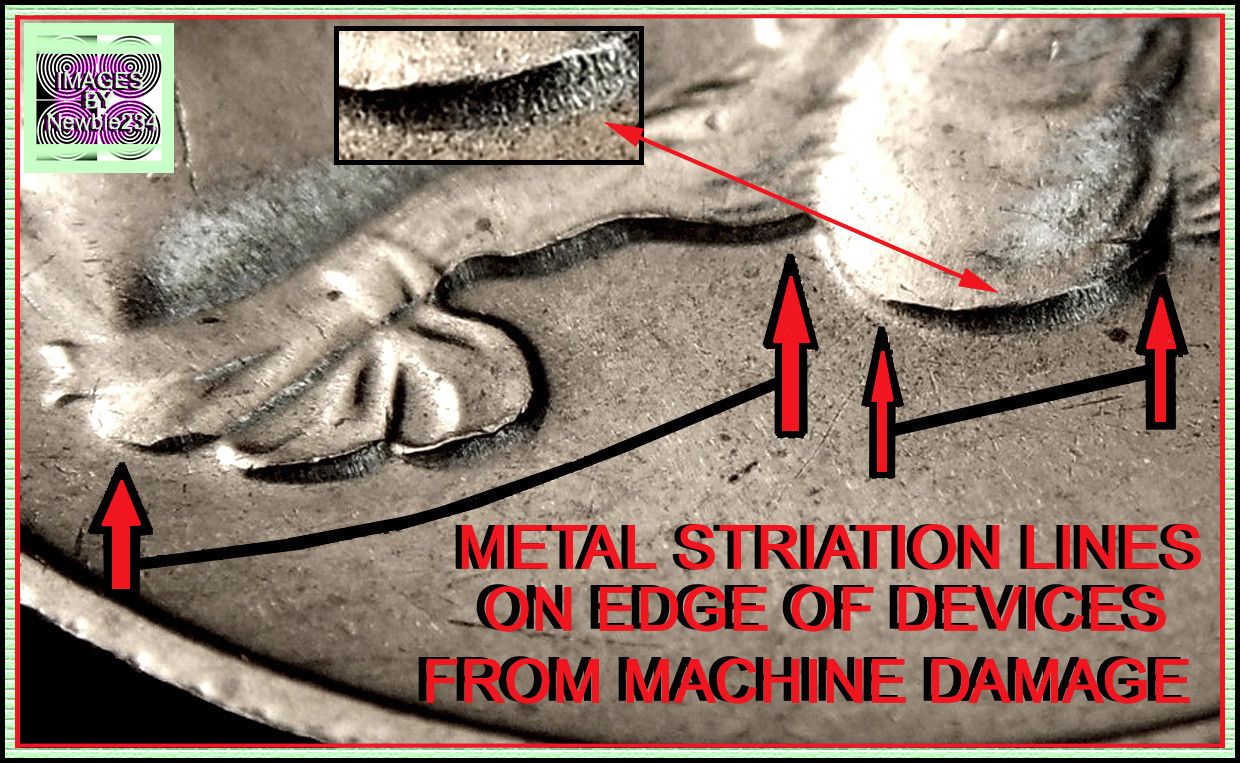
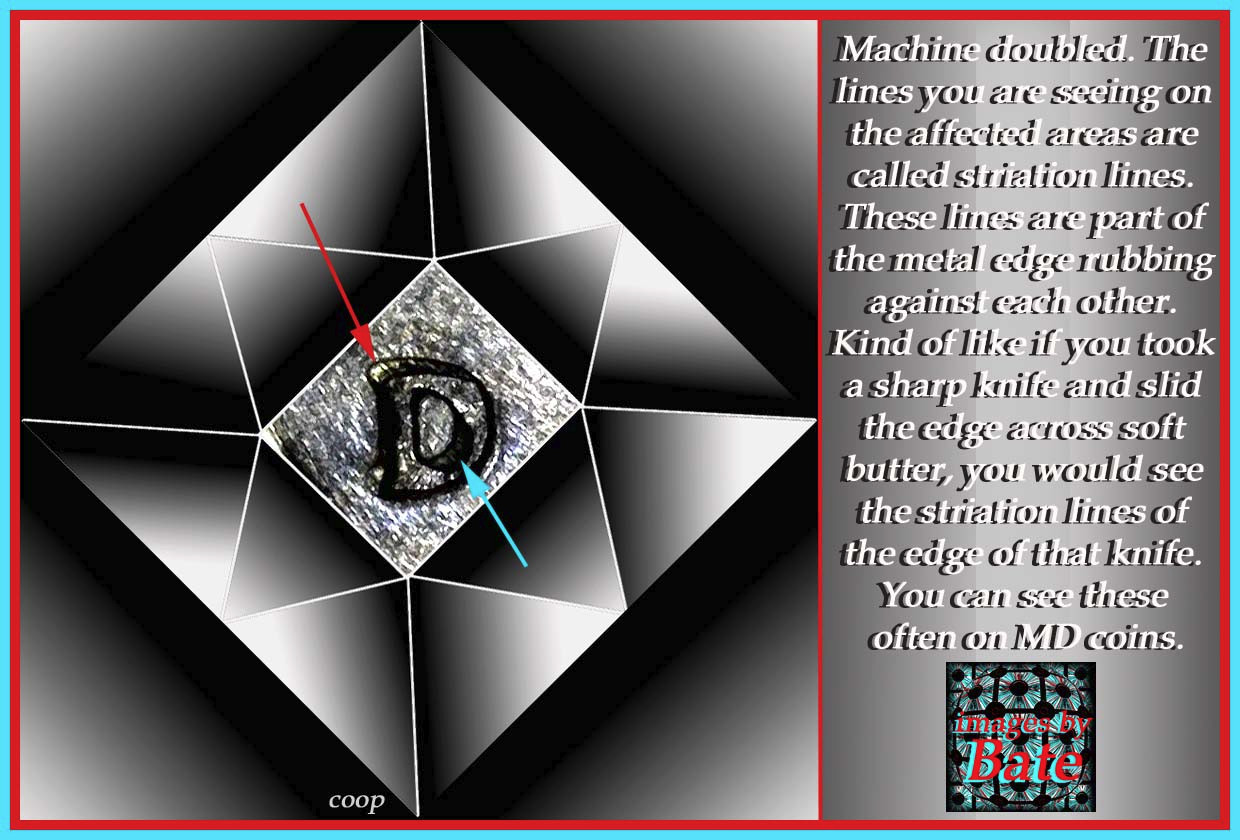
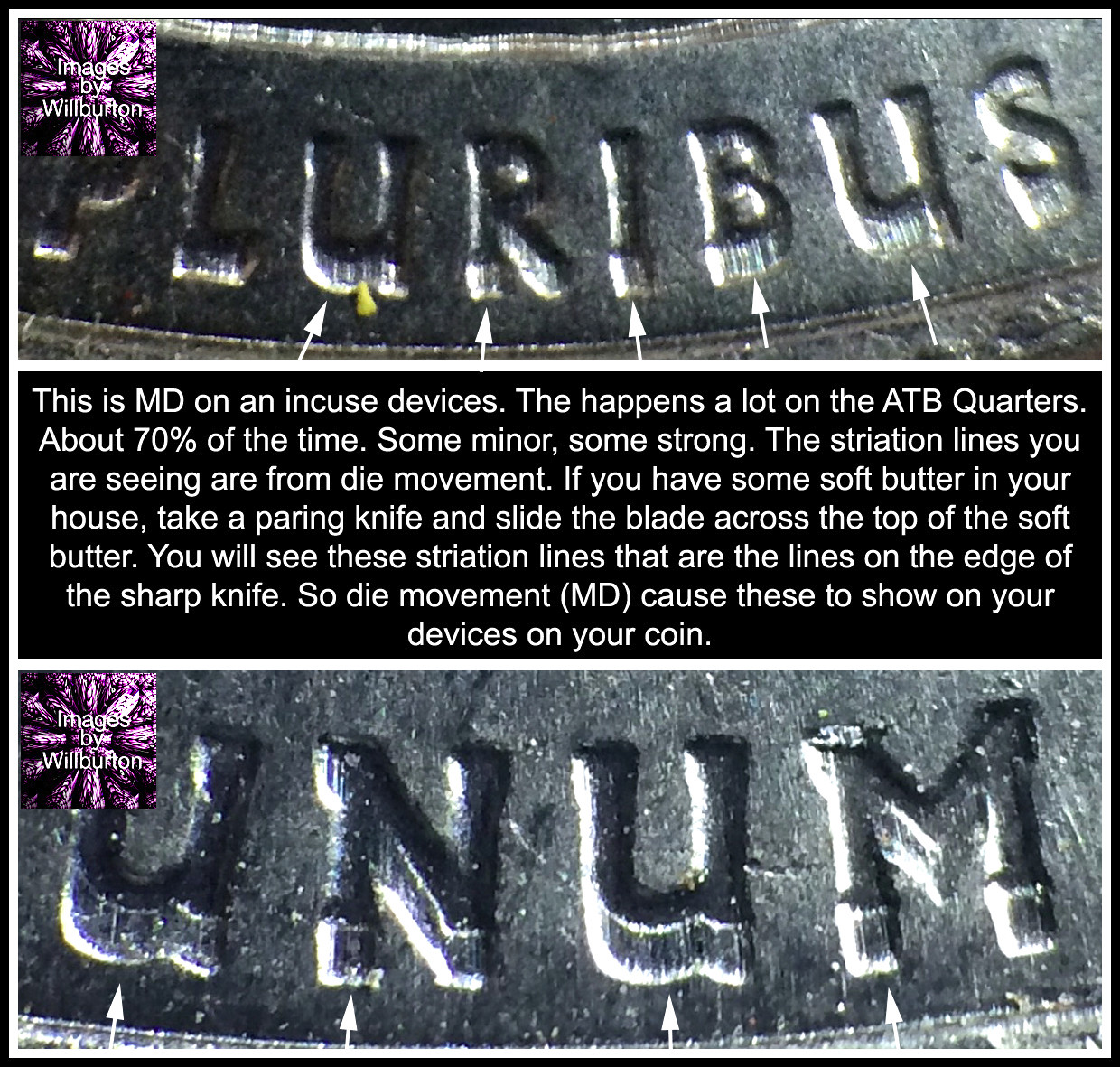
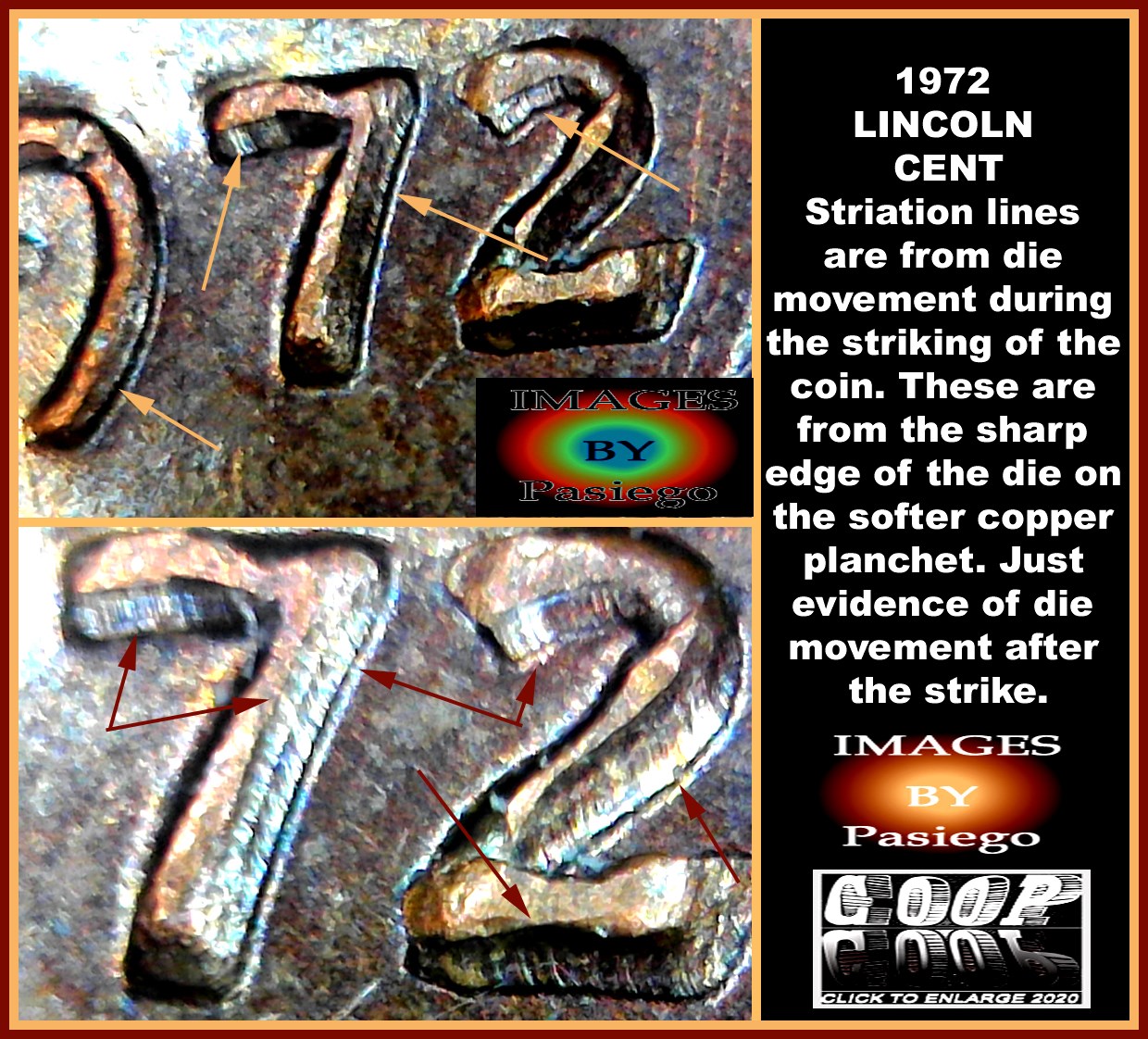
Take a look again. Note that looks like that area took a hit like "with a knife?" Even a knife can produce these striation lines. Don't think do. Take a warm stick of butter, and hold a pering knife in you hand and slide it across the stick of butter with the blade vertical and moving horizontal, with slight pressure. That sharp line will leave these striation lines on the butter. This is done in solving crimes to match up a knife to the owner of it. That proves he committed the crime. Well that is what I'm seeing on that exact area. A vertical cut, that moved the metal to the left. (complete with the striation lines) 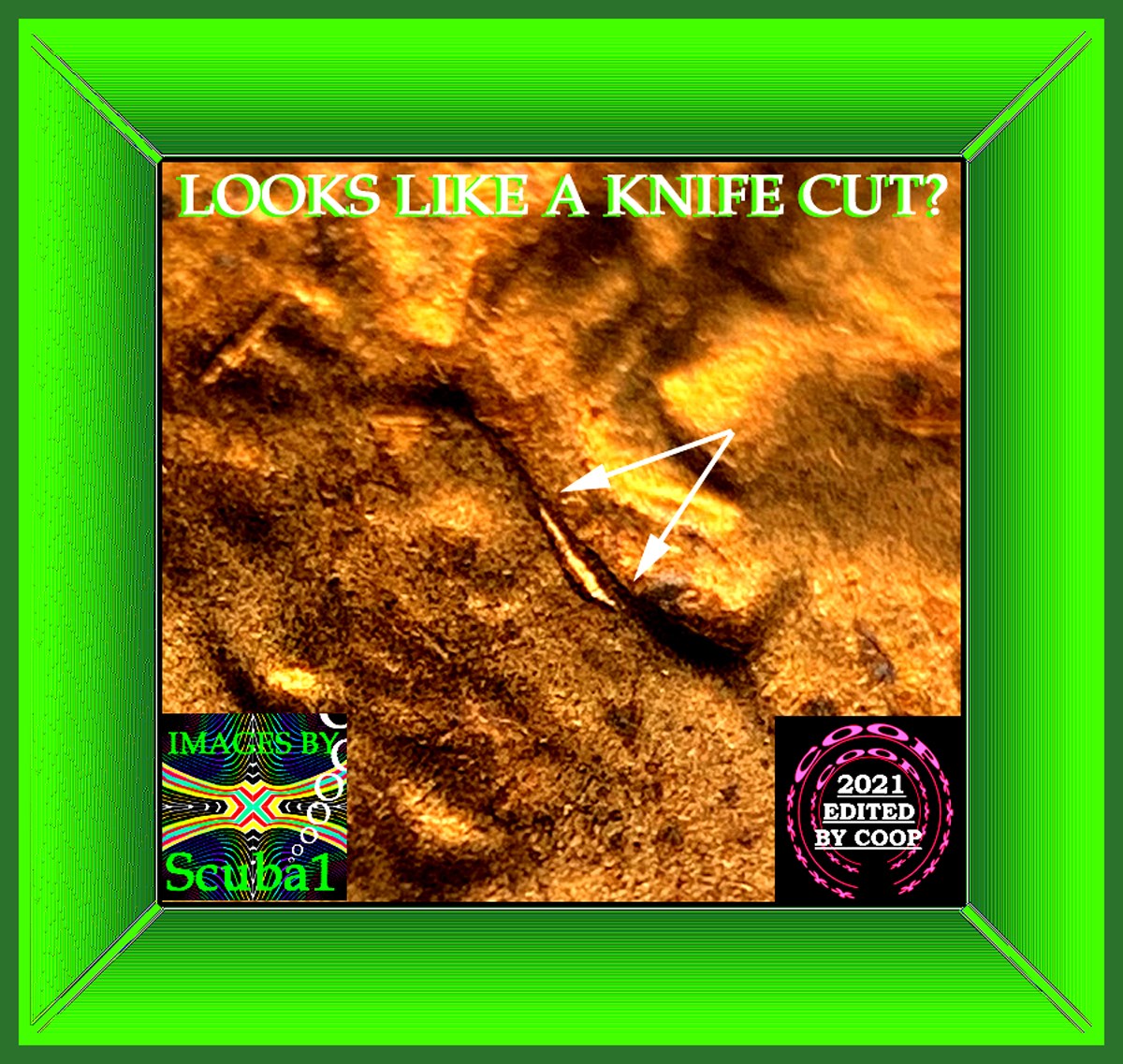 Edited by coop
03/11/2021 3:17 pm
|
|
Valued Member
United States
356 Posts |
Thanks coop. I actually have a background of sorts in Forensic Science from many many years ago (part of the reason I got ticked at myself for not examining this coin as I described in my last post....). What you described is true but we didn't use butter, lol. But for a home experiment butter works GREAT! Thanks for that visual representation.
Edited by Scuba1
03/11/2021 3:13 pm
|
| |
Replies: 7 / Views: 1,064 |
|




 Posted 03/11/2021 2:36 pm