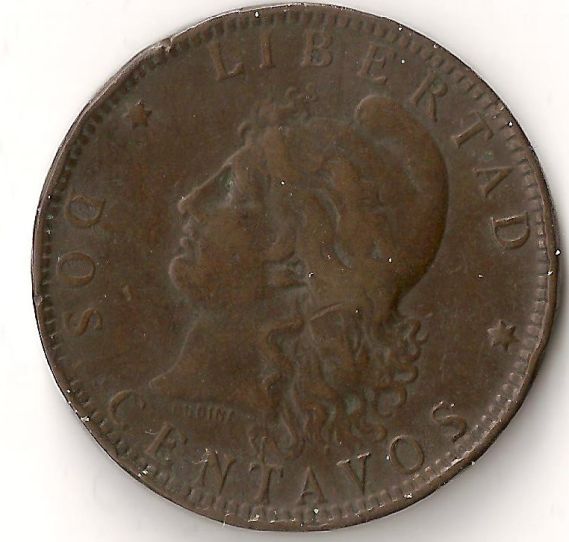
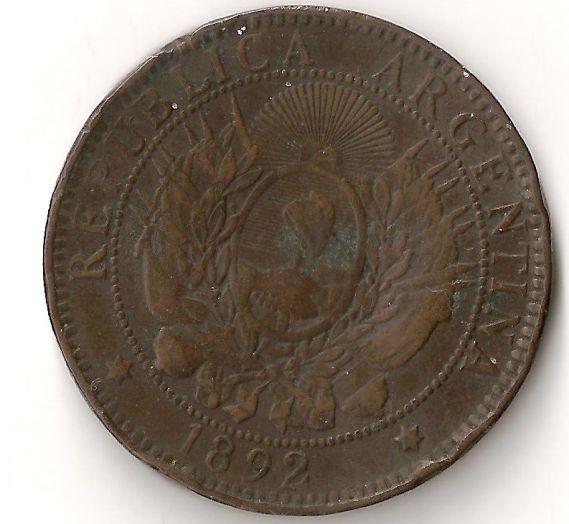
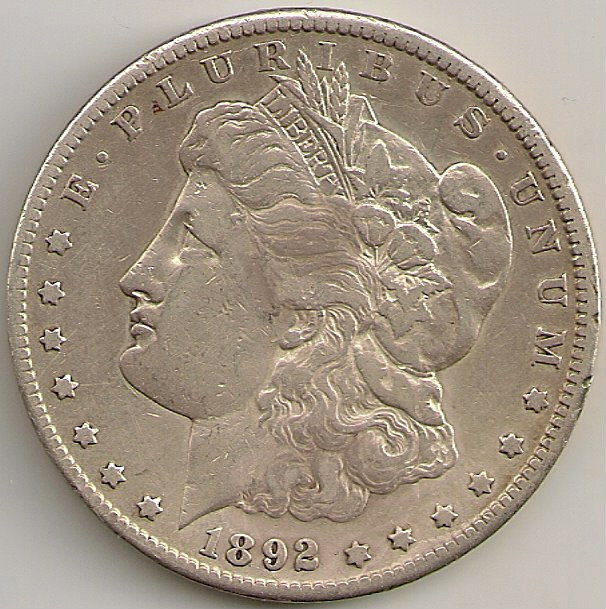
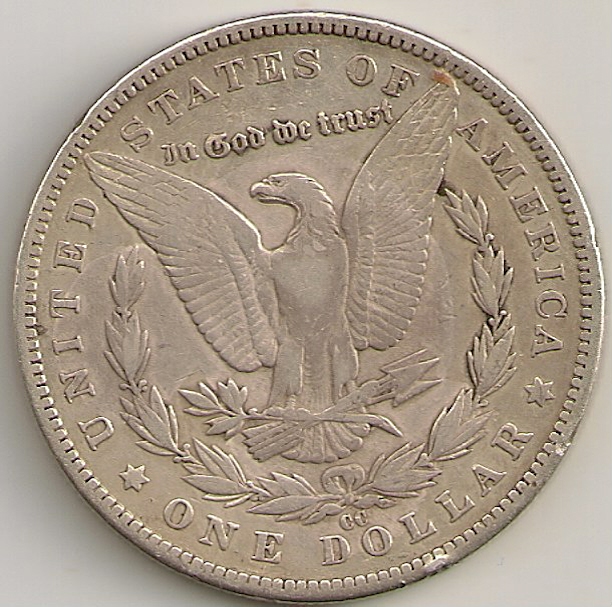
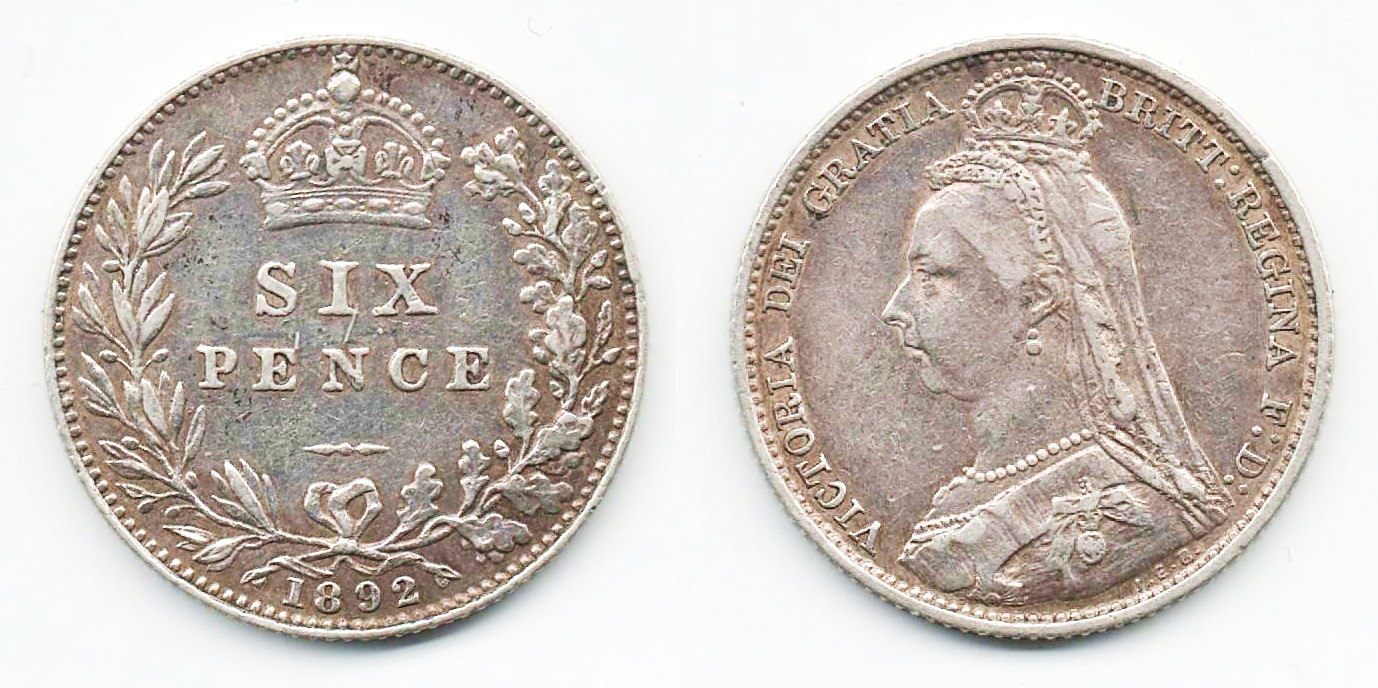
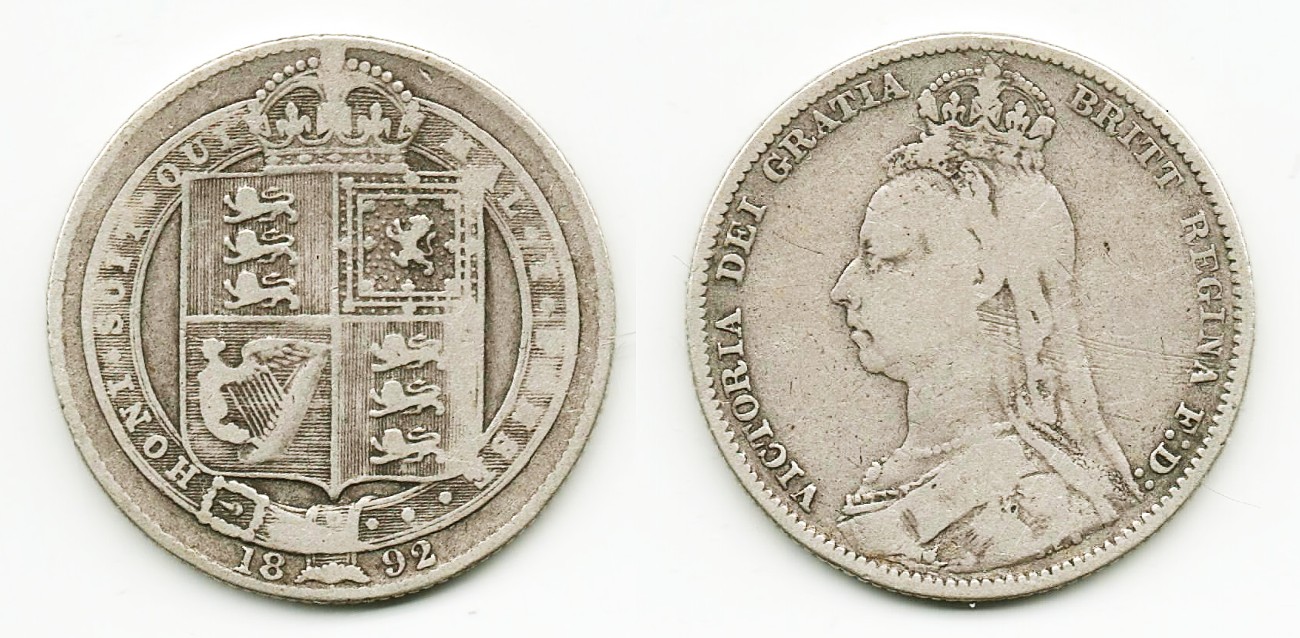
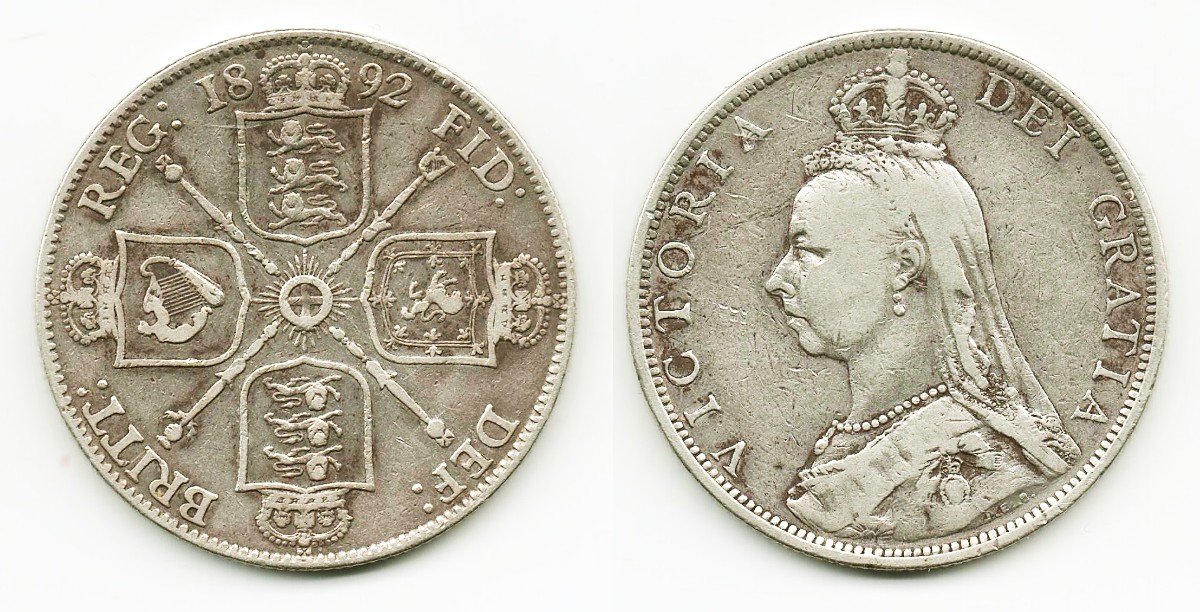
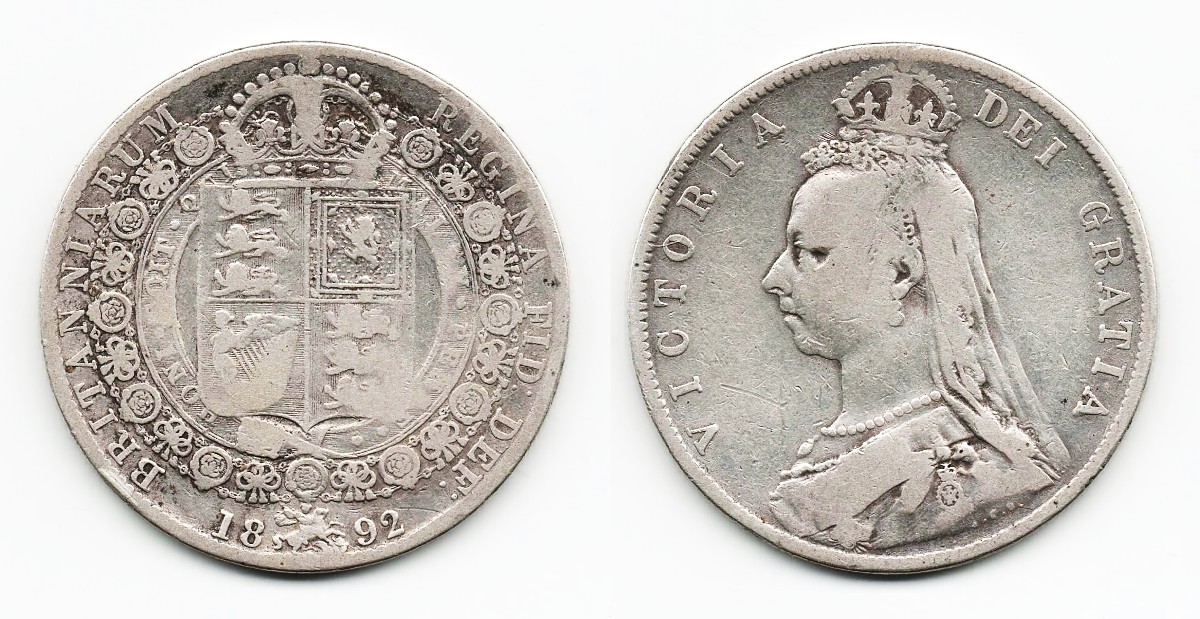
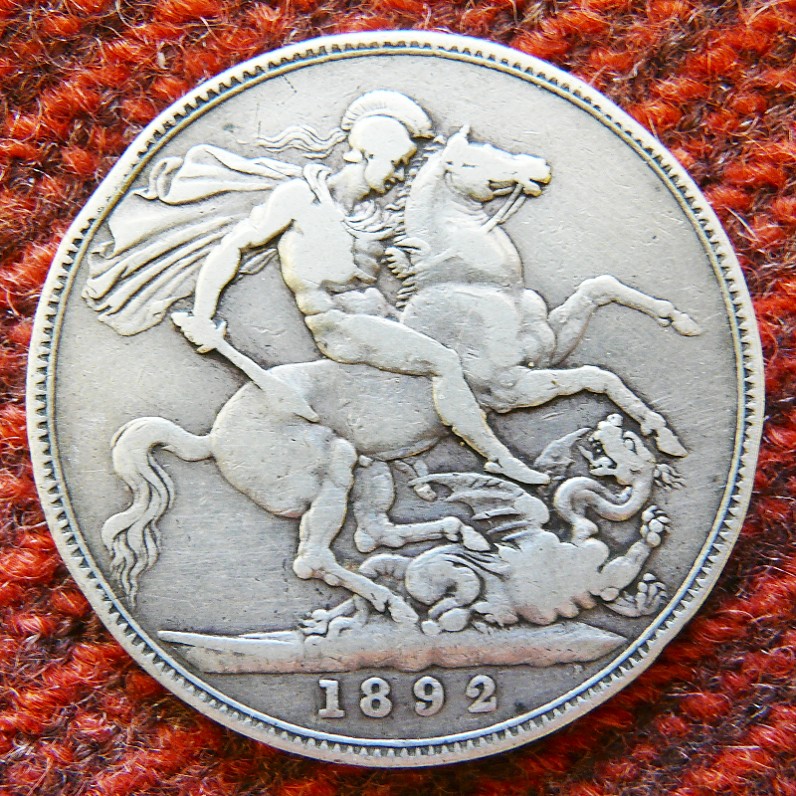
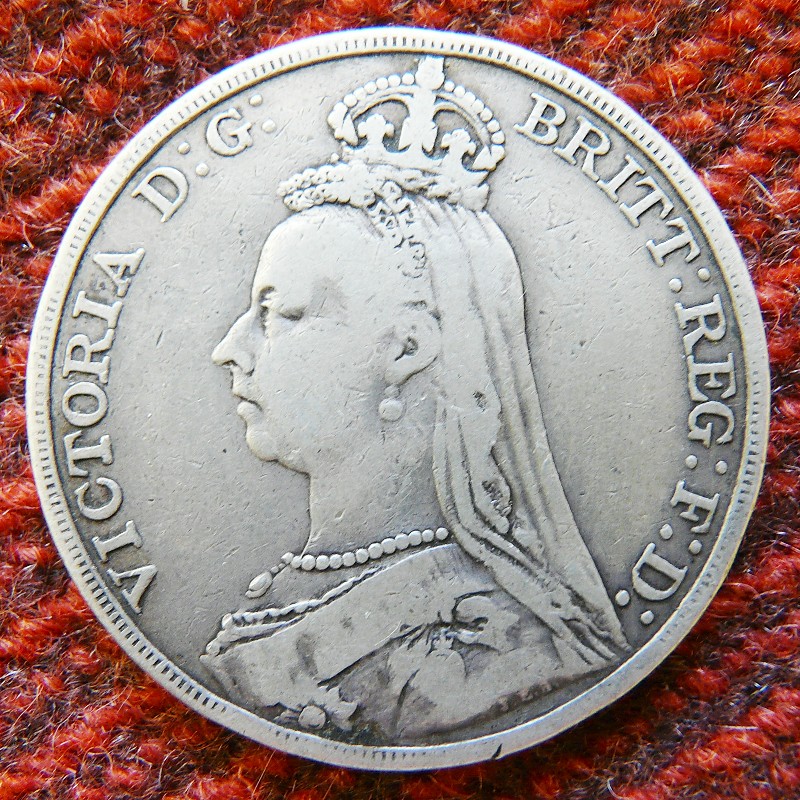
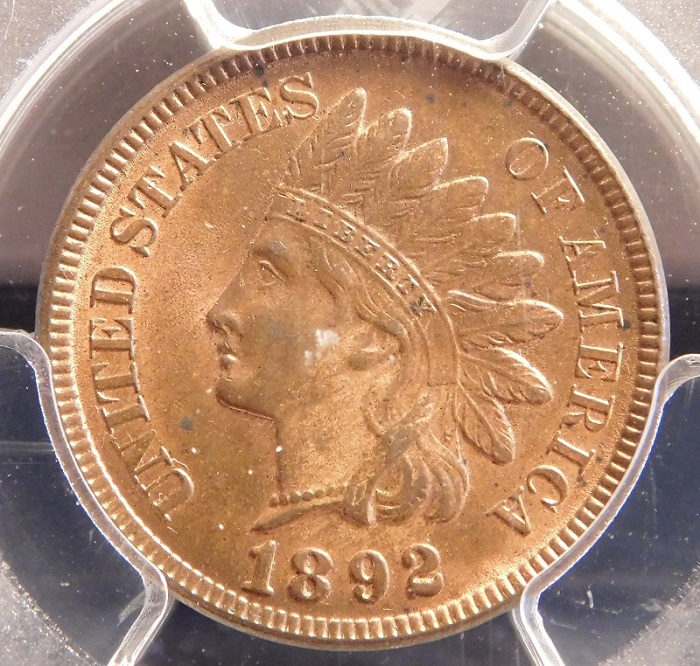
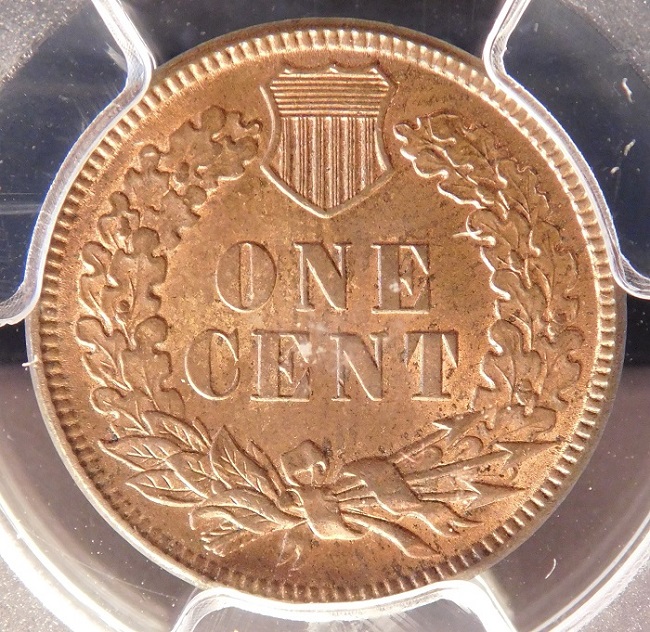
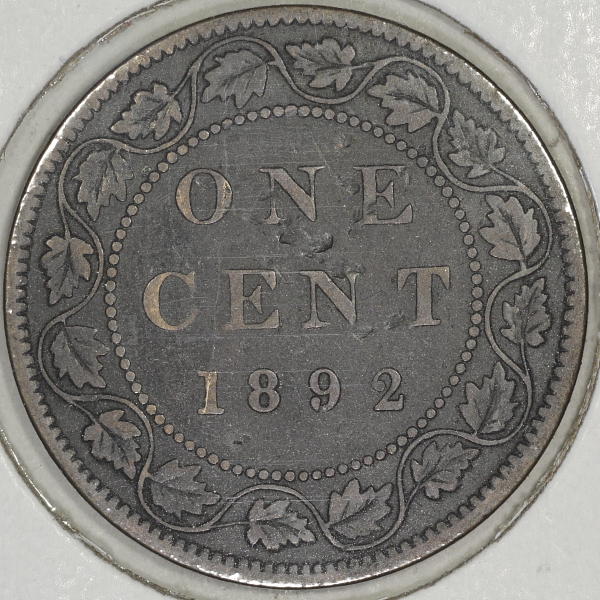
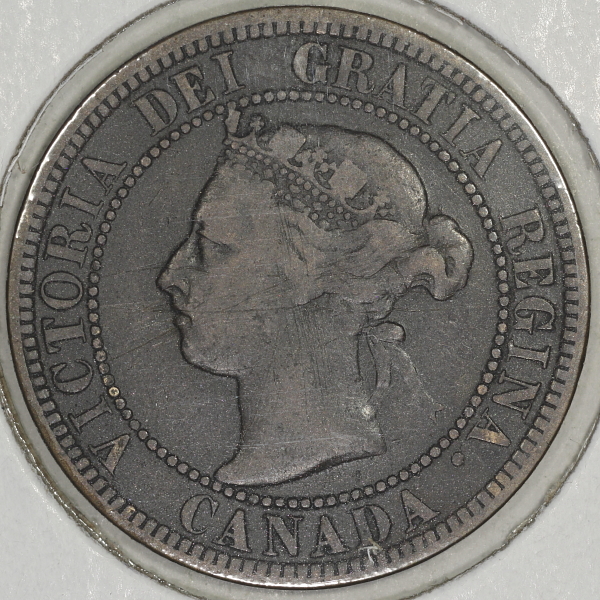
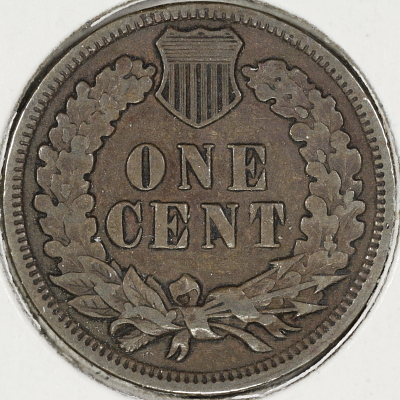
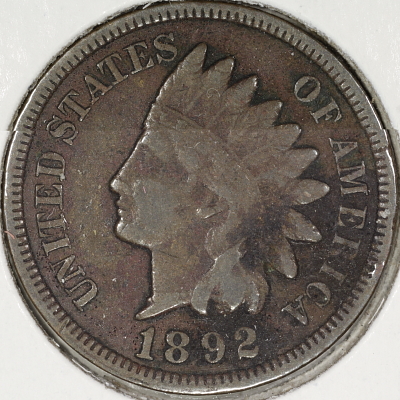
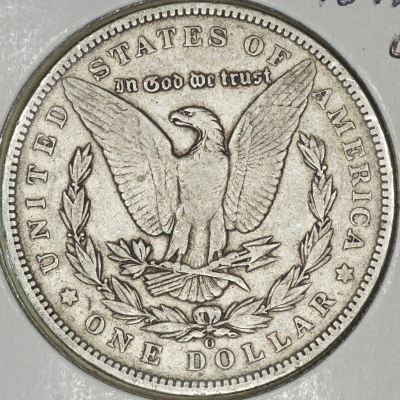
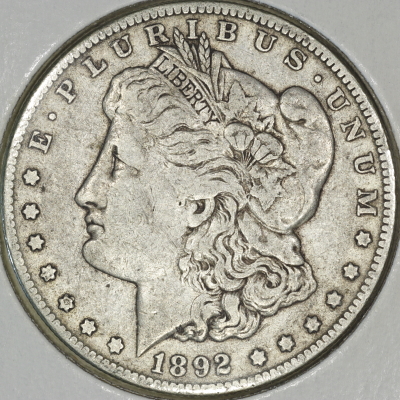
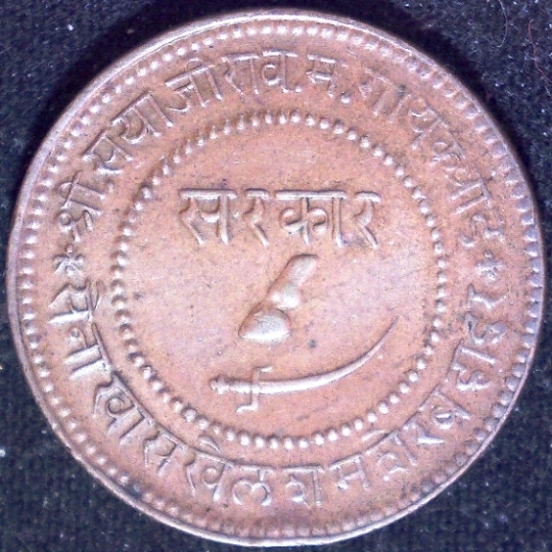
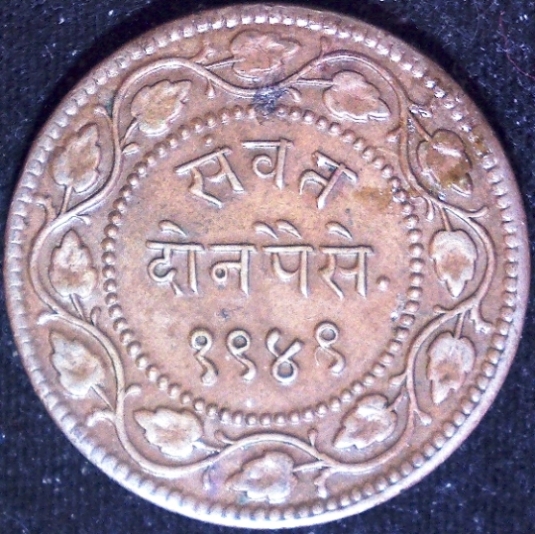
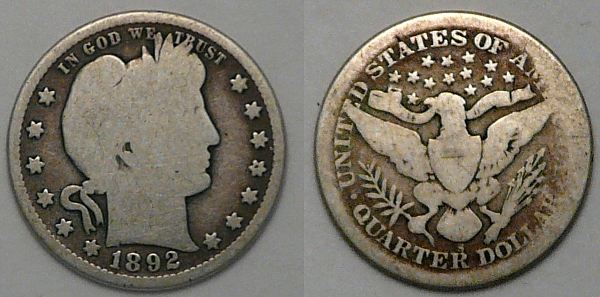
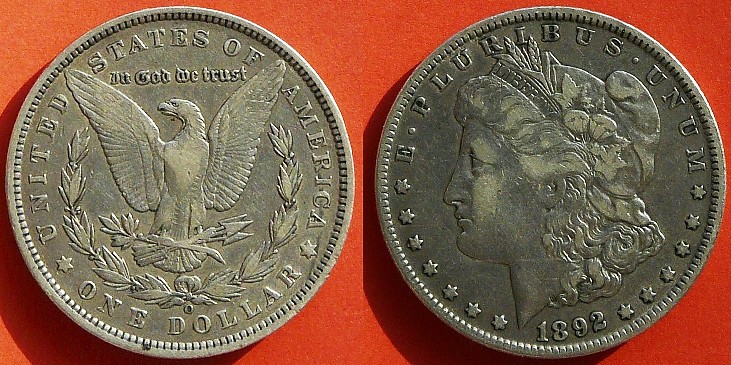
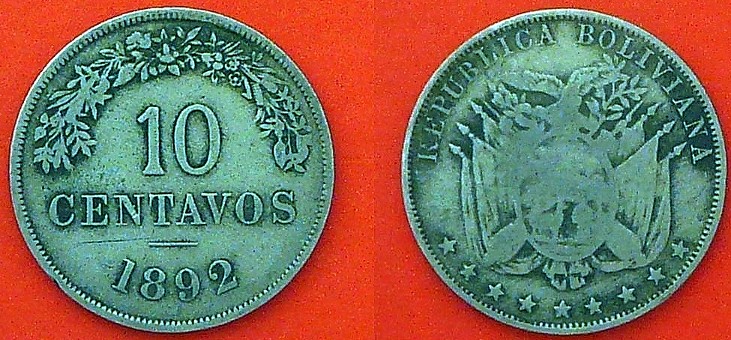
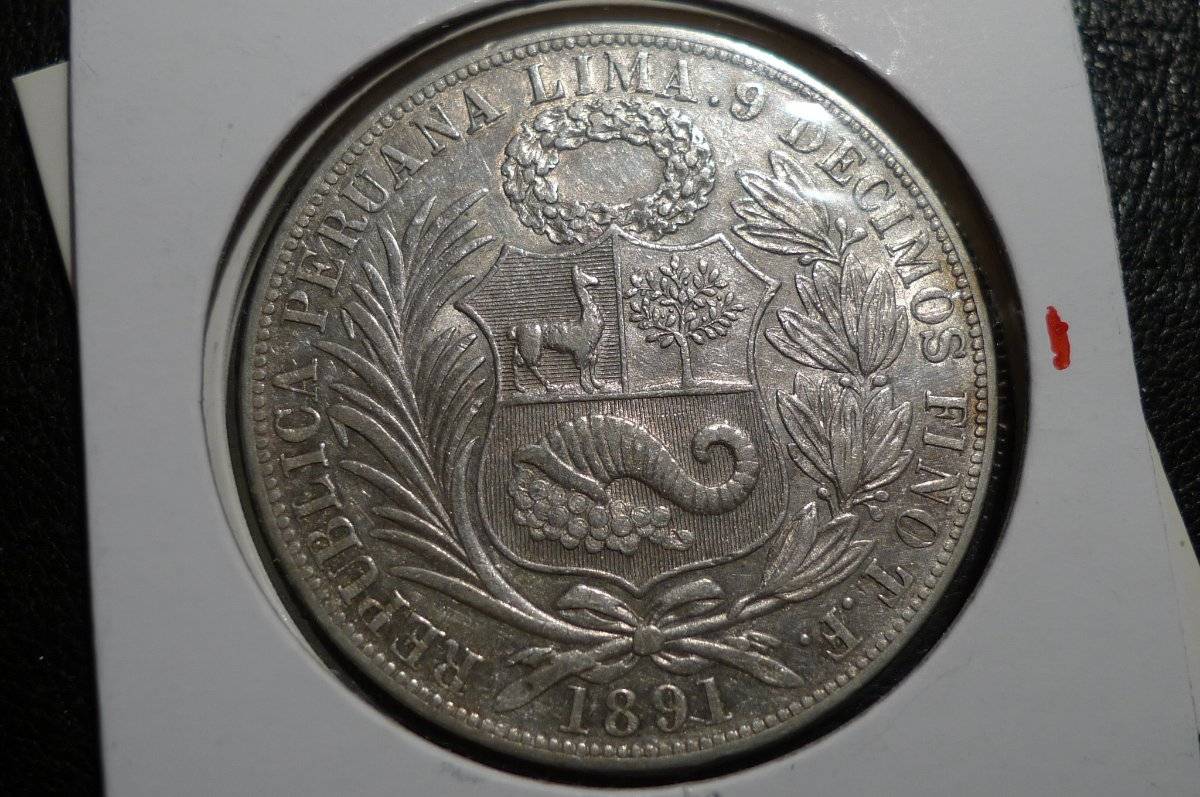
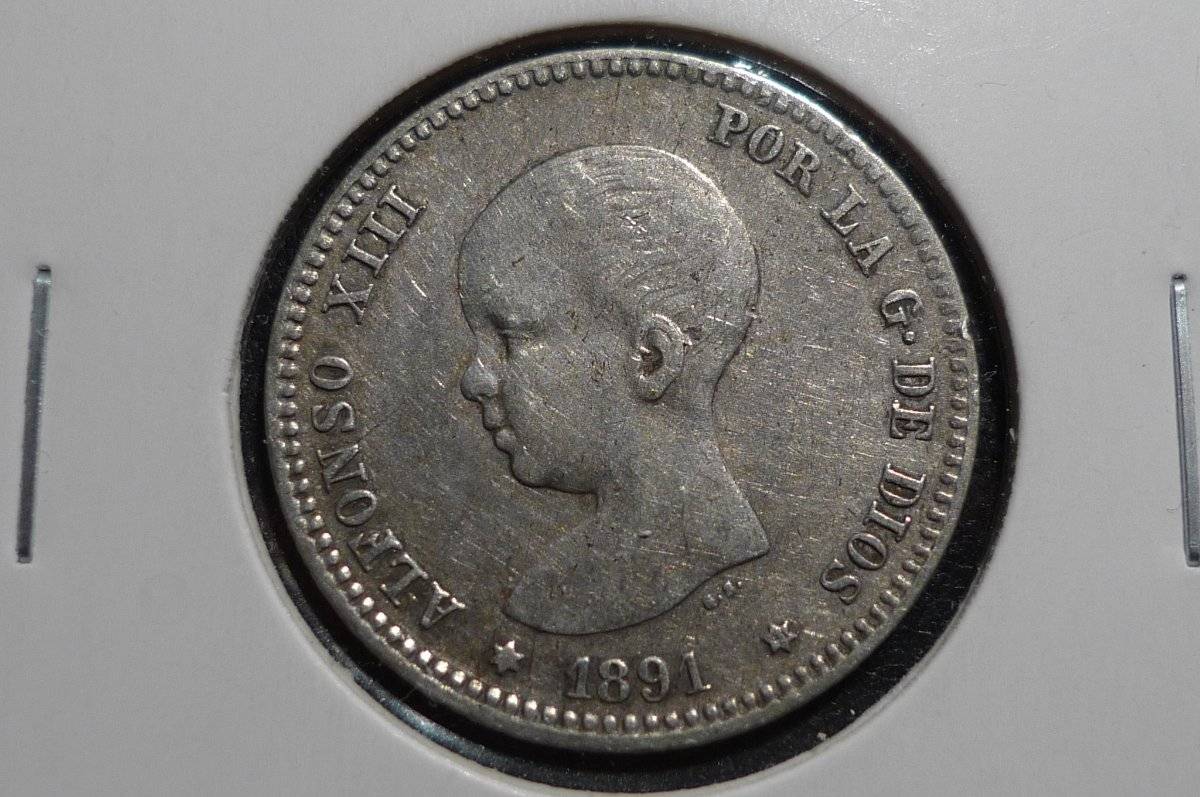
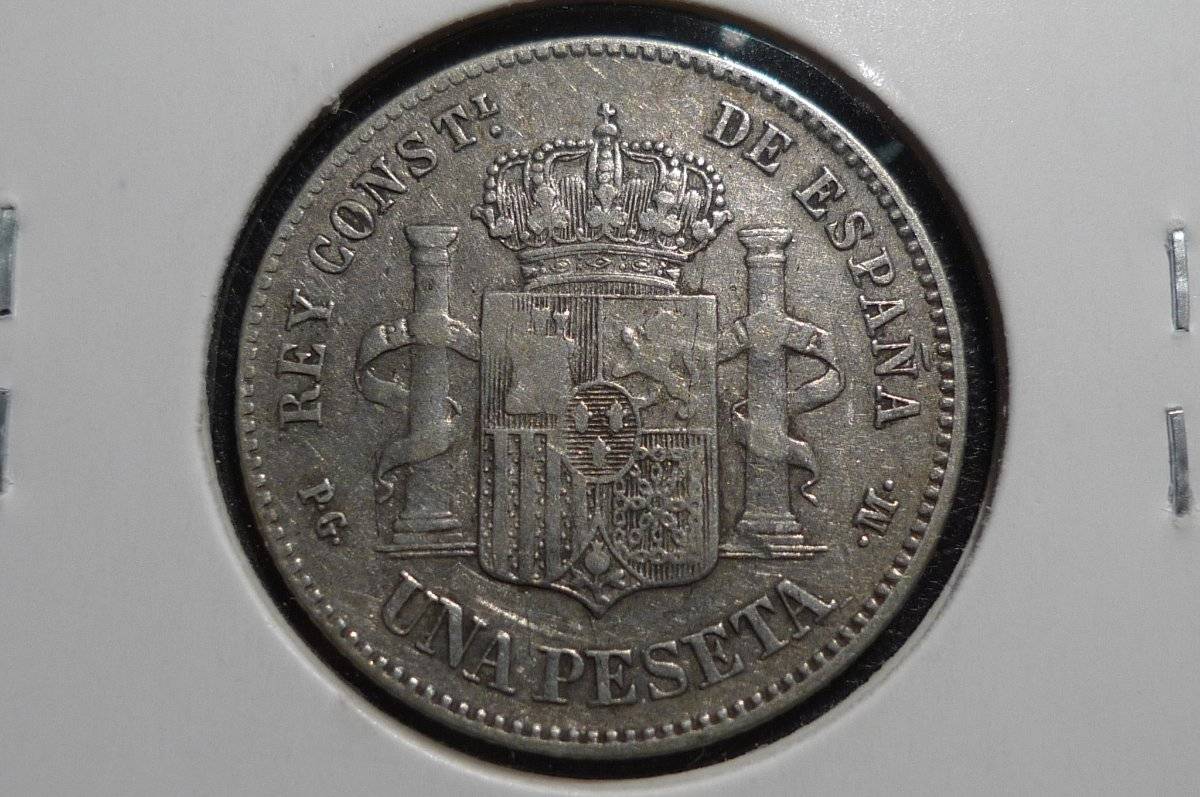
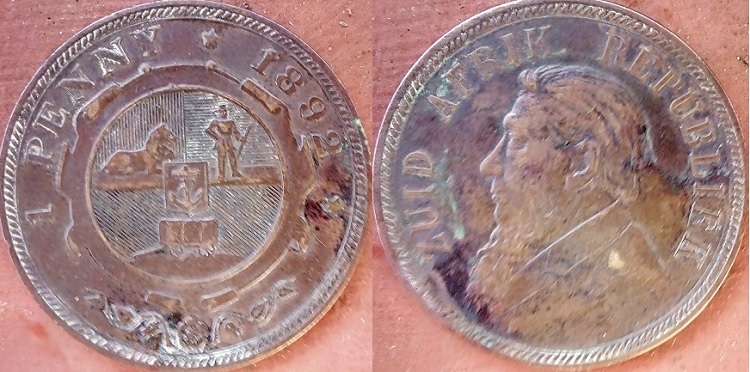
A pair of 1892 medalets.
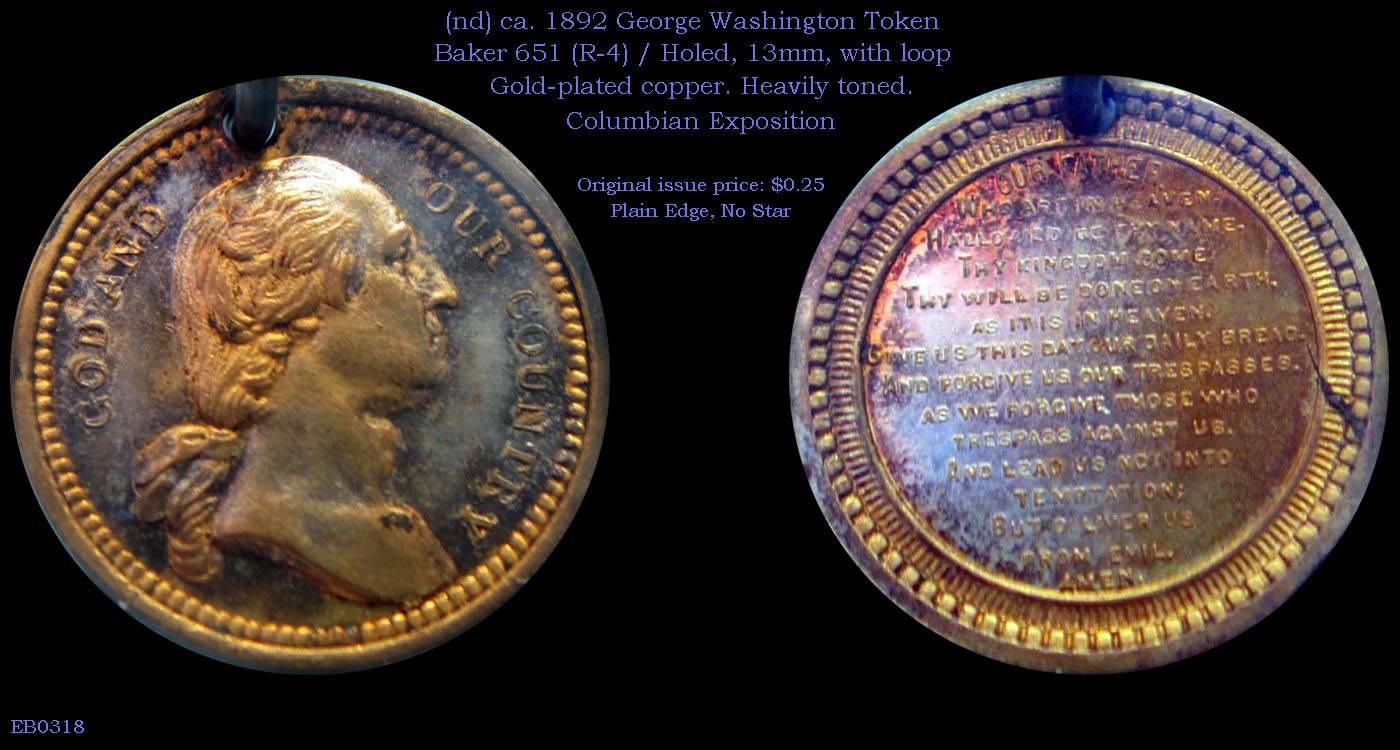
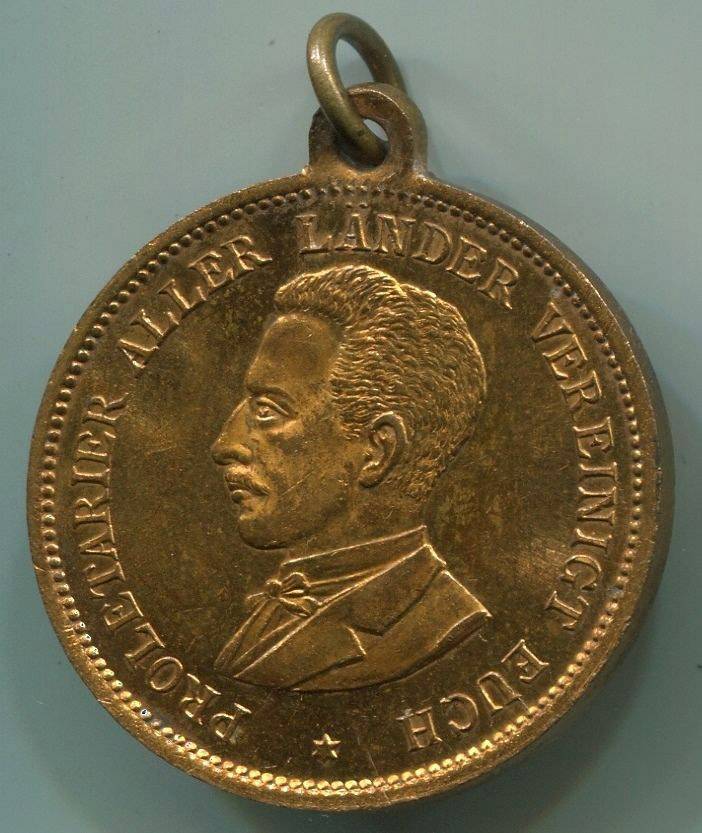
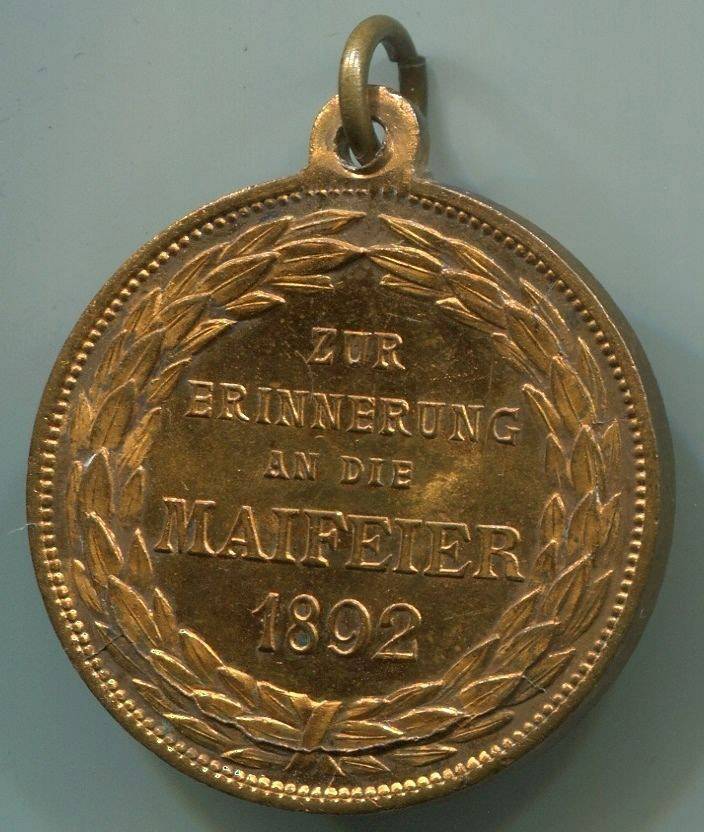
My original write-up for the May Day issue:
This is a 28mm bronze medal, with loop, struck in Germany in remembrance of the May Day (1 May) celebrations of 1892. The obverse features a portrait of Ferdinand Lassalle, a very controversial figure who, on the one hand, advocated for workers' rights, universal suffrage, and whose organization would later go on to become the mainstream German political party known as the SPD; yet, on the other hand, had extremist nationalist views and often advocated violence to preserve the Prussian/German Empire at all costs against "enemies" real and imagined -- the seeds which would later grow into the terrible nightmare of Nazism. The motto on the obverse is PROLETARIER ALLER LÄNDER VEREINIGT EUCH - "Workers of the World, Unite" - the motto of the International and of European and German socialism.
May Day is an important day to European workers, much as Labor Day is in the United States. The two holidays share an historic background born against the struggle of workers in the late 19th c. for safer, healtheir working conditions, minimum standards, and the right to organize as a union. Even though some things workers enjoy nowadays are taken almost for granted (an 8 hour workday, 5-day or 6-day workweek, a minimum age of employment, regulations to improve safety and fairness in hiring) these workers' rights were won, quite literally, by blood, sweat, and tears.
You're a worker at the International Harvester factory in Chicago, Illinois. The year: 1886. You work grueling hours for subsistence pay. A very common on-the-job injury will result in your firing and your family becoming destitute; and if you are suspected of being "anti-company", firing's the least you can expect. Private security companies, local police forces, and the politicians all perform a puppet dance on the strings of the wealthy factory owners and businessmen, bribed and paid to suppress worker rights and sway public opinion.
Knowing all of this, since February, you have bravely been on strike in support of an 8-hour workday, along with many other fellow workers, a large number of them German immigrants. The bosses at the factory don't much like your attitude, to put it mildly. While you're on strike, Pinkerton "detectives" - a paid mercenary army of "policemen" - are called in to harass you and your fellow striking workers. You endure physical and verbal abuse, your family is threatened, and yet you take the high road and keep your own actions civil and peaceable. The company bosses next call in the actual Chicago police, who are even more brutal, to disperse your strike, but you endure.
Some of the pro-strike workers' unions activists hand you a flyer advertising a pro-labor Rally to be held on May 1, a Saturday. Strike leaders, workers, and sympathetic authors and politicians invite you to the Rally, to be held at the Haymarket Square on Randolph St and the adjacent Desplaines & Halsted Sts. You, and many others like you -- perhaps 1500 to 2000 -- show up early in the evening, a light rain falling, to hear the British Rev. Sam Fielden, along with former Confederate veteran & Radical Republican Albert Parsons, and the socialist editor of the German-language Arbeiter-Zeitung (Workers' Times) newspaper, Albert Spees. The plan is to discuss the efforts towards an international 8-hour workday. A large number of uniformed policemen are there to "keep the peace." The rest -- that's history and worth a read on your own.
Celebrations commemorating that fateful day - May 1 - are held throughout the world now, but often without remembering the events that inspired them. The socialists soon realized that radical anarchists were turning a philosophical battle into a very real war, especially in Europe, an ideological battle that ultimately contributed to the outbreak of WWI. At the same time, through the efforts of unions, churches, and activists, many of the privileges and rights workers have today were won and defended, with major benefits for both businesses and employees.
Member
ANA - EAC - TNA - SSDC - CCT #890
"Most of the things worth doing in the world had been declared impossible before they were done." -- Louis D. Brandeis







 First Page
 Previous Page




 Posted 05/28/2020 04:51 am