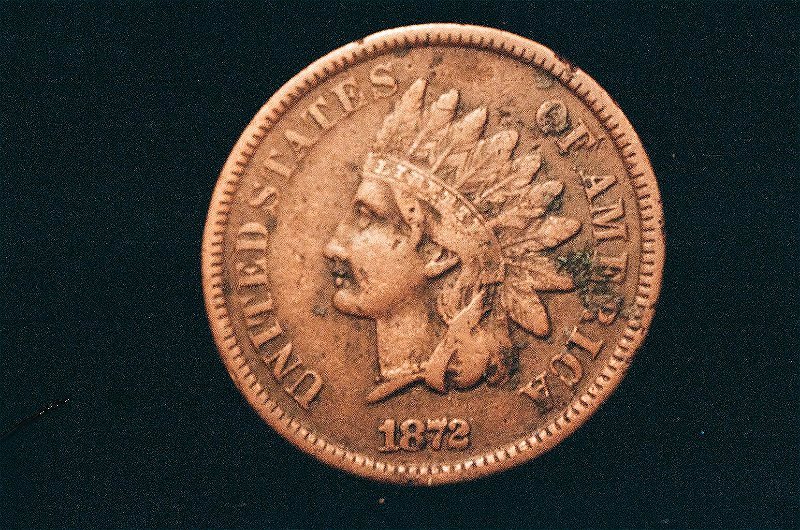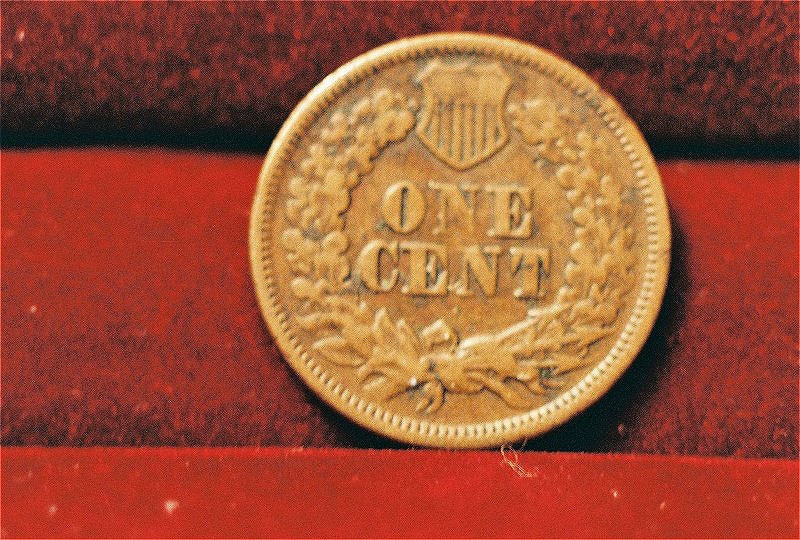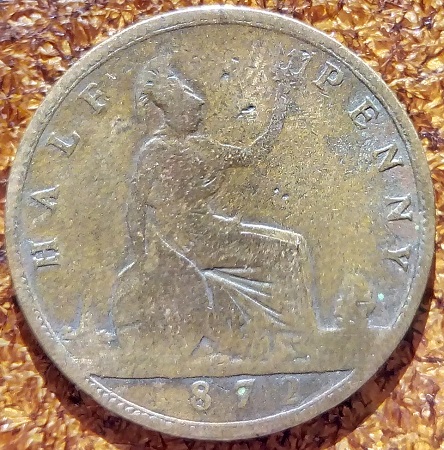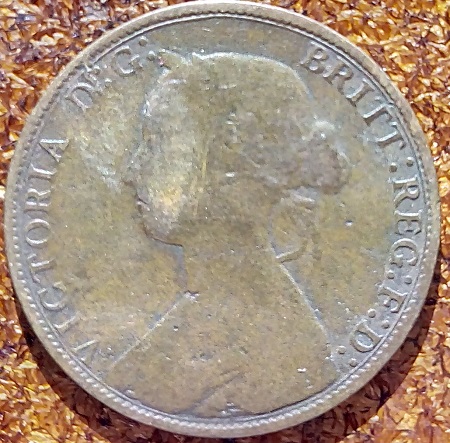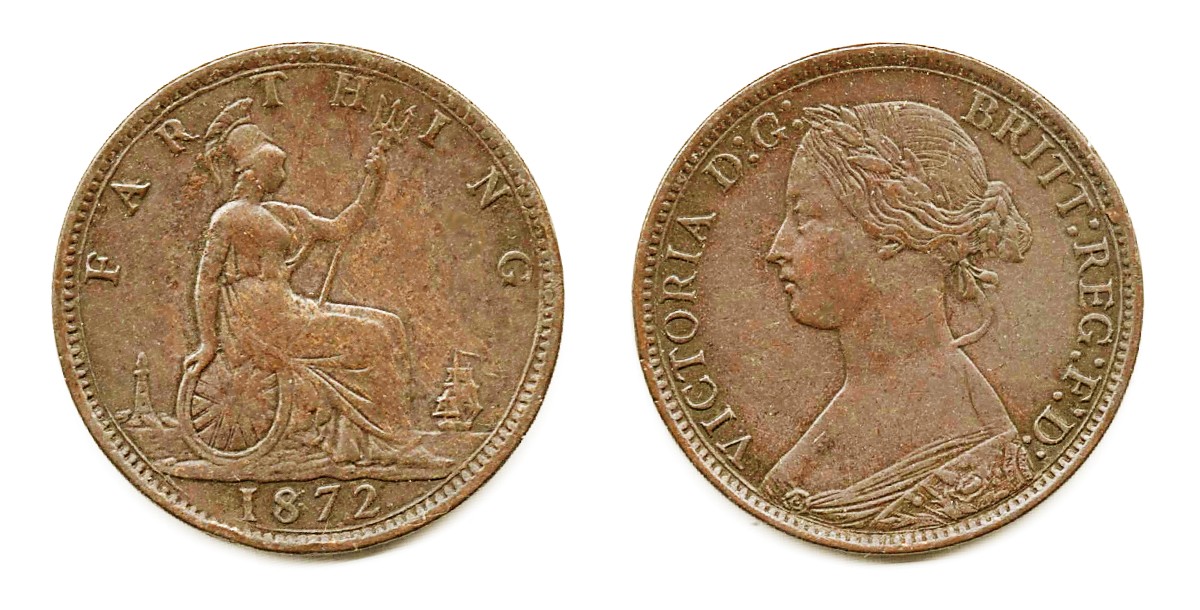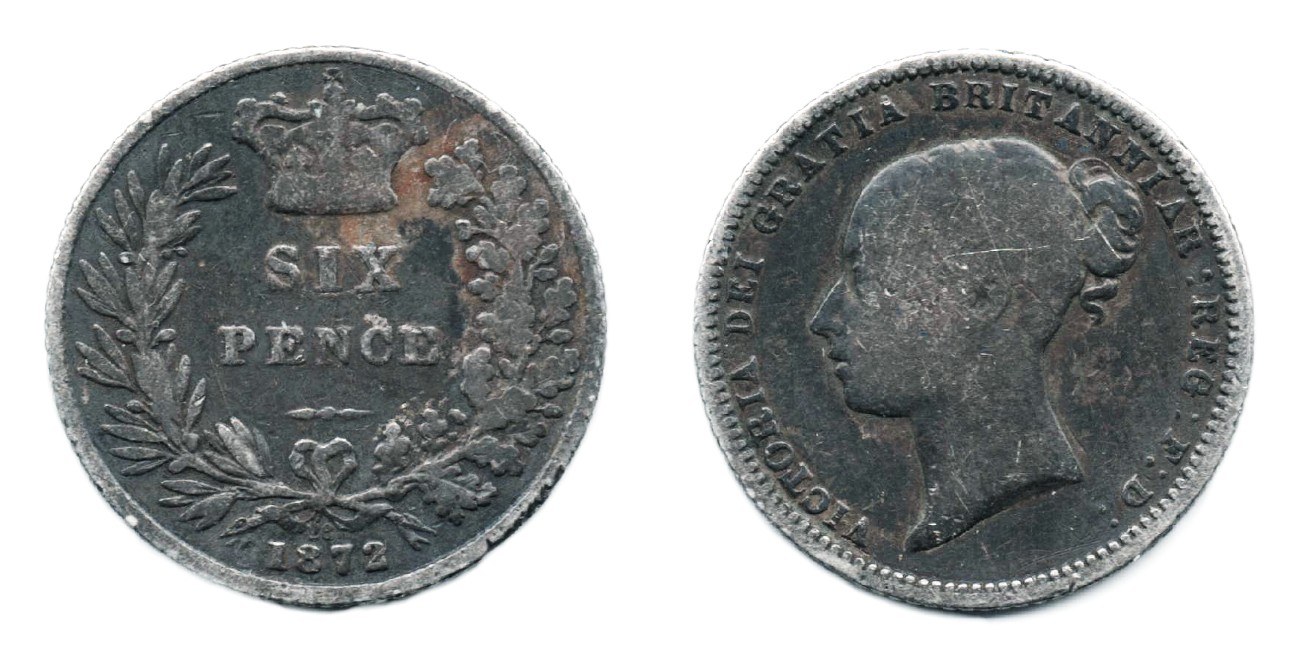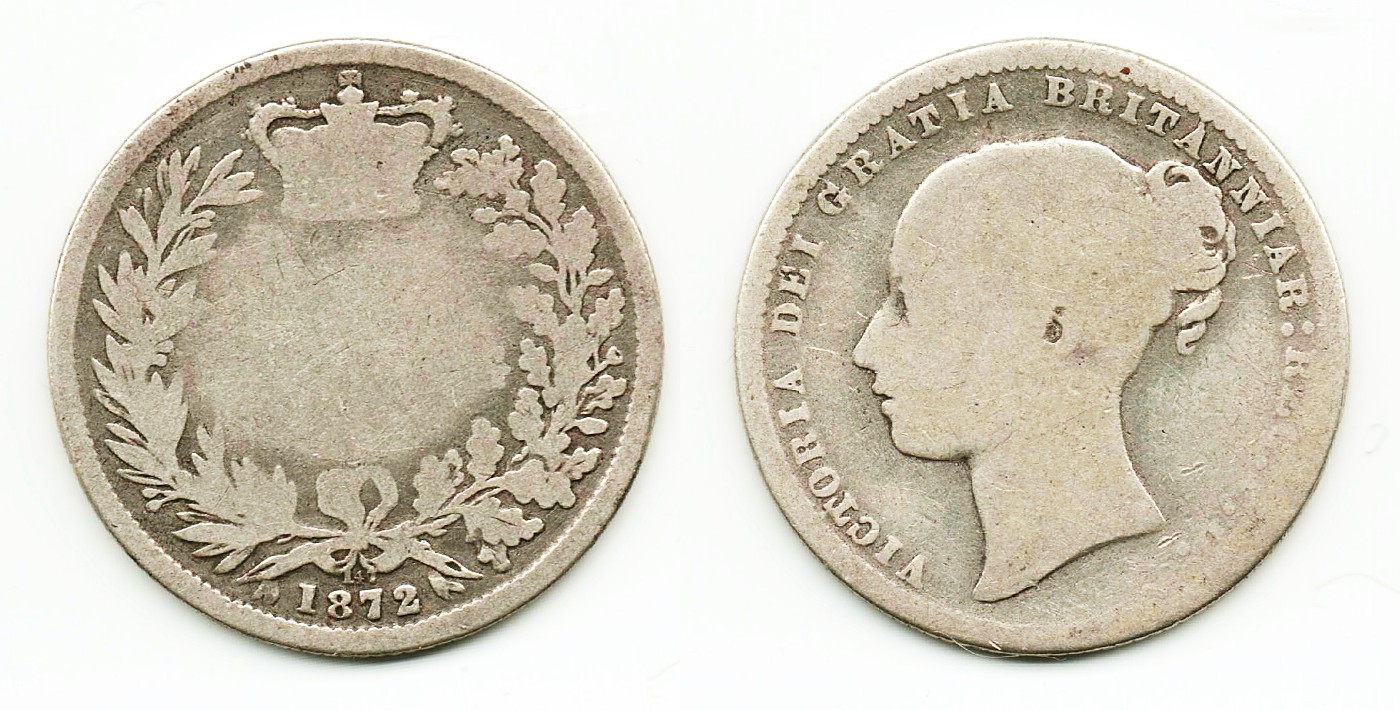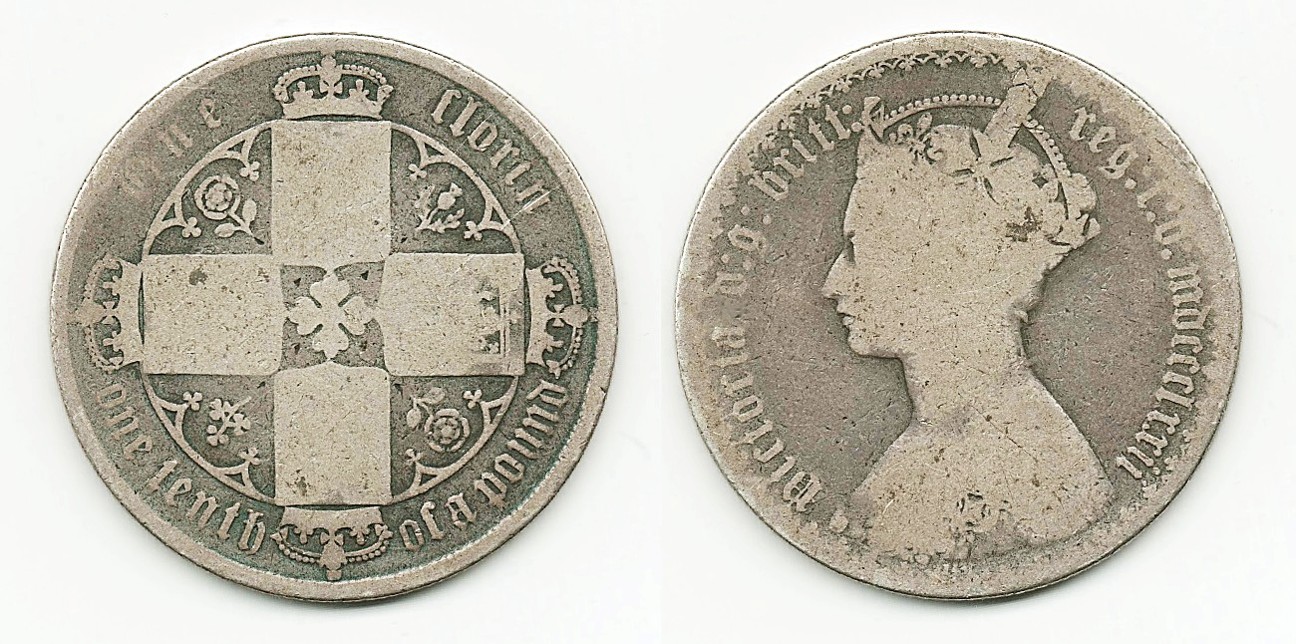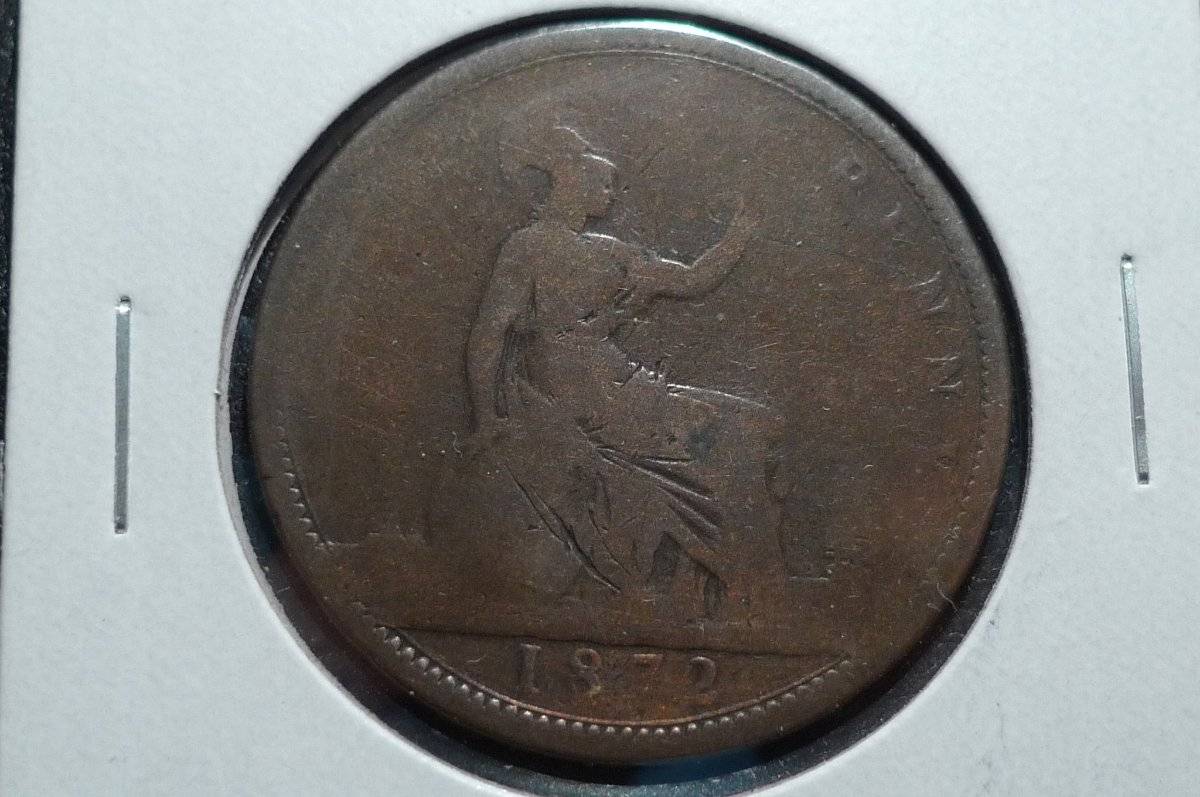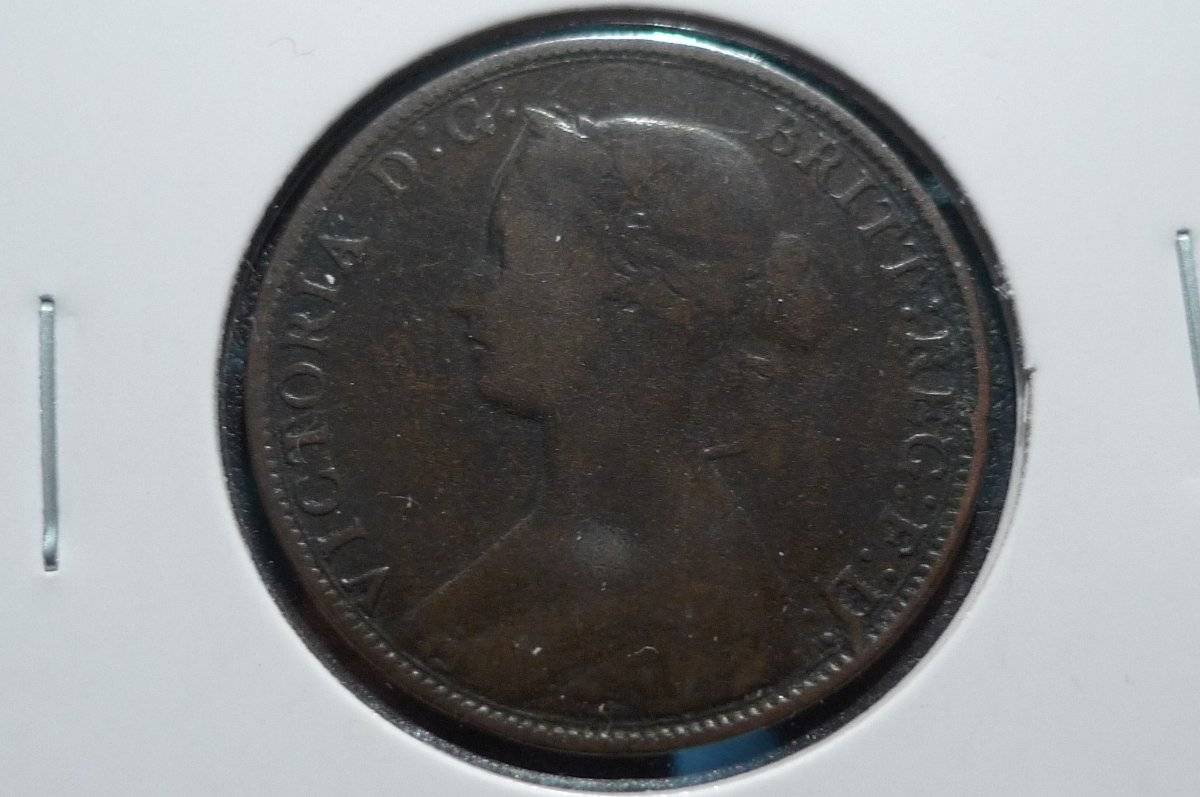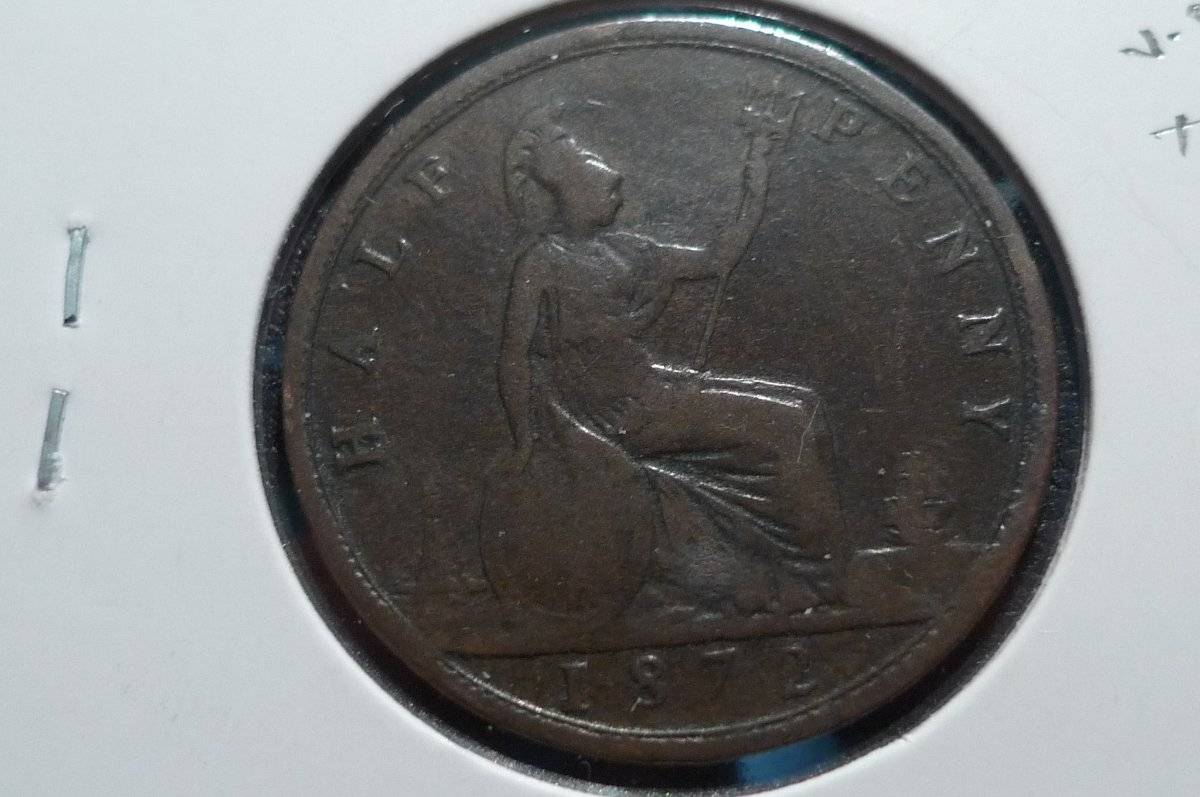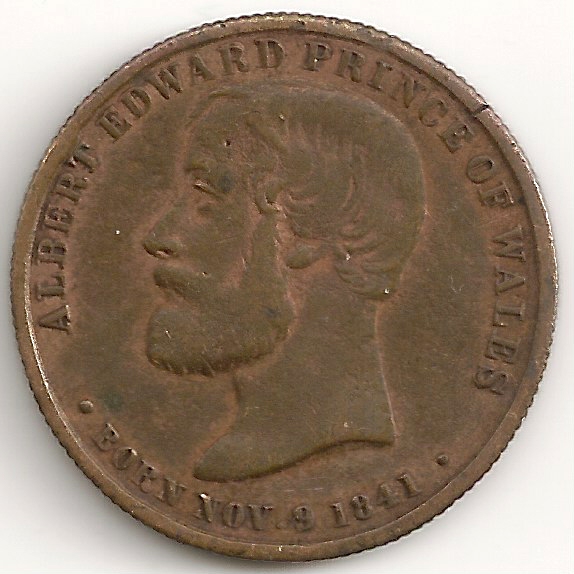
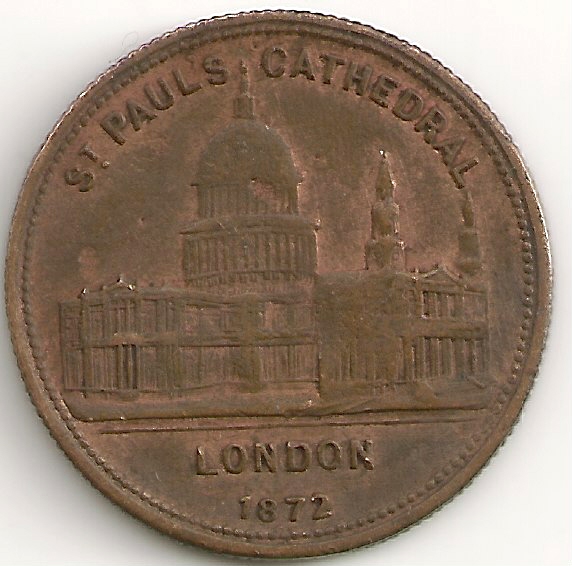
After the recovery of the Prince of Wales from a severe illness in 1872, Queen Victoria, who had earlier lost another son who was to have succeeded her, proclaimed a day of thanksgiving; or as The Illustrated London News put it, "The Queen of Great Britain and Ireland, on Tuesday last, went to St. Paul's Cathedral, in the city of London, with her son the Prince of Wales, to give public thanks to God for his recovery from the illness which had wellnigh cost his life."
"The streets were kept by a strong force of police and military, the traffic of carriages being stopped, and the roadway being cleared also of foot-passengers not furnished with tickets of permission. Bands of school-children sang hymns as the procession went by. The people everywhere hailed the approach of the Royal party with hearty and enthusiastic cheering. All eyes were bent on the last carriage to see the Queen, the Prince, and the Princess of Wales. Her Majesty looked in good health, and she looked happy. So did the Princess. As for the Prince, he looked pale, but not thin, after his illness; he seemed, however, to be in good spirits, and kept taking off his hat to bow to the people who cheered him. The Queen wore a corded black silk dress, trimmed with miniver, and a jacket to match. Her Majesty also wore a black bonnet, with black and white feathers and white flowers. The Princess wore a dress of dark blue satin, with polonaise of blue velvet, trimmed with fur, and a bonnet of blue velvet with feathers of the same colour. The Prince of Wales wore the uniform of a General offioer, with the collars of the Orders of the Garter and the Bath. The Duke of Edinburgh wore his naval uniform ; Prince Arthur wore that of the Rifle Brigade, and Prince Leopold wore the Highland costume."
"At Temple Bar the Queen was met by the Lord Mayor, the Sheriffs, and a deputation from the Aldermen and Common Council of the city of London, all in their robes, mounted on horseback. They all alighted, and the Lord Mayor delivered to and received back from her Majesty the City sword, according to the usual custom. But, contrary to general expectation, the gates of Temple Bar were not closed against the Queen, so that it was unnecessary to present her with the keys, and the heralds omitted to sound a flourish. The Lord Mayor, Sheriffs, and deputation again mounted their white horses, and preceded her Majesty on horseback to St. Paul's, and cm arriving there proceeded to take the several places reserved for them in the cathedral. The Lord Chancellor and the Speaker likewise, on arriving at the west entrance. proceeded to their seats."
"The Queen, with the Prince of Wales on her right and the Princess of Wales on her left hand, but taking the Prince's arm, walked up the nave, from the reception-rooms at the west door to the Royal pew, in a procession marshalled by the Lancaster and Somerset heralds, who led the way. It comprised the officers of the Lord Chamberlain's department, the equerries in attendance, the great officers of the Royal household, and those of the Prince's household, the Captains of the Royal Guard and Gentlemen-at-Arms, Garter King-at-Arms, and the other heralds, the Gold Stick and Silver Stick, the Master of the Horse, Lord Steward, Lord Chamberlain, and Vice-Chamberlain, who walked before the Queen. Behind her Majesty came the Duke of Edinburgh and Princess Beatrice, with the two boys, Prince Albert Victor and Prince George of Wales. Prince Arthur and Prince Leopold followed; then the Duke of Cambridge. The Mistress of the Robes, the Duchess of Sutherland, the Ladies of the Bedchamber, and the Chamberlain of her Royal Highness, brought up the rear of the procession."
http://www.victorianweb.org/art/arc...enes/21.html







 First Page
 Previous Page




 Posted 06/17/2020 12:50 am