| Author |
 Replies: 20 / Views: 1,626 Replies: 20 / Views: 1,626 |
Page 2 of 2
|
|
|
|
Pillar of the Community
 Italy
1790 Posts |
Thanks Ben for the input .
Here is the weight
3.33g
|
|
Pillar of the Community
Italy
1790 Posts |
Yes the pics are reversed. Sorry Bad computer camera.
|
|
Pillar of the Community
United Kingdom
4208 Posts |
Mirrored? I feel stupid. Might be real then. Faustina usually faces right ya see.
|
|
Pillar of the Community
Italy
1790 Posts |
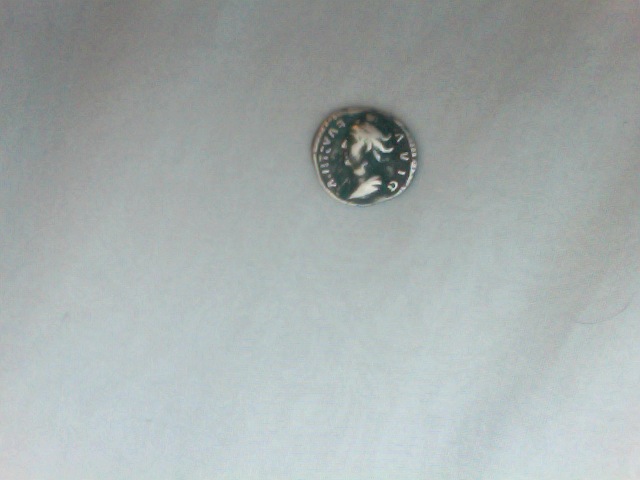 Sorry about the reversed images , at my computer at work. |
|
Moderator
 United States
23731 Posts |
I cleaned up your images a bit, this is the best I can do. 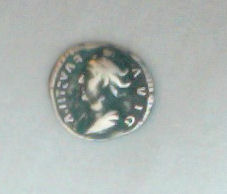 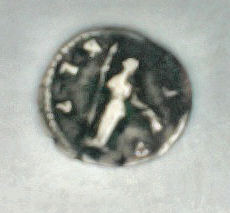 The reverse legend is not uncommon, what bothers me is that from what I can tell the bust type is one that I haven't seen before and I haven't been able to find a match for the reverse type. I think this coin isn't an official issue or a fake. Much clearer pictures will be needed to determine which. |
|
Pillar of the Community
Italy
1790 Posts |
Cleaned it up a bit ; brown spot on corner is still brown,but looks like it is encrusted on the coin 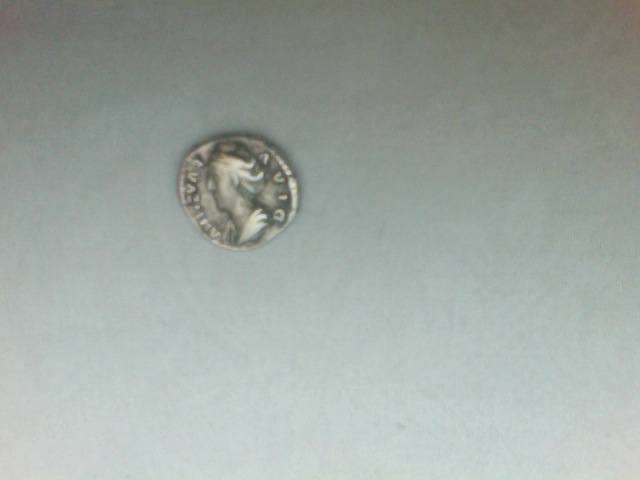 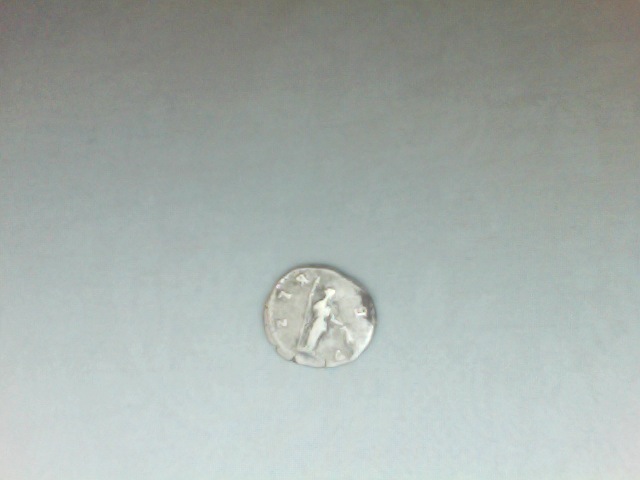 |
|
Moderator
United States
23731 Posts |
Much better pictures. The obverse looks OK now that I can see it. Actually I now believe the coin is fine but still haven't match the reverse yet.
|
|
Pillar of the Community
Italy
1790 Posts |
It's pure silver the brown spot has silver under it !, It's real , thank you guys for the help . I have one final question how much do you think it is worth ?
|
|
Bedrock of the Community
Australia
21789 Posts |
I am not altogether happy with this piece.
I would really like to have a look at the edges with a loupe.
I agree with BenByfield re style and provincial celators.
Suggestive of artificial patination, but I don't think that is really proof, either way, in this case.
Weight OK.
|
|
Pillar of the Community
Italy
1790 Posts |
For artificial patination it took hours of Lime juice and CLR to get it off. As for the sides they look like they have small cuts in them I will get a picture up in a day or two . PS Thanks for the input .
|
|
Bedrock of the Community
Australia
21789 Posts |
Edge splits can tell lots about if a denarius is fake or not.
If the blank was struck cool or cold, splits are more likely.
When the edge of the blank fails in tension, as a result of spreading under the hammer, metal distress occurs.
The inside surfaces of the split are very rough, where the metal was forced apart.
With a cast coin, the splits are copied from the original, and are much smoother on the inside surfaces of the split, and the split is usually much shallower.
With cast fakes, the is quite often the telltale signs of an edge join, or a filed off casting sprue.
Have a look for tiny spots of peeled off plating. These more often occur around the edge.
Edited by sel_69l
08/23/2013 11:18 pm
|
|
Moderator
United States
23731 Posts |
|
|
Bedrock of the Community
Australia
21789 Posts |
Comes from close examination of the 'black' collection of fake ancient coins that I maintain.
Most of them were obtained from leading public auctions, in job lots.
Very good for self education. I must admit, I also have a couple of very good educational books on the subject as well.
I got 'stung' once. That's what started me down this line of self education.
|
|
Pillar of the Community
Italy
1790 Posts |
Well aside from that brown spot on the coin and a few cuts , the sides look fine . Have a look. 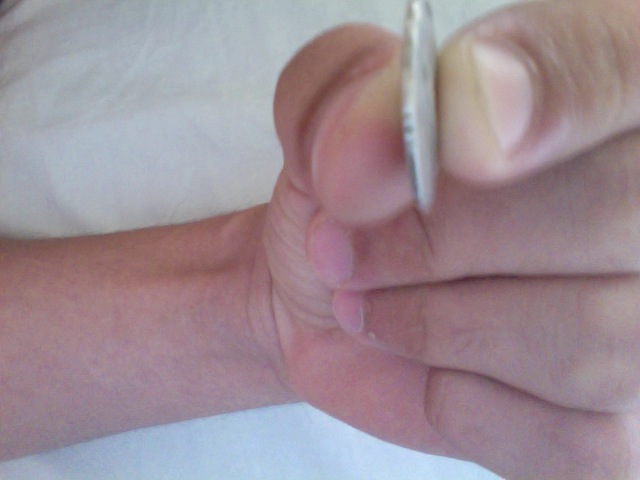 |
|
Bedrock of the Community
Australia
21789 Posts |
Bit too much out of focus for me, to make a comment of any value. Bit hard to examine surface texture of the metal, inside the splits.
Probably better to look at it yourself with a loupe, and make up your own mind, for your own education.
Edited by sel_69l
08/24/2013 09:54 am
|
|
Page 2 of 2
|
Replies: 20 / Views: 1,626 |
Page 2 of 2
|





 First Page

 Posted 08/23/2013 7:13 pm





