| Author |
 Replies: 25 / Views: 18,583 Replies: 25 / Views: 18,583 |
Page 2 of 2
|
|
|
|
Moderator
 United States
56855 Posts |
How far off can a MAD be? John1  |
|
Bedrock of the Community
United States
62064 Posts |
|
|
Pillar of the Community
United States
1249 Posts |
Yes mad coin I would say a decent one too
|
|
Moderator
United States
56855 Posts |
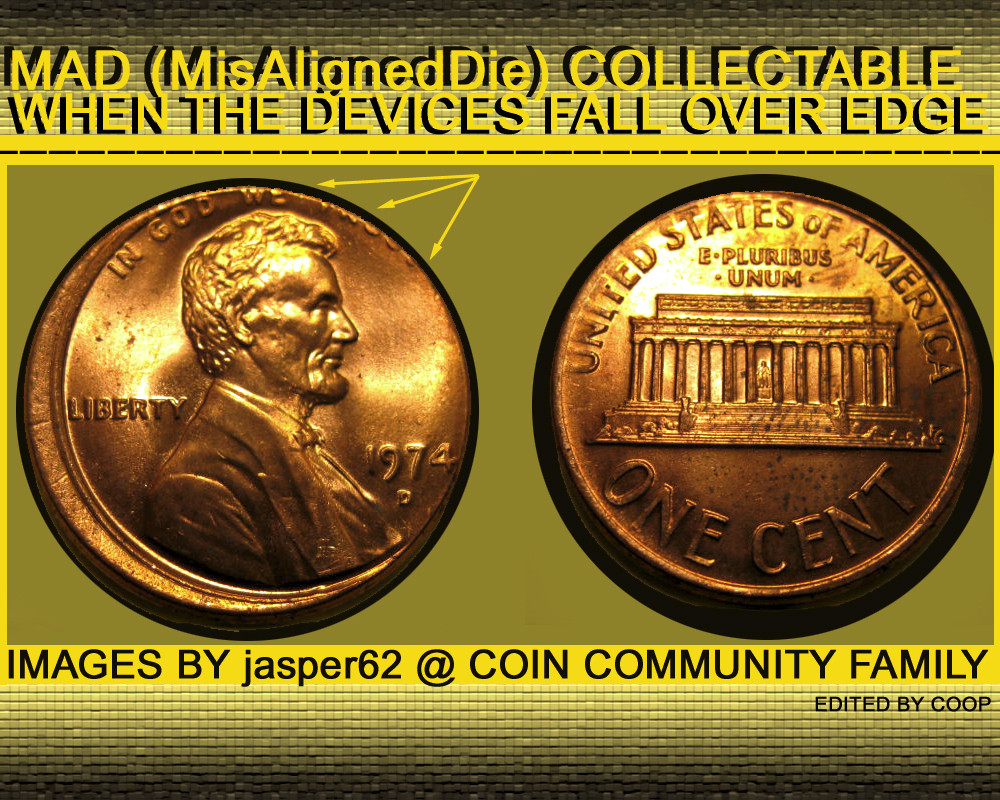
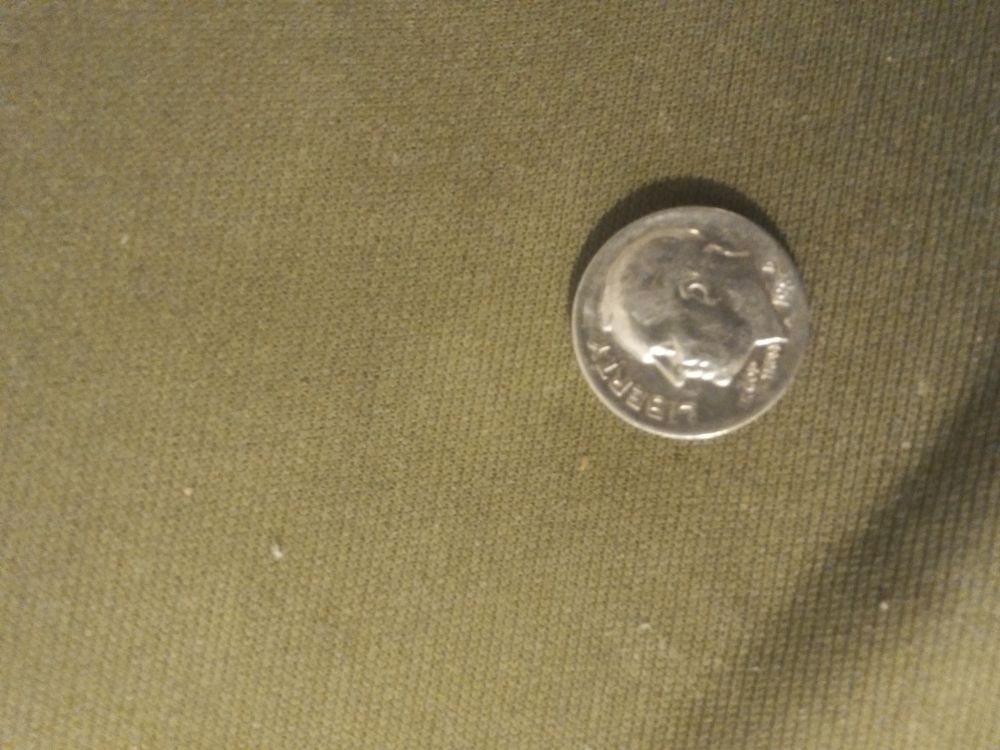
In %,what % is the OP's dime off? 15%? What is the max % a MAD can achieve? John1 |
|
Bedrock of the Community
United States
62064 Posts |
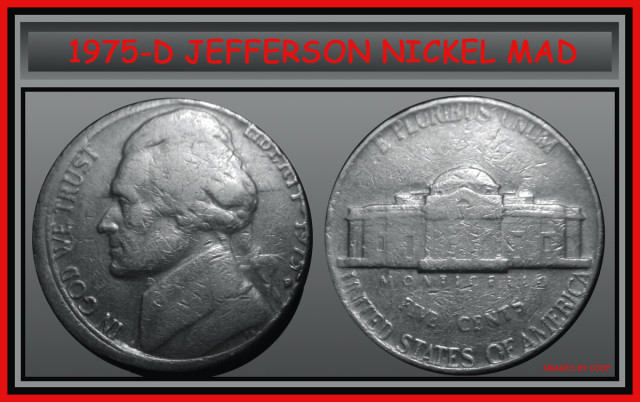
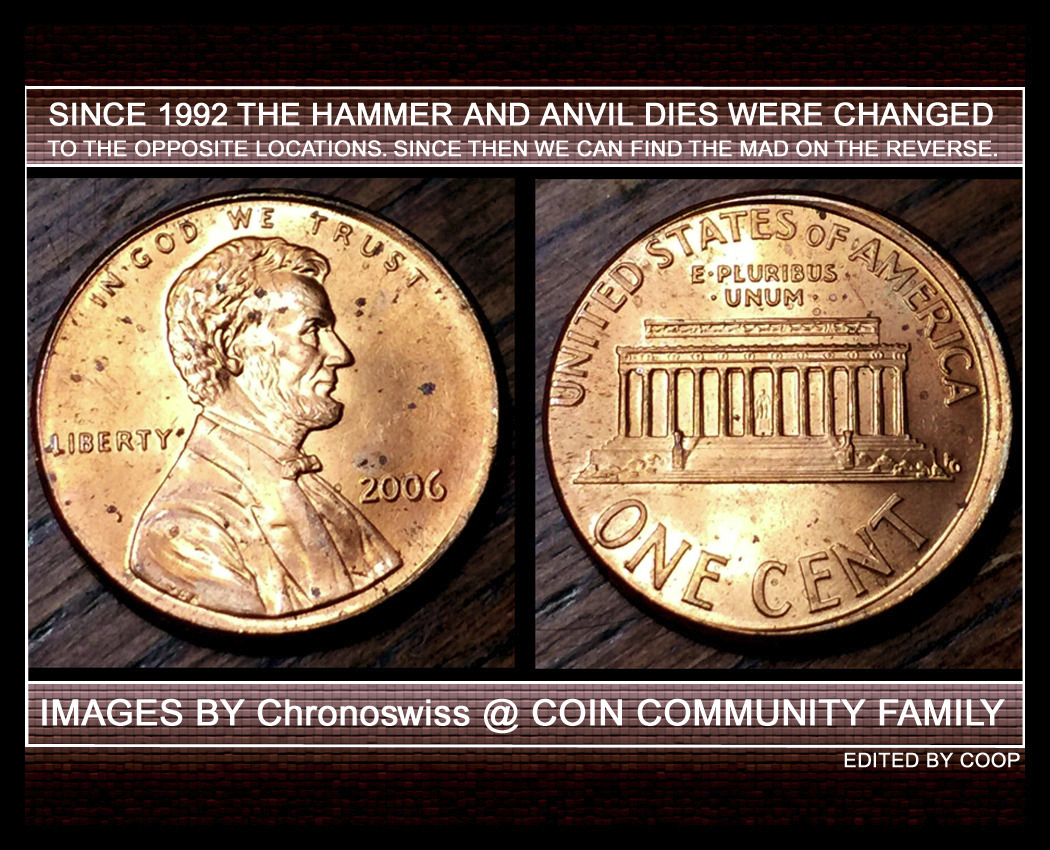
Max? I've seen one example (but don't have an image of) that was even stronger. But I would think a strong one like this one is in the 15% range.
|
|
Moderator
United States
56855 Posts |
Thanks coop. John1 |
|
Valued Member
 United States
260 Posts |
thanks for the awesome response coop. the graphic helps a lot. is there any sort of market for these?
|
|
Bedrock of the Community
United States
62064 Posts |
I would keep this one. Although the date doesn't fall over the edge, I feel it still should be viewed as a collectable because of how far away the rest of the coin is MAD.
|
|
New Member
United States
11 Posts |
|
|
Moderator
United States
56855 Posts |
Yours would be a spender,IMHO. John1 |
|
Pillar of the Community
United States
1781 Posts |
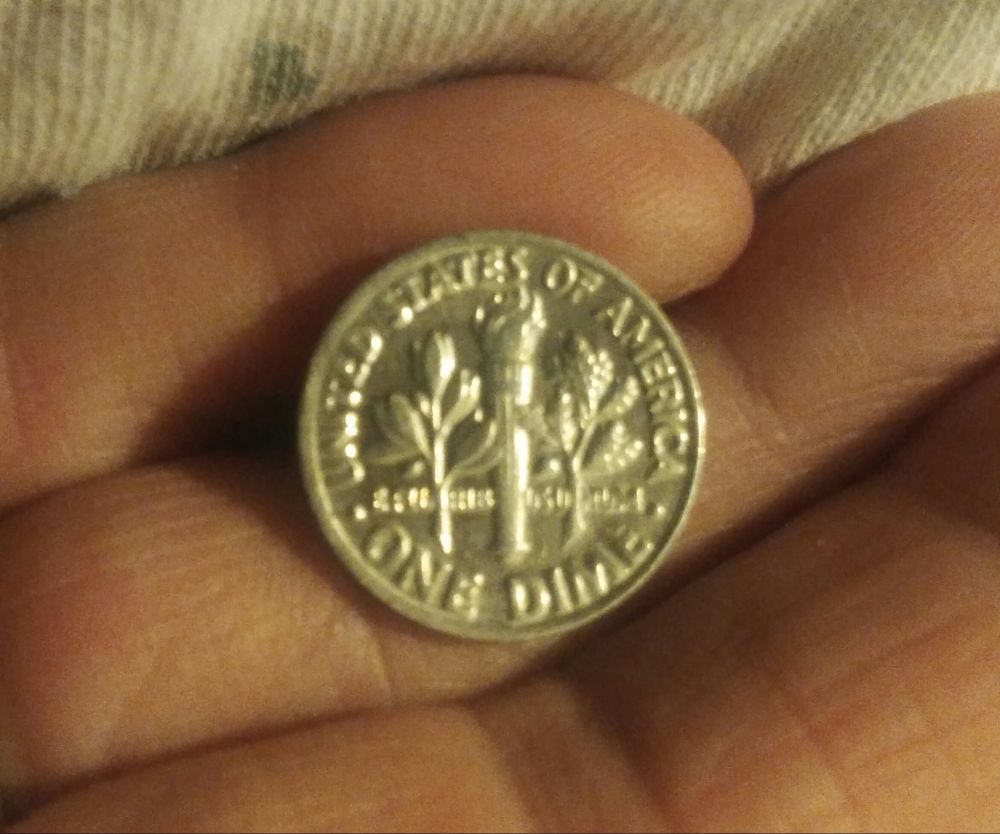
I would argue that the 1985-P dime was struck from a improperly heat treated and worn "sunken" obverse die. It appears to have been struck from one of a number of improperly heat treated obverse dies. The improper heat treating caused die sinking; manifested most prominently as flattening and excessive concavity near the rims of the coins. This effect is seen on many 1985 dimes from both Denver and Philadelphia Mints (with all the dies being made in Philadelphia during that era). The reverses of these coins are most often weakly struck from well worn dies due to poor fit-up of the dies caused by the defective obverse dies; the effect seems progressive. The areas of greatest flattening on the obverses shift around the circumference of the coins (sometimes showing strongly in more than one area) suggesting uneven heat treating from die to die involved.
Insufficiently upset planchets (or blanks) and Misaligned dies have also been identified as possible causes of these errors but the coins suggest otherwise in that this effect is largely restricted to one year/denomination, can be found in both Denver and Philadelphia Mints, appears progressive on both obverse/reverse and is so prolific.
Minor at best considering how many there are but still an error caused by a mistake in the processing of dies inside the Mint unrelated to normal die wear.
Edited by koinpro
08/24/2018 07:37 am
|
|
Moderator
United States
56855 Posts |
Great explanation koinpro,I just booked mark it. Nice to see you post. John1 |
|
Pillar of the Community
United States
1781 Posts |
|
|
Pillar of the Community
United States
2376 Posts |
I did the same as John , great to see you Ken !
|
|
Bedrock of the Community
United States
79330 Posts |
Awesome explanation koinpro! I had a good time reading your response, and I learned something new from it.
Errers and Varietys.
|
|
Page 2 of 2
|
Replies: 25 / Views: 18,583 |
Page 2 of 2
|





 First Page


 Posted 09/29/2015 8:41 pm