OcalaFlorida There are very few of us who want to buy counterfeits and forgeries, so dealers will get to know you for what you will buy. We solve their problems of disposal.
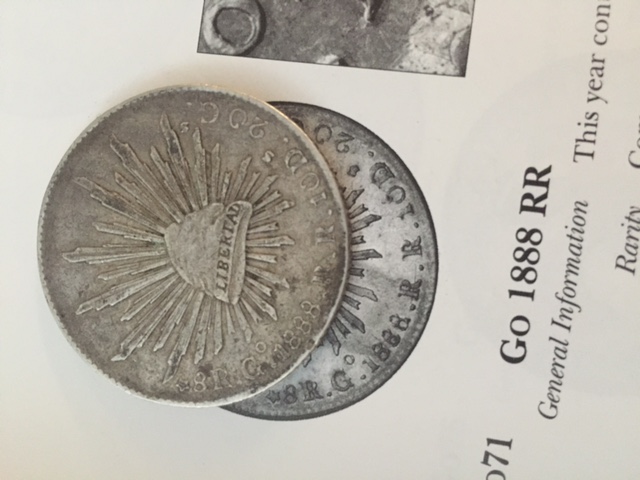
Today I ordered "RESPLANDORES. Cap and Rays 8 Reales of the Republic of Mexico 1823-1897" found a copy in excellent shape for $165 seemed like a good deal should come next week.
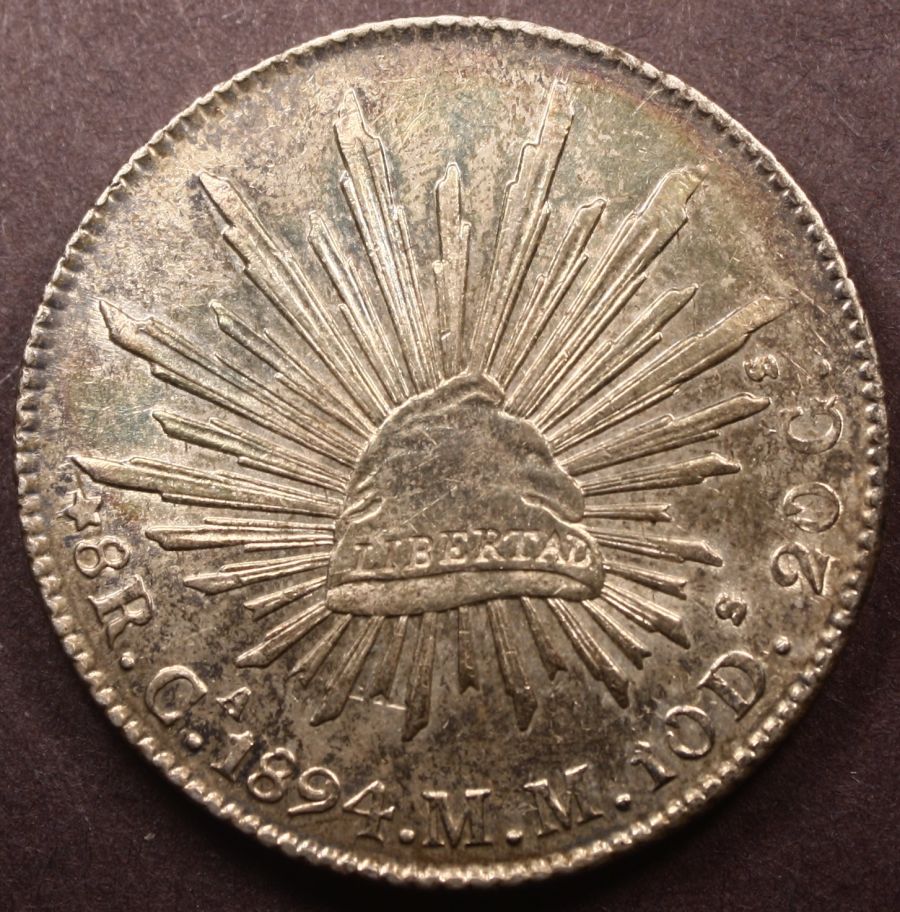
You can buy the book Resplandores directly from the author for $125. Contact Mike Dunigan Coins out of Fort Worth Texas. Outstanding reference book. Nice coin you picked up, be very careful with early Zs mint 8 reales, lots of counterfeits as Bob mentioned earlier, but that is what makes the series so much fun.
One of the best features of Resplandores are of course the photos of the coins. I only wish there were digital copies of all the photographs available for use in die confirmation. This is most important for the earlier technologies of die making. So you are correct in searching databases like Heritage for other examples. I have been capturing images for my own use for years. This can create for you the digital record you will need to go along with the facts Resplandores provides.
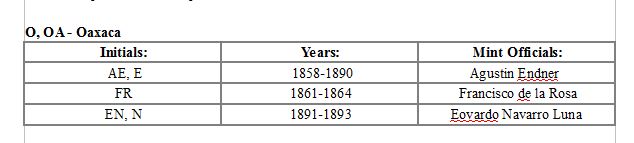
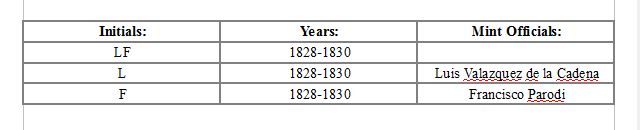
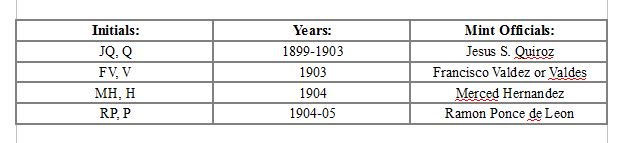
As you will come to know, there was a radical change in technology that took place during this series. The most difficult feature of this technological change for a beginner to grasp was that it was not introduced uniformly in the branch mints and that progress was not steady forward. Many mints change the technology used in rather random fashion. Many actually show regression in technology due to many factors. One great bit of knowledge that Resplandores provides in one place is a summary of the individuals, corporations or government entities that ran the mints.
For most of us the concept that mints were semi-private facilities may come as a surprise. But it answers many of the questions about why did die making no only varied so much, but why changes in both directions often seem to happen overnight.
Many of the high output mints were operated and controlled by mining interests. As such the profit made by selling silver was the real interest of the mint - NOT producing a uniform or beautiful product. Technology was used as long as it was not too expensive. So start by getting familiar with the operators of the mint and when they changed hands. The closer the ties to the Federal government the more likely the mint was to trying to conform to federal "standards".
The early working dies were often cut (punched) using very crude machinery. A manual press was obviously limited by its total capacity when trying to press steel punches into a steel die blank. Horse driven presses allowed larger elements to be punched at one time from positive master punches. Steam power provides the final capability needed to use full hubs. Once full hubs were introduced all branch mints could be forced to standardize their dies by providing master hubs. The final step was the production of all working dies in one die shop.
As a result, the earliest dies tend to supply the most variety. The earliest dies vary in spacing of the elements so that no two dies are alike. Dave O'Harrow and Clyde Hubbard indicate in their book Hooknecks that the eagle used on those coins was made from several punches. In that series - each wing may be a different punch so variability is unlimited.
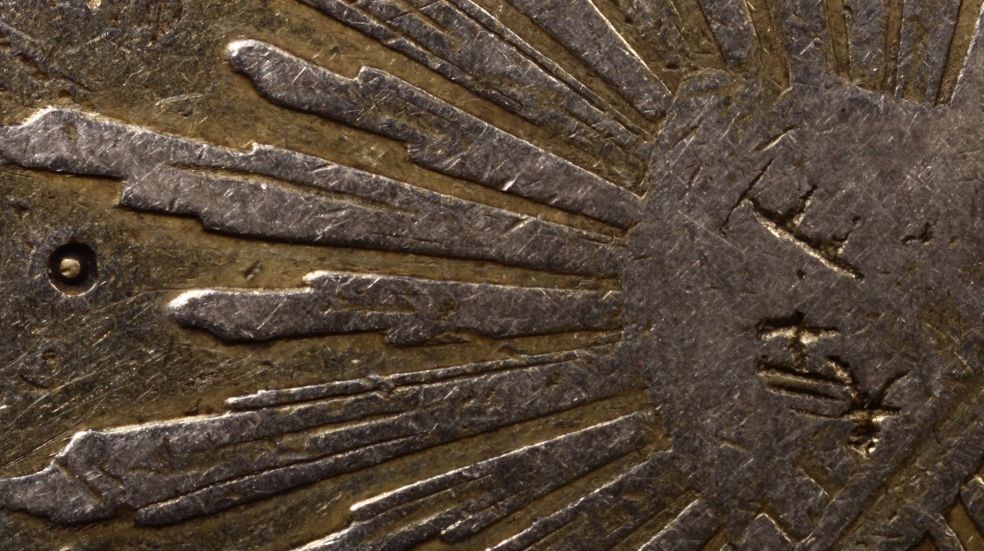
John Riddell in his Monograph mentions King Punches, a technology that could press the central design elements all at once. This means that a Cap and Ray design where the punch has both the Cap and the Rays will never have variable ray positions in relation to the cap. However the same coin could have variable spacing of the legend. A die made using individual ray punches will have variable ray positions. Sometimes there are even a variable number of rays on the Cap.
Hubs (a full positive impression of the design) were not introduced uniformly. In mints like Durango, the early introduction of hubs was a failure and the mint reverted to very crude die making for financial reasons after the first hubs wore out. Places like Zacatecas used a King Punch System of partial hubs for many years after many of the other mints had converted so legend spacings vary more at that mint than many others.
Low volumes mints like Oaxaca tend to have the most crude methods. I have even seen mixtures of hand engraved and punched elements on the same die.
When I started collecting 8Rs there were no computers or digital photos so it took thousands of hours to get to the point that Resplandores can take you to immediately. By comparing pictures you can see when technology changed. The book provides some of those clues directly by mentioning the introduction of steam power, etc..
All of this was to warn you about how to approach a design variation.
After you check the physical parameters - weight, size and density even XRF signature of a coin - you need to determine if the die was made correctly for the mint and year. This is often how you can identify counterfeits.
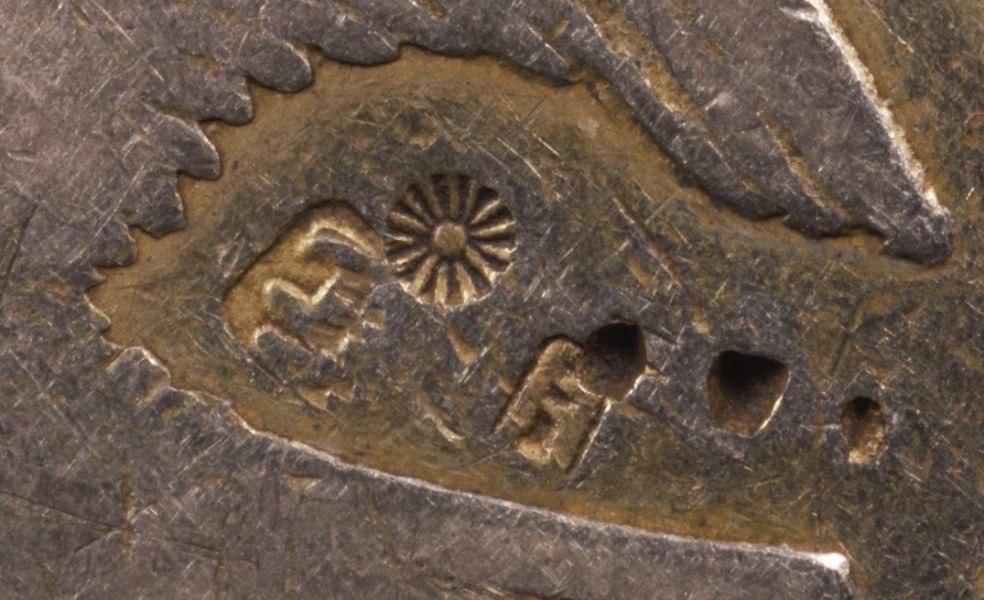
For example. If you are reviewing your 1836 Zacatecas coin you need to know that the Eagle was made with a King Punch. If it was fully set into the working die there should be no major differences in the art work on the bird. The feathers etc. should all be the same. You also need to know if any minor elements were added to the die AFTER setting of the major punches. Variations in the lower beak, eye and nostril location all may be finishing touches on the die.
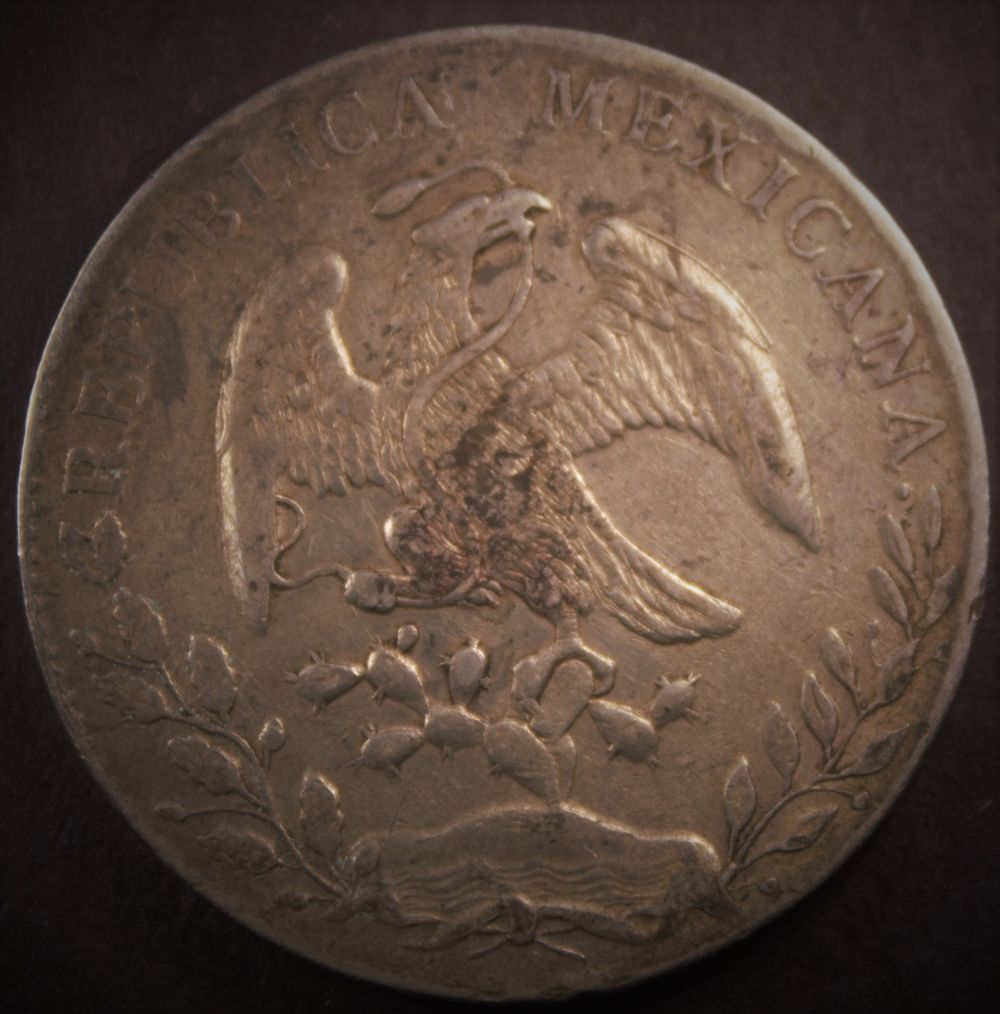
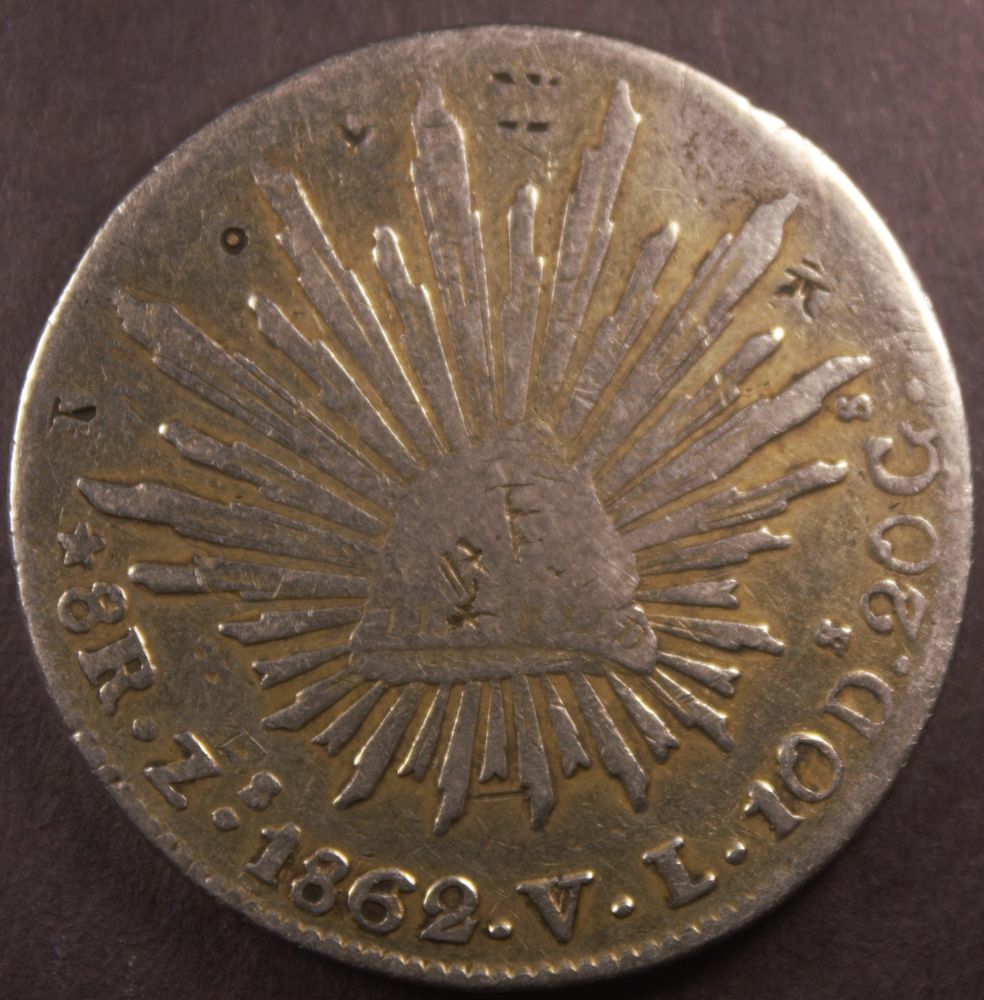
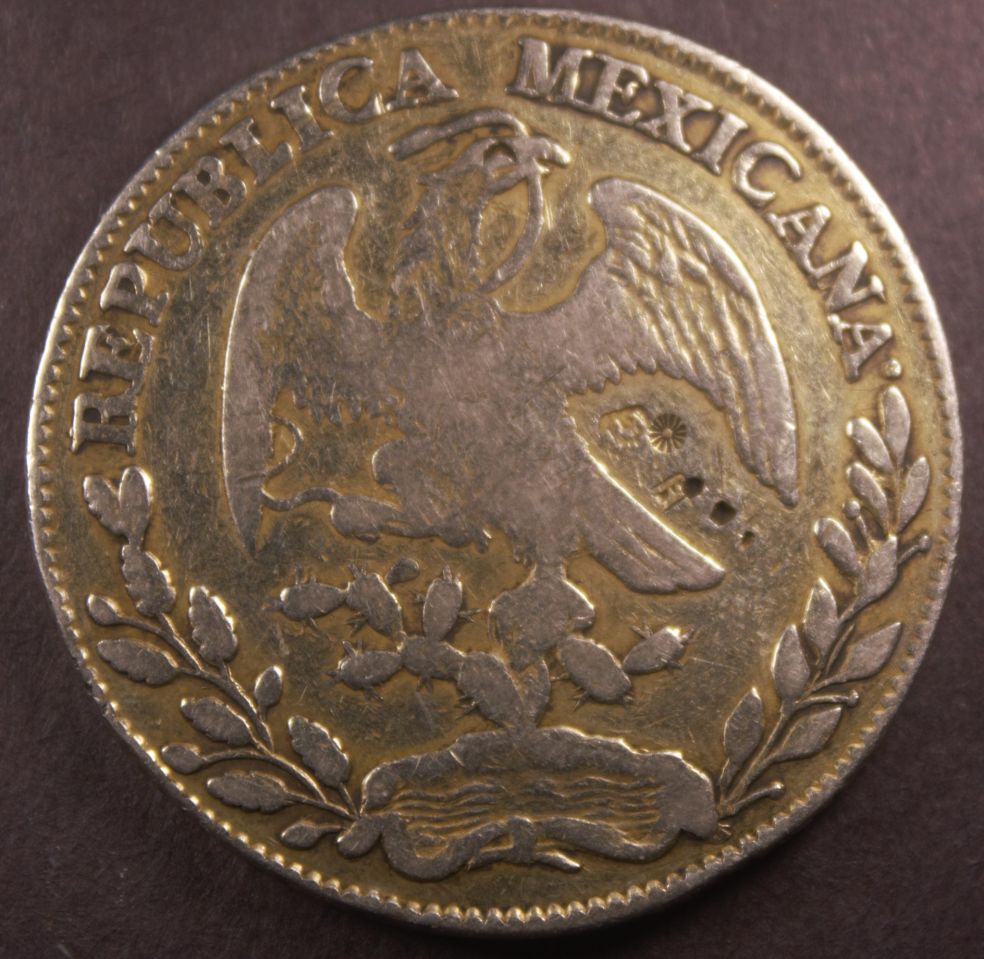
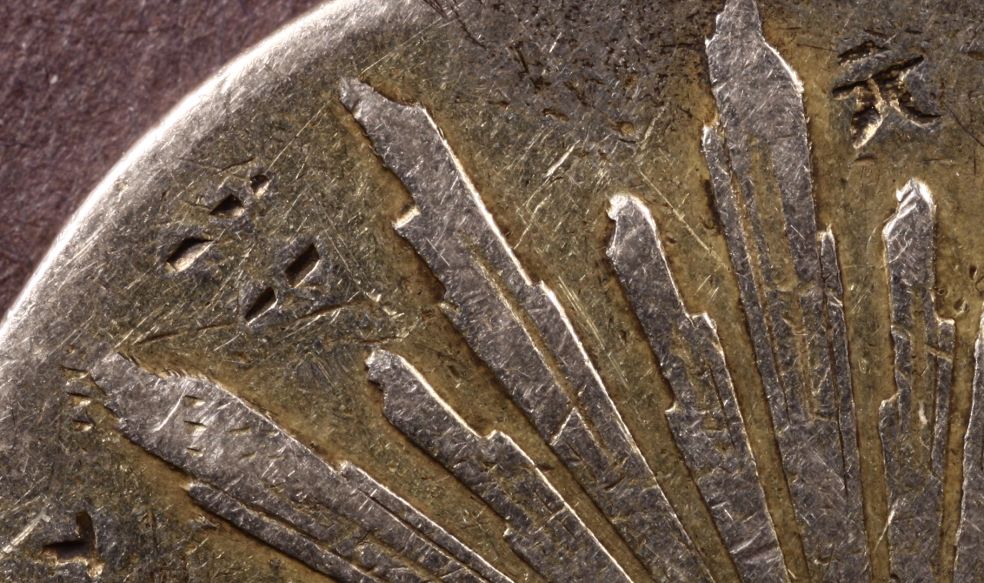
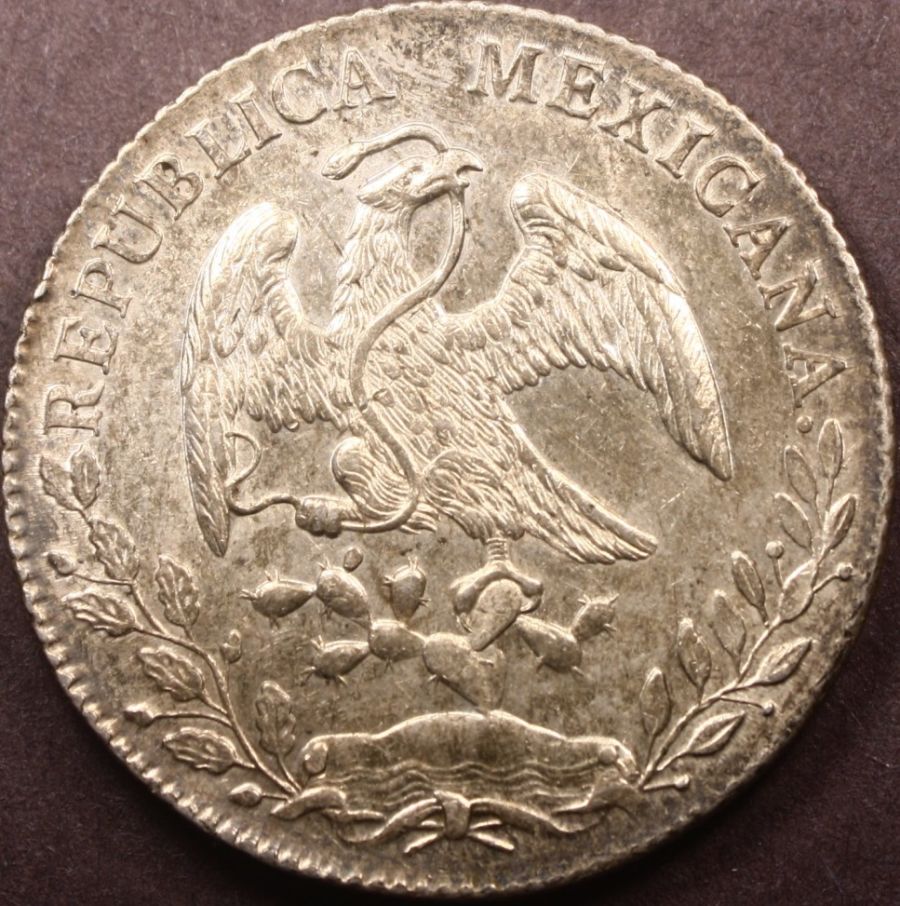
This cap & ray 8 reales was struck at the mint in Zacatecas mint .
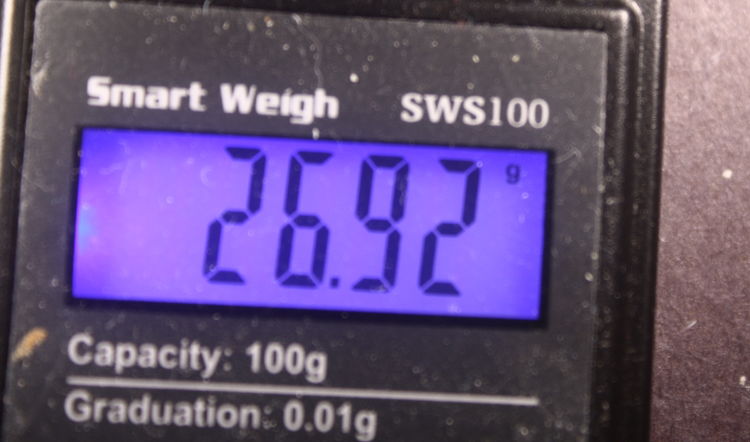
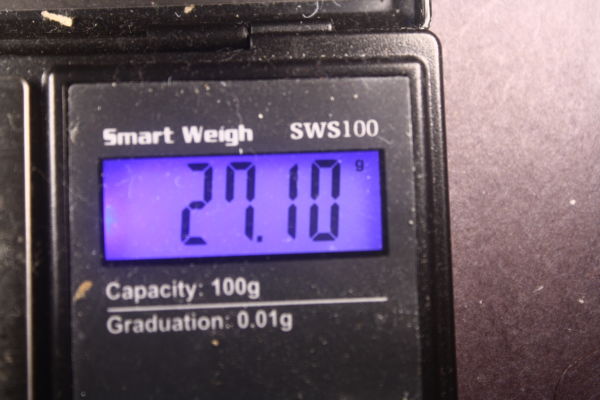
Mintage: unknown Weight:27.10 g Diameter:varies from 36.85 to 37.02 Catalog reference: KM-377.8
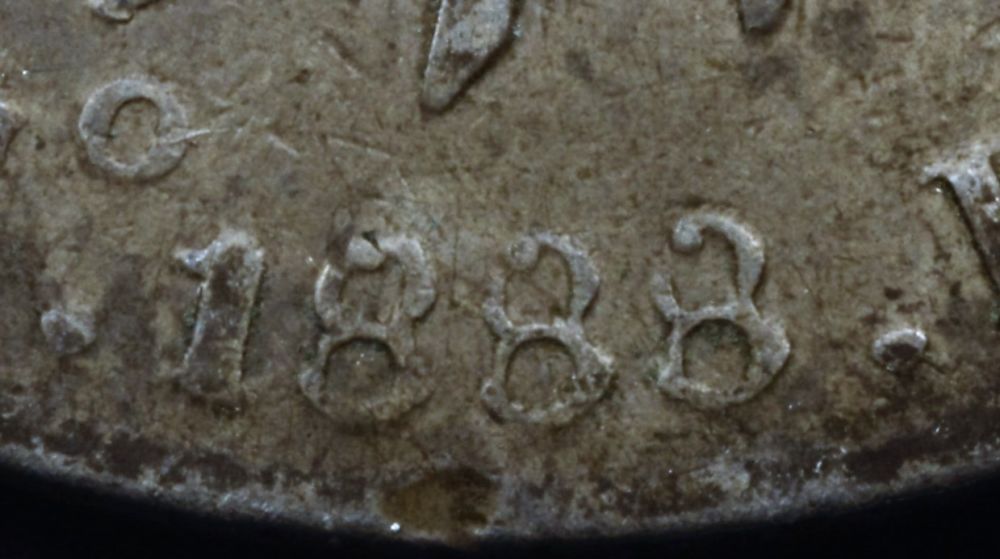
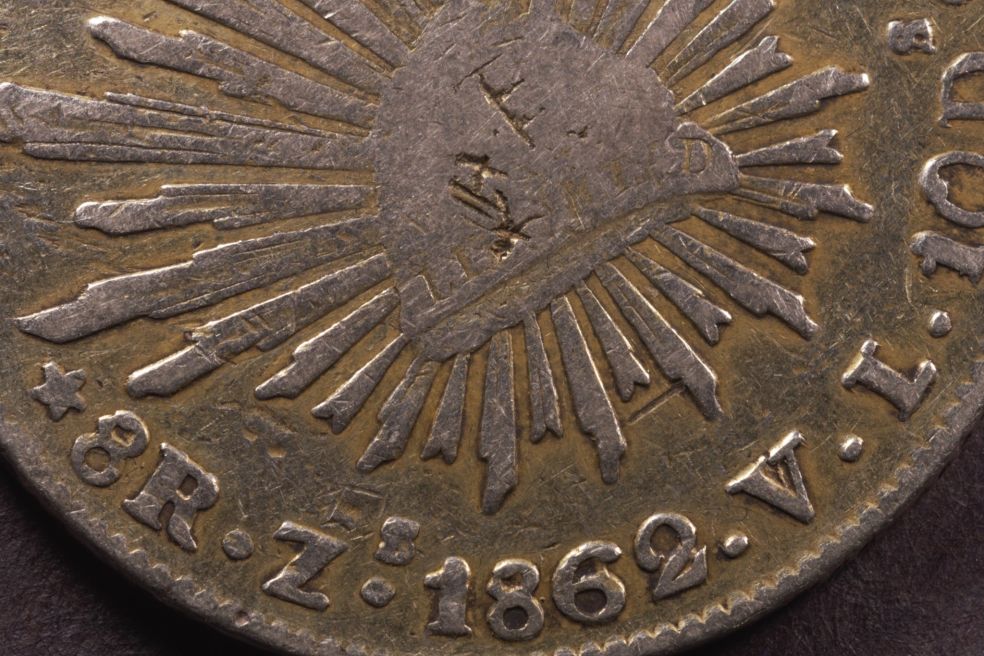
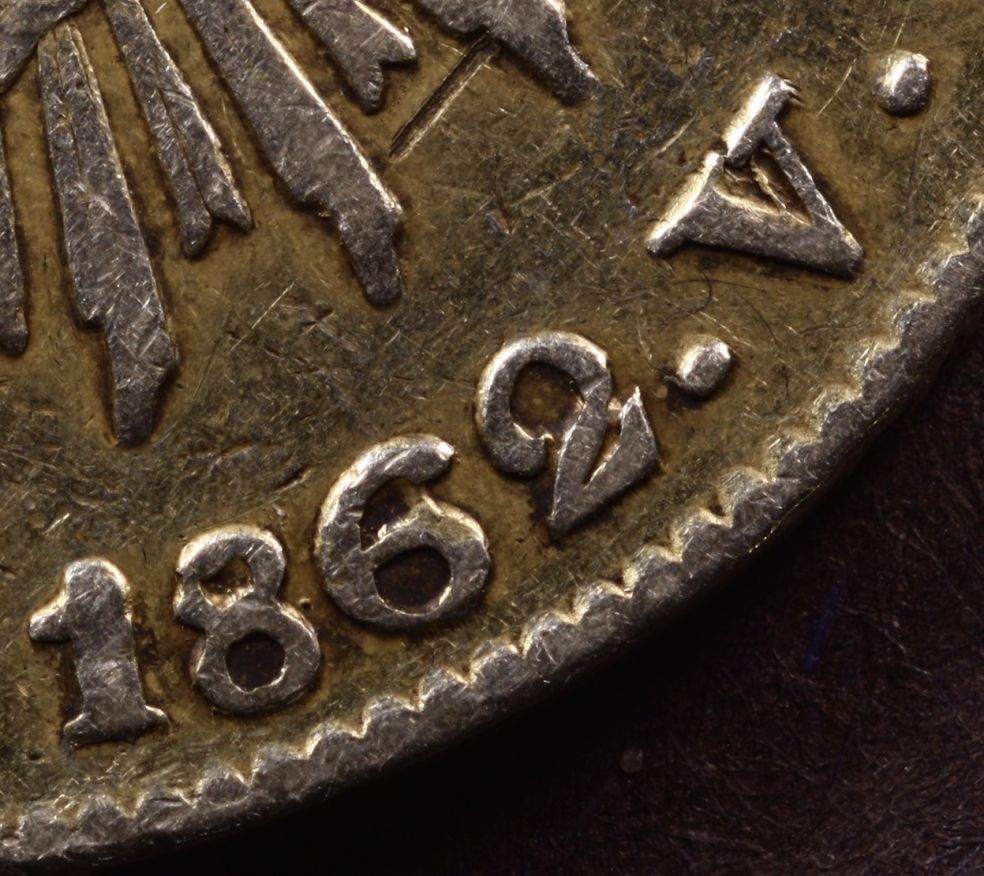
the date and VL appear to possibly be repunched or have something going one.
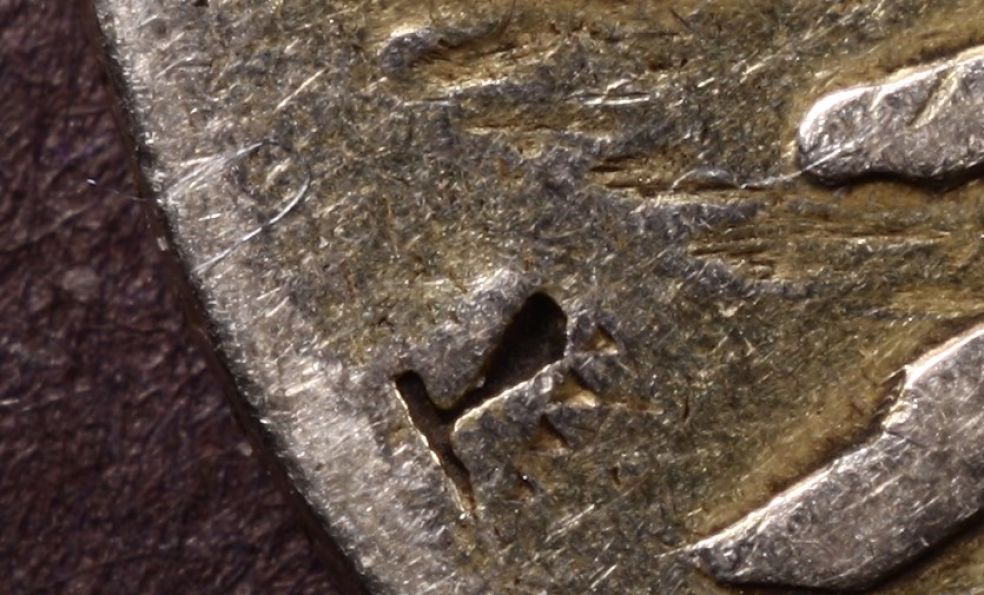
the coin is not the best of shape but has some cool character so I can overlook it most likely been cleaned, polish and around the block with a bunch of chop marks.
Your assessment of the Standardized coin is correct, no problem there.
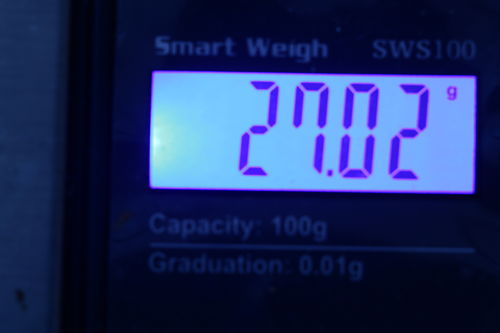
Regarding the other coin (1862 Zs VL), the weight is too high and you should search for the reason. Did you check around the edge to see if the coin was mined out? Does it ring correctly? Is the density correct?
Remember that an intact mined out coin is worth more than with the layers separated.
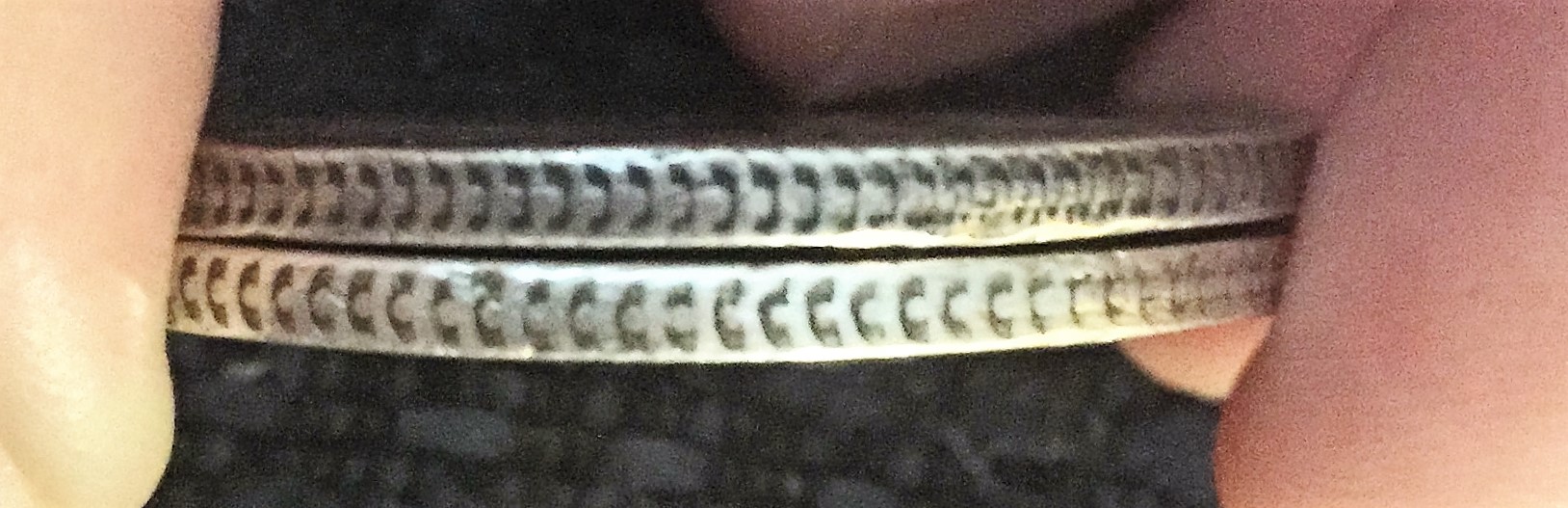
The edge of coin looks correct does the pattern vary ?
what I mean is when they mint the coin are the obverse and reverse always in same location.
0.80 mm thick almost at all points
so when you turn coin on side to view the edge of the coin for example if the obverse is to the top and the reverse to the bottom is the edge pattern circles inside crescent shape with dot facing toward east or west? or does this vary per die and could keeping record of this be useful in any way?
when coin the when I drop the coin it does not have the ting sound at end
here is a bad video
Note:the first coin is coin in question it stays towards top of screen
yeah something different about that 1862 the feel weight in hand versus my other coins has slightly different feel like the weight is not even or something?
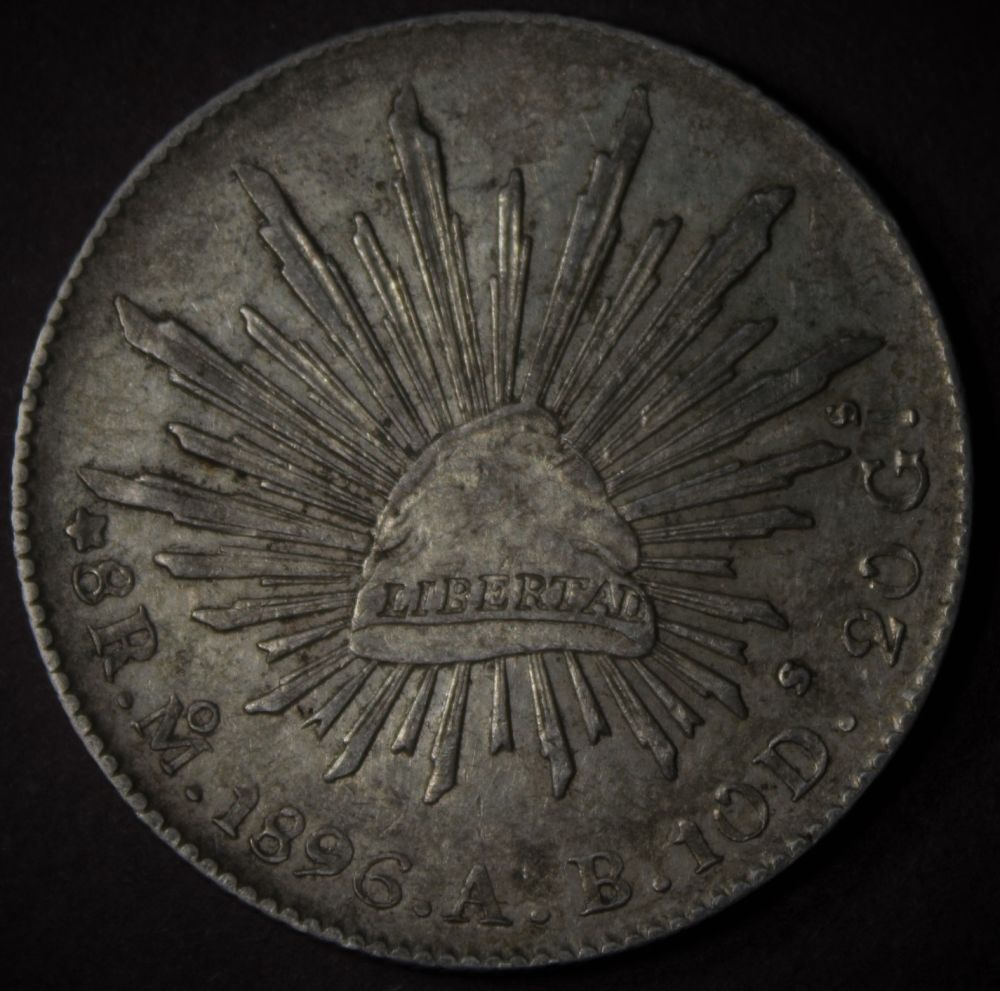
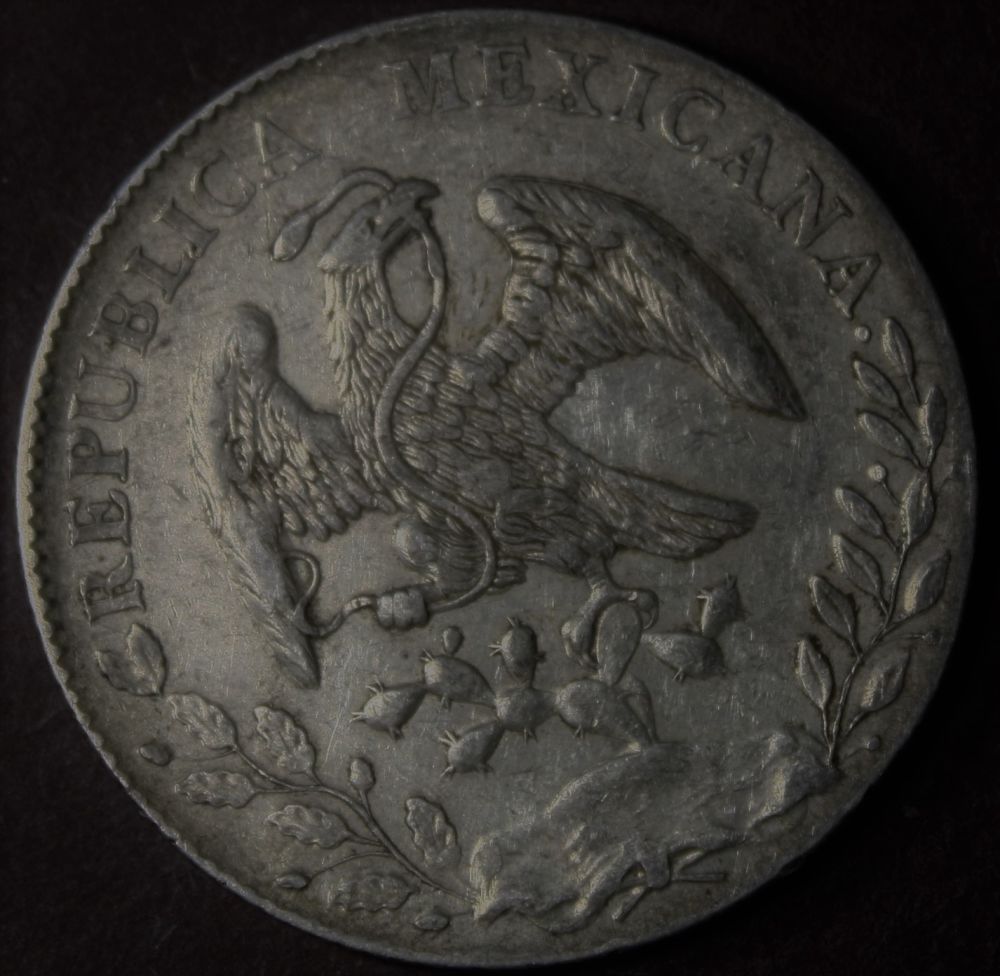
1896 MO AB Mexico 8 Reales
This 1896 MO AB Mexico 8 Reales was not pictured in Respladores book
weight:26.97 grams
Is a part of the "standardized" dies with two "dragon teeth"
I found reference to compare to here
It has several matching factors like has same thing going on the right eagles top wing has extra outline. Shape of the date and lettering
Every thing look good here but the the side or edge of the coin the pattern was odd in comparison to my others but my sample set of coins I own is small so maybe not to acture to judge against.
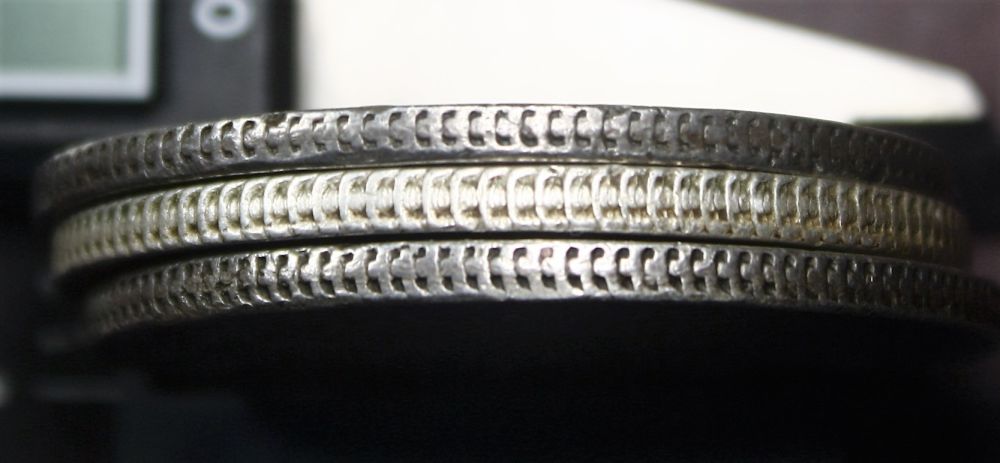
Is the Edge weird on the middle one?
the coin in question is the middle one an 1896 MO AB the other coin are only 1 year off 1897's
the dots are normal but part get slit has line and a split or 2 dots see image sorry it was hard to capture.
The edge is simply less worn than the others. The pattern is the same but you can see the components clearly.
The edge also shows some doubling - that would be the overlap. At the time the edger was steam driven and more than one blank was edged at one time. So many of the standardized die coins are found with multiple edges - after one full rotation (a double impression) it usually gets hard to make out the individual segments.
Regarding the "extra" out line on the wings that is also seen on many standard die impressions. I presume it was a milling line on the hub. This extra outline would not likely survive die lapping - so many older dies have no trace remaining even on MS examples.
I do some very basic data mining at work so I started doing some for my own reference for the series
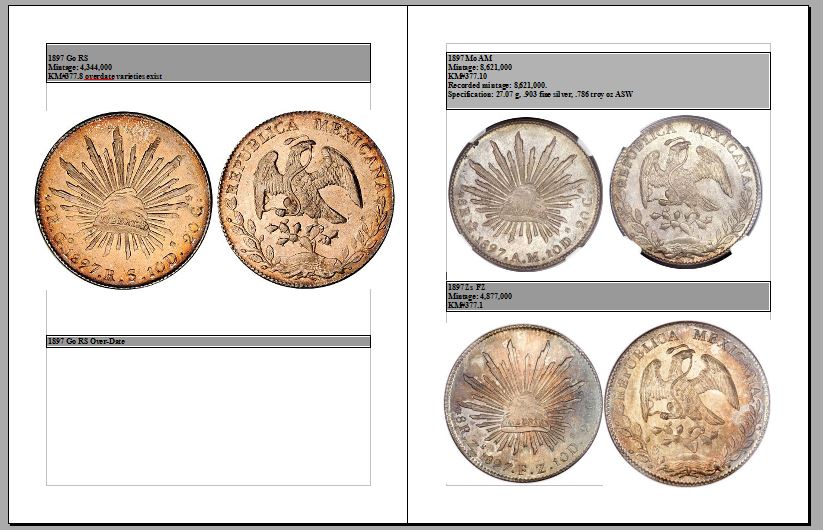
I have been making some basic reference for fun in my spare time. I started to note including overdates and varieties not listed in Resplandores to print for myself as an add-on reference. It looks like it will almost over 1,200 pages when complete maybe I need to break up by mint.
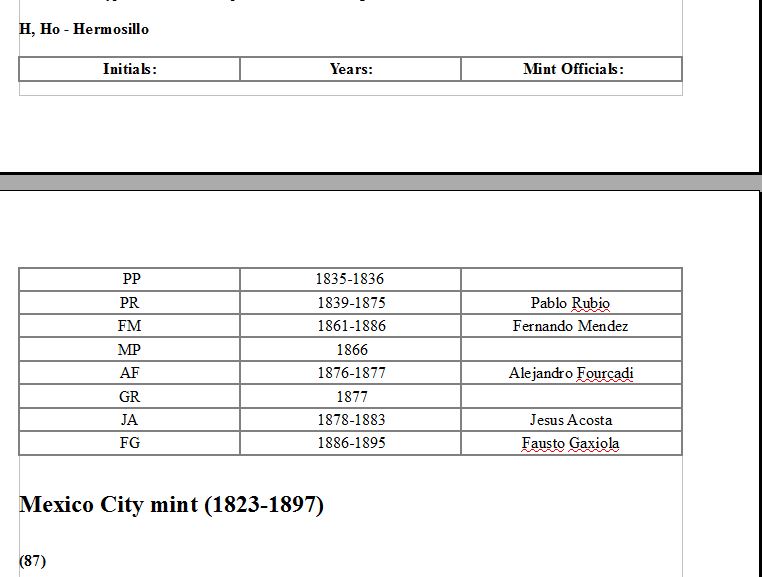
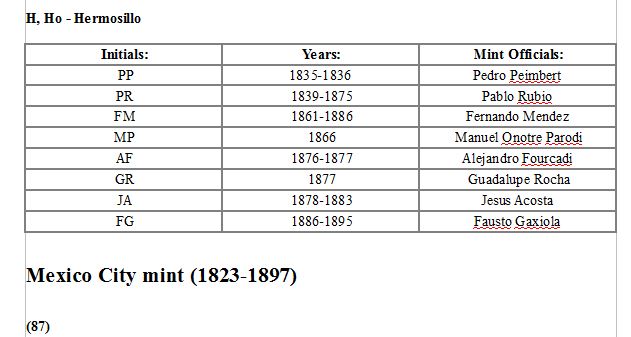
I also made a list of assayers for all mints missing only 10% or less for whole series only a few hours in trying some machine learning to see if it can guess or figure out the missing ones.
Disclaimer: While a tremendous amount of effort goes into ensuring the accuracy of the information contained in this site, Coin Community assumes no liability for errors. Copyright 2005 - 2026 Coin Community Family- all rights reserved worldwide. Use of any images or content on this website without prior written permission of Coin Community or the original lender is strictly prohibited. Contact Us | Advertise Here | Privacy Policy / Terms of Use








 First Page


 Posted 04/29/2016 09:25 am



 so much fun