| Author |
 Replies: 18 / Views: 2,774 Replies: 18 / Views: 2,774 |
Page 2 of 2
|
|
|
|
Bedrock of the Community
United States
12477 Posts |
I was gonna say get another one of those buckets and add Corona and ice (lime optional) but, that probably wouldn't mesh too well with finding true doubled dies.  In Memory of Crazyb0 12-26-1951 to 7-27-2020
In Memory of Tootallious 3-31-1964 to 4-15-2020
In Memory of T-BOP 10-12-1949 to 1-19-2024
|
|
Pillar of the Community
 United States
865 Posts |
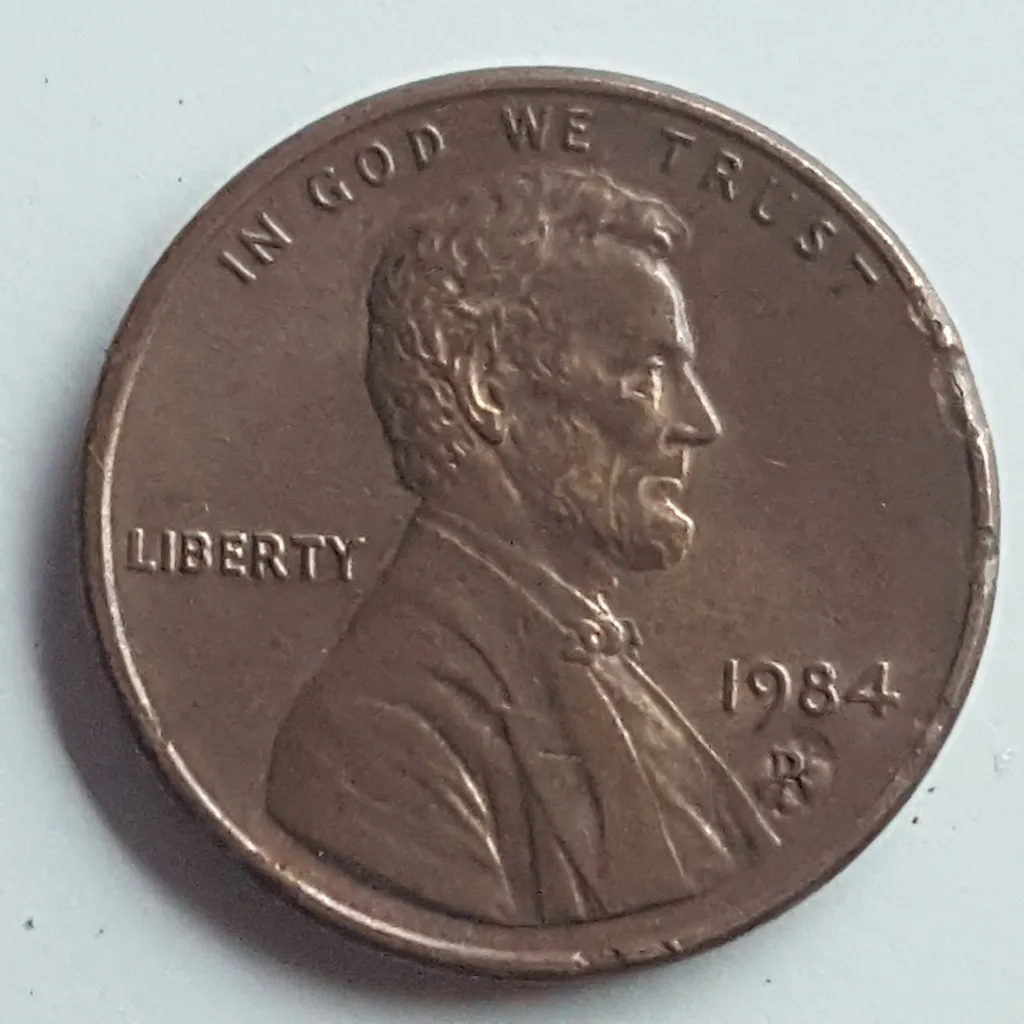
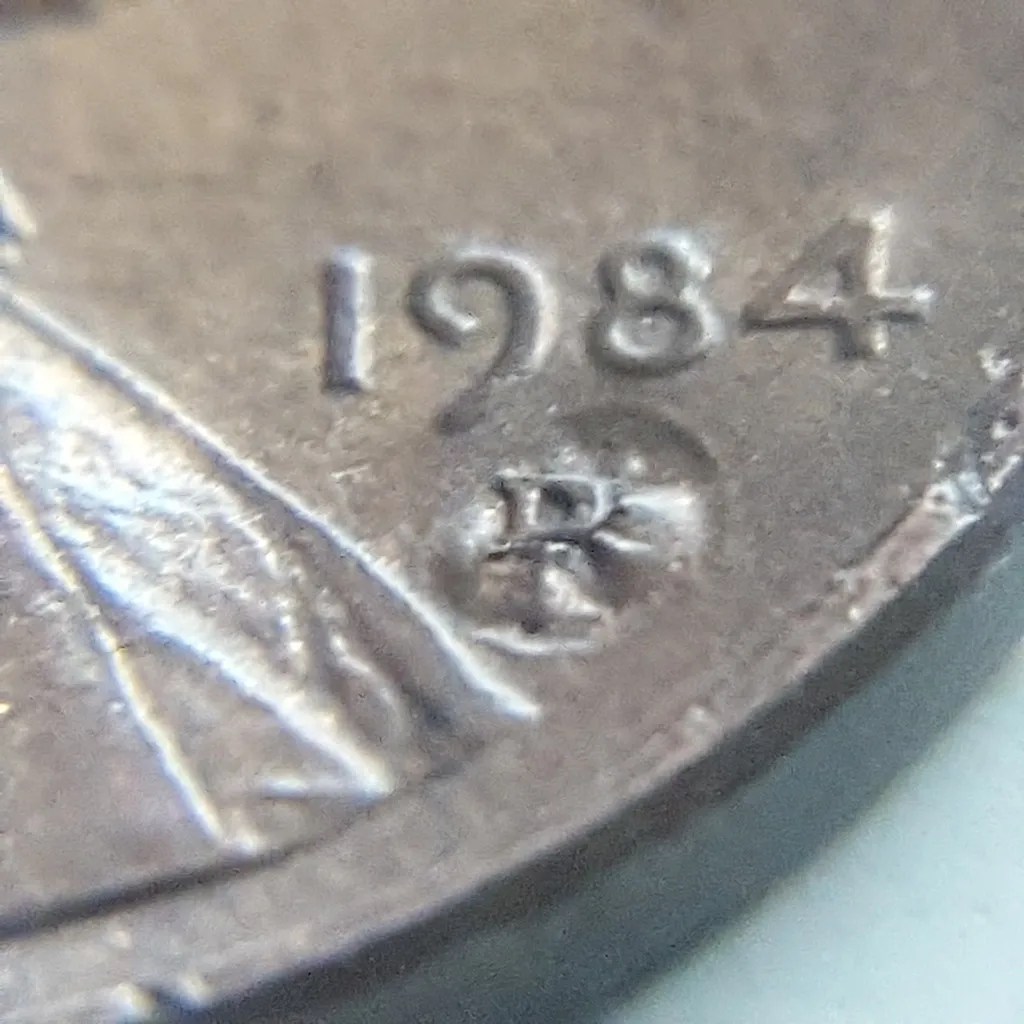
1st update came alot quicker than I thought. What do you guys think of this one? 1984 D 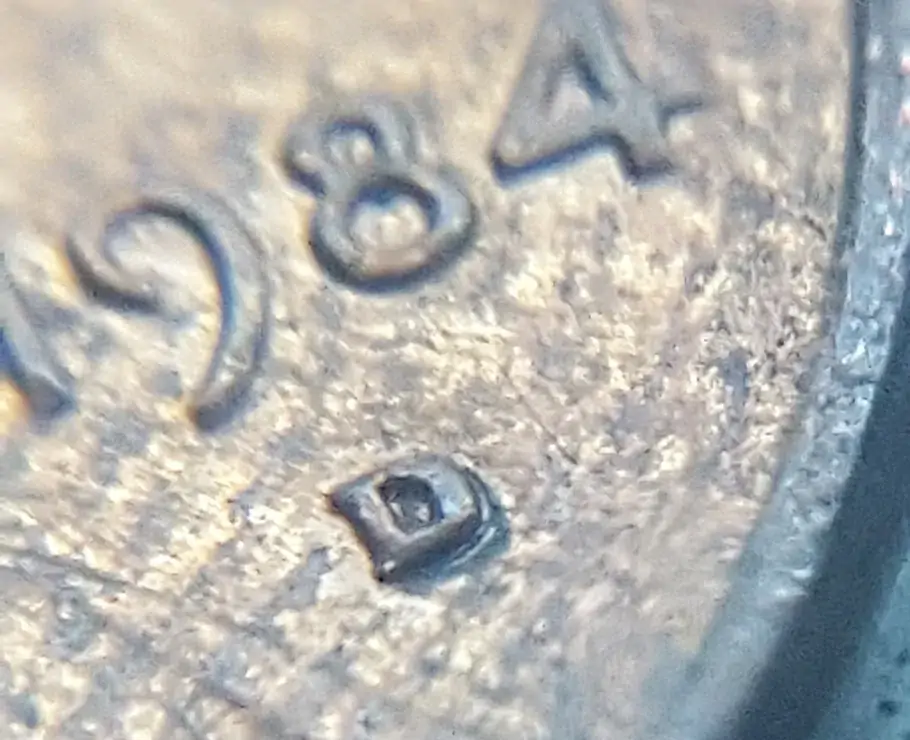 |
|
Bedrock of the Community
United States
12477 Posts |
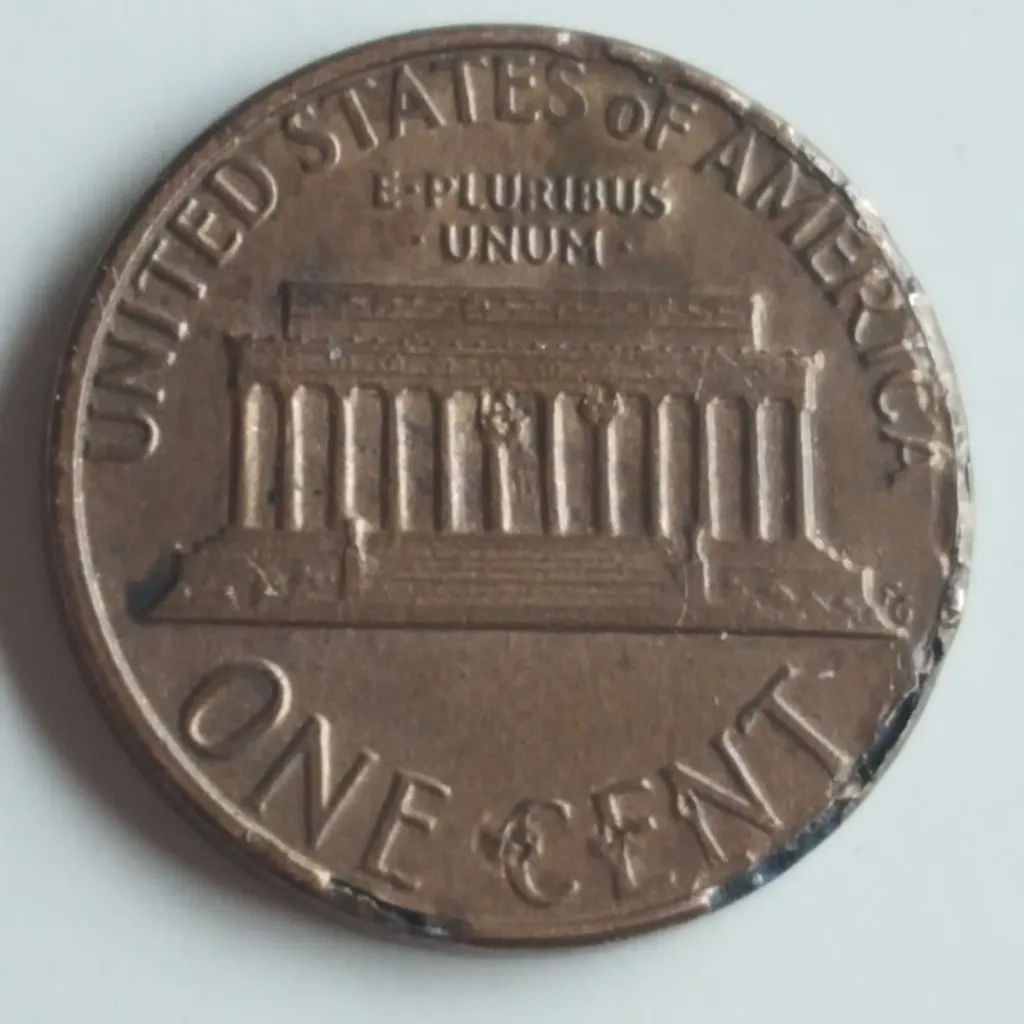
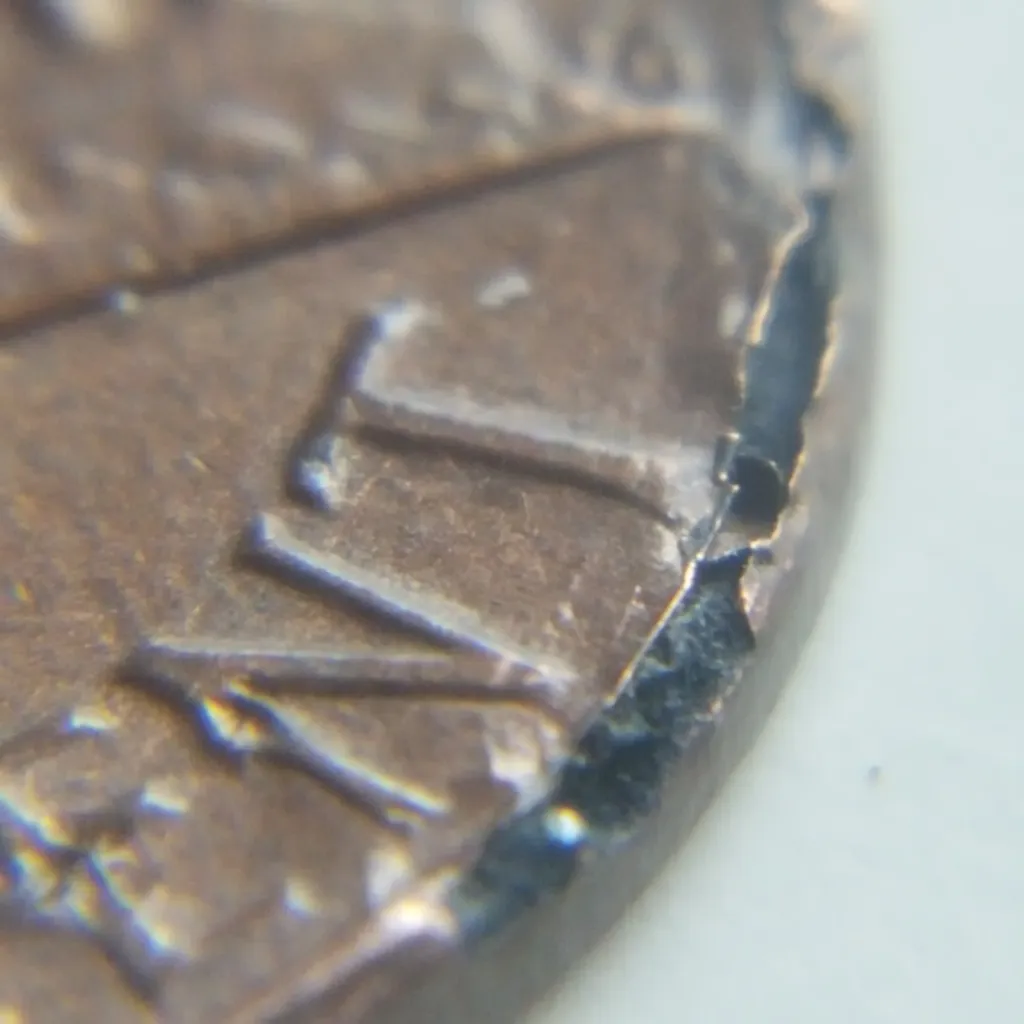
It looks like split plating on the MM south east with zinc rot to follow.
In Memory of Crazyb0 12-26-1951 to 7-27-2020
In Memory of Tootallious 3-31-1964 to 4-15-2020
In Memory of T-BOP 10-12-1949 to 1-19-2024
Edited by spru
04/03/2017 12:00 am
|
|
Pillar of the Community
United States
865 Posts |
Spruett001- after looking at it again that's what it looks like. Thank you.
|
|
Moderator
 United States
56855 Posts |
Does anyone think there could be an adverse metal reaction between the bucket and the coins,damaging the coins? John1 |
|
Pillar of the Community
United States
7598 Posts |
I would say yes, after a prolonged period of sitting in the bucket which is most likely made of tin together with the moisture build up!
|
|
Pillar of the Community
United States
2775 Posts |
Quote:
Does anyone think there could be an adverse metal reaction between the bucket and the coins, damaging the coins? I had the same thought. A galvanized bucket with unknown paint residue. Would think long term storage would not be recommended.  Thanks, Doug. |
|
Pillar of the Community
United States
865 Posts |
That's not what the coins are being kept in, it was just used to transport them from the owners house to mine. It was the only thing they had handy to put the coins in. That bucket is the LAST thing I would keep coins in.
|
|
Pillar of the Community
United States
3463 Posts |
Quote:
A galvanized bucket with unknown paint residue. Looks like an ice bucket to me. It is a galvanized bucket, which is Zinc just like the newer Zinc cents. It will damage Copper coins with moisture from the atmosphere. |
|
Pillar of the Community
United States
3656 Posts |
Check out this post -which was just started today - for info on "what to look for" with your hoard. there is 1 main post and then other posts are referenced within it. Might help you on key dates to go through first. http://goccf.com/t/284842Good Luck |
|
Pillar of the Community
United States
865 Posts |
|
|
Pillar of the Community
United States
3463 Posts |
Zinc RotQuote:Zinc rot is actually galvanic corrosion between the Copper and Zinc layers. The Copper plating on cents is very thin and during the striking of the coins, the plating can sometimes split open. Sometimes this splitting is large enough to see, such as we see with split plate doubling. The sharper edges on the die, where the devices are, sometimes catches on the thin Copper layer and it tears. One area that is notorious for this is the mint mark. This crack in the Copper plating can allow moisture to get between the two metals. Now we have two dissimilar metals with an electrolyte (the water) in place to create a tiny galvanic cell. Rapid corrosion of the Zinc will occur creating what we call "Zinc rot". Something similar happens with the Zinc coated Steel cents from 1943, but once the Zinc starts to break down rust will form on the Steel core. The rust can sometimes seal the damaged area from exposure and stop the process. If the Zinc coating is very thin, or the rust too agressive, the coin will eventually get over taken by the corrosion and rust away. http://www.lincolncentsonline.com/Q&A.html
|
|
Pillar of the Community
United States
865 Posts |
Ah yes, I always seem to forget about that option when it comes to clad cents. Thanks cwb!
|
|
Bedrock of the Community
United States
12477 Posts |
Quote:
I always seem to forget about that option when it comes to clad cents. Not to be curmudgeonly but, there are no clad U.S. cents. "Clad" refers to coin stock created in defined metallic layers. Anything that is an alloy or plated is not that. Zincolns are copper-plated zinc coins to make them look like the former 95% copper cents. Knowing the difference will help tremendously in analyzing potential errors and whatnot. Each have their own characteristics that may determine what the problem is. Just like the "split plating", if you posted a pre-1982 cent that looked the same, it would garner different answers because of the metallic makeup of the coin. I hope this helps. In Memory of Crazyb0 12-26-1951 to 7-27-2020
In Memory of Tootallious 3-31-1964 to 4-15-2020
In Memory of T-BOP 10-12-1949 to 1-19-2024
Edited by spru
04/05/2017 03:10 am
|
|
Pillar of the Community
United States
865 Posts |
That'll definitely help. Thank you.
|
|
Page 2 of 2
|
Replies: 18 / Views: 2,774 |
Page 2 of 2
|






 First Page


 Posted 04/02/2017 11:42 pm