| Author |
 Replies: 22 / Views: 5,623 Replies: 22 / Views: 5,623 |
Page 2 of 2
|
|
|
|
Pillar of the Community
United Kingdom
4208 Posts |
Sorry AlRashid, but just looking at the fabric leads me to think it has been cast - too much chatter in the fields, washed out details in 'protected' areas, like the panel of dots on the bust's neck, or in the feathers of the eagle. It could be environmental damage, which would make sense if it is billon. That being said, I was not able to find a die match. How's the edge?
|
|
Valued Member
Canada
167 Posts |
Thanks so much Ben. I found a similar fabric on CMG history: https://cNGCoins.com/Coin.aspx?CoinID=331273The edge of coin is solid no dashing lines no cracks except one small one and it is not uniform in thickness. The seller also offered similar fabric coins for sale which makes me also suspect . It seems his coins are made very similarly what do you think? Thanks a lot for opinion.   |
|
Pillar of the Community
United Kingdom
4208 Posts |
In this case, I'd say it is a positive thing for him to have more like that. They probably come from the same source. The encrustations are a good sign; potentially, the surfaces are the result of the removal of the original patina, revealing corroded surfaces, with these black marks not being removed in the process (but would also reveal porous surfaces). Bad surfaces are especially common in later tetradrachms. The sunken retrograde Z and the OP on the second coin is an effect that is quite commonly seen on sestertii, a curious side effect sometimes seen from regular corrosion, but wouldn't occur in the casting process unless tooling was applied. I couldn't find die matches for either of them, which is also a good sign.
|
|
Valued Member
Canada
167 Posts |
Thans Ben your analysis is so valuable for me I really appreciate it. I also forgot to menion I did XRF on this coin and showed below results. Any thoughts on the XRF ? is the silver content correct for the series?
Ag 91%
Pb 0.60 %
Au 0.70 %
rest was copper.
As these are not high end coin I doubt forger would have melted ancient coin to trick XRF . Do you agree?
|
|
Pillar of the Community
United Kingdom
4208 Posts |
The silver content is much too high for the series, unfortunately. It seems to me like you have a coin cast in sterling silver (925). Per this paper ( https://warwick.ac.uk/fac/arts/clas..._article.pdf), this series of Nero tetradrachms from Antioch have a consistent silver content of around 70%, with a gold content of closer to 0.2-0.5%. |
|
Valued Member
Canada
167 Posts |
Hi Ben
That was a great article thanks so much for posting it. I noticed coin 21 A27 in list has very similar content for siver and gold with mine and is also antioch mint from claudius which is close to nero time. so could it be that they melted some claudius coin in antioch mint and used it to mint nero coins? I'm just speculating
|
|
Pillar of the Community
United Kingdom
4208 Posts |
Well, a lot of coins were reconstituted over time. Most commonly orichalcum coinage as the mines had run dry. But it seems the metallurgists were quite serious about silver content in Antioch, given the consistency seen compared to the early empire days. It seems to be suggested that old issues were withdrawn to provide consistency when the second phase of Nero tetradrachms (like yours) were released. It should also be considered that they wouldnt melt down a single coin; they would have to do the coins in batches. Your coin is dated 109, so the second year of the second phase, by which time earlier tetradrachms were already withdrawn. The only Claudius coin they examined was a didrachm and reportedly these are very rare (probably low issuance, given their silver content, or perhaps the withdrawal process was much more stringent for these). I expect that all the second phase Nero tetradrachms were produced in 700 silver by design - including more silver in a coin would of course cost the mint money.
The conclusion of the paper is very interesting because it gives an idea of why a new series was issued at this time in a higher fineness than earlier imperial tetradrachms. Tyre still used its old high quality tetradrachms which had 4/3rds the silver content of the new imperial tetradrachms. The author suggests that the old imperials coins would have therefore been tariffed at 3 drachms, but by raising the silver content slightly and simultaneously withdrawing the Tyrian tetradrachms, new Nero tetradrachms could be tariffed at 4 drachms, even though they contain much less silver than the Tyrian coinage.
|
|
Valued Member
Canada
167 Posts |
OK thanks I also read below:
A pattern seems to be emerging for the finenesses. At
97% fine the Tyrian silver is unique among the
coinages examined here. Of the other coins, most fall
into two groups: one at approximately 70% fine, the
other at about 50% fine. Those coins that do not fit
with this model appear to have suffered depletion of
copper as a result of fire damage and/or harsh
chemical cleaning.
so it seems the article suggests that corrosion or harsh cleaning could affect the results. it does seem these coins have been chemically cleaned to remove the encrustations. what do you think about this?
|
|
Pillar of the Community
United Kingdom
4208 Posts |
Good thinking - could be the case. 'Leaching' copper out of coins to make them appear to be finer silver is a common practice and would also enrich the gold content (you'd expect they'd remove the gold from modern silver, but I don't know about that). Strong acid would also cause this sort of surface. I think the only way to be sure would be to make a test cut...
|
|
Valued Member
Canada
167 Posts |
Thanks Ben. I think that most likely the case. I did test on a modern sterling silver ring and it had only silver and copper gold and lead content was zero. I think modern refiners take out tracesof gold from silver I think the only way for a silver to have a traces of gold and lead is to melt down anothe ancient coin but I doubt they would do that for this common coins for rare coins more likely they do that. What do you think?
|
|
Pillar of the Community
United Kingdom
4208 Posts |
I think you are probably right. It would also be interesting to see if old sterling is devoid of gold - theres still loads of old sterling cutlery getting melted down. That being said, I sincerely doubt that would affect this case.
What is interesting is that people who make fake ancient statues have been known to melt down old coins to make them - that would take an awful lot of grots to achieve.
|
|
Valued Member
Canada
167 Posts |
Hi Ben I also have a Tetra of Caligula with agripinna. This coin is for sure authentic as it is plate coin from McAlee book and his personal collection and also comes from Numismatic Fine Arts 1982 I also did XRF for this coin and I got below results.I attached the XRF for this coin. The article you sent has 2 examples for caligula with 55% and 71% fineness silver. Mine has 90.6% ..Based on this I am thinking probably we can not just go by the numbers given in this article and there could be variations. 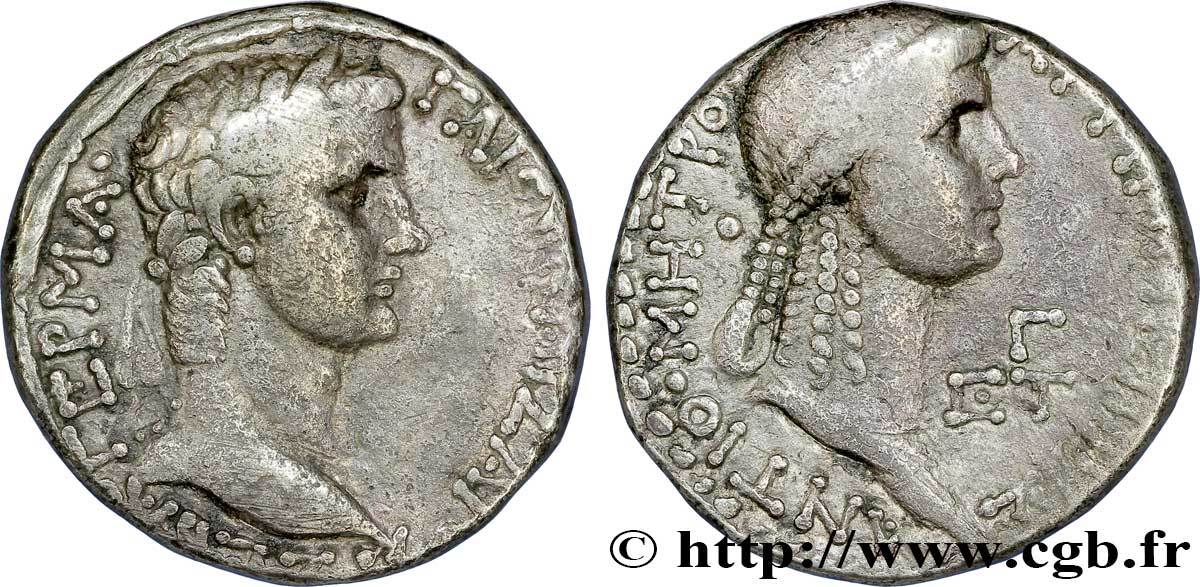 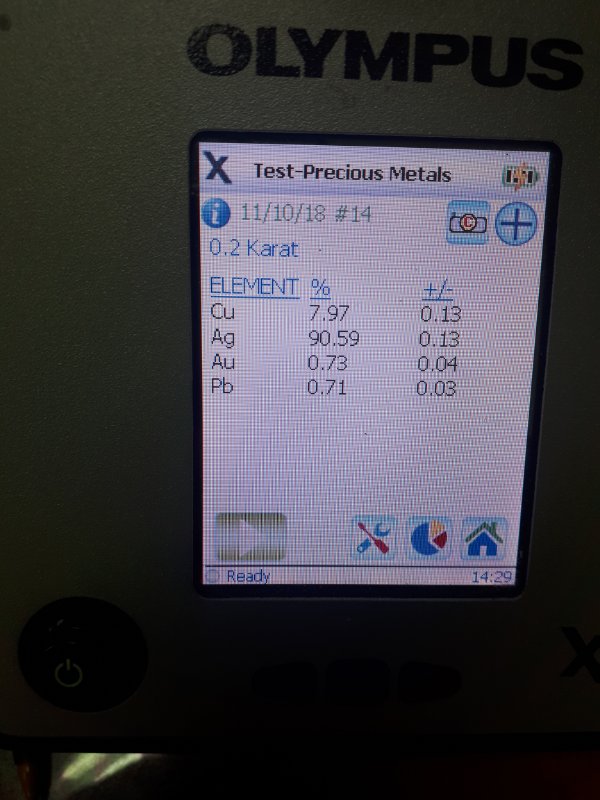 |
|
Pillar of the Community
United Kingdom
4208 Posts |
Interesting. Presumably, their coinage was all authentic, so I wonder why the numbers are so off? Or maybe all the numbers are fine and you simply have higher silver content at the surface of your coin.
Do you have any low silver billon coins around? I'd be interested to see how low the silver content can go before it stops looking silver.
|
|
Valued Member
Canada
167 Posts |
Yea I have a billon coin of the Vologases VI last parthian king . here is the coin and XRF result for it. 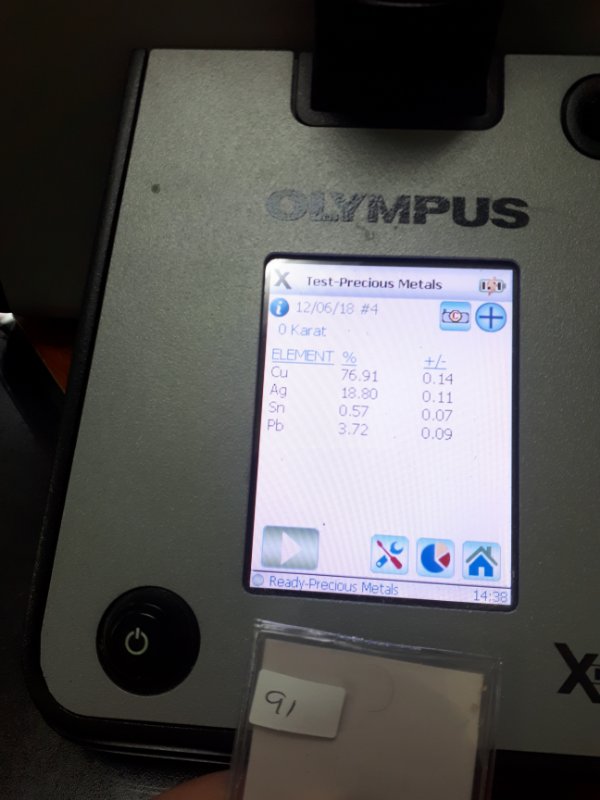 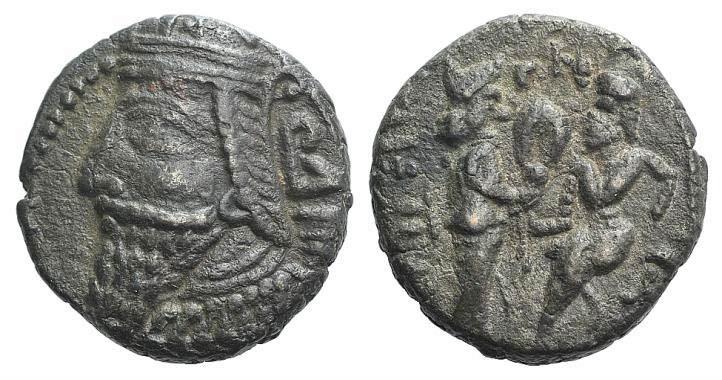 |
|
Valued Member
Canada
167 Posts |
Ben, I am thinking that maybe my coins were cleaned and that chemical used to clean them causes some leaching and enriched the surface silver to be higher as you can see both Caligula and Nero coin have close reading on silver and on the gold content and also both coins surface looks porous . I attached the XRF for Nero for comparison 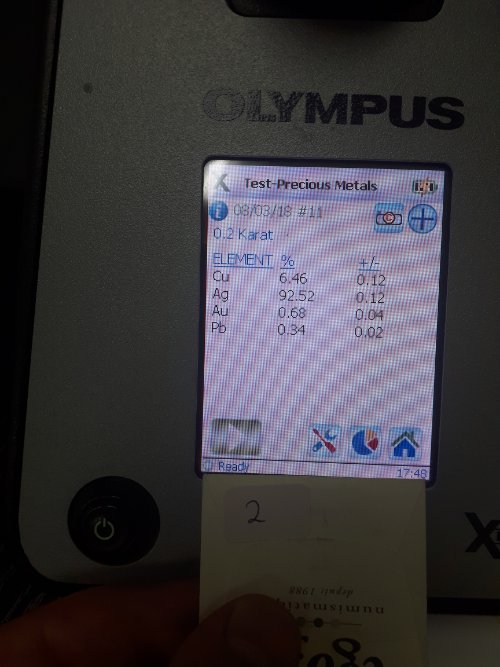 |
|
Page 2 of 2
|
Replies: 22 / Views: 5,623 |
Page 2 of 2
|








 First Page

 Posted 12/29/2018 08:46 am


