| Author |
 Replies: 17 / Views: 2,085 Replies: 17 / Views: 2,085 |
Page 2 of 2
|
|
|
|
Bedrock of the Community
Canada
21929 Posts |
If it was a Double Strike, the whole reverse would be affected, not just one area. Just damage from circulation. PMD |
|
Bedrock of the Community
United States
94367 Posts |
So far looks normal to me.  to the CCF! |
|
New Member
 United States
23 Posts |
I'll try to ferry a better pic of the whole coin. It almost looks as if it was a restrike of an older coin but I'm not sure if that's such a thing
|
|
New Member
United States
23 Posts |
I'll add it to a new post with the date in title
|
|
Pillar of the Community
United States
3207 Posts |
the top of the eagle's wing, the last S in States, and the first A in America show doubling of some sort, need better pics to know, but it looks potentially interesting
|
|
Moderator
 United States
108341 Posts |
The A of America look interesting to me.
|
|
Bedrock of the Community
United States
62064 Posts |
If it were a double strike, all devices on both sides of the coin would all show the same thing. It doesn't. So if these are incuse, they are coin contact.
|
|
New Member
United States
23 Posts |
So a double strike affects both sides of the coin? I thought the other side is struck with a completely different die? So there's not a chance of one side being struck normal?
|
|
New Member
United States
23 Posts |
Or do you mean left/right side of the coin? And not obverse/reverse?
|
|
New Member
United States
23 Posts |
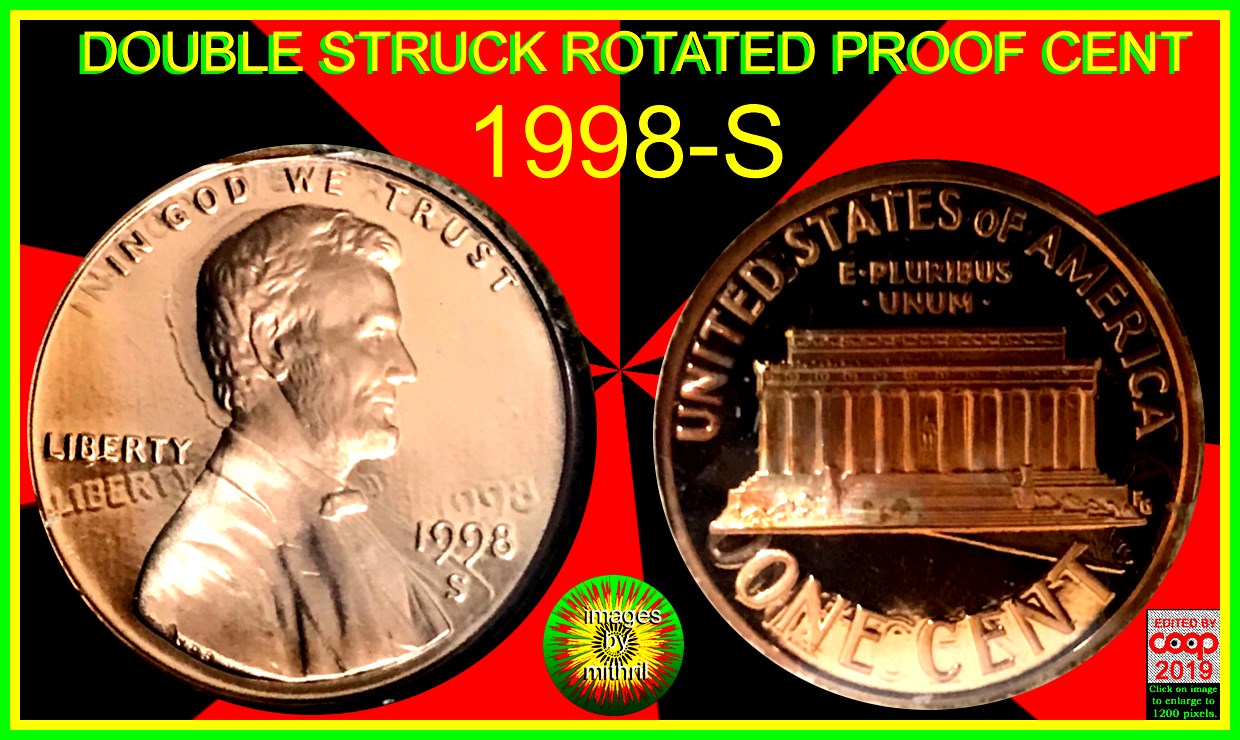
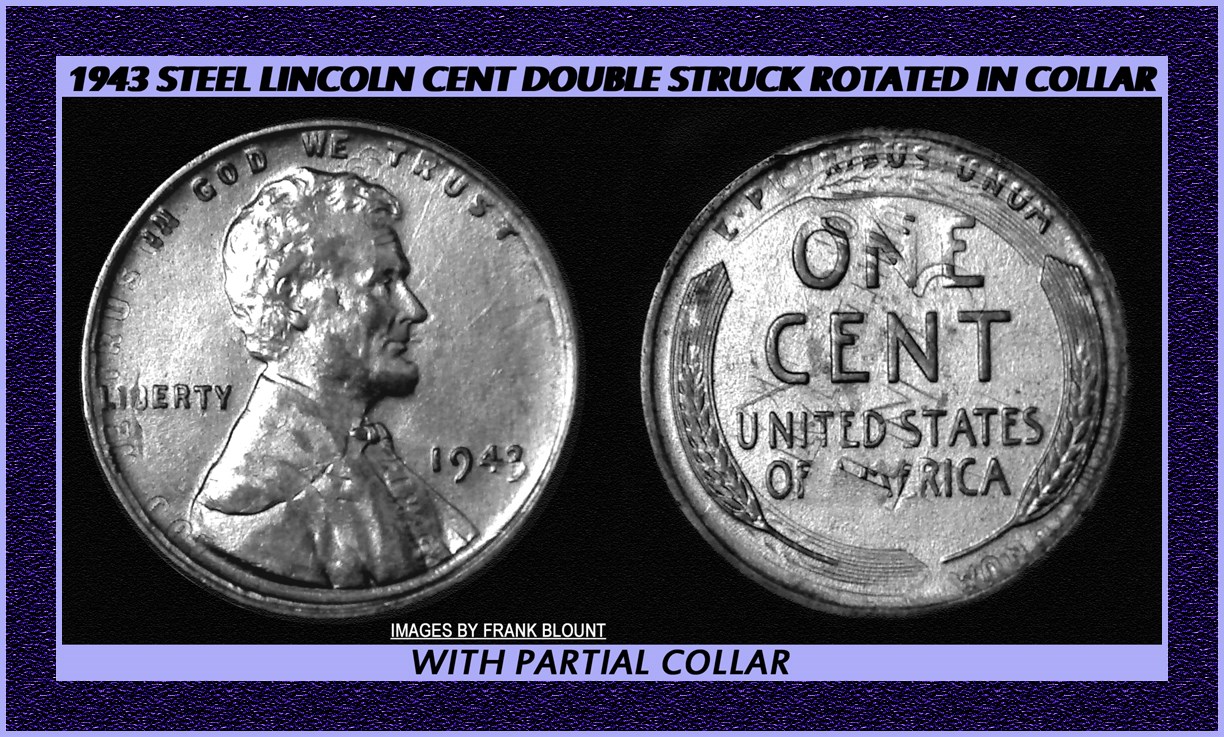
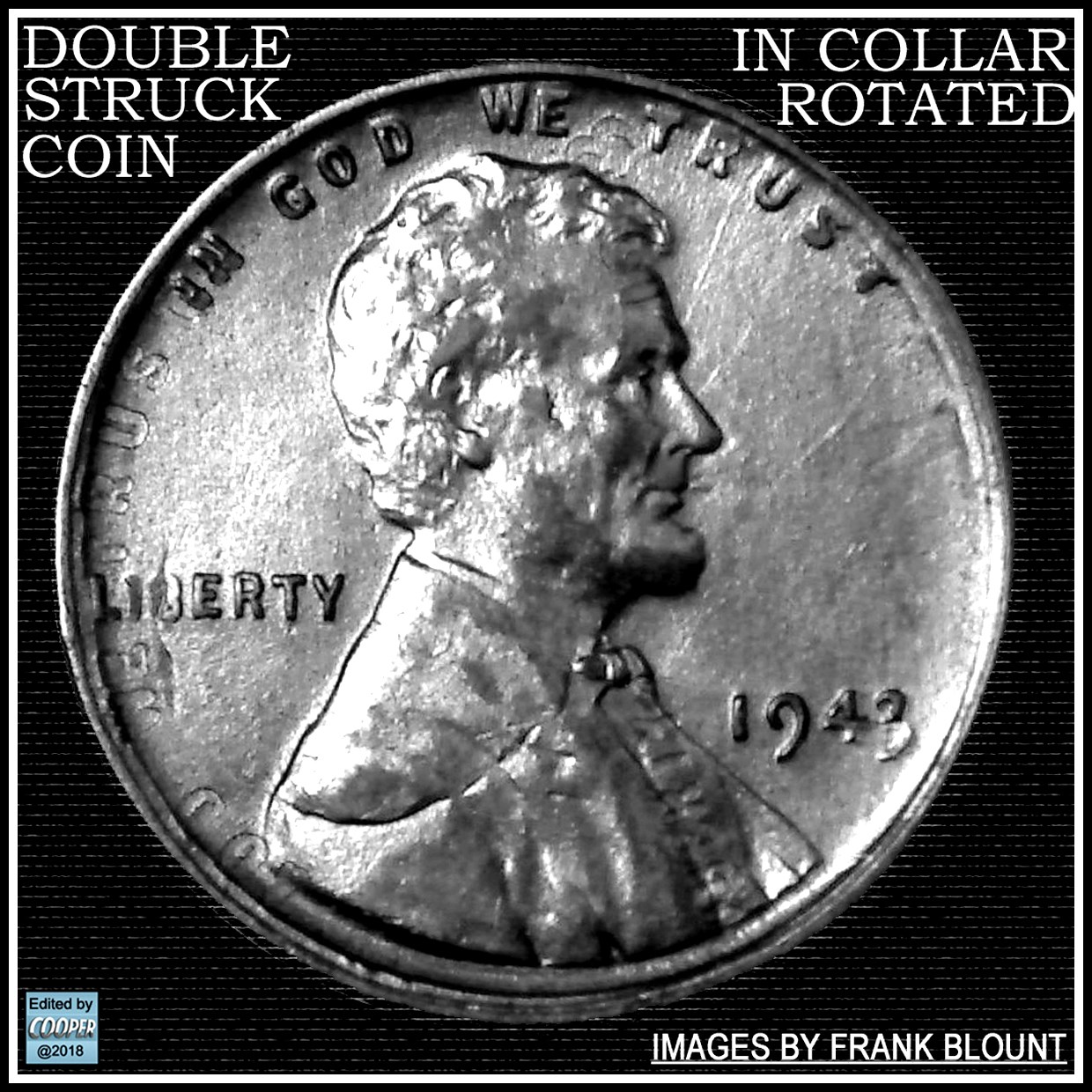
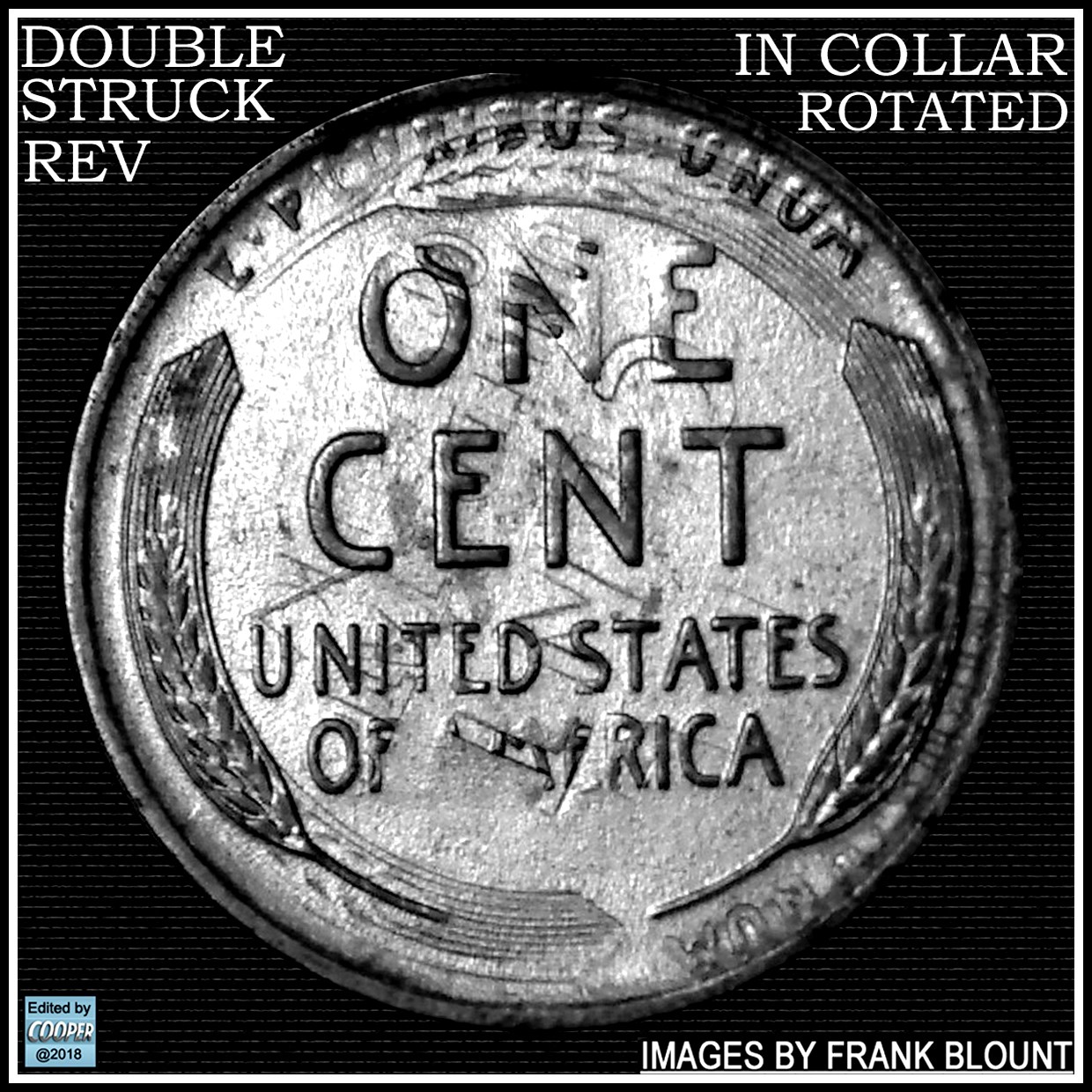
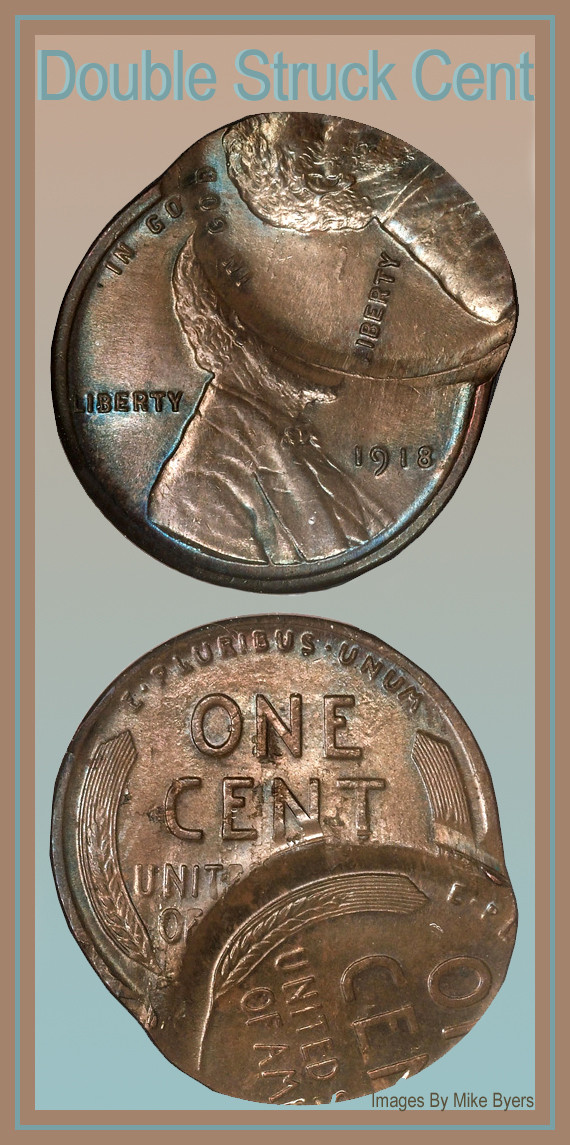
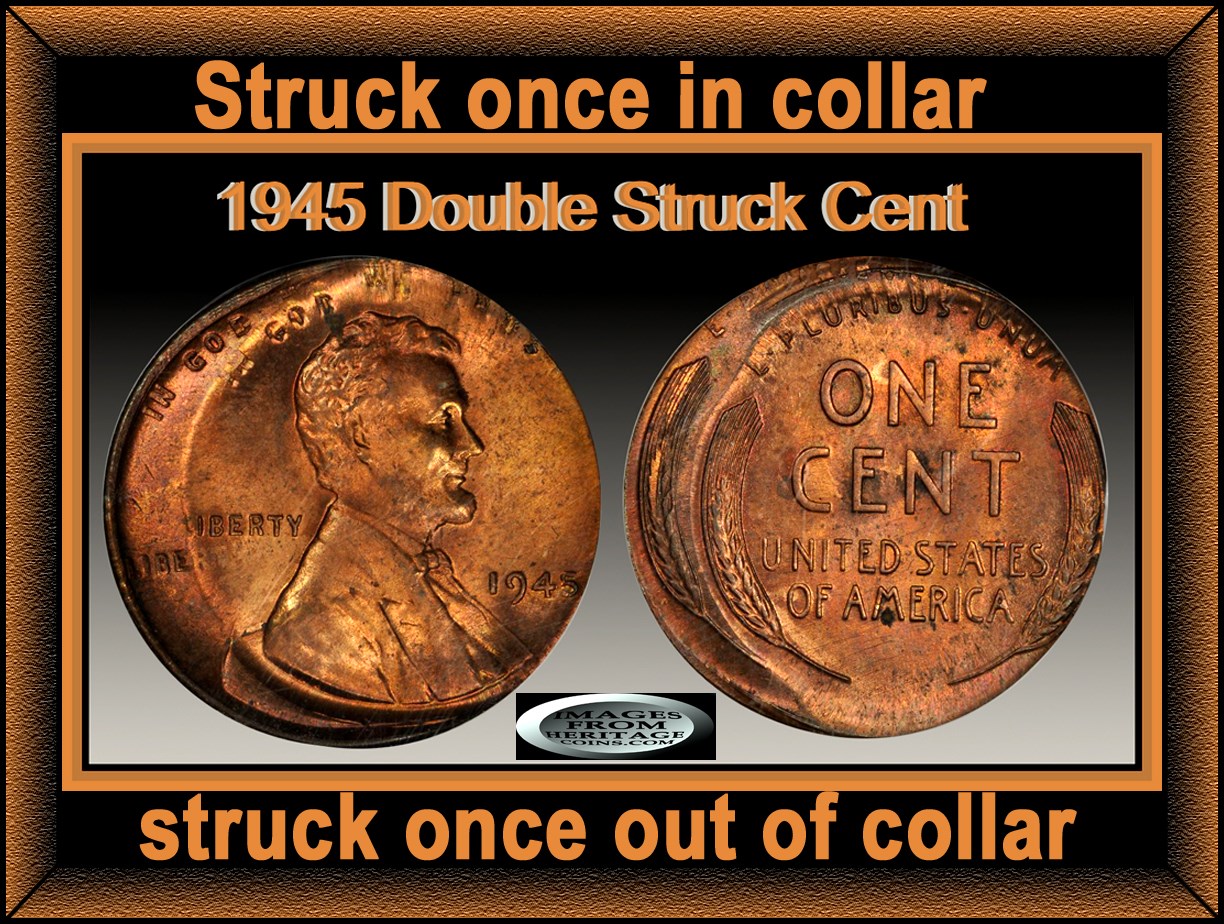
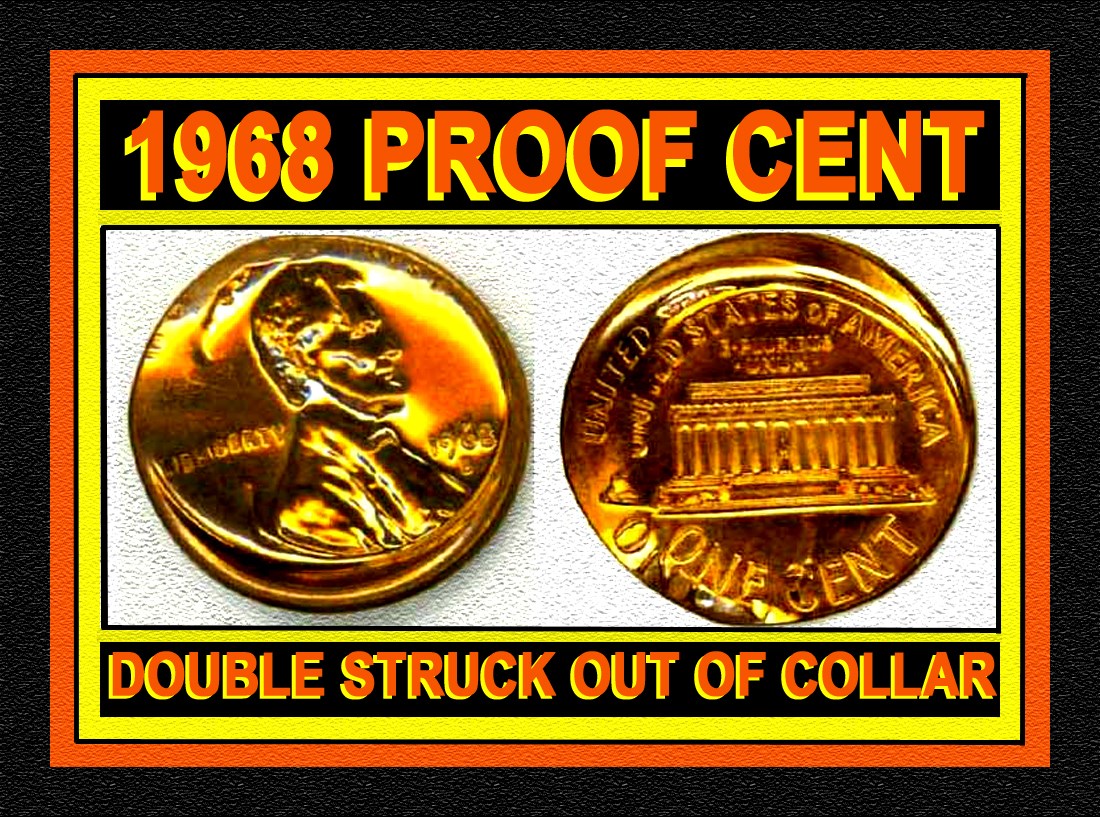
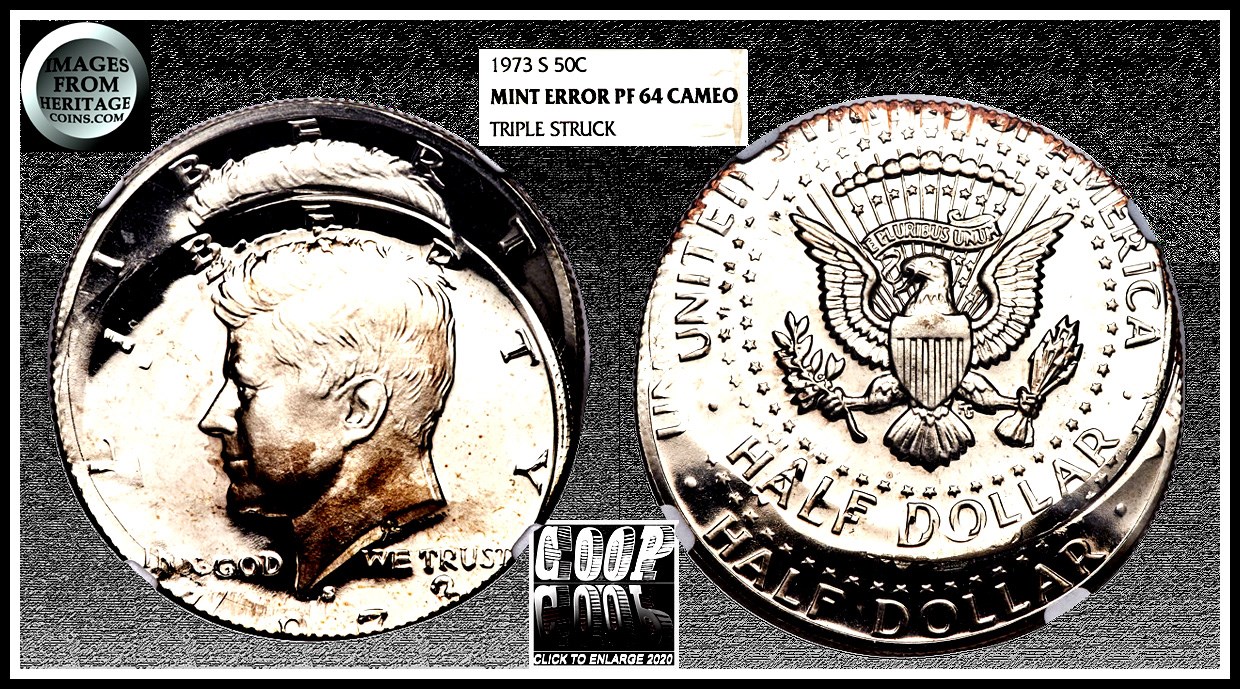
So after doing a little more research about error coins, I've come to the conclusion that you are incorrect. What you are referring to is considered a doubled die, which is the doubling of the devices and effects the whole obverse or reverse. Which is an error in the production of a die; and multiple coins with the same error are created from that die (more valuable). A double strike is the striking of a coin and can result in only certain parts of a coin depending on how the coin shifts positions after the initial strike. Double strike can effect a single planchet or even another planchet added onto the original if it happens to find its way under the die before the original is fully ejected. A double strike error is one of a kind because the die is not affected in anyway given it doesn't have a die break.(less valuable). A coin can contain a doubled die and double strike at the same time. (Even more valuable but I assume extremely rare)
|
|
Pillar of the Community
United States
5902 Posts |
I think you may have missed the point of Coops last reply. (He's been doing this for like a billion years and has an understanding of Doubled Die vs. double struck.  ) "Incuse" (recessed) was the operative word. Are the secondary elements you are seeing incuse or raised? Incuse areas/elements on a coin usually indicate damage (but not always). Words of encouragement are one of the major food groups.
We need to consume them regularly to thrive and grow.
|
|
Bedrock of the Community
United States
62064 Posts |
|
|
New Member
United States
23 Posts |
Well I apologize, as ive stated in ther beginning, I'm new to this. Just a bunch of coincidences that individual devices have the same indentions so close to them. But the obverse doesn't fir what I can notice. I have found another quarter tho that looks interesting I'll be posting in a few. Is it possible for a bicentennial to have a repunched mint mark? Looks like it could be a double struck but also looks like the original mint was repunched with a different mint
|
|
New Member
United States
23 Posts |
And to reply to the last question the A looked like it was incuse but the others looked raised. But it is damaged which makes it harder to see
|
|
Bedrock of the Community
United States
62064 Posts |
99% of incuse marks on coins are circulation damage. 1% are mint errors. Mostly struck through wire, thread, debris that fell off the coin, foreign objects, cloth, rim burs and such. If you would like to see examples, I could post some?
|
|
Page 2 of 2
|
Replies: 17 / Views: 2,085 |
Page 2 of 2
|







 First Page


 Posted 09/20/2021 09:04 am