| Author |
 Replies: 24 / Views: 2,314 Replies: 24 / Views: 2,314 |
Page 2 of 2
|
|
|
|
Moderator
 United States
196100 Posts |
I feel like it is PMD.  |
|
Valued Member
 United States
68 Posts |
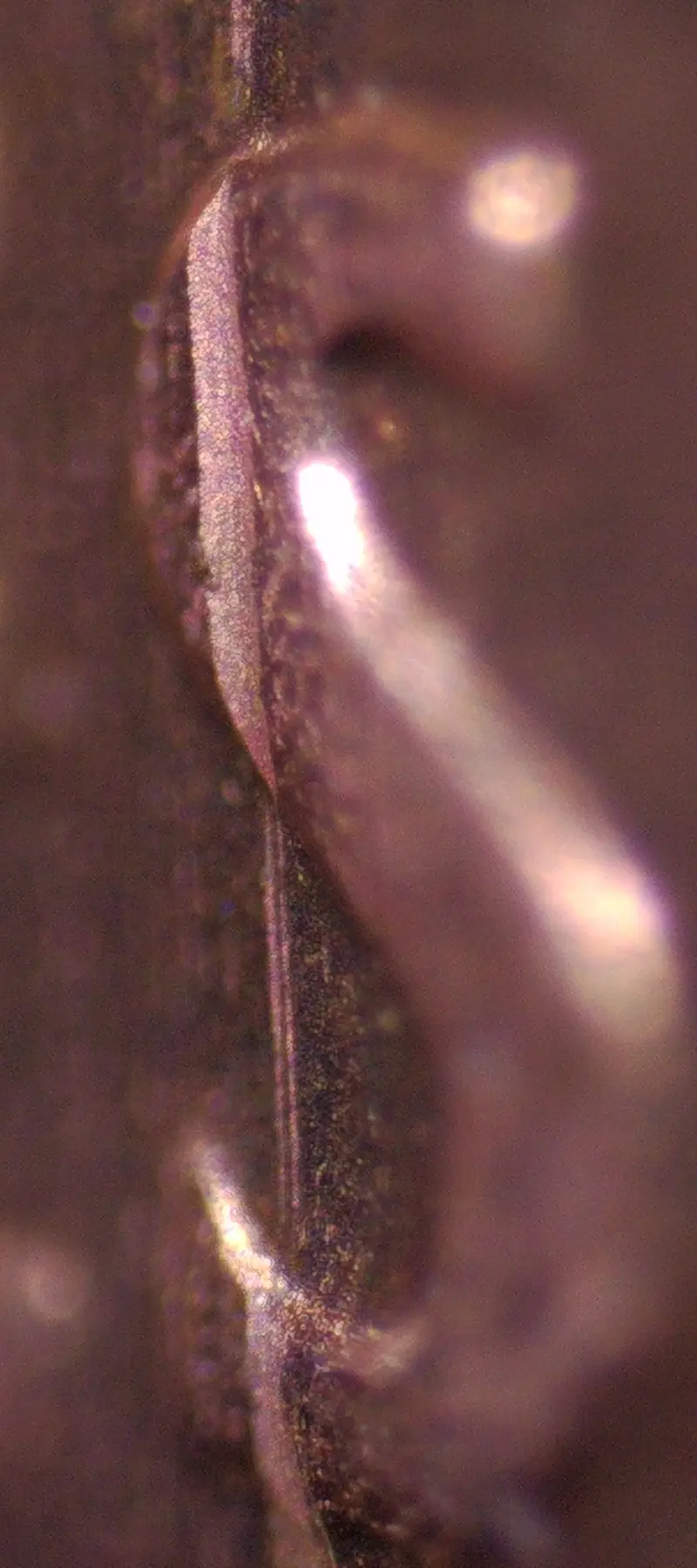 This is an angled shot of the "S". Greasy fingers, from what I learned from Coop, if it's post mint damage, there would be raised metal along the indentation like if you would have scatched it with a razor blade. Right? |
|
Valued Member
United States
68 Posts |
|
|
Valued Member
United States
68 Posts |
This one is from about a 40 degree side pic. 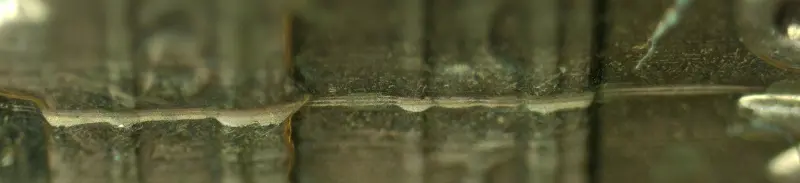 |
|
Pillar of the Community
United States
6903 Posts |
It seems highly conspicuous to me that the two lines are relatively far apart, but also precisely parallel. What sort of struck through object would produce such a shape? I find it hard to believe you could land two threads or long strands of wire across the entire planchet face in a rapidly moving machine, and have them be parallel. I could, however, easily imagine getting dragged across a surface or through a machine could generate two long, thin, parallel scratches.
|
|
Valued Member
United States
68 Posts |
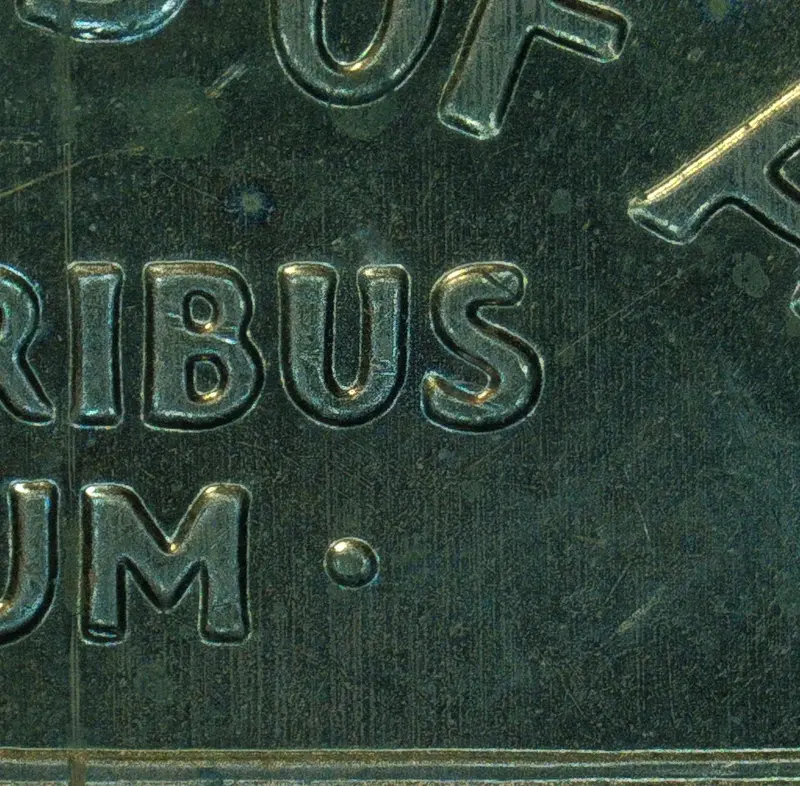
This is looking down on the bottom steps of the memorial. Notice how the markings follow the step at the very bottom. What is the thickness of that bottom step? Would there be raised metal from the scratch? FYI the brightness of the step is from the light reflecting off of my fingers. 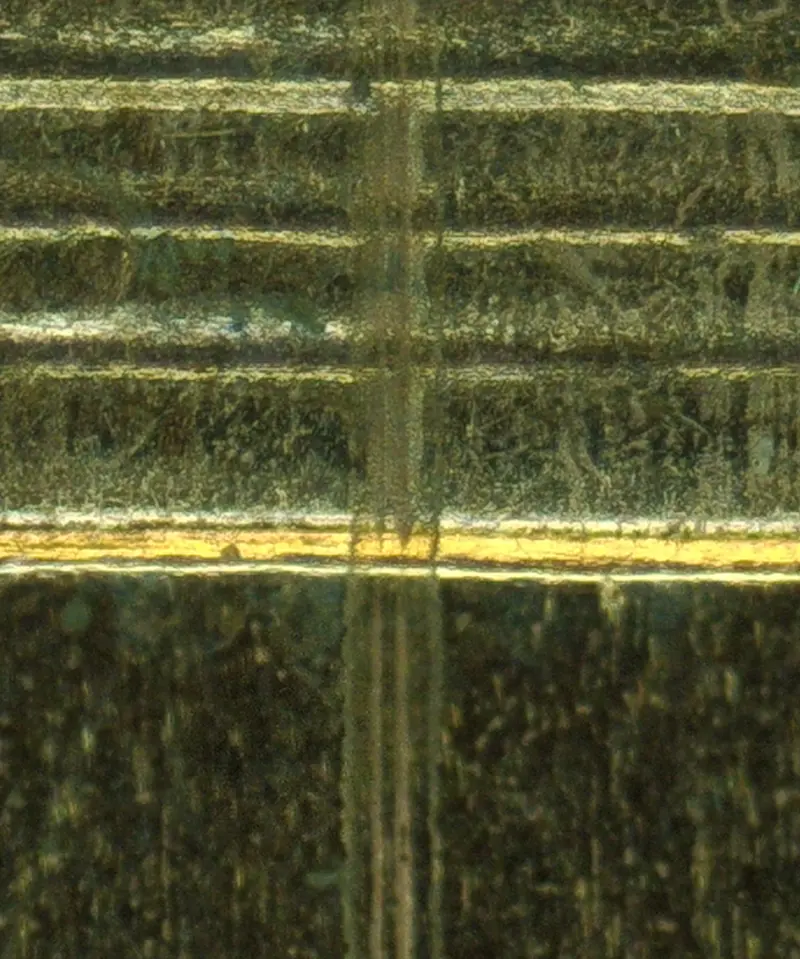 |
|
Bedrock of the Community
United States
10601 Posts |
Quote:
from what I learned from Coop, if it's post mint damage, there would be raised metal along the indentation like if you would have scatched it with a razor blade. Right? Damage comes in many shapes and forms. Guidelines for damage should contain the word "USUALLY" - nothing is 100% accurate - usually  |
|
Pillar of the Community
United States
590 Posts |
I don't see how this could be a struck through.
On the die the S is incuse and the flat field is in relief, so when striking the planchet anything in between the planchet and the die would be transferred more to the field and less to the S.
But here, it's the exact opposite with the effect being less on the field and more on the incuse (on the die) devices.
|
|
Valued Member
United States
68 Posts |
Would there be some possibility that it could have been on the planchet before the strike?
|
|
Valued Member
United States
68 Posts |
|
|
Bedrock of the Community
United States
27514 Posts |
Quote:
I wonder if there is a connection? As if whatever created the big scratches created many tiny scratches too?  Inordinately fascinated by bits of metal with strange markings and figures
|
|
Valued Member
United States
68 Posts |
I don't know. What if something was on one of the rollers during the making of the planchet? The scratch would be wider on the taller devices and narrower on the field. What do you think? Plausible? I'm just throwing ideas out there.
|
|
Pillar of the Community
United States
5895 Posts |
Very nice images. Clear and well lit. Quote:
...It is strange that the rim of the coin wasn't affected at all. If the lines were on the type 1 planchet before it was sent to the "upsetting" machine, the linear anomaly would be eliminated on the proto-rim only. Then, as it was stuck, the lines could still be visible on the raised parts (design elements) of the coin as well as the fields. Quote:
Would there be some possibility that it could have been on the planchet before the strike? That is my thought. IMHO, these anomalies being parallel to the roller lines are a good indication that they are associated with the roller lines. Words of encouragement are one of the major food groups.
We need to consume them regularly to thrive and grow.
Edited by Petespockets55
12/28/2024 11:43 am
|
|
Valued Member
United States
68 Posts |
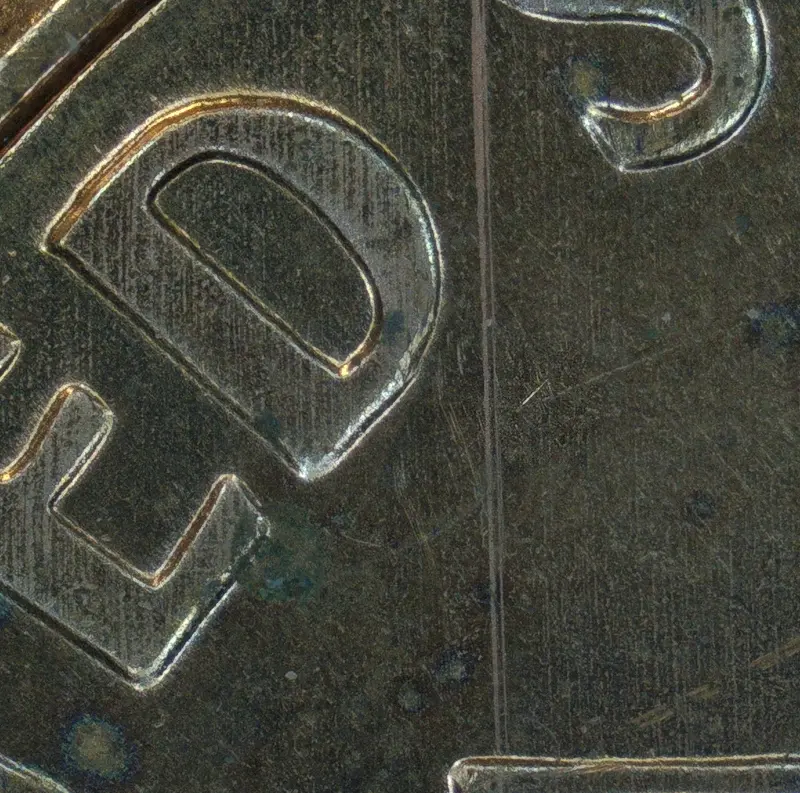
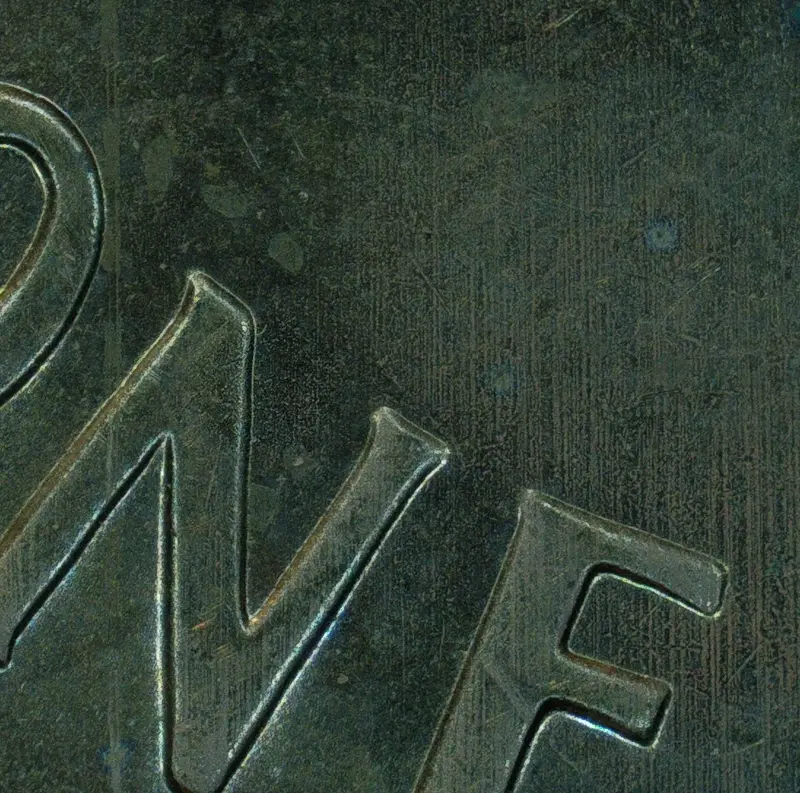
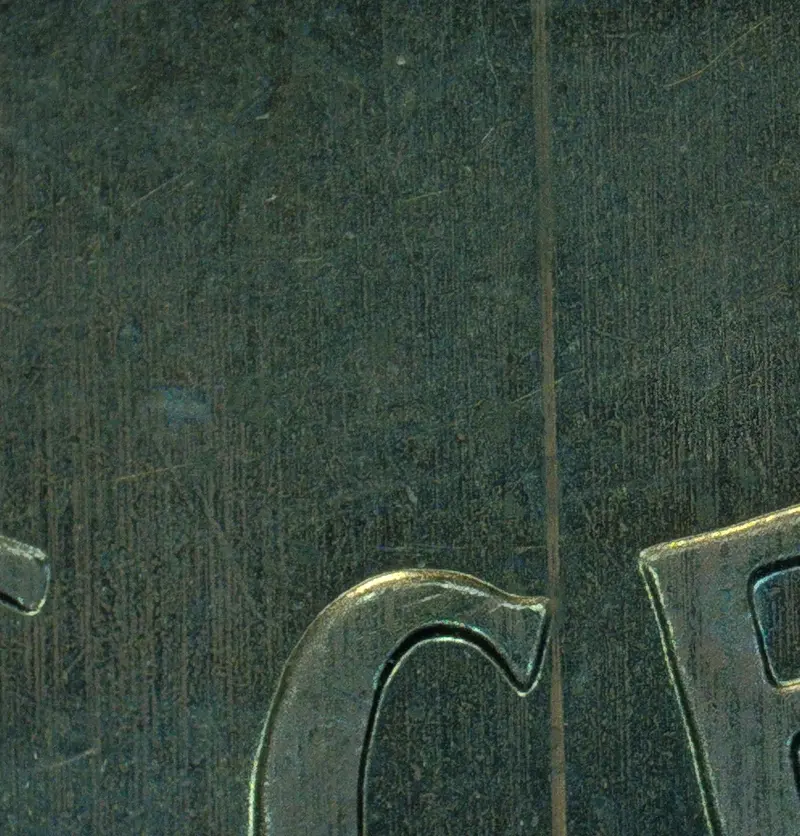
PetesPockets55, I found something that may show that it was a scratch on the planchet before the strike. 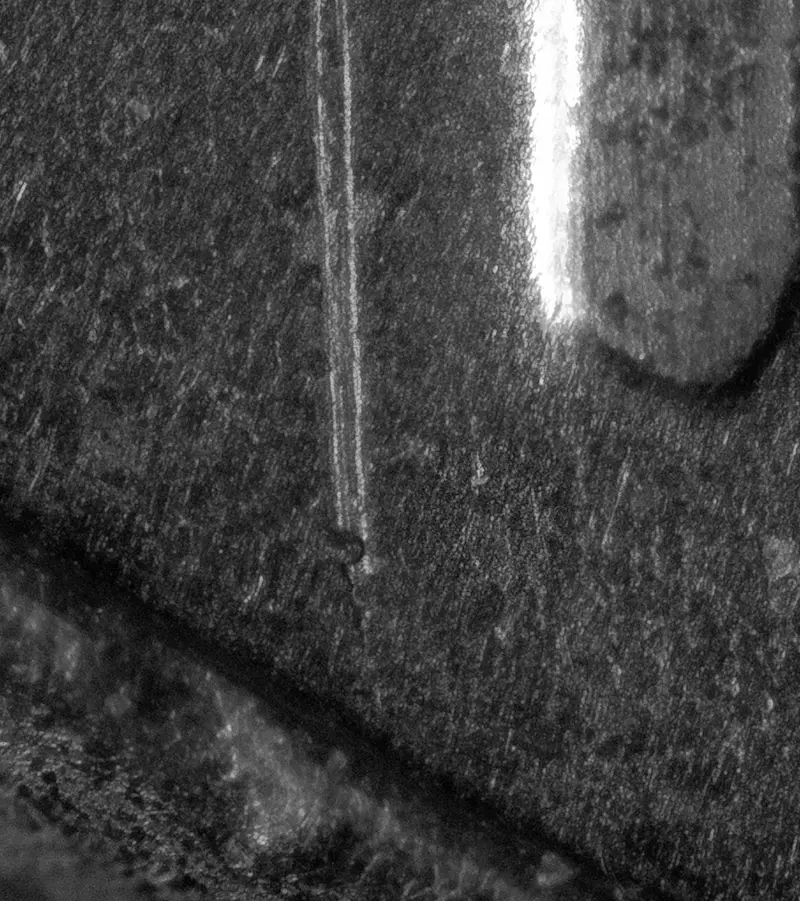 This is at the rim just below the N in ONE next to the rim. 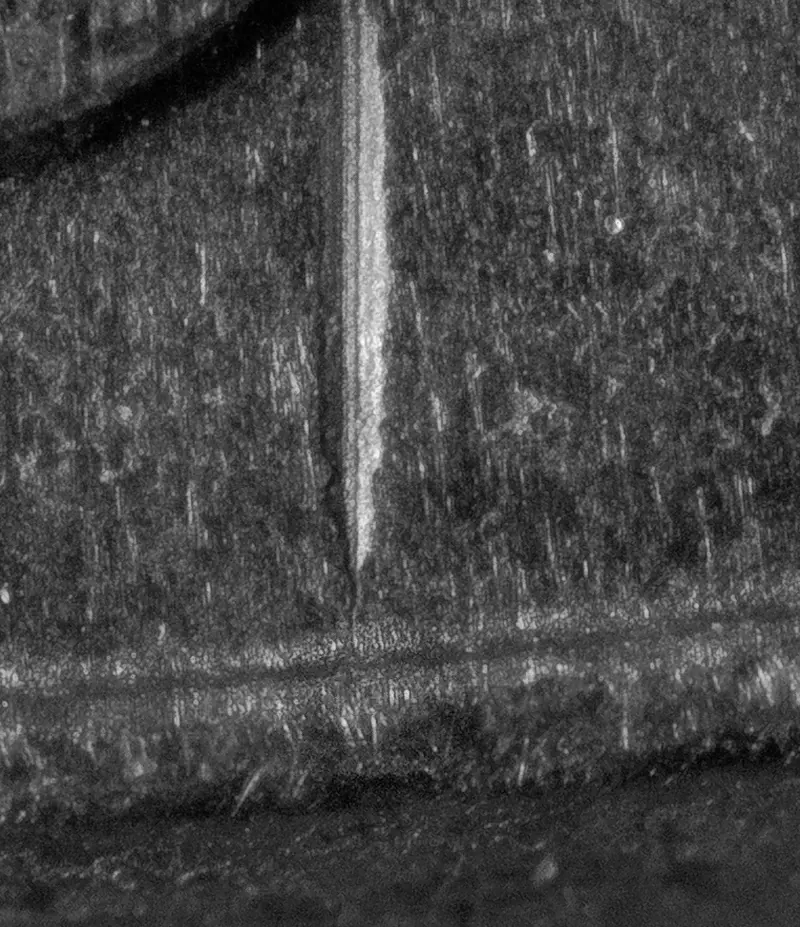 And this is at the rim just below the C in CENT. Notice how both scratches seem to be flattened (kind of folded over) from the strike. |
|
Valued Member
United States
68 Posts |
It also shows, IMO, that the scratch goes from north to south.
|
|
Page 2 of 2
|
Replies: 24 / Views: 2,314 |
Page 2 of 2
|








 First Page


 Posted 12/26/2024 5:51 pm


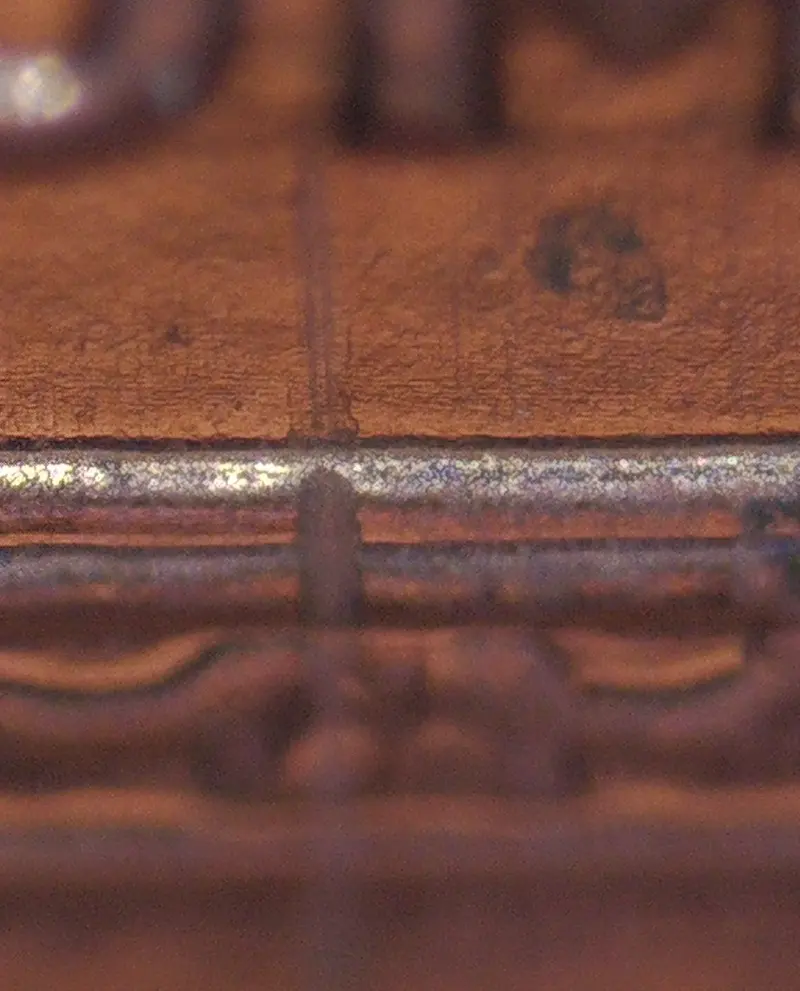
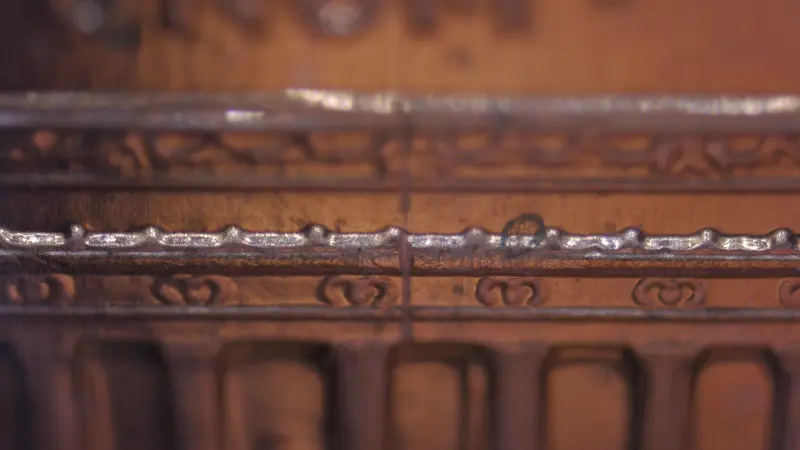
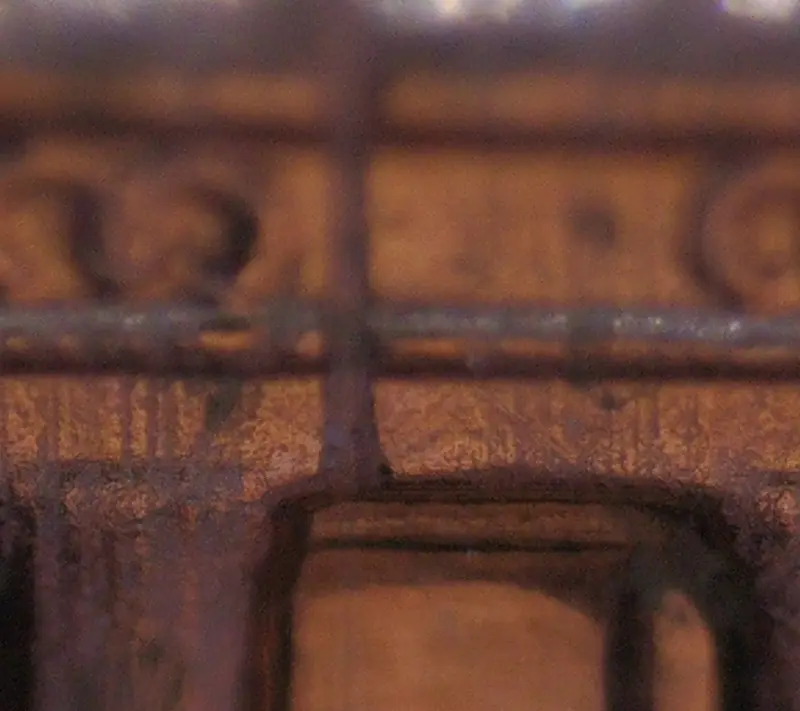
 this last one Dearborn is very interesting, the lines follow the lower steps of the memorial. Could that be post mint damage?