| Author |
 Replies: 23 / Views: 6,522 Replies: 23 / Views: 6,522 |
Page 2 of 2
|
|
|
|
Bedrock of the Community
United States
17884 Posts |
Even if the weakness of the N is subtle it can still be easily recognized by the serifs on the N. The type 1 N has very wide thin serifs and the type 2 N has much narrower slightly thicker serifs. Look at the serifs at the top of the right upright and they are very different between the two types. See the genuine posted by Moe and the fake posted by Numismo to see the difference.
|
|
Moderator
  United States
16709 Posts |
Great point conder101.
swcoin.ecrater.com
|
|
Pillar of the Community
United States
8904 Posts |
Hey Robuddo! Can we see the obverse of your gorgeous 1877 IHC? (It's VERY pretty!)  |
|
Pillar of the Community
United States
2760 Posts |
moe145 - ask and ye shall receive. It's probably not the obverse you had in mind, but here she is. 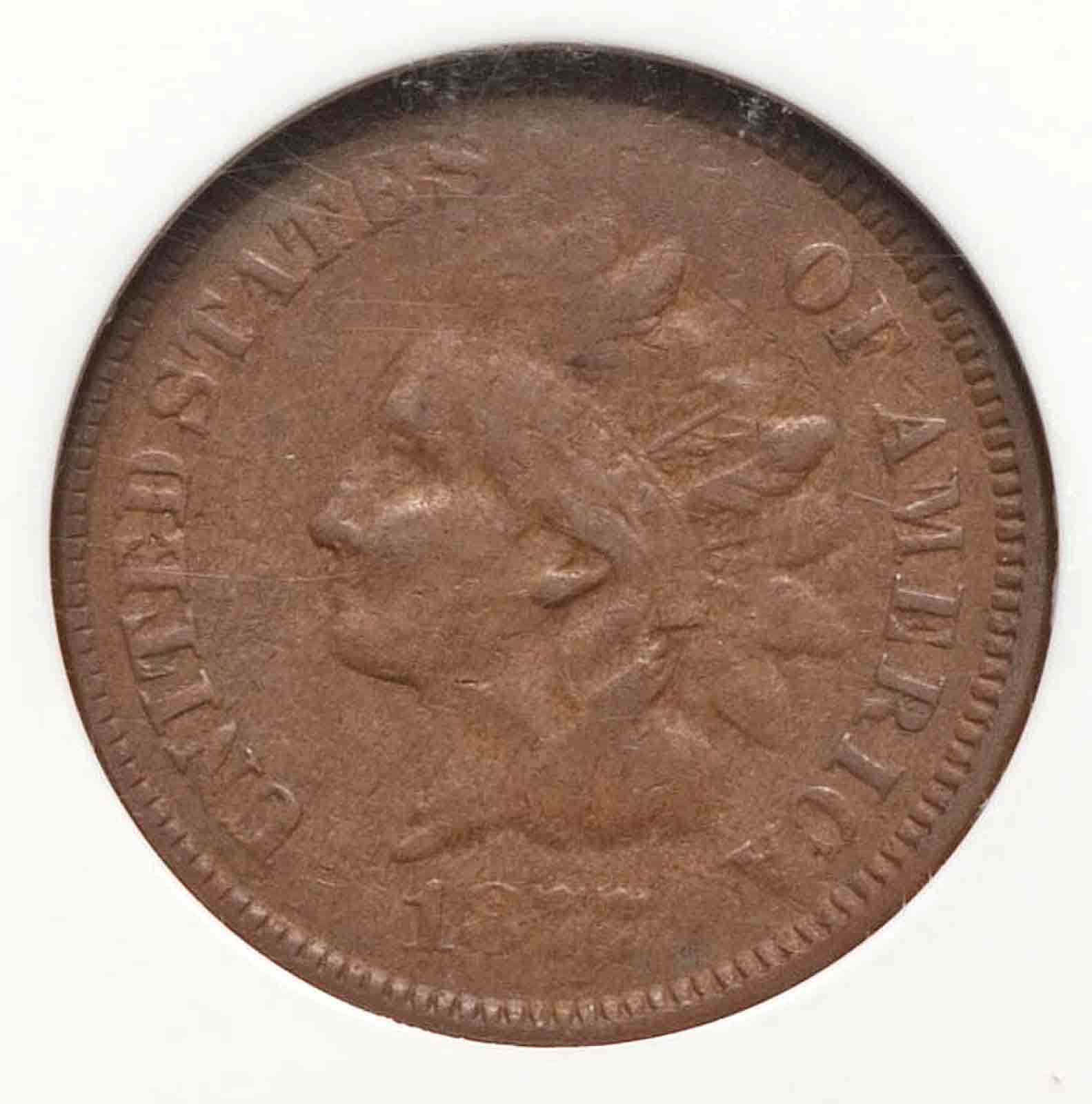 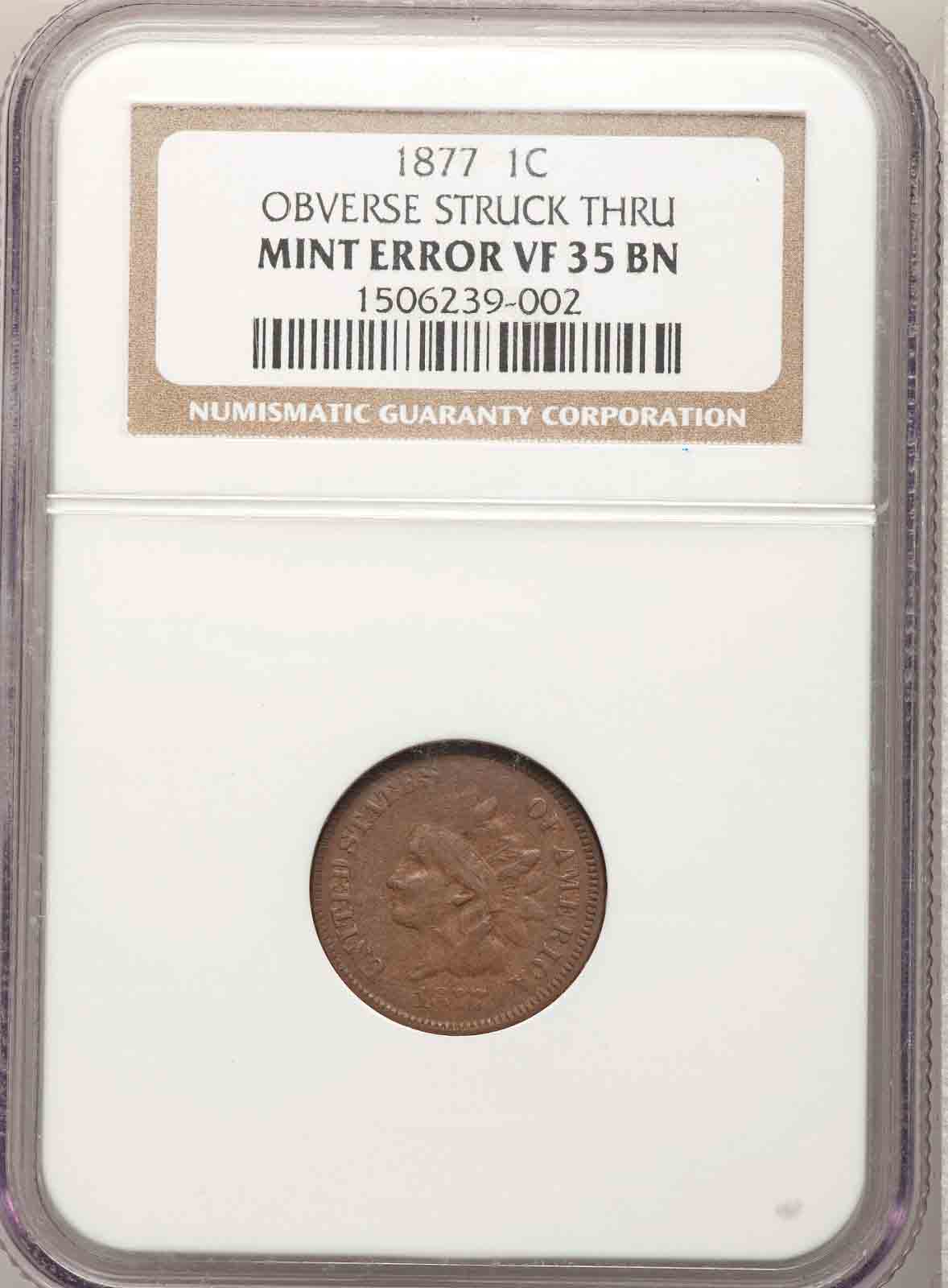 |
|
Moderator
United States
16709 Posts |
Judging only on the reverse, there is no way I would have giving that coin a 35. It looks like a solid XF, perhaps AU :-O
Yeah, let's see the obverse!
swcoin.ecrater.com
|
|
Moderator
United States
16709 Posts |
Wow! Mint error too. Looks struck thru grease. I still believe its higher than 35.
swcoin.ecrater.com
|
|
Pillar of the Community
United States
2760 Posts |
vermontensium; the reverse is pristine and that's one reason I was attracted to it. It's also rare for PCGS/NGC to give a coin that has been heavily struck through grease/water a grade, period. They probably went on the conservative side as you suggested, but I'm just glad they gave it a grade. The key features on the obverse would grade VG on details, and I got it for a VG graysheet price, so there was no way I could turn it down.
|
|
Moderator
United States
16709 Posts |
You did well and its a great looking coin! You should be proud of that one ;-)
swcoin.ecrater.com
|
|
Pillar of the Community
United States
8904 Posts |
One COOL 1877!! Amazing! A key for series AND an error coin?!! Incredible! Talk about rare!! I'm glad you showed us that!  Thanks!
|
|
Moderator
United States
16709 Posts |
I know. Isn't that one cool coin!
swcoin.ecrater.com
|
|
Pillar of the Community
United States
4541 Posts |
|
|
Pillar of the Community
United States
613 Posts |
How many different obverse dies were used for the 1877's not including the proof dies? Thanks in advance.
|
|
Pillar of the Community
United States
2760 Posts |
Number of Proof dies: 3 obverse & 3 reverse (avg 303 per var.). Regular issue: 2 obverse die & 1 reverse die. Total coins struck in 1877: 825,500. Average number of coins struck from a single die throughout the Indian head series = 200,000 coins. Rick Snow basically concludes that there are either other dies or there really weren't 825,500 Indian cents struck that year ... |
|
Moderator
United States
16709 Posts |
I was aware of the 2 & 1 on the biz strikes but not 3 & 3 on the proofs. Thanks!
swcoin.ecrater.com
|
|
Pillar of the Community
United States
613 Posts |
That explains alot to me. I always thought there was only 1 obverse die used. I've been trying to use the date as a diagnosis to counterfeits. No wonder its been giving me a tough time. Thanks guys.
|
|
Page 2 of 2
|
Replies: 23 / Views: 6,522 |
Page 2 of 2
|





 First Page


 Posted 06/24/2010 3:56 pm


