JimmyD:
Quote:
The ending letter refers to the district.
The first letter refers to the series.
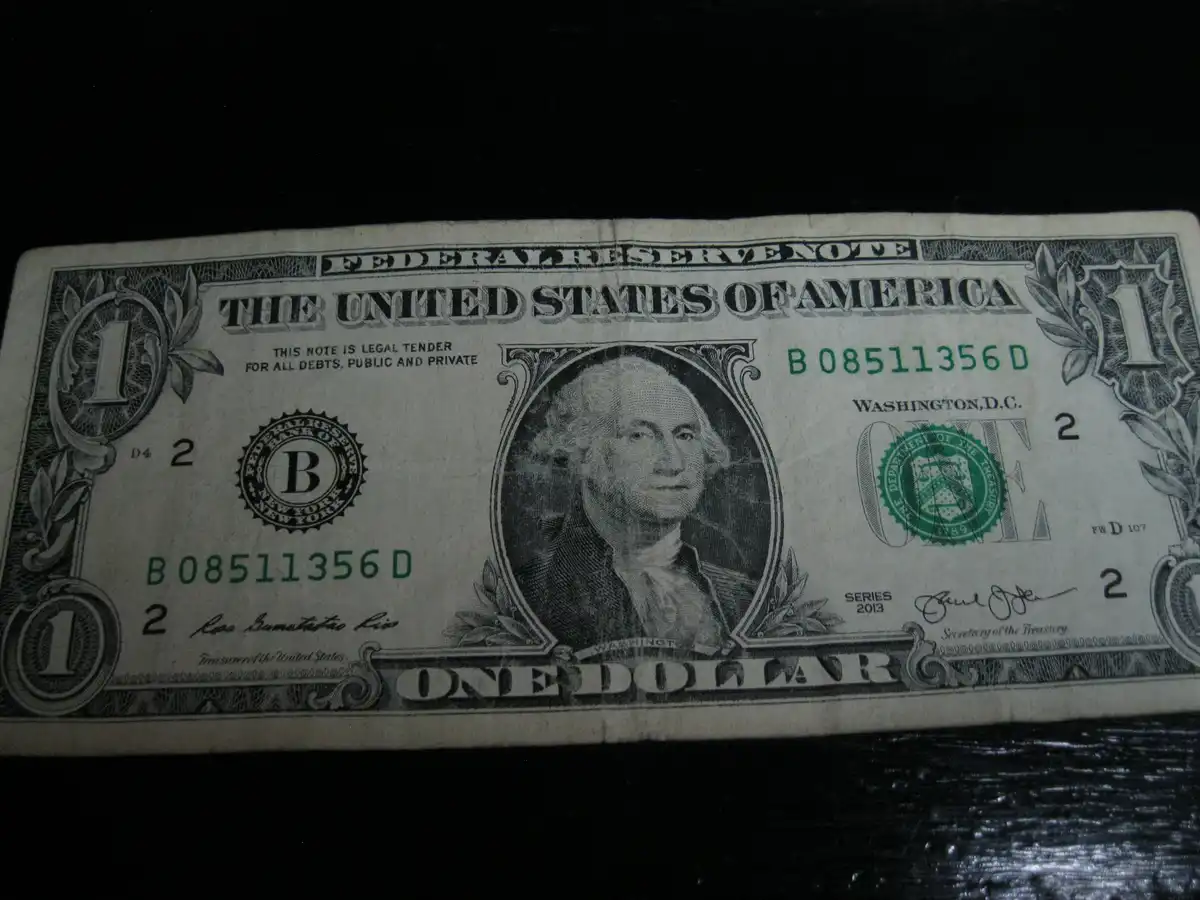
this isn't correct at all, at least for for $1 bills. if a bill has a 10-digit serial (letter, 8 numbers, letter), the first letter is the FRB district, as indicated by the FRB seal on the left with the same letter. the final letter is the block letter, which basically indicates how many times serial numbers 00000001-96000000 (or 99200000 for $50s and $100s) have been printed for a district in a series. for 11-digit serial numbers (series 1996 and later, $5s and up), the first letter does indicate the series, then the second is the district, and the last letter is still of course the block letter.
khnkdn:
Quote:
I am not sure I understand. If a star note is to replace a regular note, how do you know which ending letter it is supposed to replace?
you don't. star notes are printed up to 3.2 million at a time, and if a sheet of non-star bills is inspected and determined to be sufficiently defective, it's removed and replaced with a sheet of star notes. I don't know the
exact process, but I would have to think they basically just take the top sheet of stars off the pile and put it where the defective sheet was found. the serial numbers of the defective and star notes will not necessarily correspond at all.
Quote:
What is the meaning of that ending letter? Are you saying that the same 8-digit serial number beginning with the letter "B" will appear in circulation for however many ending letters (in this case at least 4 times for A, B, C, D)?
you probably saw that I mentioned the block (ending) letter in my response to JimmyD, but yes, what you've said here is essentially correct.









 Posted 04/10/2026 10:53 am


 to the CCF


