

 Posted 04/20/2026 10:04 am


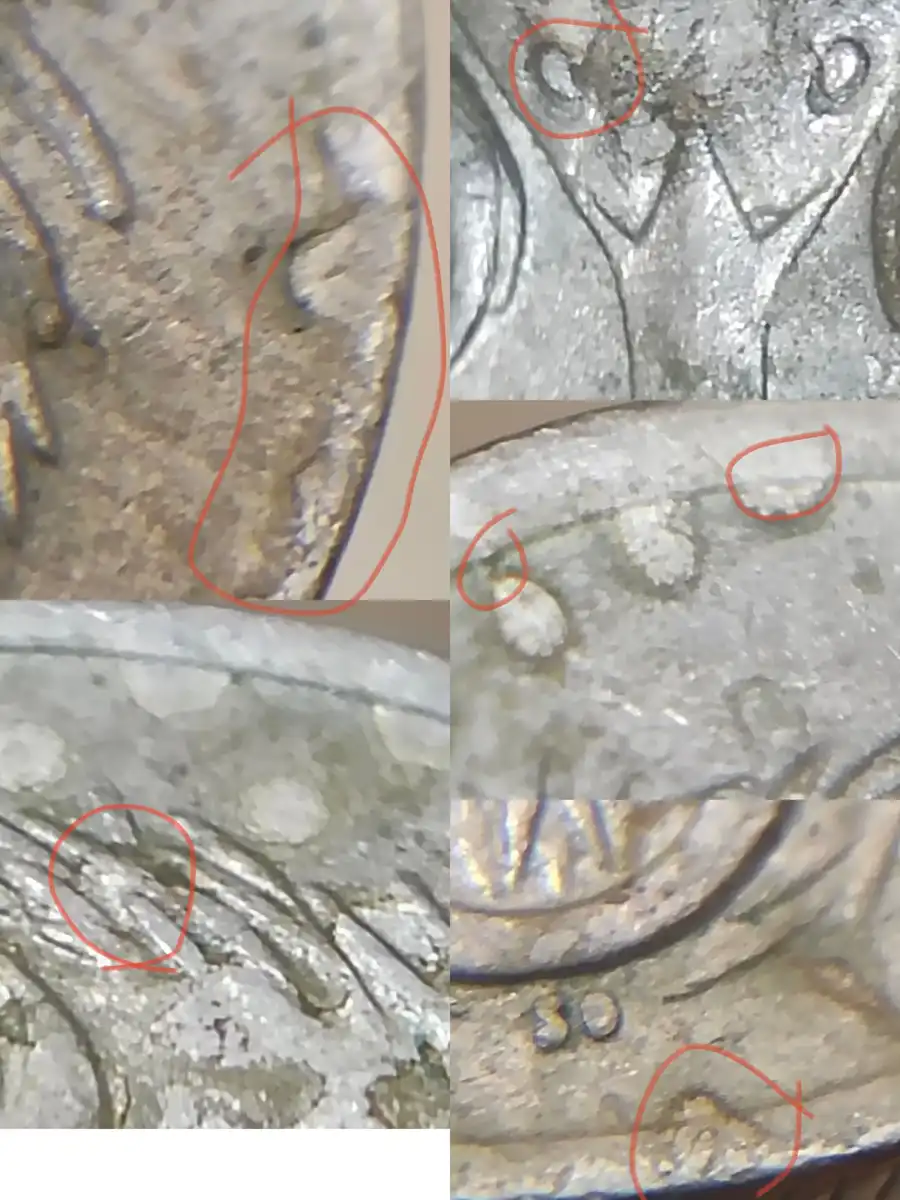
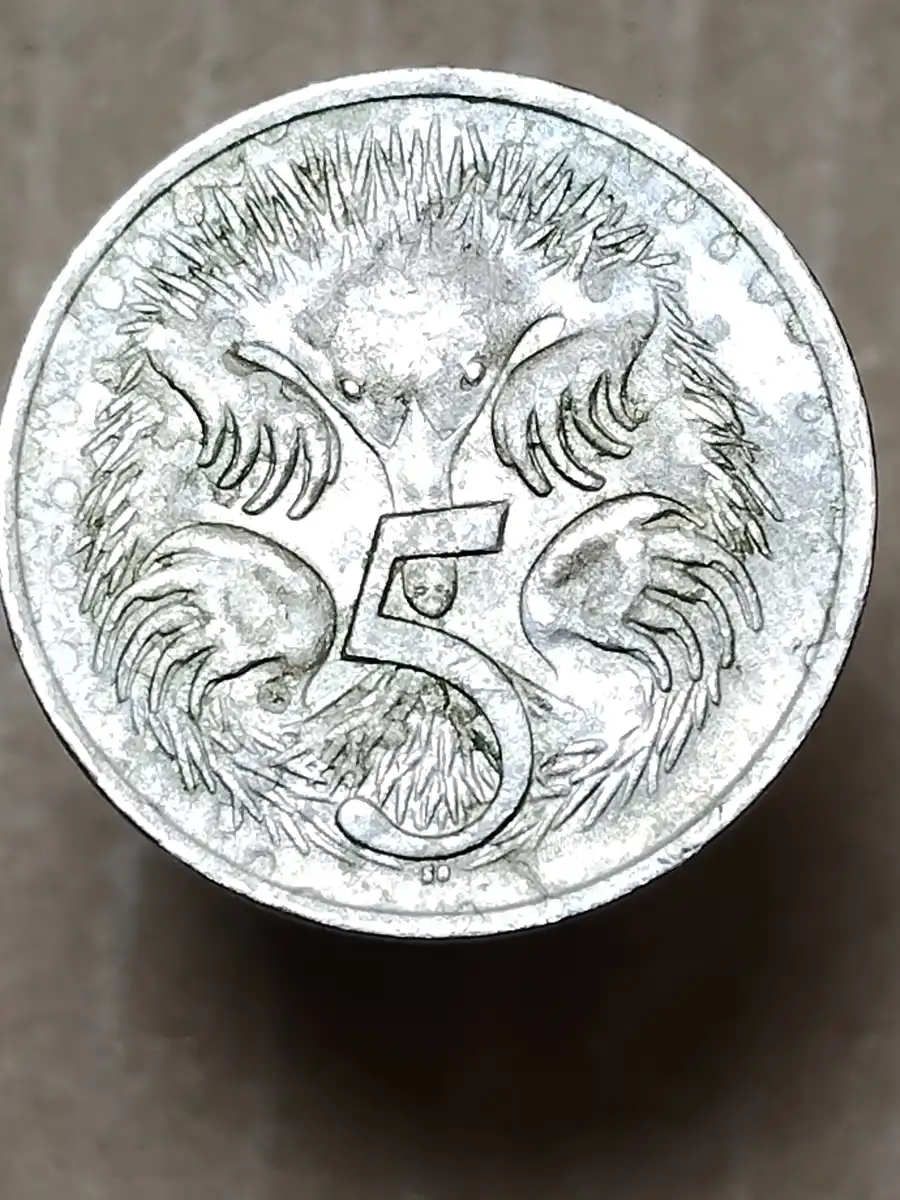
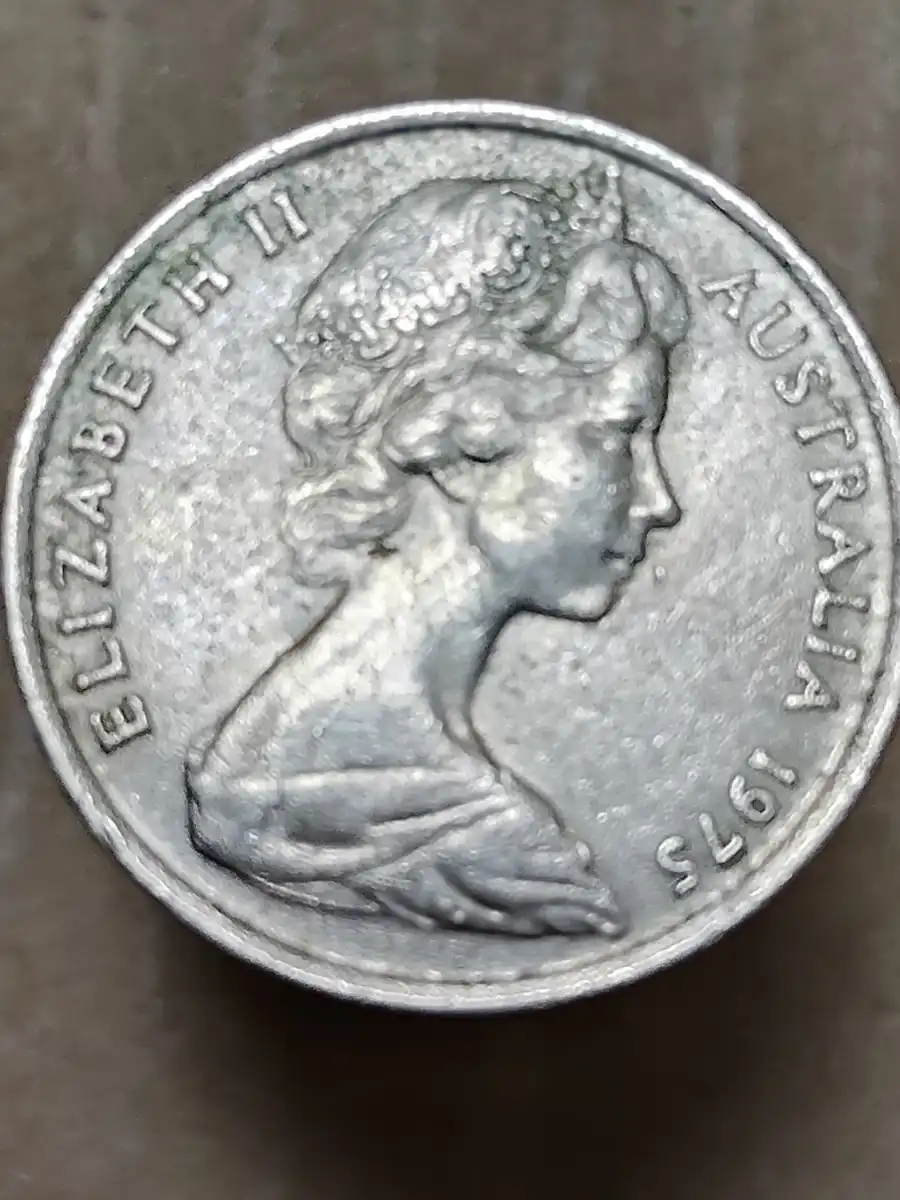
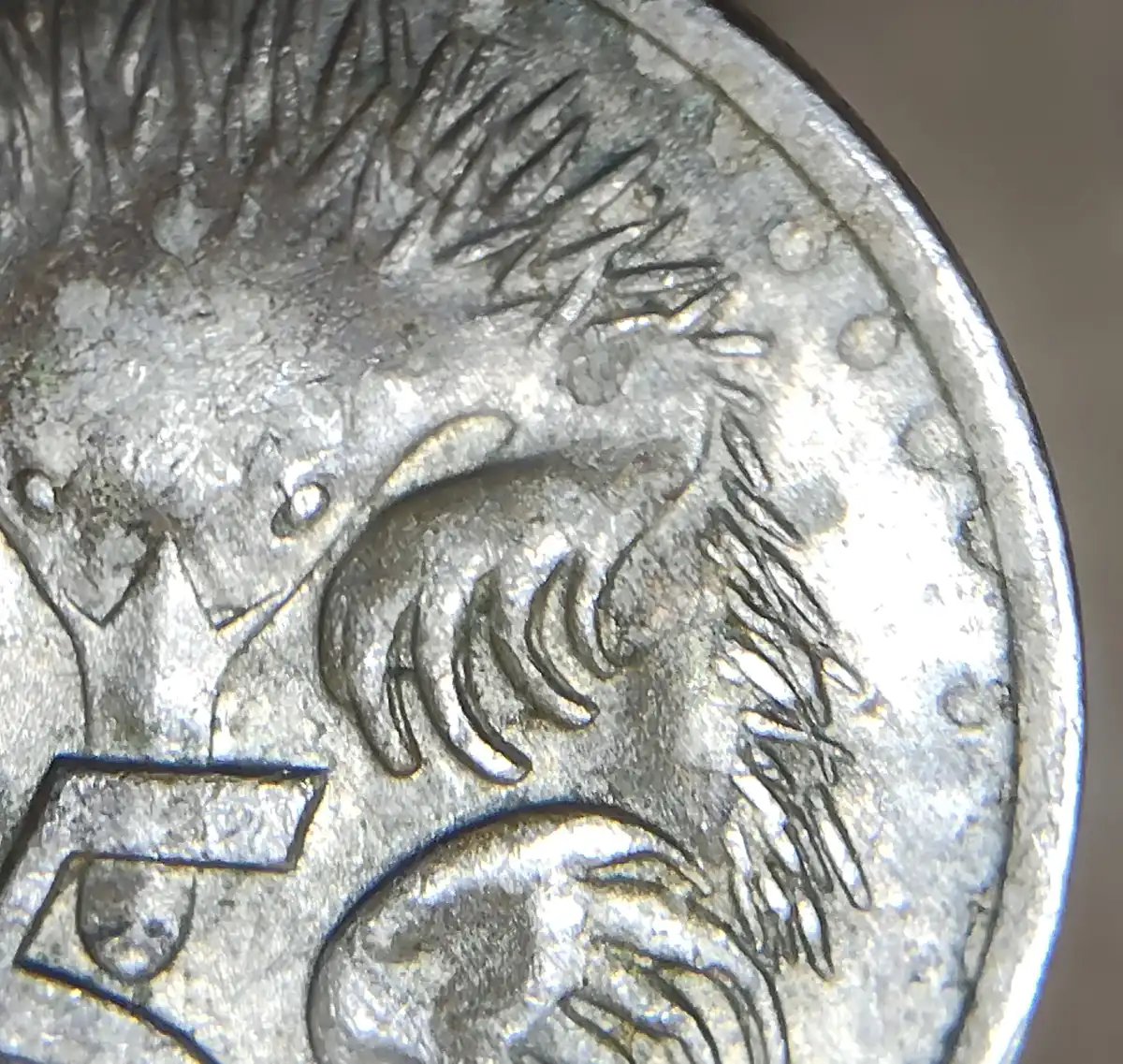
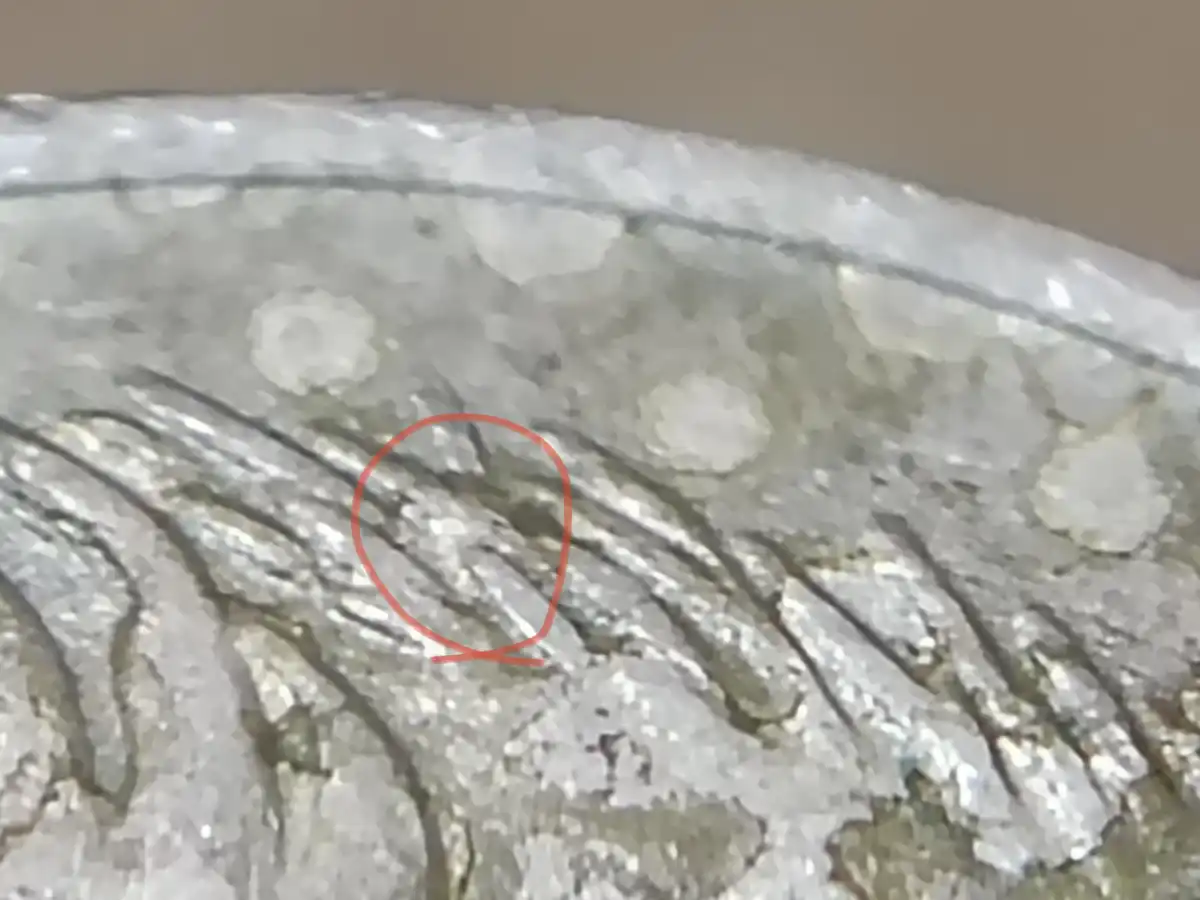
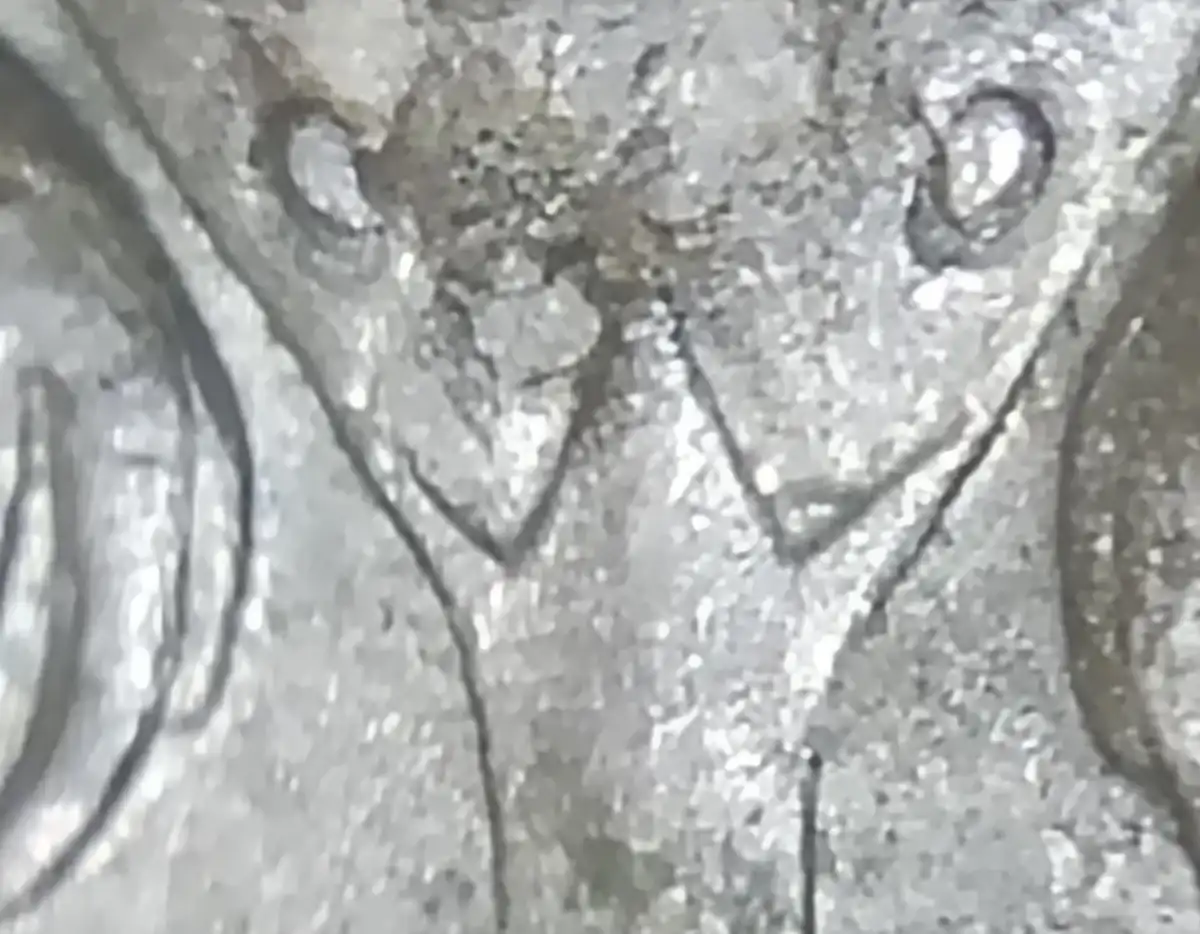
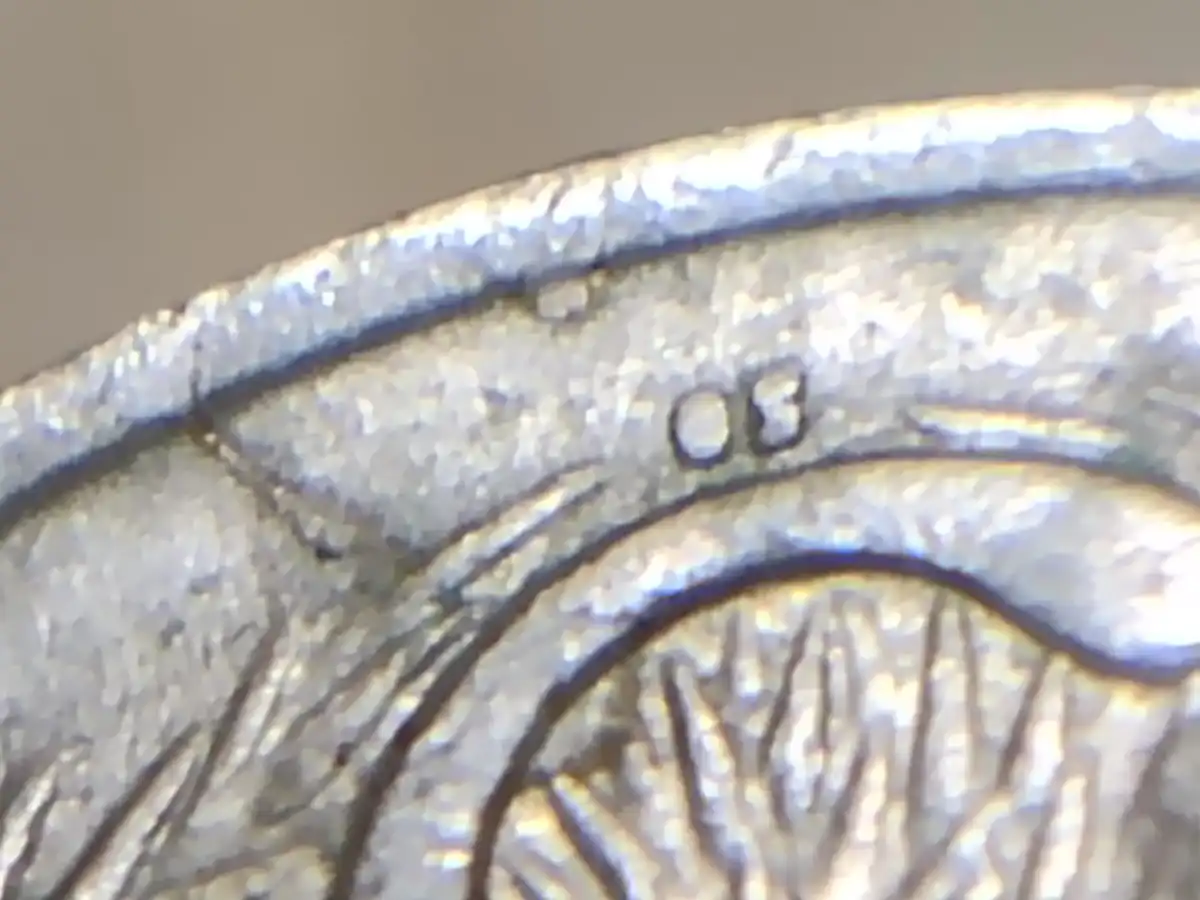
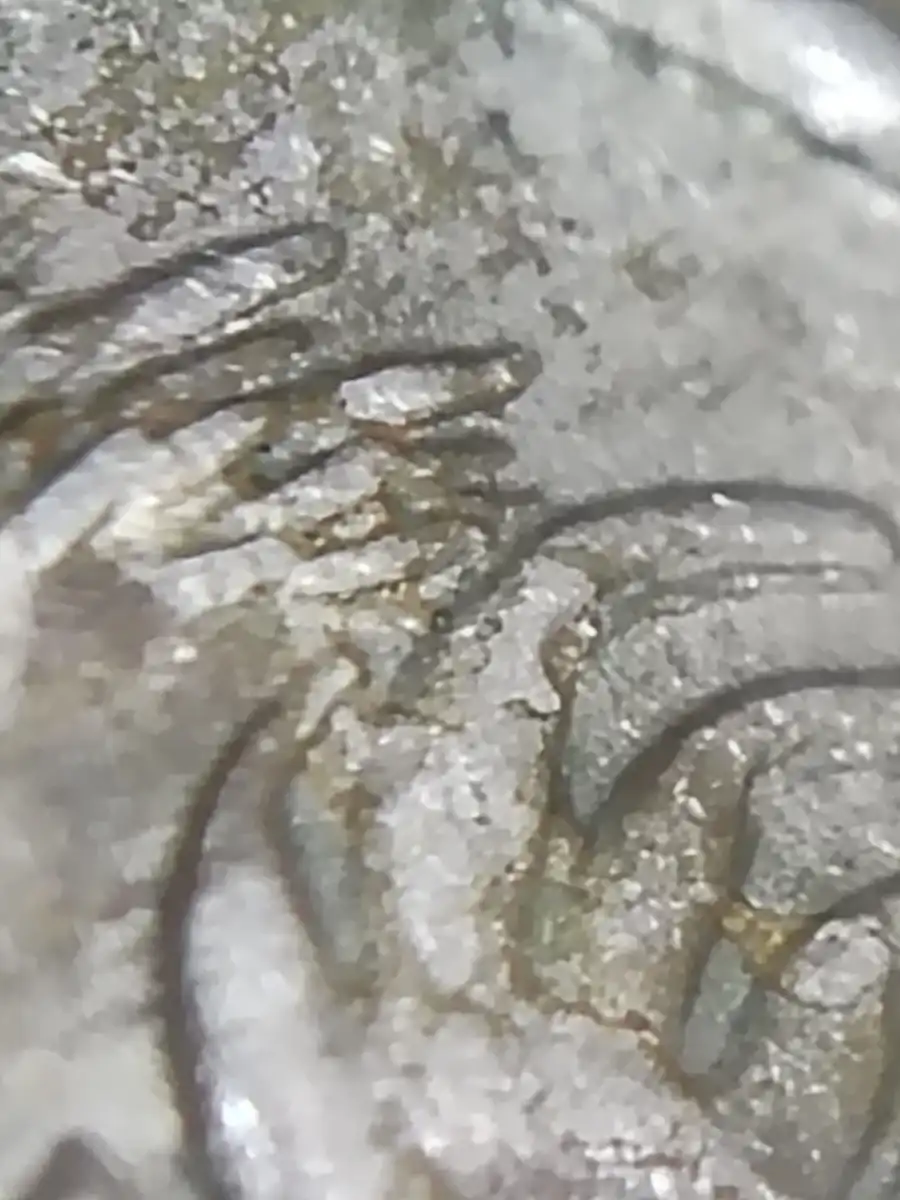
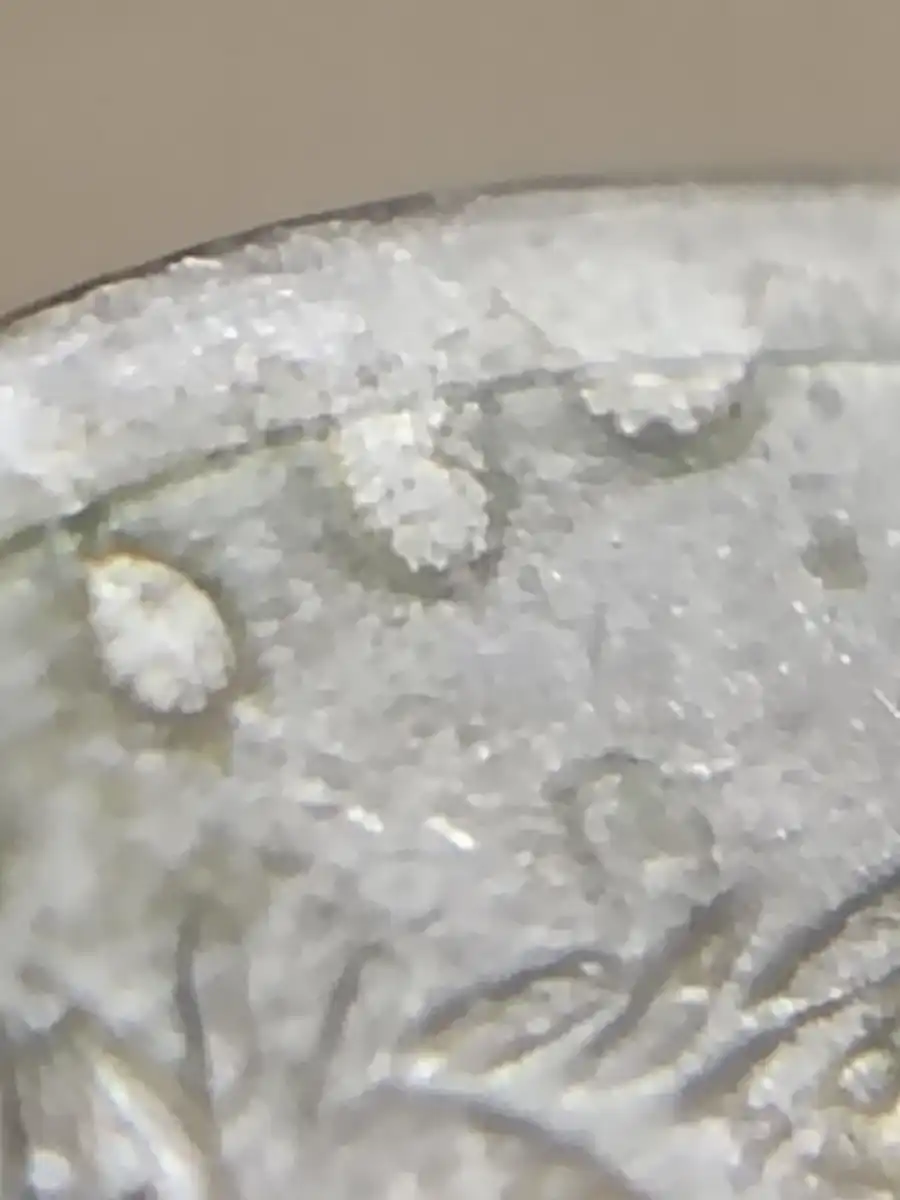
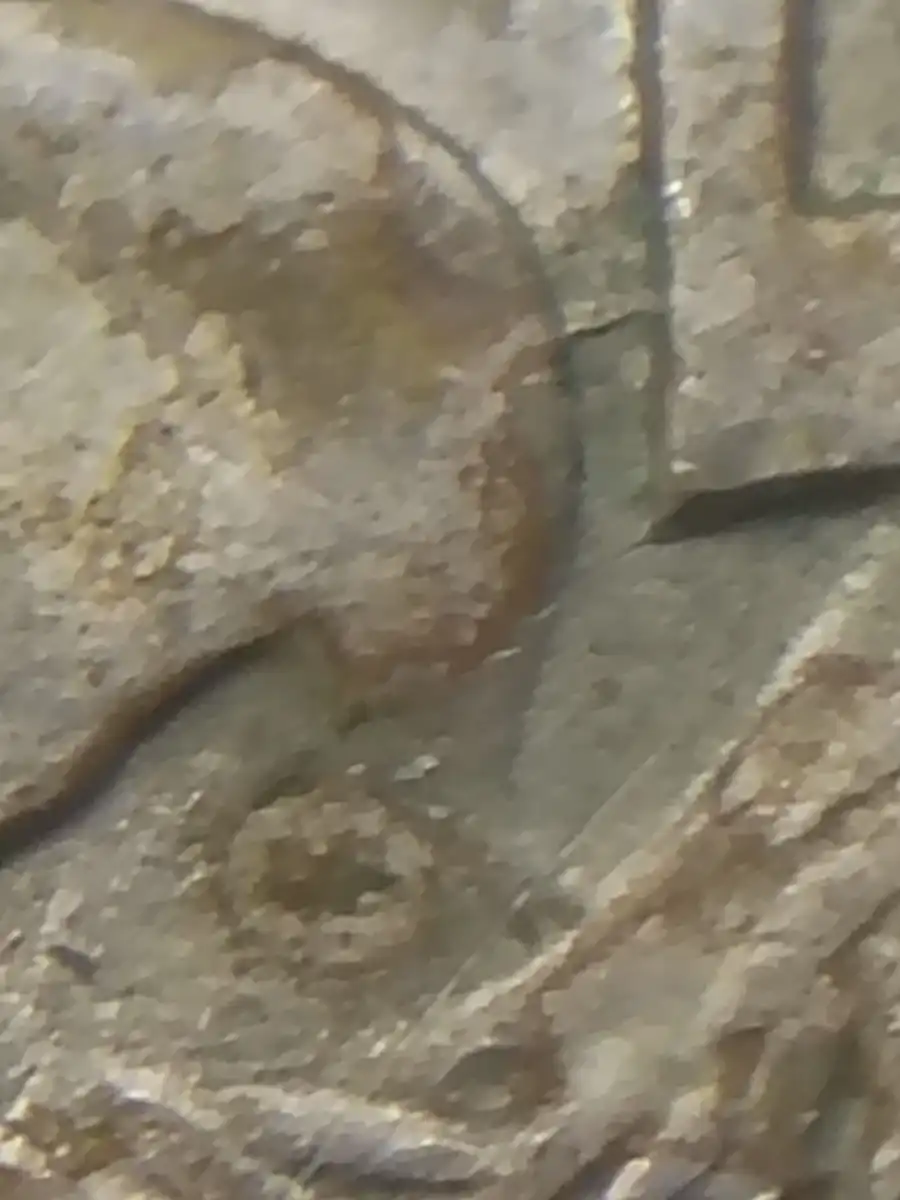
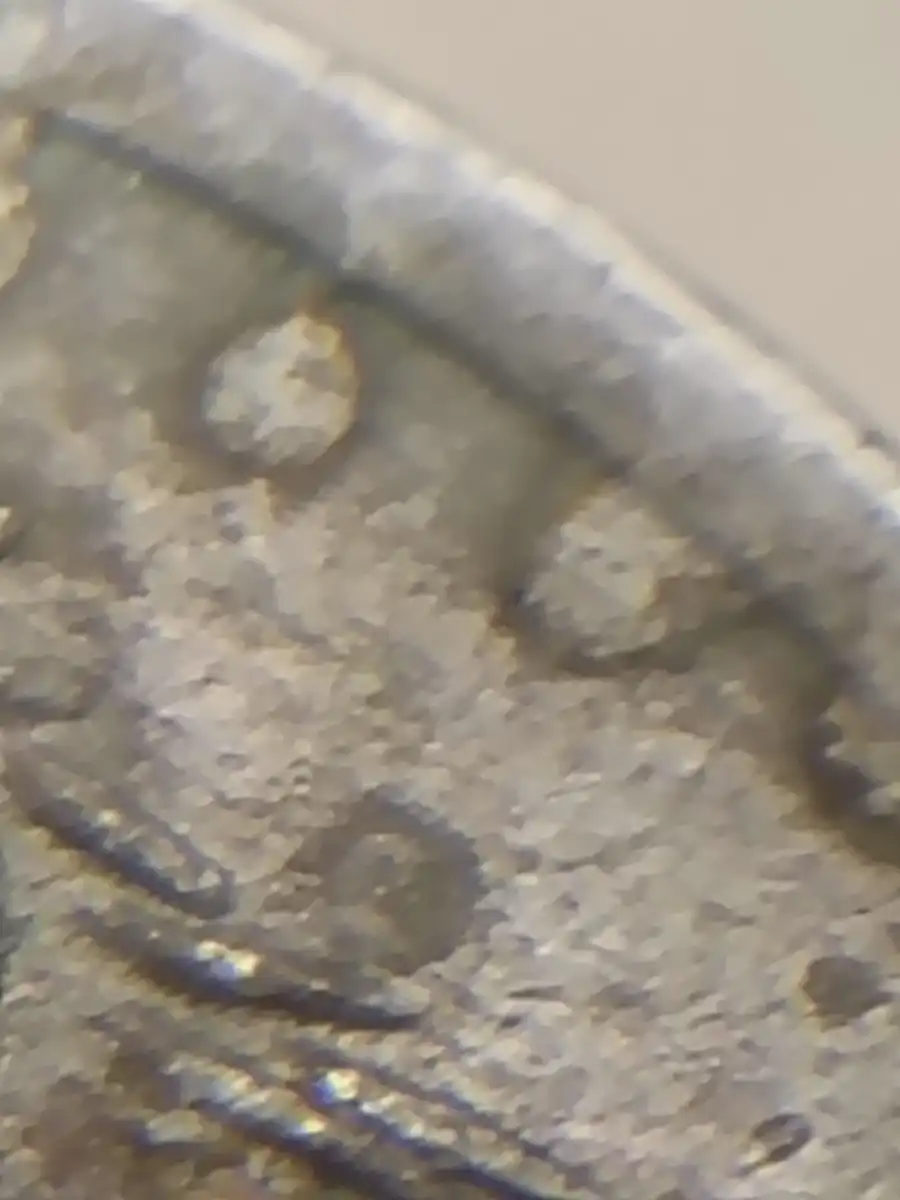
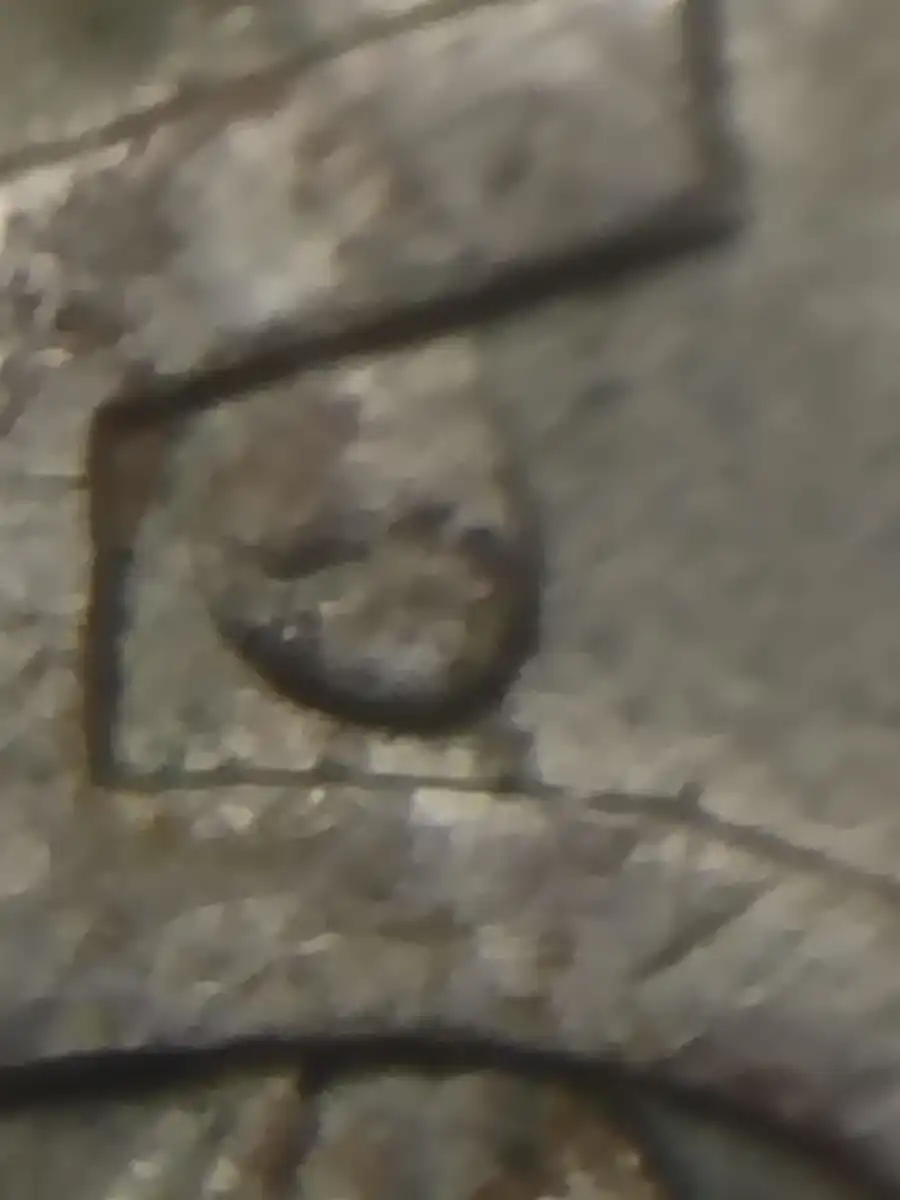
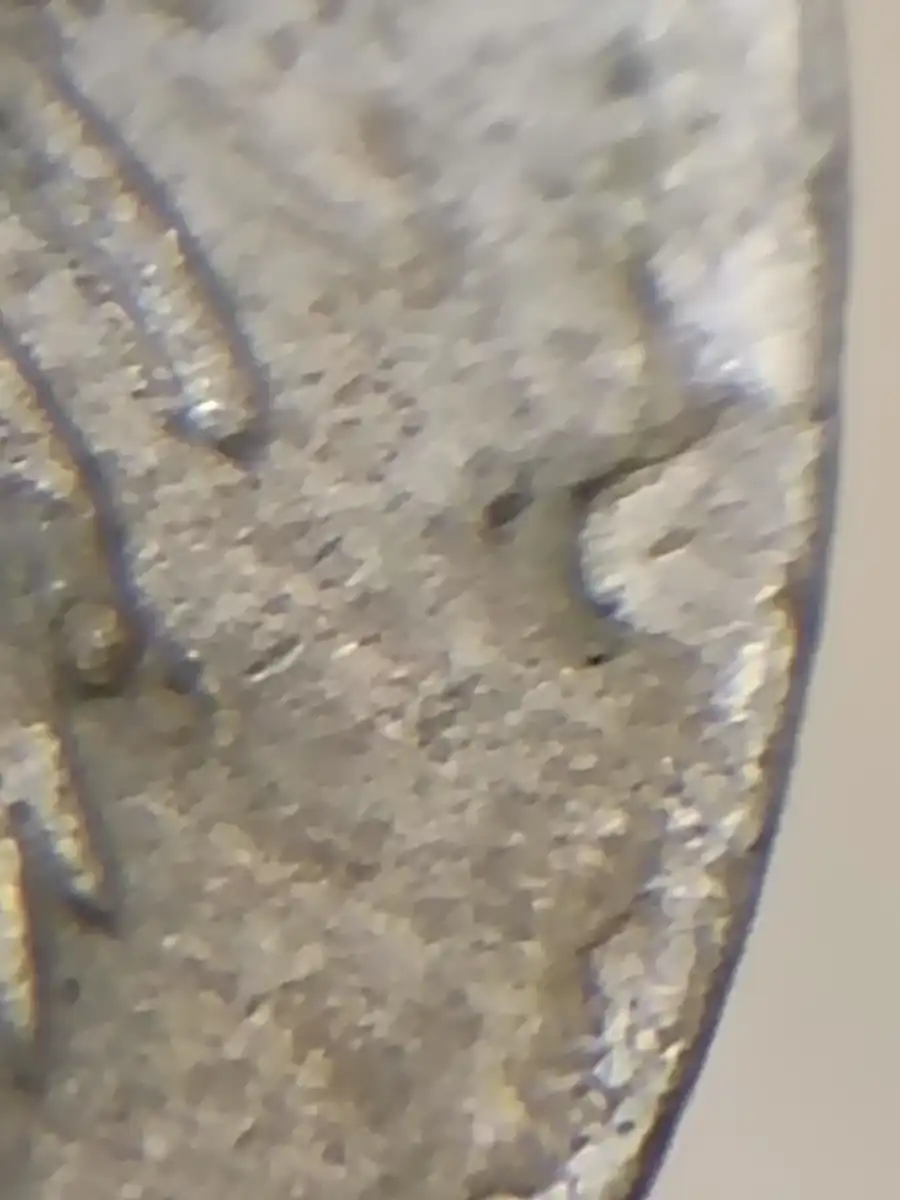
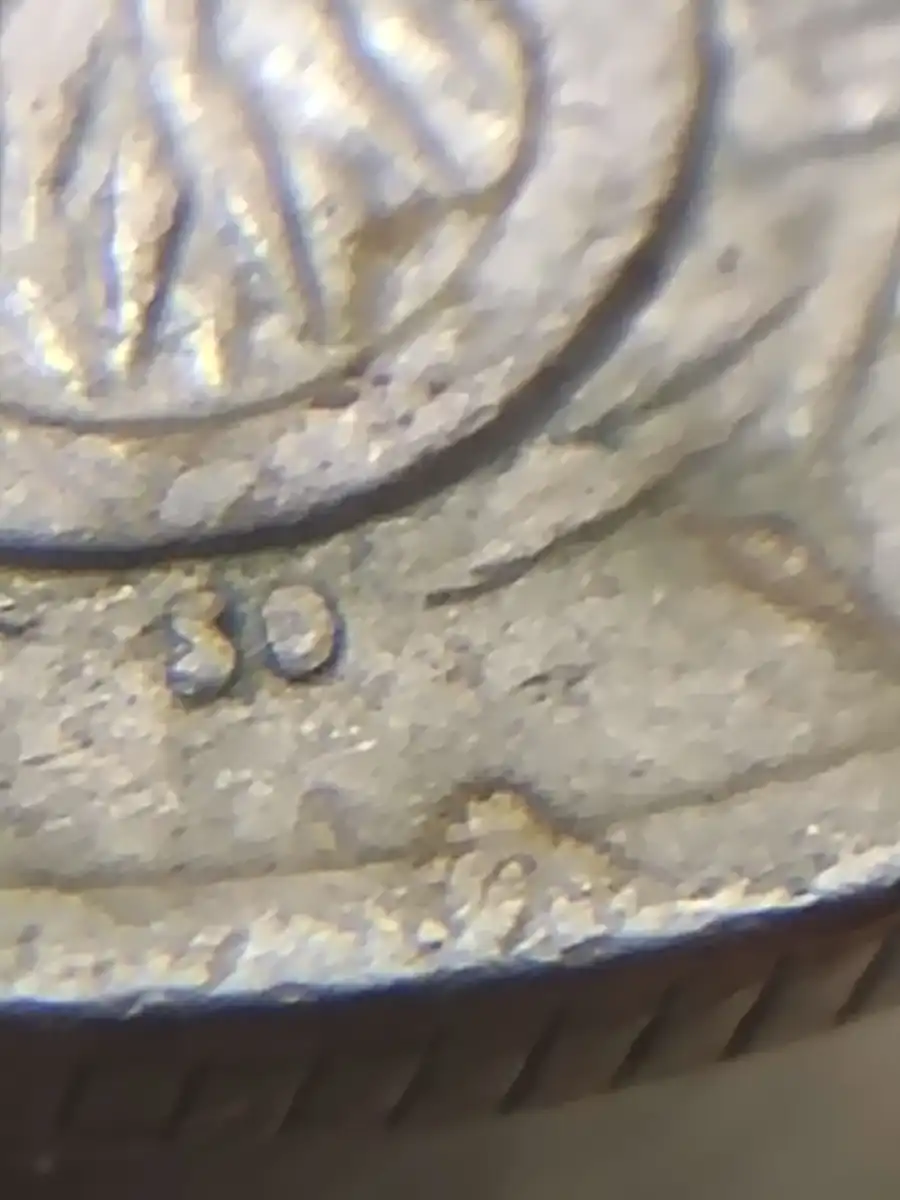
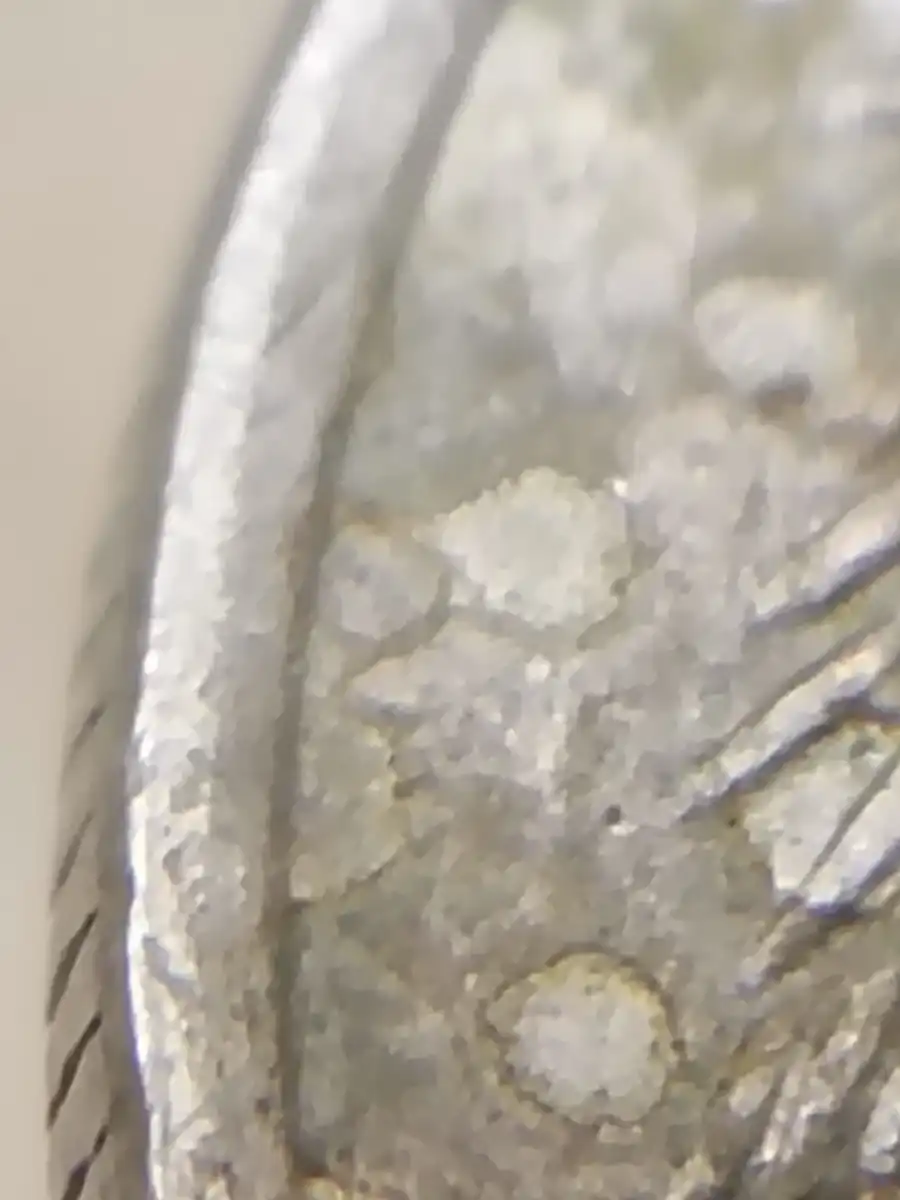
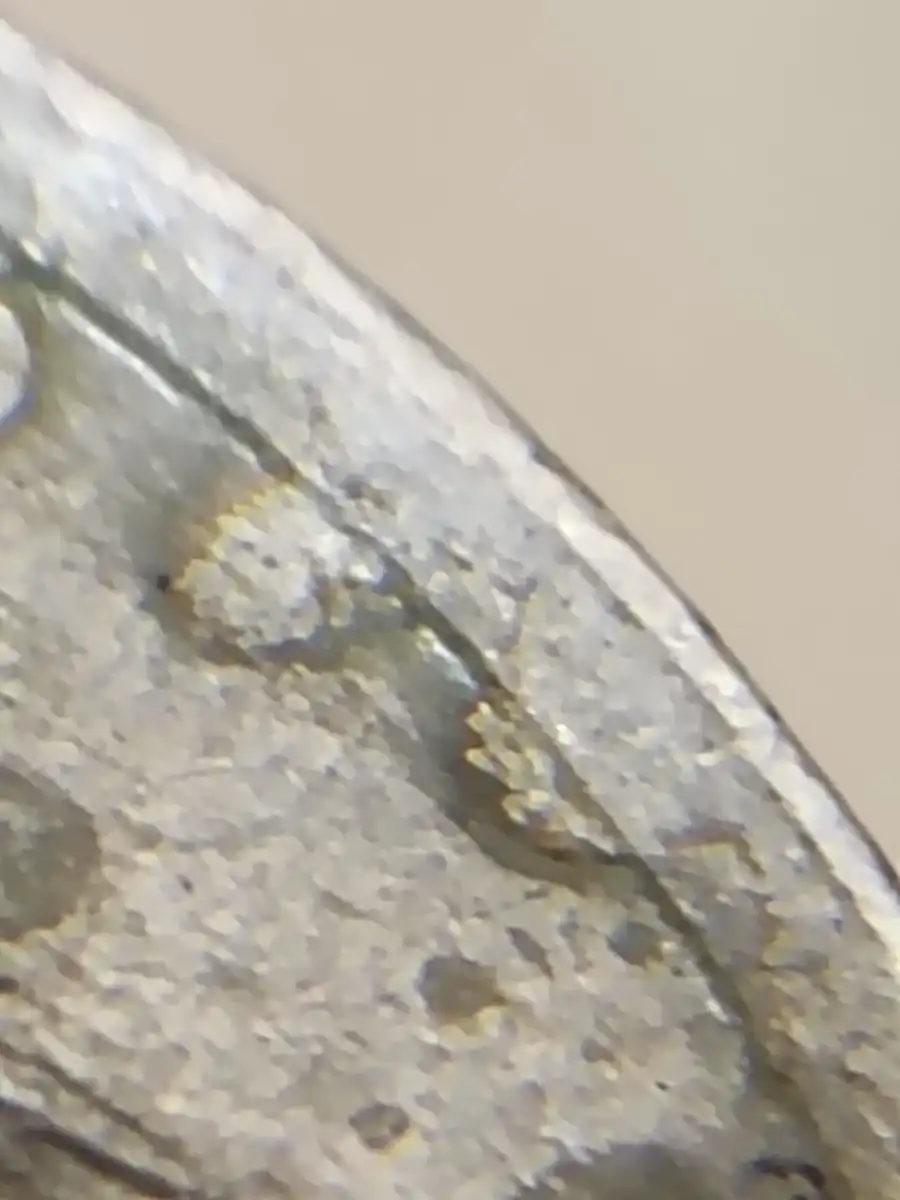
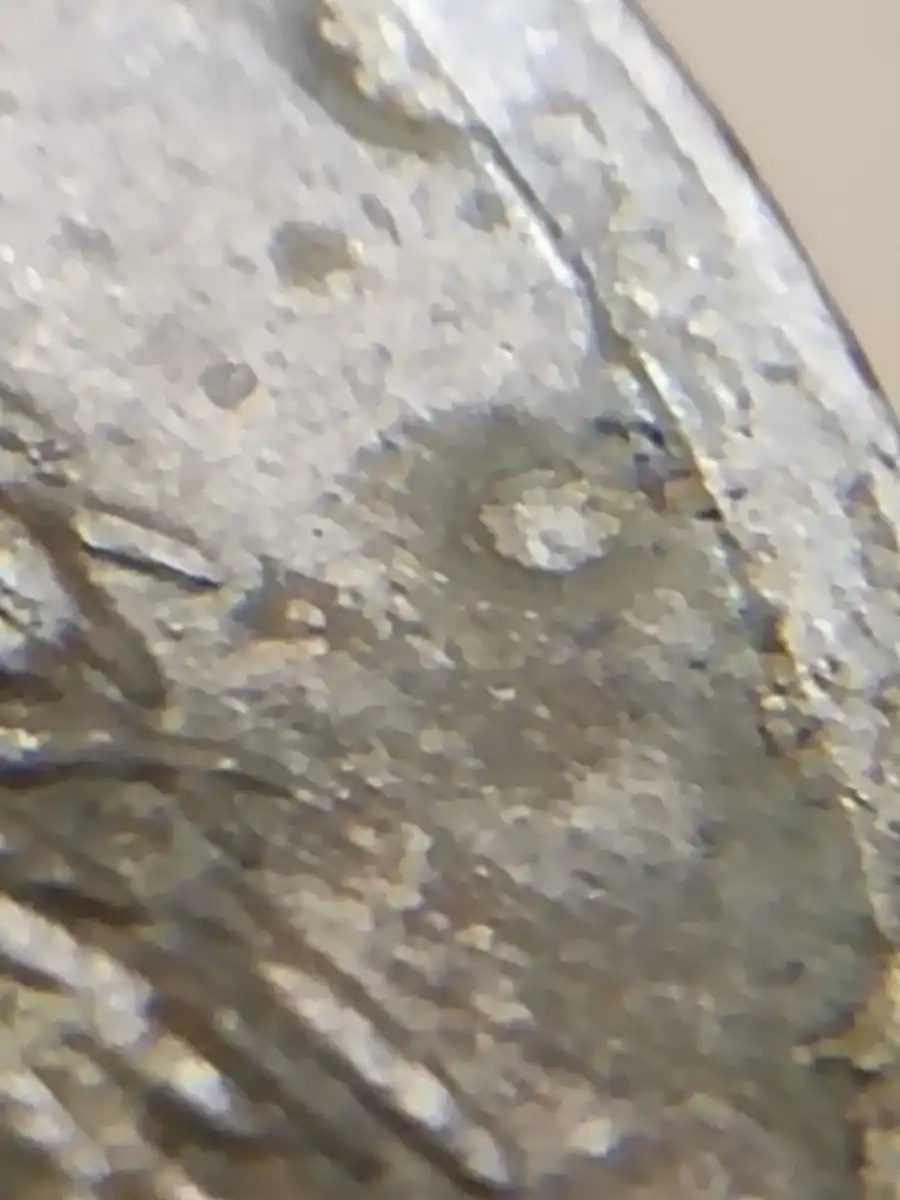
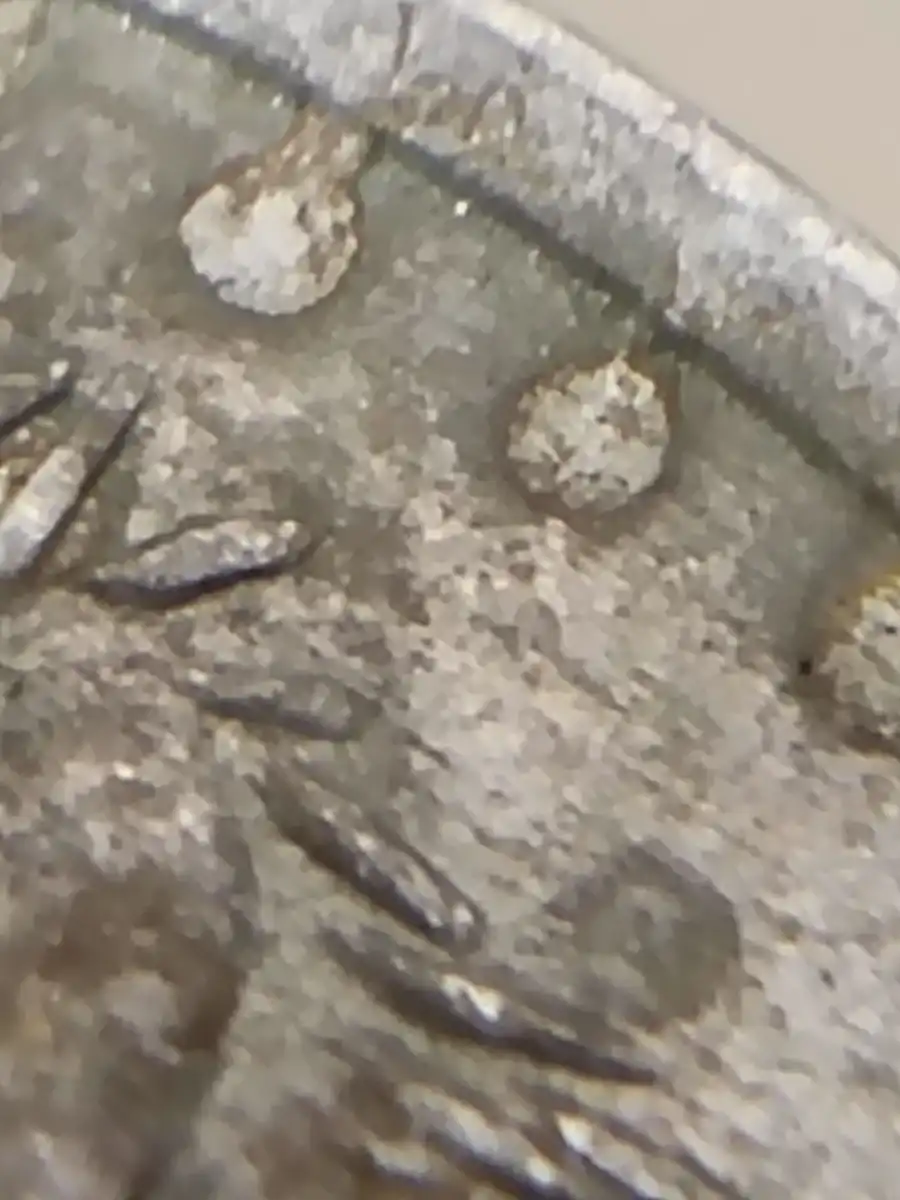
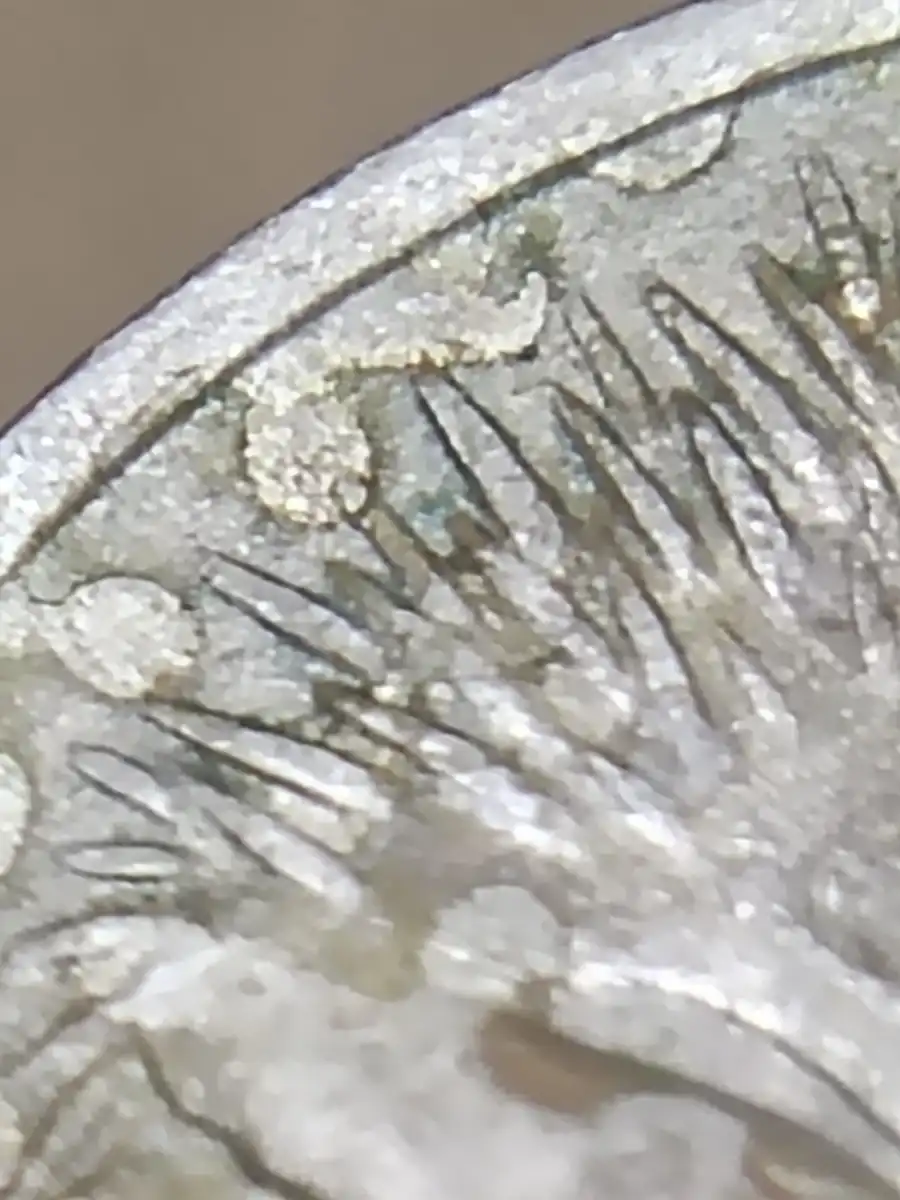
Again, we can dismiss the possibility of it being some kind of mint error, simply because there's no way a coin can acquire dozens of evenly spaced, regularly sized lumps like this while being struck. Other explanations must therefore be sought (given the caveat that, sometimes, PMD has no clear or obvious explanation).
This definitely looks more like some kind of environmental damage, if not corrosion - so my first inclination is that this coin was sitting, perhaps in water or dirt, pressed up against something else that had those raised lumps on it; the lumpy thing corroded, which in turn caused secondary corrosion on the coin.
The other explanation is that they are in fact "blobs" stuck onto the surface of the coin - but blobs of transparent glue. Clear glue (like superglue) sitting on the surface of a coin, can look exactly like lumps of metal, and have fooled many an enthusiastic error-hunter into thinking they'd found some kind of odd lumps on their coin. But a quick soak in acetone revealed the truth, when the "lumps" simply washed right off.
This definitely looks more like some kind of environmental damage, if not corrosion - so my first inclination is that this coin was sitting, perhaps in water or dirt, pressed up against something else that had those raised lumps on it; the lumpy thing corroded, which in turn caused secondary corrosion on the coin.
The other explanation is that they are in fact "blobs" stuck onto the surface of the coin - but blobs of transparent glue. Clear glue (like superglue) sitting on the surface of a coin, can look exactly like lumps of metal, and have fooled many an enthusiastic error-hunter into thinking they'd found some kind of odd lumps on their coin. But a quick soak in acetone revealed the truth, when the "lumps" simply washed right off.
Don't say "infinitely" when you mean "very"; otherwise, you'll have no word left when you want to talk about something really infinite. - C. S. Lewis