




 Replies: 2 / Views: 54




 Posted Today 39M ago


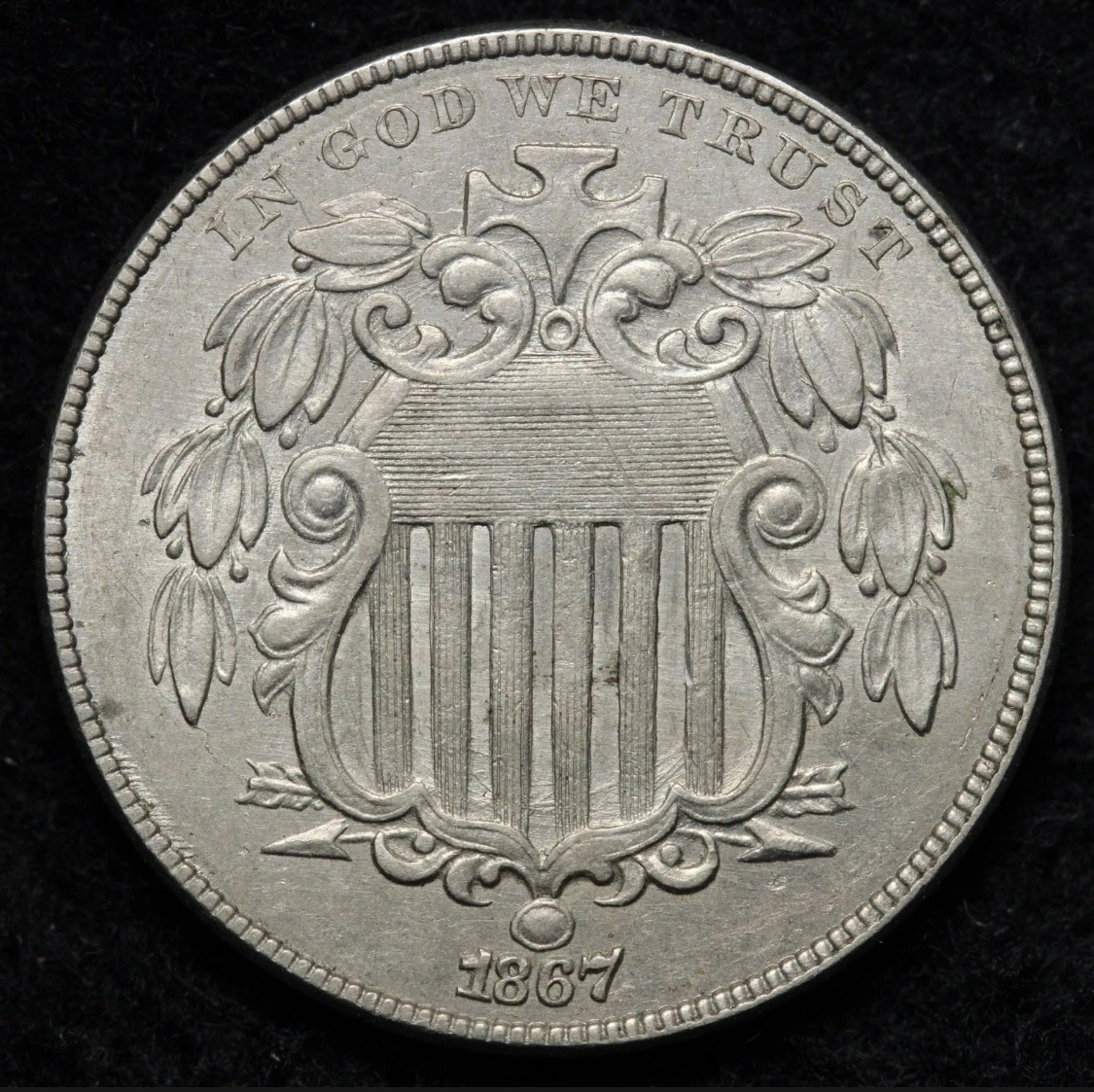
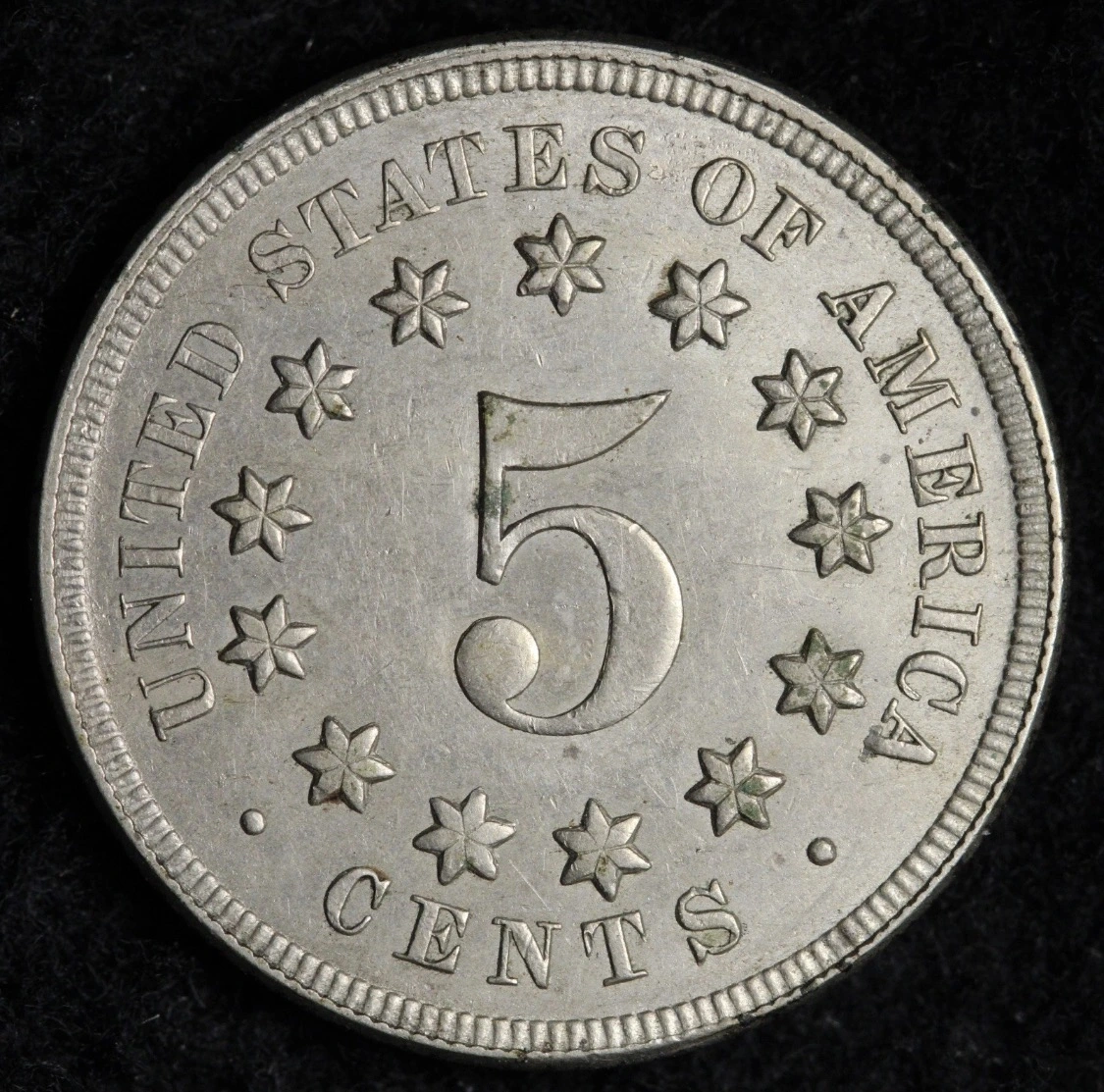
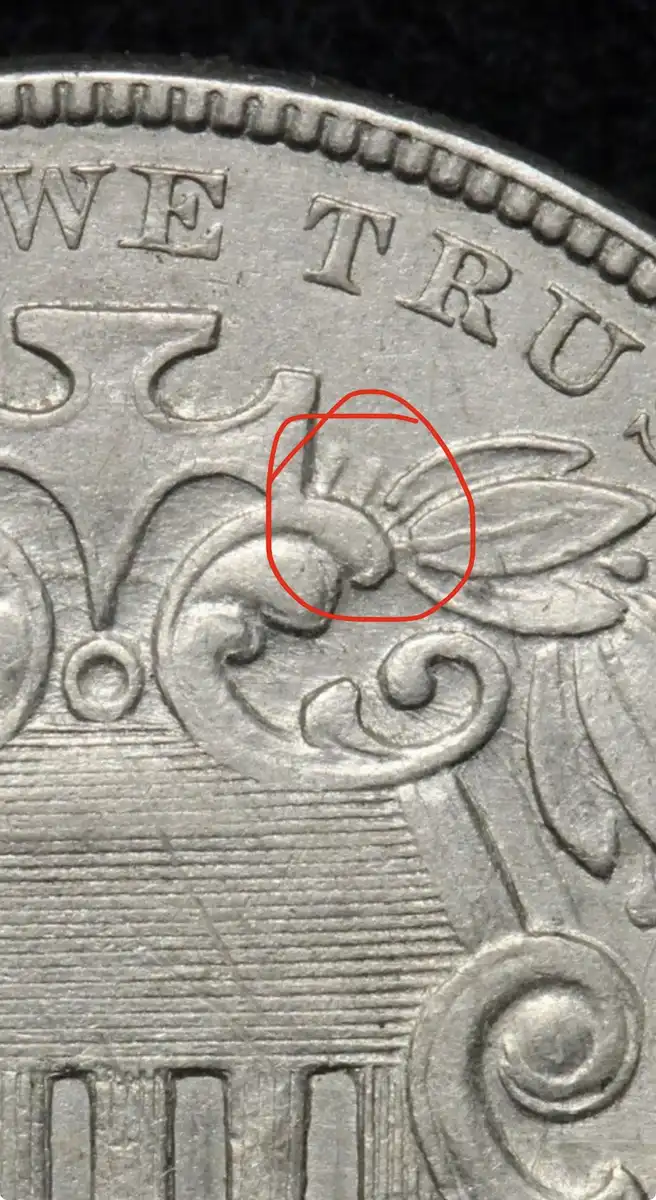
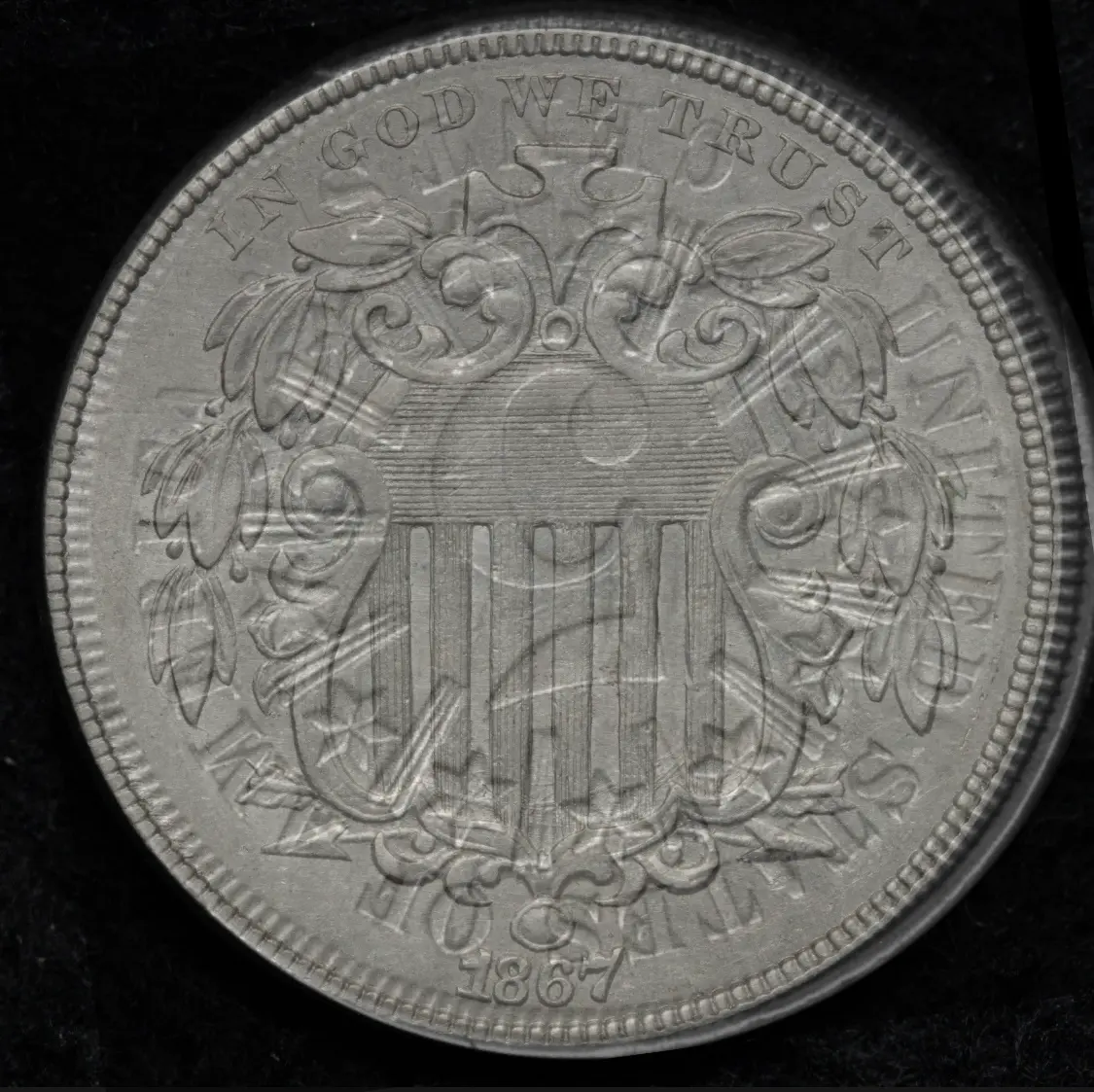
It's certainly an interesting anomaly. I think you can start making the case that the obverse was clashed with a rays reverse. Misalignment probably wasn't that uncommon 150 years ago. Two questions:
Was the 1867 obverse the same for nickels struck with the Rays and No Rays reverses? i.e. could the Mint have kept an old obverse die in service to strike coins with the new reverse dies?
Where are the other clash marks? I do see filing lines, so perhaps they were removed, but there should be scrapes in the same nearby areas where the dies made contact. Could this possibly be Feeder Finger Damage or some other kind of machinery damage to the die face?
Definitely interested to see where this goes!


