| Author |
 Replies: 6 / Views: 1,397 Replies: 6 / Views: 1,397 |
|
|
Pillar of the Community
United States
790 Posts |
As I mentioned in the 1972 silver quarter post, I think I might have a 1983 cent that is zinc, with no copper. The color in the pics doesn't look quite the same as the actual coin. It has the look, feel, and sound of a zinc coin, not the sound of a regular cent. 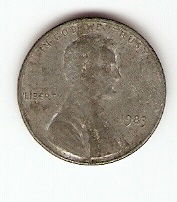 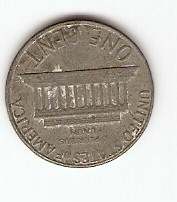 Is a penny without copper known? How much copper in the the penny since 1982? What would the weight be? No, I'm not trying to pull a Littleton yard sale thread (actually, I got in in change in the mid 90s). I posted pics to avoid the "littleton yard sale" syndrome. |
|
|
|
Rest in Peace
United States
1943 Posts |
From the middle of 1982 until now all cents are copper plated zinc. The weight of th4e zinc cent is 2.7 grams. The older copper cents are 3.2 grams. A 1983 cent that is zinc is normal. Unless you mean a 1983 zinc cent missing the plating. But the plating can be removed with acid which is what is usually found in circulation.
|
|
Pillar of the Community
United States
632 Posts |
I've heard of the copper plating on pennies being removed by chemicals before. But if the plating were removed then how much detail would still be left on the penny? Does the die really press that firmly into the zinc? As far as I know the penny planchets are plated before pressed, not afterwords. I say it looks like a penny that had a rough life and maybe got into something weird and toned oddly.
|
|
Rest in Peace
United States
1943 Posts |
God question. The plating is very thin. About a year ago my son found a 1993 cent that was unplated and looked great. I took it to the Baltimore coin show where the grading services were set up. They said it was probably treated with acid to remove the copper. They said they were seeing alot of these. The plating is so thin that the strike still looks good. By the way, you are correct. The plating is put on before the coin is struck.
|
|
Pillar of the Community
United States
1571 Posts |
Jays-Dad, and the new members, welcome to the forum! The 1983 cent is zinc. It weighs 2.5 grams. The copper cents weigh 3.11 grams. Your pgotos indicate the lack of plating, whether by chemical, or other process, is unknown. Yes, the press will leave the full imprint of the die,( under normal conditions, I e not any grease, or other foreign material on the die, amd/or planchet. The pressure of the hammer (die) is hundreds of tons.
Dick
|
|
Pillar of the Community
United States
1208 Posts |
Copper plating is extremely thin.
The thickness of the plating being gone
will not be enough to soften any detail
of the striking.
Chemicals or even the reverse electrical
process used for plating could remove the
ultra thin layer of copper.
Now, why anyone would want to reverse plate
a penny... that is the real question!
I can see a chemistry teacher in a middle
school somewhere deplating these things as
some sort of demonstration to his students.
One demonstration, and the penny is done
for that purpose, so he puts it in his
pocket and spends it somewhere later that
day.
Sorry, but I thought you were joking in the
other thread. Pennies have been zinc since 82.
So when you said you had a zinc 83, I figured
you were being sarcastic!
Edit:
Actually I can think of a reason to deplate a
zinc penny...
The EPA has required the removal of trace zinc
from engine oils starting 2007. The zinc is an
essential element for high pressure protection
of the valvetrain, in particular, of internal
combustion engines. Needless to say, the EPA
doesn't care if your IC engine only lasts half
as long now. That's just the quicker your car
will fall to attrition and be replaced with
one subject to even more stringent rules.
Anyway, point is, a sacrificial piece of zinc
can be used to add the element back to the
crankcase and prolong engine life. A deplated
cent/cents would be perfect.
Edited by ratio411
05/03/2008 11:10 pm
|
|
Valued Member
United States
169 Posts |
I have a 1985 "zinc" cent. At first glance, I thought I had a valuable mint error. The coin has the look of a circulated 1943 cent, although the details seem to say that it is AU or even UNC. There is no sign of copper until you look at it under magnification where upon you see the tiniest traces of copper against the rim in a couple of places, and between the pillars on the Lincoln Memorial. I haven't shown this to a professional, but I'm assuming the copper was removed outside the mint. I'm sure it's possible that zinc planchets could go through the minting process without having been copper plated, but wouldn't it be pretty obvious to any of the people who perform quality control along the way?
Of course with all the funny business that has been going on at the mint over the last few years, I'd guess that there were some cents actually minted that never had their copper plating applied.
|
| |
Replies: 6 / Views: 1,397 |
|










 Posted 05/02/2008 10:45 pm


