Quote:
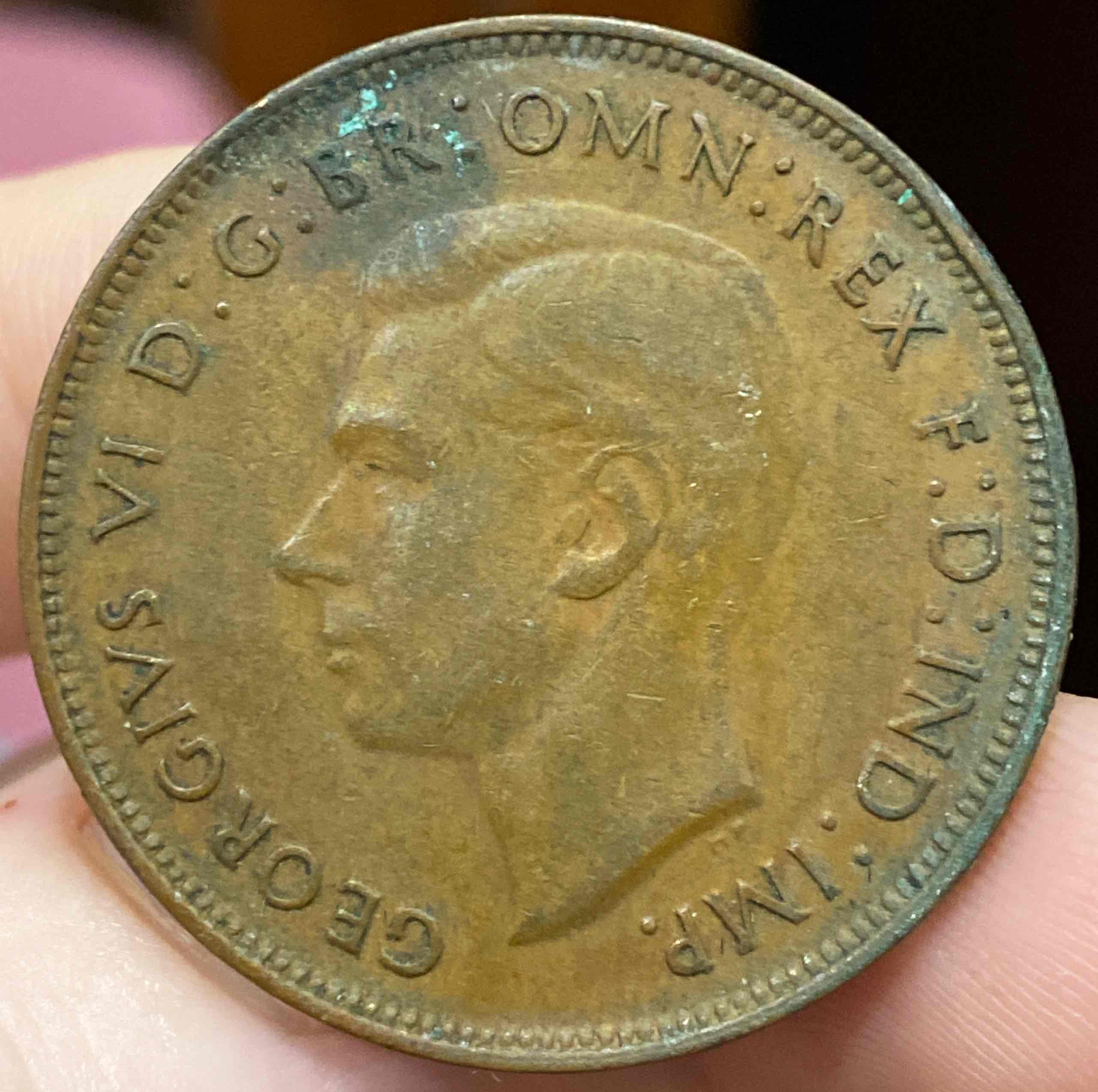
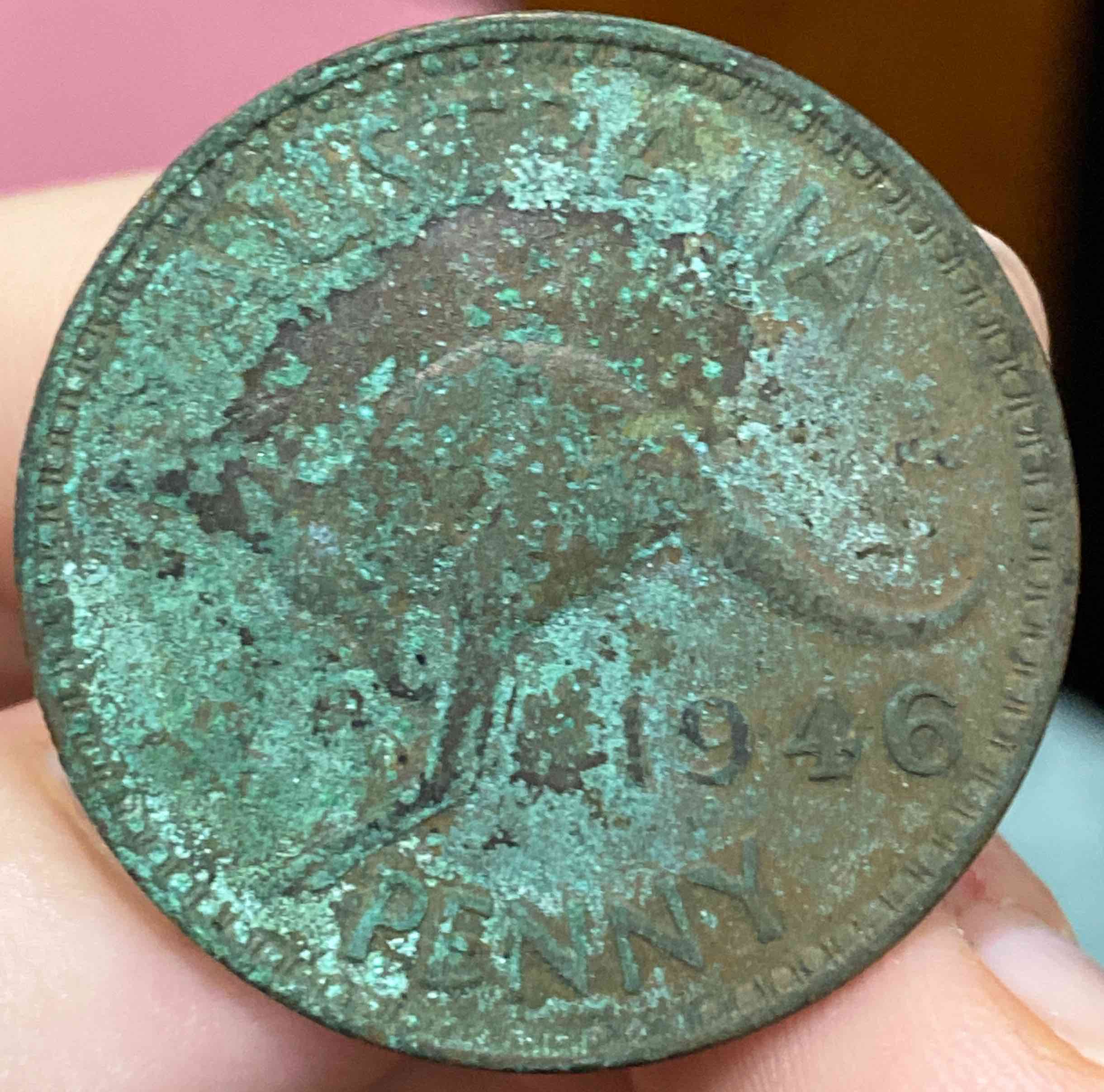
Why does it have so much green residue on one side, and the other side is decent!?
This kind of corrosion is "environmental damage" - which usually means it's been caused by exposure to the open air, salt water, or buried underground. A coin like this, however, has been exposed to different "environments" on different sides. One can speculate how this might come about, but without knowing the coin's actual history, they're just guesses.
Perhaps the coin was sitting on top of something corrosive (like salty soil), or perhaps the coin was just sitting on the ground or benchtop and something corrosive then spilled on the ground - so the corrosion happened underneath the coin. Or maybe it was the other way around, like the coin was sitting flat on a surface next to a sea breeze, so that salt spray constantly landed on the coin's top and corroded it while the surface underneath was protected from the spray.
Either way, your uncle no doubt kept it because it "looked unusual". And it's a classic example of an "unusual-looking coin" that is "unusual" for all the wrong reasons, from a coin collector's point of view. Unfortunately, corrosion this bad is irreversible. You can clean it (I've found the careful application of concentrated ammonia does wonders to remove green verdigris from bronze coins) but the end result will be a "cleaned coin", and would likely look like a cratered moonscape. Which is unfortunate, as 1946 is the second-scarcest sate in the Australian penny series (second only to the famous 1930 penny).
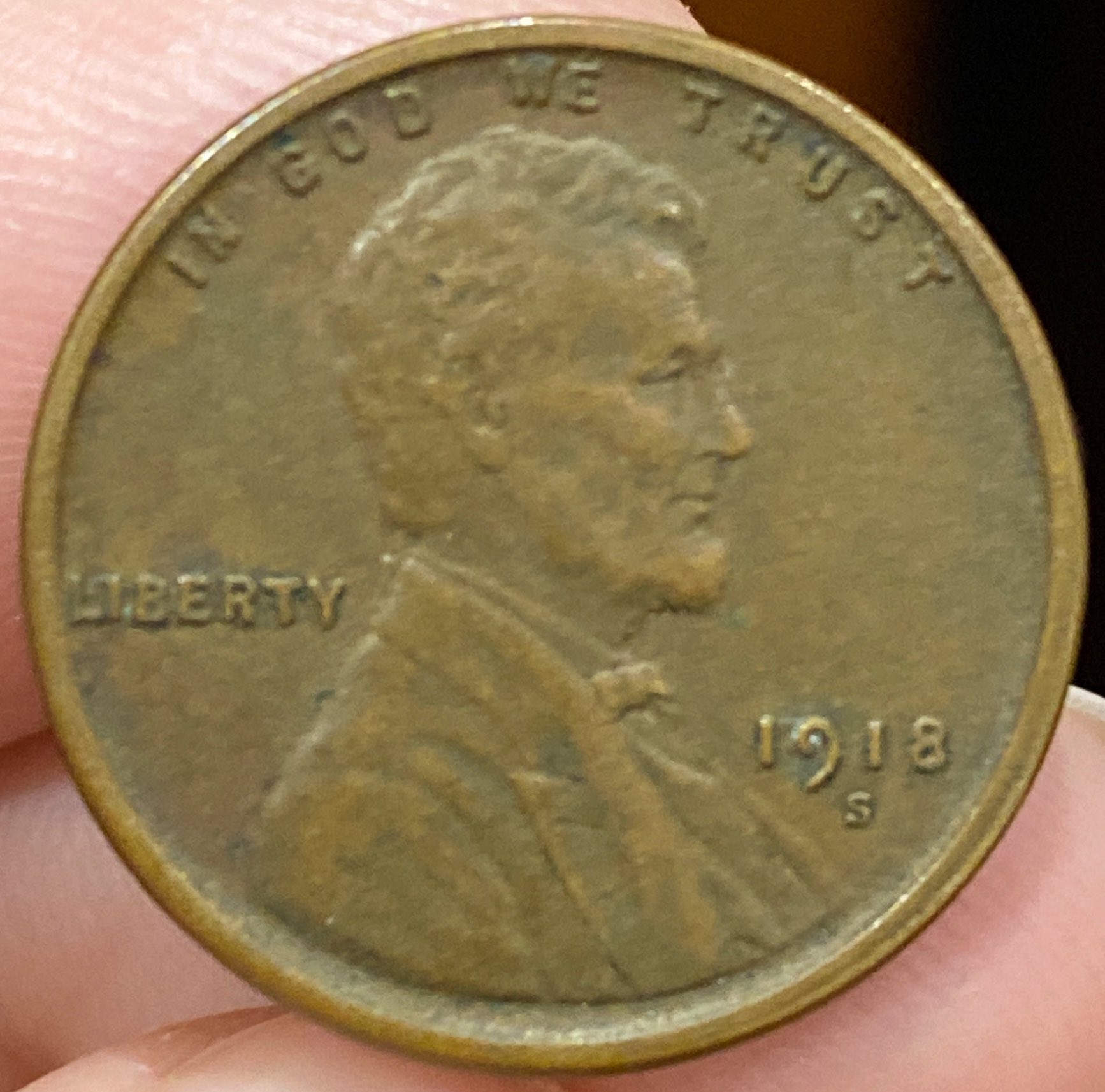
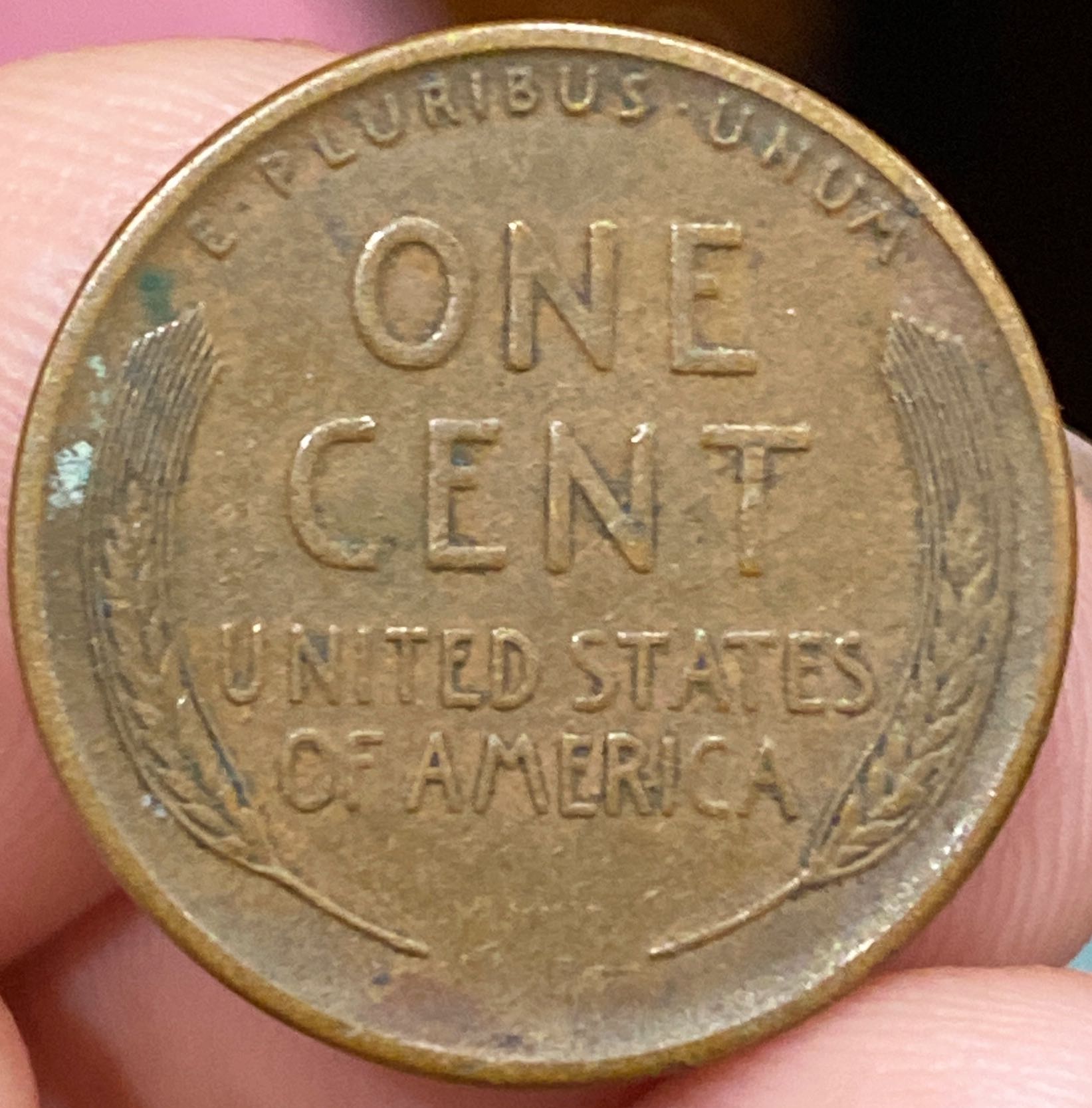
For the American coin, this is an American-based forum, so post your pictures in the "US modern coins" forum for opinions from the locals over there - though my guess would be that they don't like that pale green spot next to the left wheat-stalk.
Don't say "infinitely" when you mean "very"; otherwise, you'll have no word left when you want to talk about something really infinite. - C. S. Lewis









 Posted 06/07/2022 09:40 am