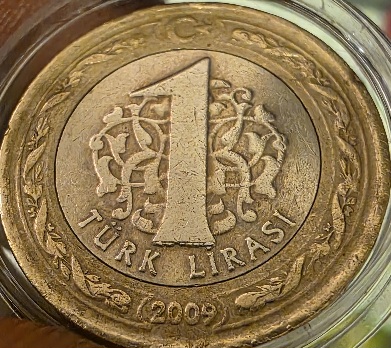
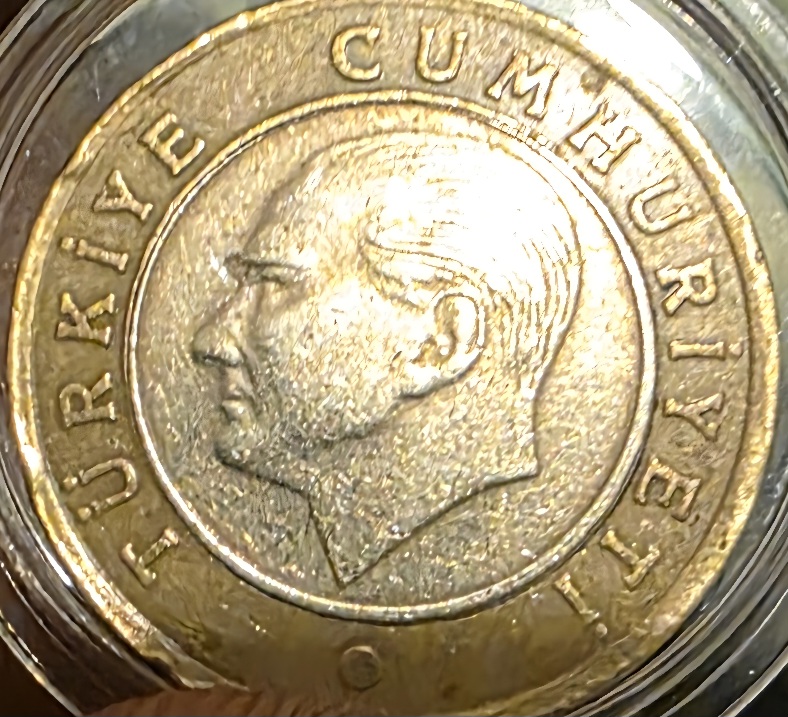
The coin is a 1 Turkish lira; I've fixed the title to reflect this.
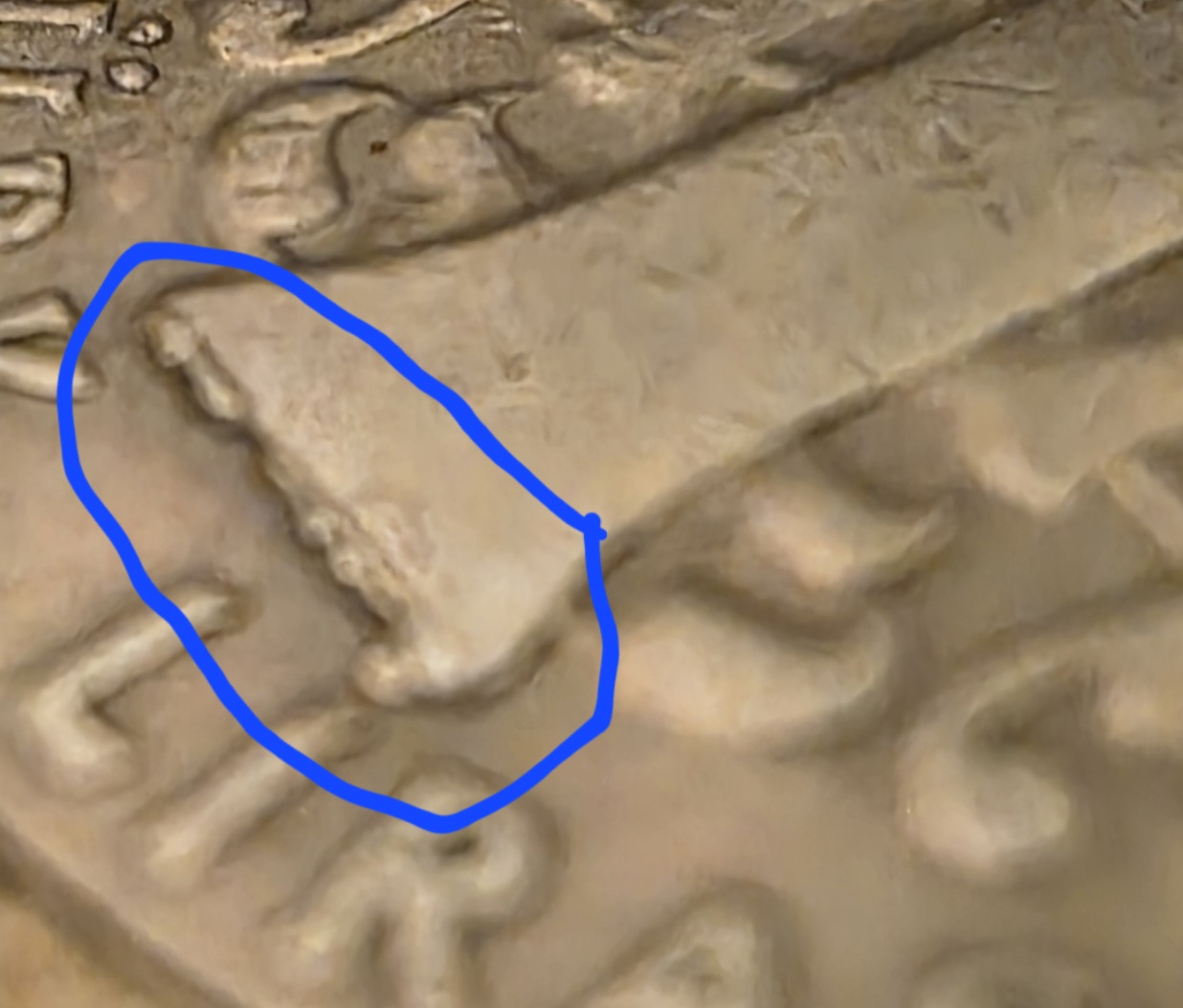
And yes, I'd assume it's die wear creating a string of die chips (or
Cuds, as they're known in Australia). I can't speak on how common it might be, but I'm assuming this relatively high-relief area on the coin die is prone to such damage.
Die chips /
Cuds are considered "varieties", not "errors", and generally don't have much if any additional collector desirability or value unless the blob of metal is in a fortuitous location (such as the American "BIE" coins and the Australian 1966 "wavy 2" 20 cents).
Don't say "infinitely" when you mean "very"; otherwise, you'll have no word left when you want to talk about something really infinite. - C. S. Lewis












 Posted 08/12/2025 11:27 pm