Coin Community Family of Web Sites Join Thousands of Coin, Bullion, & Money Collectors
Vancouvers #1 Coin and Paper Money Dealer Royal Canadian Mint products, Canadian, Polish, American, and world coins and banknotes. Coin, Banknote and Medal Collectors's Online Mall Royal Estate Auctions - $1 Coin AuctionsSpecializing in Modern Numismatics Join Thousands of Coin, Bullion, & Money Collectors 300,000 items to help build your collection!


Username:
Password:
Save Password
Forgot your Password?


This page may contain links that result in small commissions to keep this free site up and running.

Welcome Guest! Registering and/or logging in will remove the anchor (bottom) ads. It's Free!

Need Help Confirming Grade 1882 Seated Liberty Quarter

To participate in the forum you must log in or register.
Author Replies: 25 / Views: 505Next Topic
Page: of 2
Valued Member
United States
480 Posts
 Posted 08/17/2026  10:13 am  Show Profile   Bookmark this reply Add KisNap to your friends list Get a Link to this Reply
I've heard of the first three and thought that PCGS and NGC were the most respected (in that order) but what is CAC grading and why are they so expensive. I know NGC grates error coins, but what about the others. This isn't an error coin, but I have one I'd like confirmed and graded.
Moderator
Learn More...
jbuck's Avatar
United States
193047 Posts
 Posted 08/17/2026  11:27 am  Show Profile   Bookmark this reply Add jbuck to your friends list Get a Link to this Reply

Quote:
Isn't there also a tissue test? How does that one work?
Click on the hot-link created whenever someone types tissue test.
Pillar of the Community
fortcollins's Avatar
United States
3706 Posts
 Posted 08/17/2026  2:17 pm  Show Profile   Bookmark this reply Add fortcollins to your friends list Get a Link to this Reply
To my eyes, this doesn't have the look of a modern counterfeit. I'm leaning toward either a contemporary counterfeit or a roughly cleaned genuine coin.

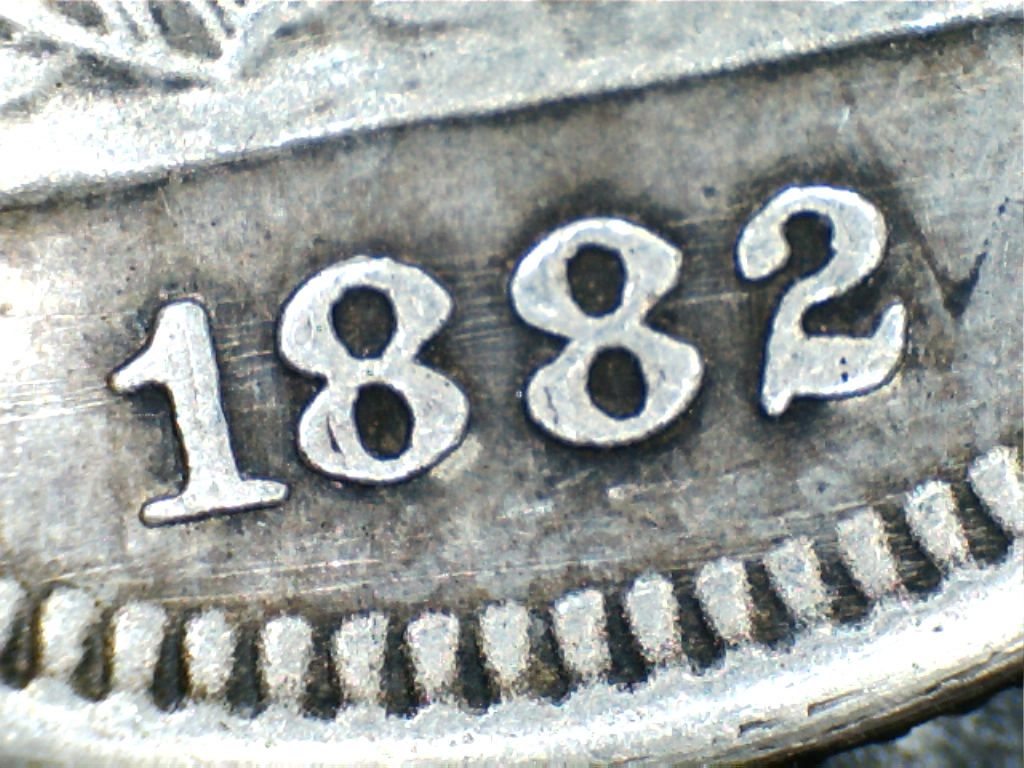
I don't have my numismatic library available right now (I'm on month 14 of a promised "3-month home remodeling"). Going from memory, the 1882 had one production coin die pair and one proof coin die pair. My records indicate that I handled two 1882 quarters over the years, but I don't have photos of those coins. It's been a while since I have seen an 1882.

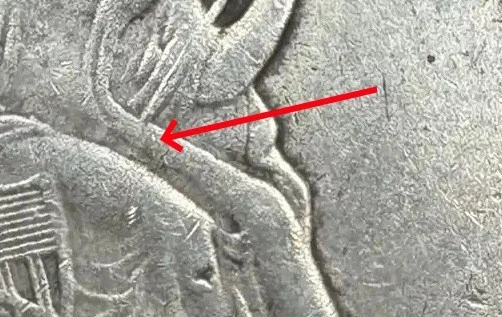
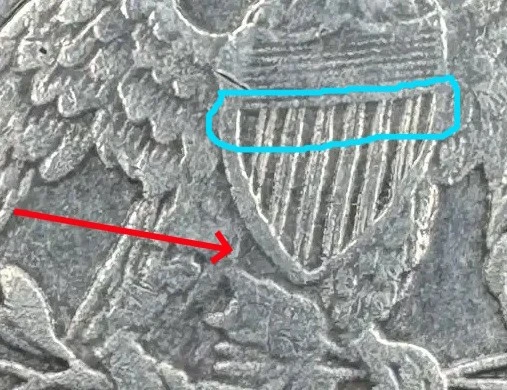
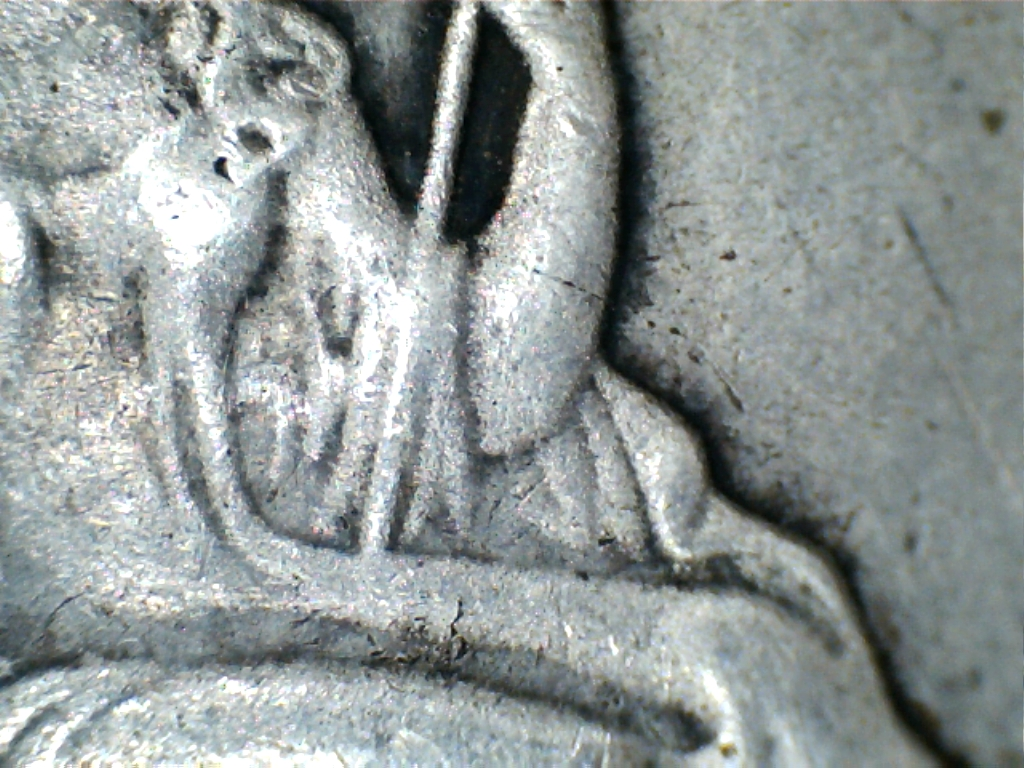
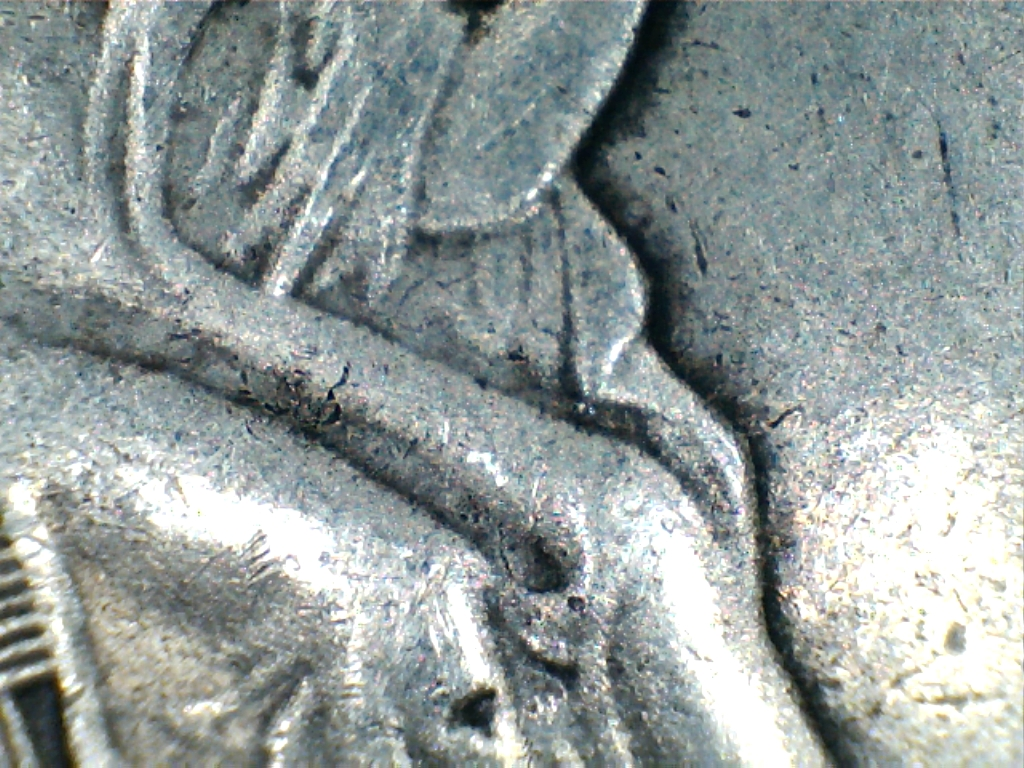
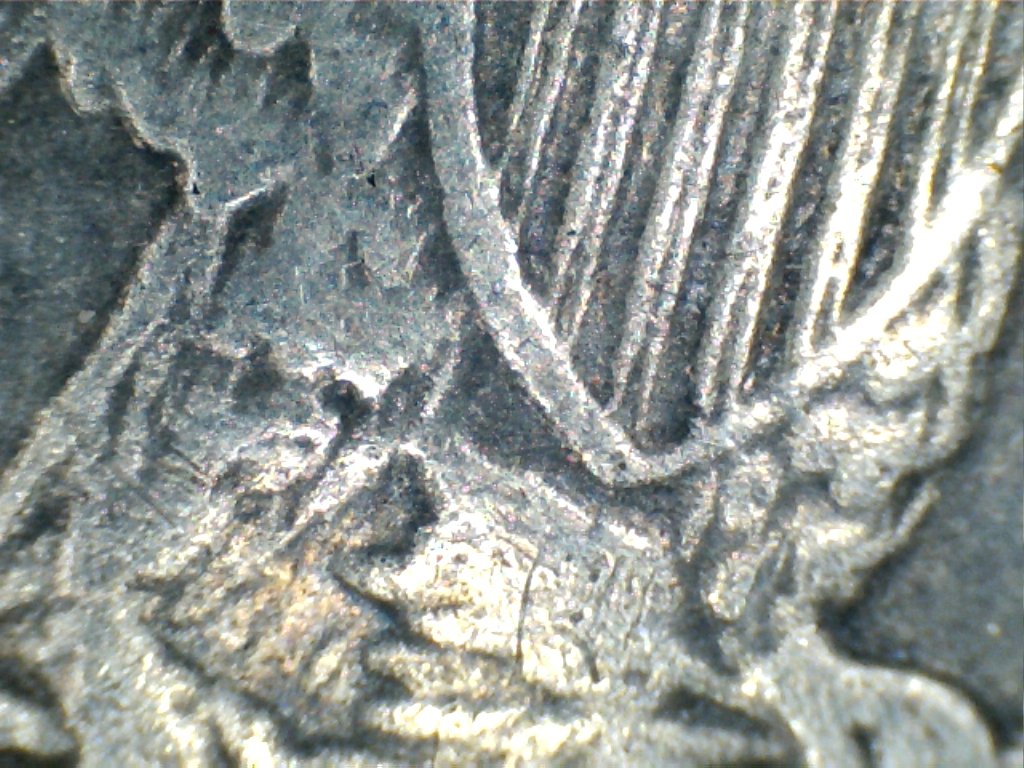
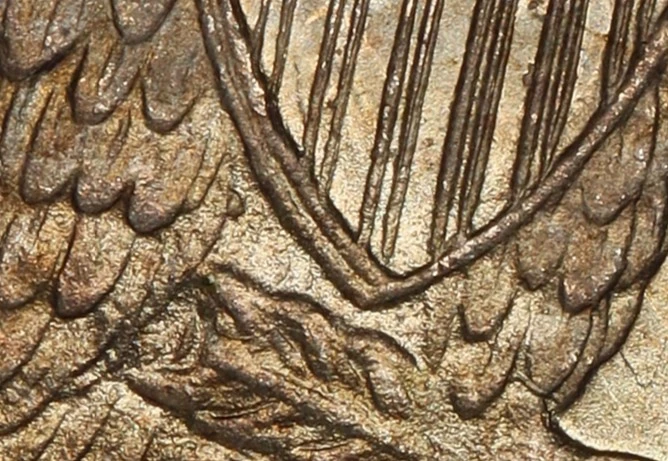
My notes say the 1882 production coins have a date that slopes downward from the first "8" through the "2." I think I can see that on your coin. They also have a couple die chips or die gouges that can be used to authenticate it. One of the die chips is somewhere on Liberty's thigh SE of the bottom of the pole. The second is on or near the eagle's right leg (our visual left) somewhere in the triangle next to that leg and the feathers on the arrows and the SW corner of the shield. I can't see those areas well on your photos.

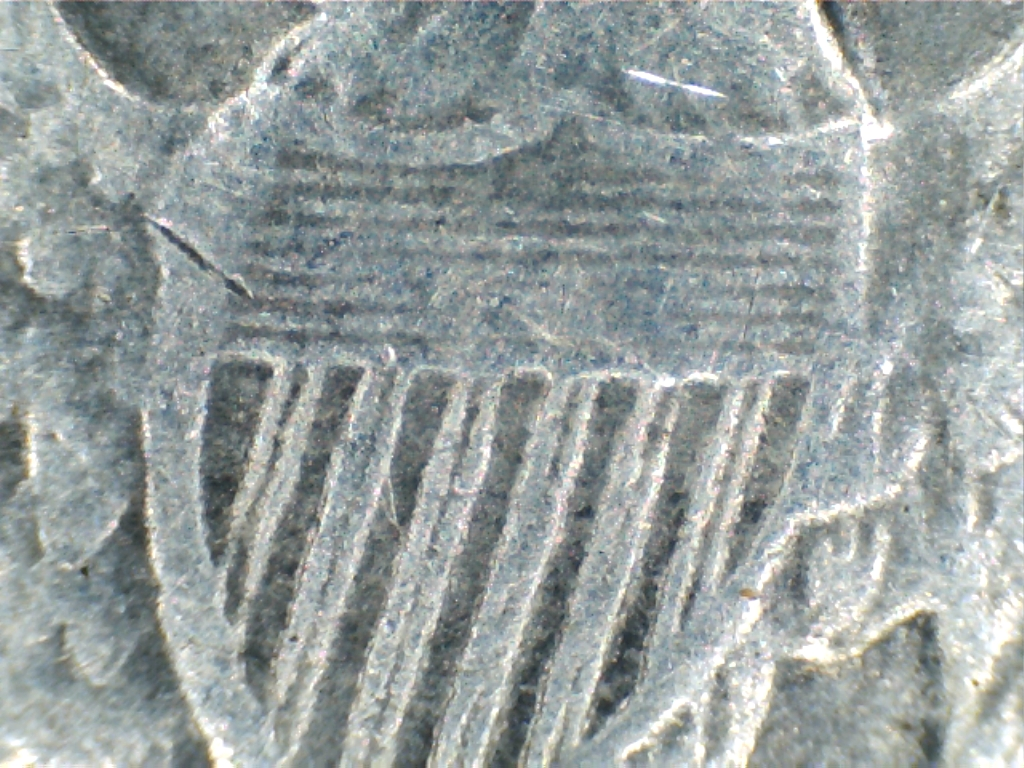
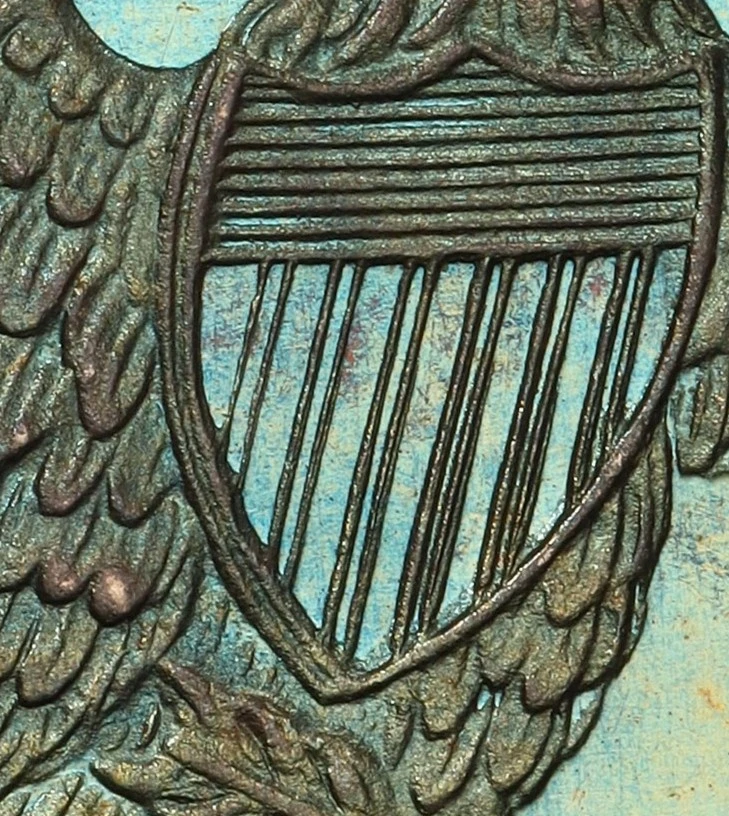
The second die pair was used only for proofs, and I think it had an obverse with a more level date or higher date. I recall that it used a reverse that had been used for earlier year proofs. That reverse has E-W die scratches at the top of the lower shield, in the background behind the vertical stripes of the lower shield. This doesn't look at all like an impaired proof, but it should be ruled in or out anyway.

Here are your whole coin photos, with the rough areas of the die chips marked with red arrows and the rough area of the proof die polishing marks circled in blue. Would it be possible to see closeups of those areas?

A final thought would be for you to contact the Liberty Seated Collectors Club to see if anyone there could compare your coin to any of their photos of the known contemporary counterfeits.

Just some thoughts. Thanks!

Need-Help-Confirming-Grade-1882-Seated-Liberty-Quarter
Moderator
Learn More...
jbuck's Avatar
United States
193047 Posts
Pillar of the Community
macmercury's Avatar
United States
5872 Posts
 Posted 08/17/2026  7:19 pm  Show Profile   Bookmark this reply Add macmercury to your friends list Get a Link to this Reply
Valuable insight fortcollins! Thanks.
Valued Member
United States
480 Posts
 Posted 08/17/2026  9:16 pm  Show Profile   Bookmark this reply Add KisNap to your friends list Get a Link to this Reply
Wow Fortcollins, you know a ton about the coin. I'll try to get closeups with my digital microscope. The coin did pas the "ping" test. It'd kill me to buy a new scale because I know I have one around her e somewhere.
Valued Member
United States
480 Posts
 Posted 08/17/2026  9:37 pm  Show Profile   Bookmark this reply Add KisNap to your friends list Get a Link to this Reply
Hopefully I got the areas in question.


Need-Help-Confirming-Grade-1882-Seated-Liberty-Quarter

Need-Help-Confirming-Grade-1882-Seated-Liberty-Quarter

Need-Help-Confirming-Grade-1882-Seated-Liberty-Quarter

Need-Help-Confirming-Grade-1882-Seated-Liberty-Quarter

Need-Help-Confirming-Grade-1882-Seated-Liberty-Quarter
Bedrock of the Community
Learn More...
panzaldi's Avatar
United States
18822 Posts
 Posted Yesterday   09:44 am  Show Profile   Bookmark this reply Add panzaldi to your friends list Get a Link to this Reply

Quote:
what is CAC grading and why are they so expensive


CAC began life in 2007 as a supplemental assessment company. They reviewed coins already certified by PCGS or NGC and applied a green (or gold) sticker if they met CAC's "solid for the grade" standard

CACG Grading service started in late 2023. its a full third-party grading and encapsulation service similar to PCGS and NGC.

if you go back and look at my post regarding costs CACG is pretty much in line with the other services since $50 of their $99 subscription fee is applied to your next submission. imo, CAC should have just stayed with their bean service. keeping in mind that all grading is subjective, all of them have been known to over grade or undergrade submissions. I think CACG would be my last choice due to the number of misses we have seen since they started.


Pillar of the Community
fortcollins's Avatar
United States
3706 Posts
 Posted Today  1H 7M ago  Show Profile   Bookmark this reply Add fortcollins to your friends list Get a Link to this Reply
Since I don't have photos of the coins I've handled, I looked at the PCGS plate coins. All three photos here belong to PCGS and are on their website. I clipped portions of them here to show the markers.

The first two photos here belong to PCGS and are from their 1882 business strike plate coin, a fantastic MS-68 example. The die chip on Liberty's arm isn't very big, and could certainly wear down in circulation. The die chip on the reverse, however, is in a protected area and should remain visible even on heavily circulated coins.
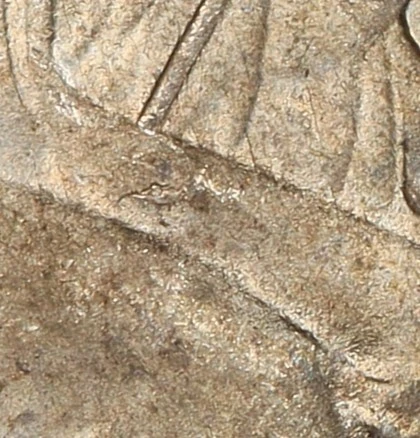
Need-Help-Confirming-Grade-1882-Seated-Liberty-Quarter

The last photo that belongs to PCGS is is from their 1882 proof plate coin, again a spectacular PR-68 example. The die polishing within the lower shield is visible, and is also in a protected area. Note the strong feather details in the triangle beneath the shield.
Need-Help-Confirming-Grade-1882-Seated-Liberty-Quarter

I do not think your coin came from the proof dies because of the design weakness throughout your coin. Because of that weakness, the lack of the reverse die chip, your reported coin weight, and the overall appearance, I have a suspicion that your coin may be a contemporary counterfeit.

If it is a contemporary counterfeit, it likely is either a cast "German Silver" example (generally 60% copper, 20% nickel, 20% zinc) or could be an antimony-lead-tin mixture (generally 70-80% tin, 15-20% antimony, and 10-15% lead). The impression likely would have come from a transfer die, which would explain the lack of detail and markers.

The easiest way to find out would be to take the coin to a jewelry store and see if they would ping it with an XRF to determine composition. That's a non-destructive test and could save submission costs to a TPG. Some stores charge a few dollars per test ($5-10), but if you are a regular customer, they might do a test free.

Just a warning. If the coin contains antimony, be careful handling it. Antimony is toxic.

All of that said, the devices on your coin have some roughness, which the genuine coins of that era exhibit. This may well be a genuine coin, just heavily worn and likely cleaned some time ago. My main reason for pausing is the lack of the die chip on the reverse.

That's the best I can offer here. It's an interesting coin. If genuine, an 1882 is a tougher date. It isn't rare, but it definitely isn't common, either.

Bedrock of the Community
Learn More...
HondoB's Avatar
United States
26860 Posts
 Posted Today  1H 1M ago  Show Profile   Bookmark this reply Add HondoB to your friends list Get a Link to this Reply
fortcollins, what about the reeding?
Inordinately fascinated by bits of metal with strange markings and figures
  Replies: 25 / Views: 505Next Topic
Page: of 2

To participate in the forum you must log in or register.


Disclaimer: While a tremendous amount of effort goes into ensuring the accuracy of the information contained in this site, Coin Community assumes no liability for errors. Copyright 2005 - 2026 Coin Community Family- all rights reserved worldwide. Use of any images or content on this website without prior written permission of Coin Community or the original lender is strictly prohibited.
Contact Us  |  Advertise Here  |  Privacy Policy / Terms of Use

Coin Community Forum © 2005 - 2026 Coin Community Forums
It took 0.29 seconds to rattle this change. Forums