In my draft paper for Improperly Annealed Errors where most of the paper is completed and will just do XRF & SEM/EDS with Michigan State University in January & February 2027 for May/June 2027 Publication in the Appendix which has a Photo File/PCGS-NGC Assist Checklist of IA Errors and BB Ten Checklist in draft here is the BB List: See what you think - 2022D owner and forum onlookers. I will try to answer your questions - out of respect for the #1 error collector of all time and who I consider the Grandfather of Error Collecting I call the edge check the Fred Weinberg principle as he noted this check in some PCGS chat room ~ decade ago. Here it is: perhaps it may need some critiquing? So posting it here for refinement. Be aggressive/intuitive, etc.:
Black Beauty (Improperly Annealed Planchet) Attribution Checklist
Color Distribution
Original Surfaces &→ Gold progression present
Gold &→ Red progression present
Red &→ Brown progression present
Brown &→ Black progression present
Transitional colors present
Consistent with expected oxidation sequence.
BBs are 100% Black or Dark Gray in the pathway progression.
Weinberg Edge Examination
Edge exhibits oxidation
Edge color matches surface coloration
Red edge stripe present on
clad layer specimens
Brown/black edge oxidation present on BBs. Hue matches obverse/reverse tone.
Evidence of a planchet-wide effect
Luster Retention
Original mint luster visible
Cartwheel effect partially preserved
Luster visible beneath coloration
Surfaces appear original
Protected-Area Comparison
Oxidation extends into lettering recesses
Oxidation extends into device recesses
Protected areas match exposed areas
No evidence of surface-only toning
Corrosion Screening
No active corrosion
No chemical etching
No environmental damage
No evidence of artificial alteration
Carbon spotting ruled out
Obverse-Reverse-Edge Consistency
Obverse coloration consistent with reverse
Edge coloration consistent with both sides
Pattern supports a planchet-level origin
No isolated or localized damage pattern
Stereomicroscopy (25×-40×)
Original strike texture visible
Flow lines preserved
No corrosion pitting observed
No mechanical abrasion observed
Surface morphology supports originality
Oxidation Pathway Placement
OX I = Gold
OX II = Red
OX III = Brown/Dark Gray
OX IV = Black
Transitional states identified where applicable.
BBS are OXIV.XRF Verification
Alloy composition normal for issue
Cu and Ni levels within expected range
Evidence of copper surface enrichment
Results consistent with improper annealing.
Evidence already has shown from two collectors Cu enrichment occurs. More Cu enrichment from gold to black. Some call OX1 orange see Mint Error News #97. Orange is gold+red=OX1 + OX2 = so INCORRECT. To be proven/illustrated shown. OX1=gold not orange Ytilao paper. Yellow is acceptable.
SEM/EDS Confirmation (If Required) Posted here just to confirm my data in the paper. Cu enrichment has already been confirmed on oxide layers from
Red Book Cu levels.
Oxygen distribution evaluated
Copper enrichment evaluated
Surface morphology evaluated
Fe evaluated
Si evaluated
Co evaluated
Findings support oxidation-related color development
Final Attribution Scale
0-3 Positive Diagnostics: Inconclusive
4-6 Positive Diagnostics: Possible Improper Annealing
7-8 Positive Diagnostics: Probable Improper Annealing
9-10 Positive Diagnostics: Strongly Supports Improper Annealing
Core Principle
No single diagnostic proves a Black Beauty.
Color alone is insufficient for attribution.
Attribution should be based on the totality of evidence, including color progression, edge diagnostics, luster retention, protected-area agreement, microscopy, oxidation patterns, and, when available, XRF and SEM/EDS data.





 Replies: 4 / Views: 134


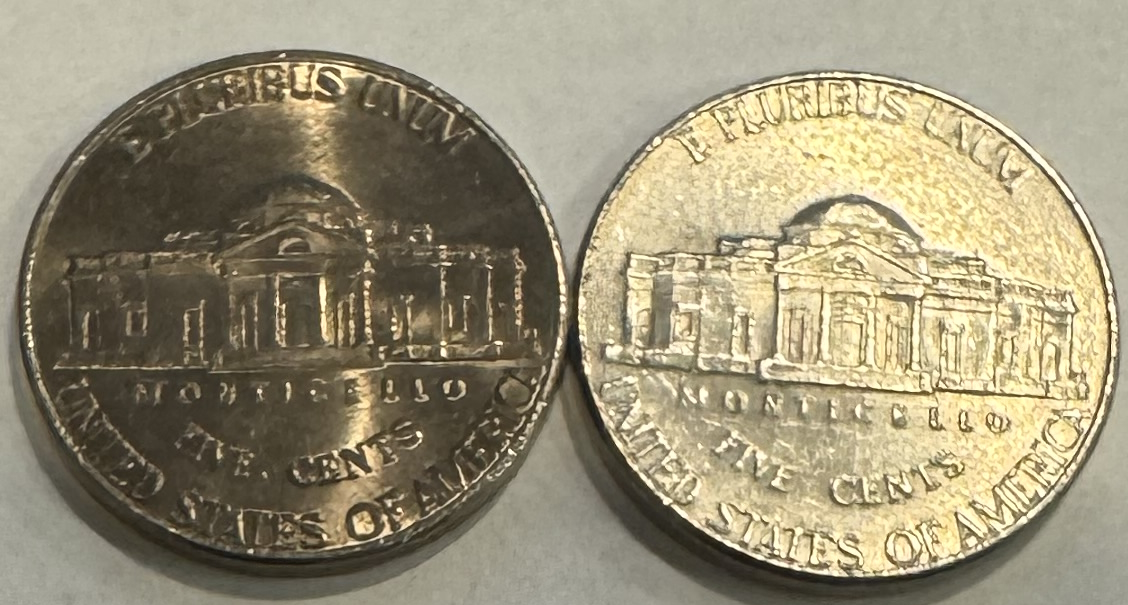
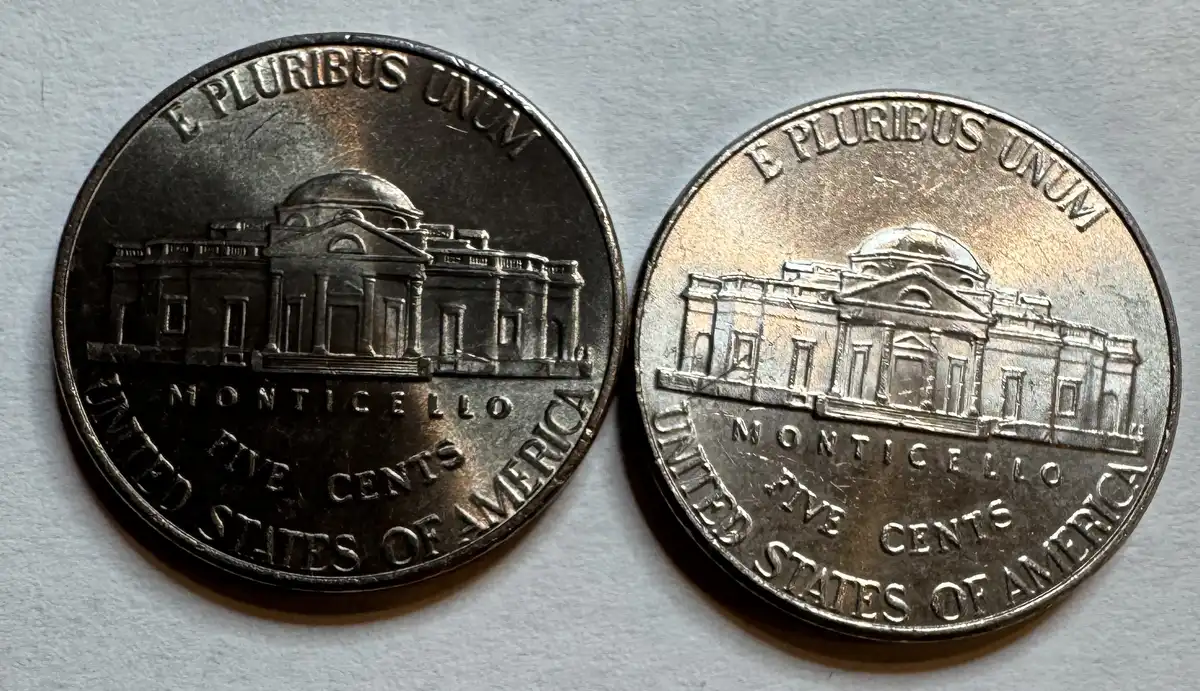
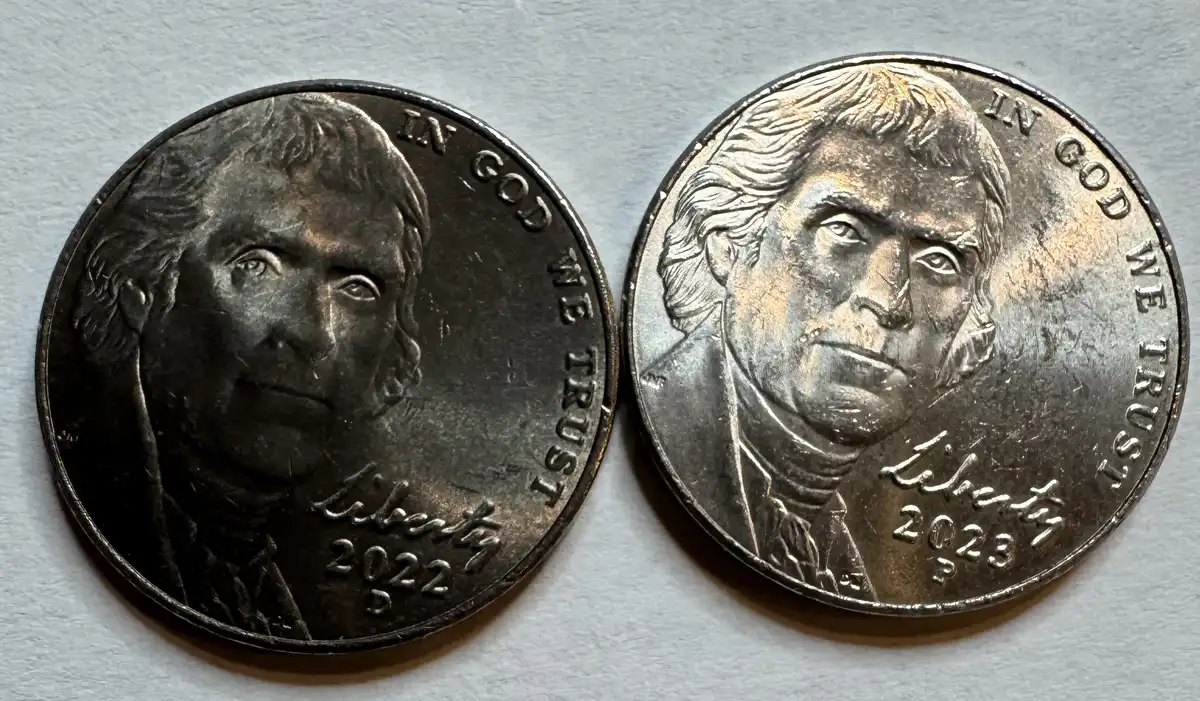
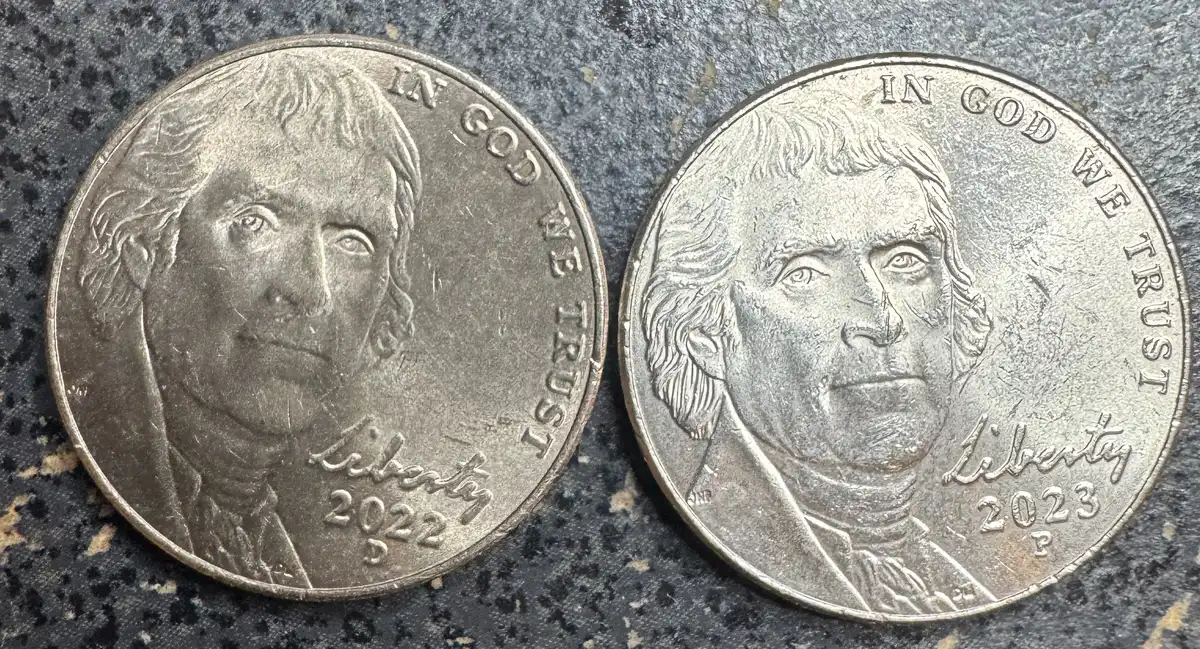

 It could just be environmental toning.


 Posted Today 4H 24M ago


 Uncirculated American Silver Eagles


