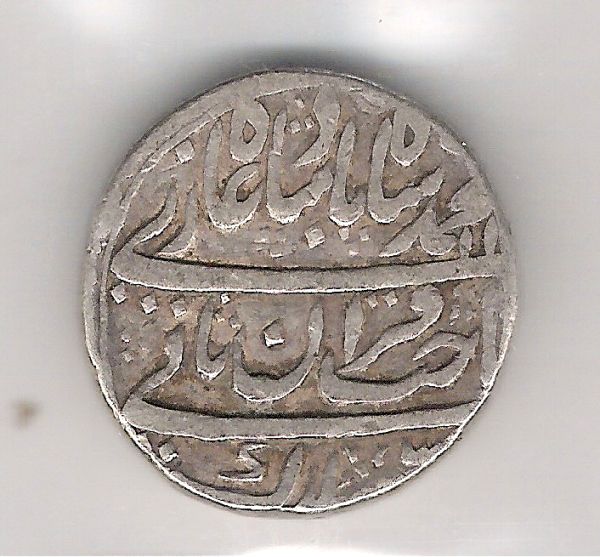
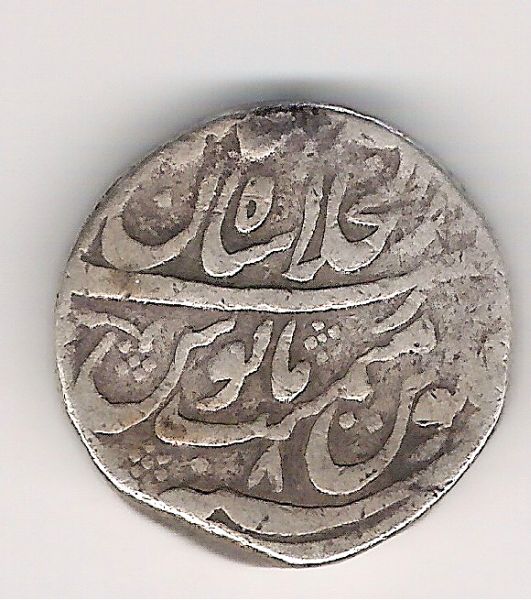
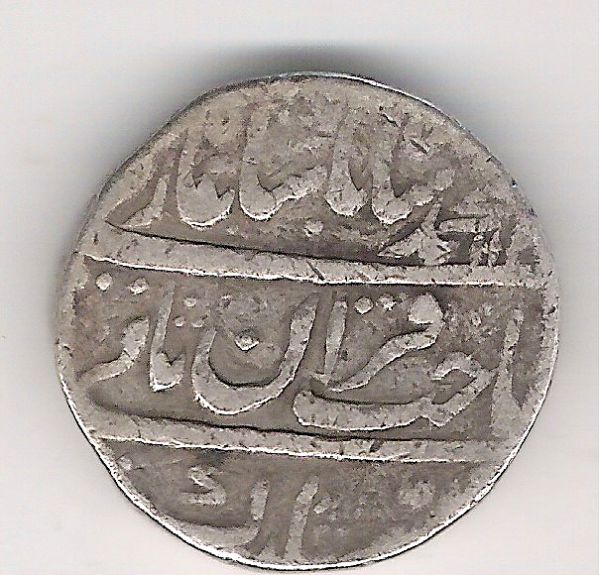
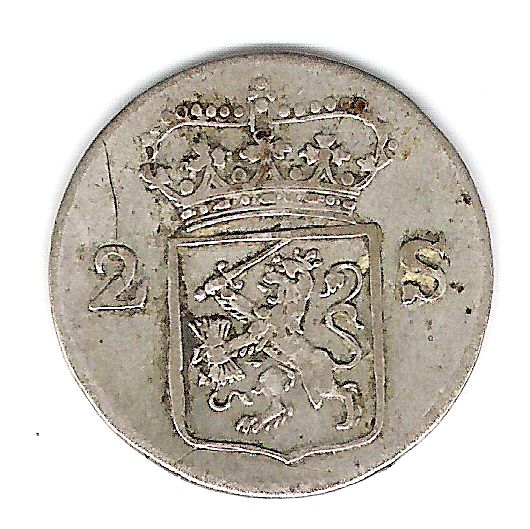
Some things to note here.
First, it should be noted that Krause catalogue values are rather useless for judging Proclamation
coins. Aside from whatever inaccuracies are inherent in the catalogue itself, Krause does not take into account the "Proclamation Effect", whereby Australians are prepared to pay double the price everyone else pays for certain
coins, just because they can be called "Proclamation".
Second, collectors often make a distinction between "true" Proclamation
coins -
coins that were directly mentioned in Governor King's
Proclamation of 1800, and "subsidiary" or derivative
coins. This, the Dutch guilder is "true" proclamation, while the 2 stuivers are "subsidiary".
The inclusion of the subsidiary
coins is problematic, because the Proclamation does not make clear what face value they were supposed to have. The British shilling, for example, had a face value of 13 pence - one penny higher than the homeland rate. So what value then would a sixpence have been given? 6½d or 7d? Or would it have been up to the locals to haggle it out?
I find many coin dealers are lazy - or opportunistic - in marketing the subsidiary
coins, or any other
coins that happen to be from the late 1700s, as "Proclamation
coins", in a blatant attempt to cash in on the Proclamation Effect. It's kind of like marketing any coin from the first century AD as a "Biblical" coin, because they date from Biblical times, or marketing any coin from the period 1100-1400 as "Crusader", even if the coin in question had nothing to do with the Crusades.
Now, for some particular info about your Dutch
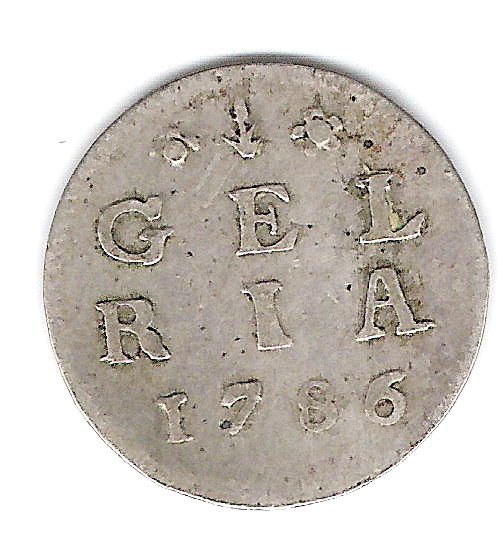
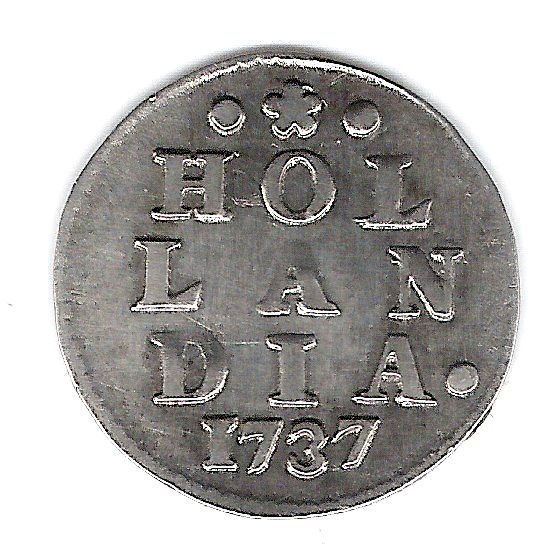
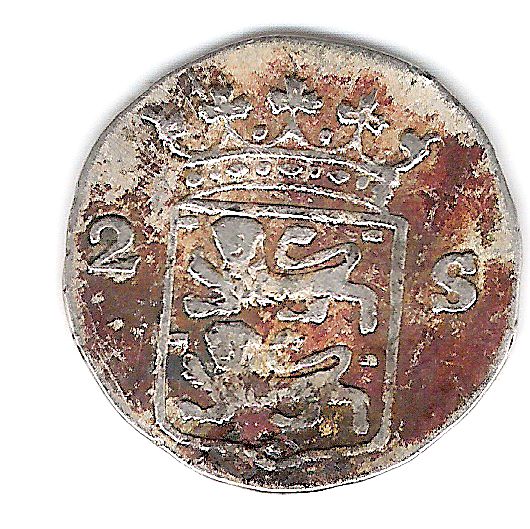
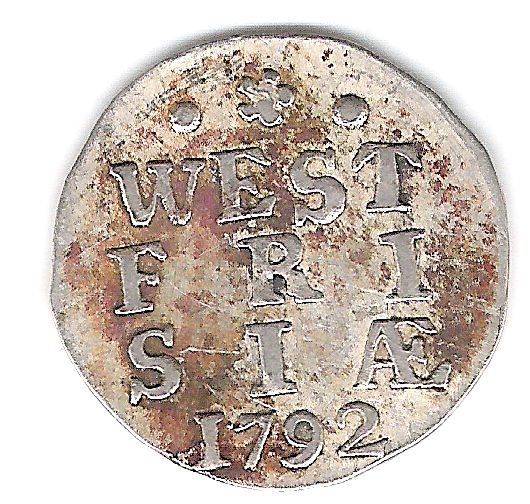
coins. The "Netherlands" was federal in nature, and each province issued its own coinage. Your "Dutch guilder", for example, was issued by the province of Westfriesland, and your five 2 stuiver
coins are each from different provinces: Utrecht, Gelderland, Holland, Westfriesland and Zeeland.
Don't say "infinitely" when you mean "very"; otherwise, you'll have no word left when you want to talk about something really infinite. - C. S. Lewis







 Posted 05/31/2013 01:05 am