| Author |
 Replies: 13 / Views: 3,149 Replies: 13 / Views: 3,149 |
|
|
Valued Member
279 Posts |
Edited by giano
10/31/2011 06:46 am
|
|
|
|
Pillar of the Community
United States
4253 Posts |
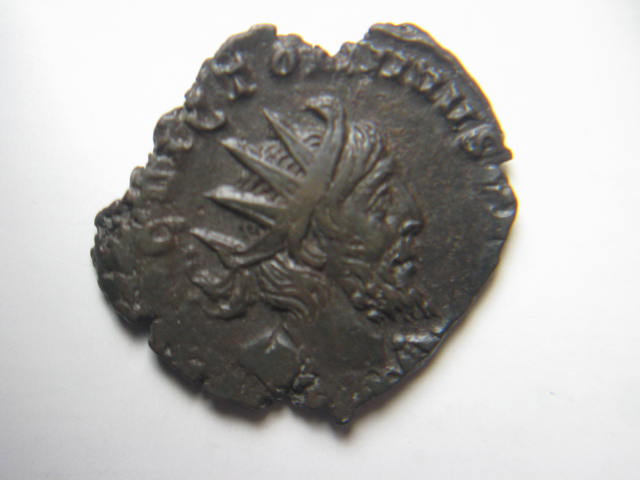
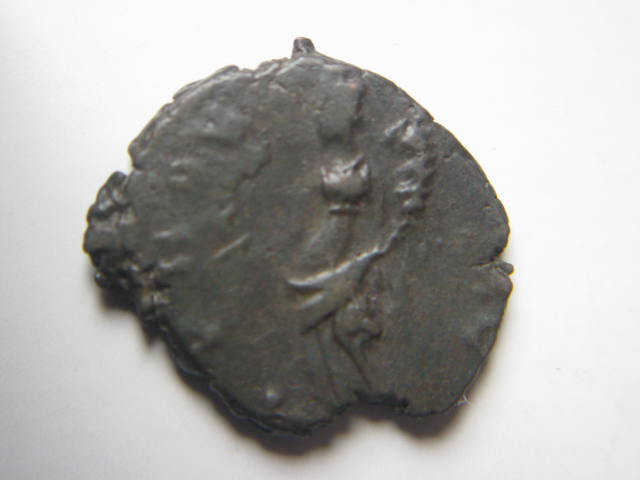
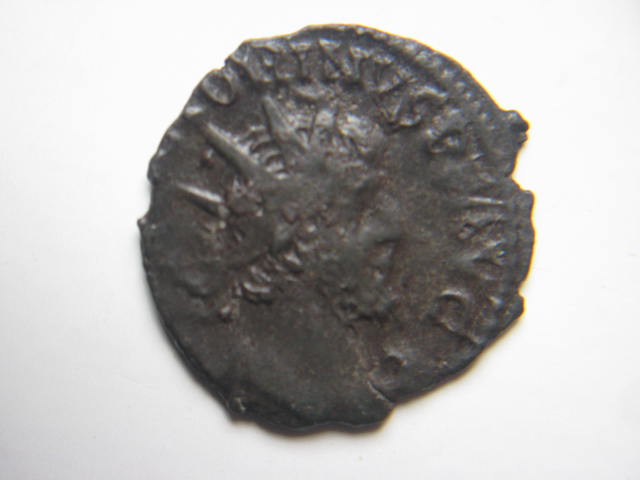
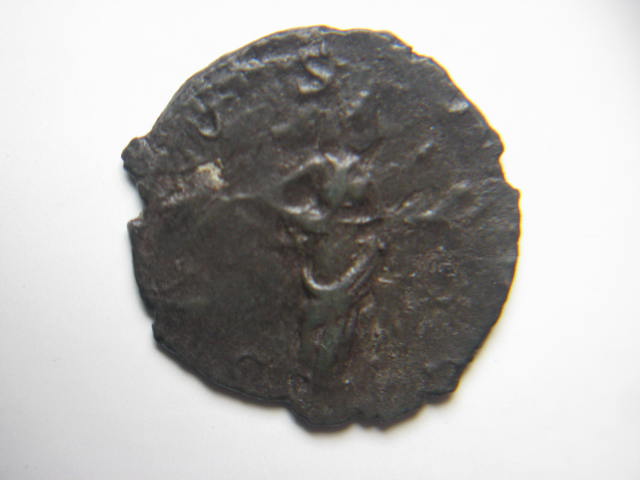
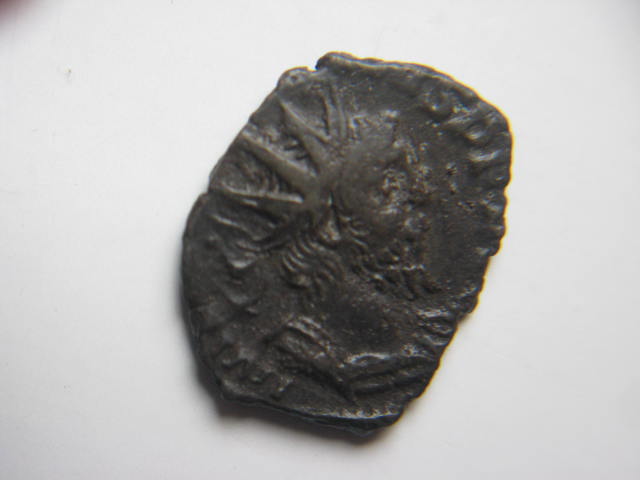
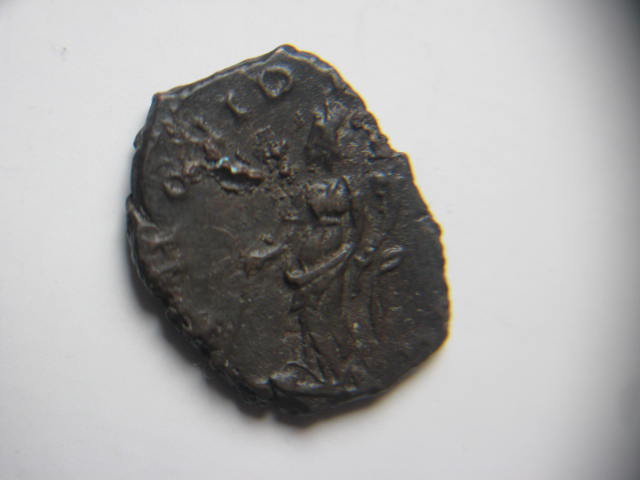
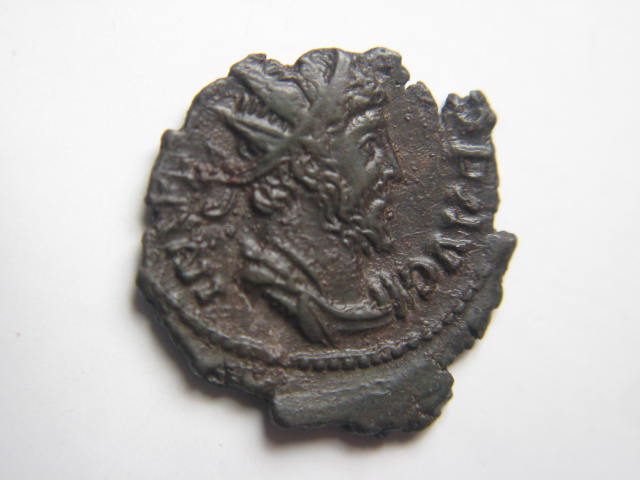
I like the bust on the first Victorinus and the Tetricus coins. Both have good detail. The reverse on the third Victorinus and the Tetricus are the best of the four.
As for the different dies, I will have to look into it, but it is possible that the coins come from not just different dies, but from different mints as well. The Gallic Secessionists used mainly the mints at Treveri (Trier) and Colonia Agrippinensis (Cologne), but also in Mediolanum (Milan). There is a way to tell which mint they came from just from the style of the hair, but I will have to find that if you would like to know. A very interesting time and these Gallic Emperors were well thought of and liked by the masses.
If I were to guess at the prices I would say the most expensive is the Tetricus, then Victorinus #1, 3, and 2 in that order.
Again, nice coins and thanks for sharing them with everyone.
Regards,
JW
|
|
Valued Member
 279 Posts |
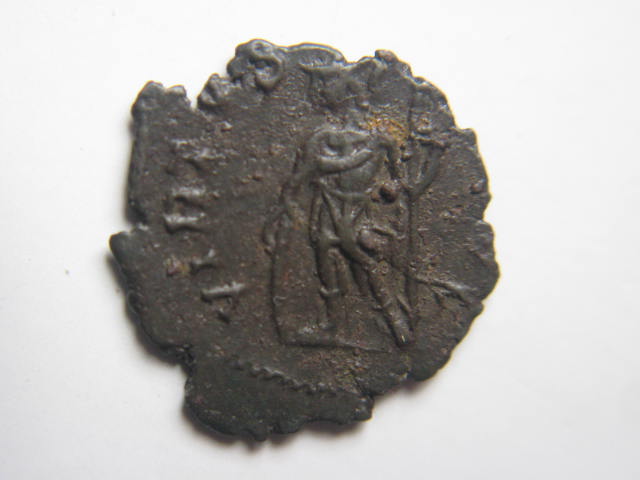
Hi jwharper and thanks a lot as usually,about mints in the card information I received with these coins there is only written "southern mint",so I'm not able to recognize which mint can be exactly,if you can understand from the style of hair would be interesting,but I will not give you too much work.... About prices,I asked because I bought these coins from the same seller and I wasn't able to understand how he makes prices....in fact the most expensive is number 2,then number 1,then at the same prices number 3 and tetricus(however less than the other two). It's strange because as you correctly noted the tetricus and victorinus 1 are better than the other,and tetricus 2 the most expensive is the worst....if I had taken from different sellers I could understand but in this case,it's very unusual....what do you think?perhaps he's cross eyed   However if you can help me with the correct mints you're welcome otherwise many thanks anyway you're always a lot of help Edited by giano
10/31/2011 1:40 pm
|
|
Pillar of the Community
United Kingdom
2838 Posts |
|
|
Pillar of the Community
United States
4253 Posts |
At the moment I cannot find the reference about the hairstyle. It had to do with the hair being curly on the forehead as opposed to being straight. I'll keep looking. If someone else knows of this reference, please let us know or it will drive me crazy till I find it.
JW
|
|
Valued Member
279 Posts |
thanks bobbyhelmet and jwharper again....very interesting link so,about number 1 and 3 reverse providentia aug present only in cologne mint so it must be this one.
number 2 reverse with salus aug present both in trier and cologne,but it seems to me similar to the trier mint one looking at the style of beard and hair so I say number 2 trier.
about tetricus I think trier.
I make these assumption based on the images I found in bobbyhelmet's link....do you agree with me?
About milan mint I don't have idea....
Edited by giano
10/31/2011 4:04 pm
|
|
Pillar of the Community
United Kingdom
2838 Posts |
Its difficult to know 100% with the Gallic coins giano but you are probably correct in your assumptions. Are you thinking about this JW? Its from the Wildwinds Postumus page: 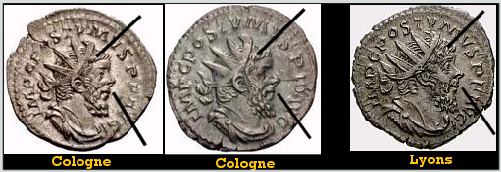 Cologne and Lyons (Lugdunum) issued coins with seemingly identical obverses and reverses. Lyons coins have more (and curlier) hair above the brow and especially at the temples, his smile is a little more pronounced and his beard has a bit more detail. Cologne and Lyons (Lugdunum) issued coins with seemingly identical obverses and reverses. Lyons coins have more (and curlier) hair above the brow and especially at the temples, his smile is a little more pronounced and his beard has a bit more detail.Unfortunately there is a lot of dispute as to what coins were made where. There is also dispute as to if there were two mints in Germany or just one. Eventually we will know but at the minute no one theory explains everything. All that can really be said with 100% confidence is that more than one mint existed. Most people who have tried to understand the subject just call the mints 'I' and 'II'. Warning, there is a LOT of mis-information and mis-attribution of coins on the internet about the Gallic issues and their mints. You may find the following useful / interesting, they constitute the best info I have found on the subject: http://www.forumancientcoins.com/ga...hp?cat=11521A member of Forum Ancient Coins galleries - very thorough and lots of examples of mint 'I' and 'II' coins. http://www.gallic-empire.com/index.htmlA good site but I get the feeling it was never completed. http://coins.lib.virginia.edu/essay...ber_postumusA good acedemic paper (I think), photo links at the top, background in the middle and mint / issue info at the bottom. And of cause the site I linked to earlier: http://www.forumancientcoins.com/la.../gallic.htmlMost of my Gallic coins are listed as just 'I' and 'II' now, I think (in general, but exceptions are common) Mint 'I' is considered Treveri and mint 'II' is considered Colonia Agrippina. Edited by bobbyhelmet
10/31/2011 8:52 pm
|
|
Pillar of the Community
United States
4253 Posts |
That's it. I have been looking all afternoon. Thanks for keeping me from a sleepless night.
|
|
Pillar of the Community
United Kingdom
2838 Posts |
I thought it would be - I looked for it for an age too until I found it by accident this afternoon.
|
|
Valued Member
279 Posts |
thank you very much to both,I undersatand is very difficult have a correct and precise mint identification with these coins,thanks for all very interesting an useful links.
I just wanted to add two questions.
it is normal that these coins are so irregular?
I mean they came in this way from the mint(without a piece,no round,bad centered,etc)or the time has ruined them?because for example in my photos,victorinus number 3 or tetricus seemed to me very irregular but not as if you had a piece removed by time,but as they come out of the mint in this way....is an impression,maybe I'm wrong....what do you think?.It may be useful in this case weight so:n1 2.51g;n2 1.63g;n3 2.46g;n4 1.74g.
The weight would also seem to confirm the attribuition to the two different mints in fact:n1 and n3(similar weight)from cologne and n2,n4(similar weight)from trier,probably every mint worked with some other references or with differently calibrated scales.sorry but I do all these assumption hoping to be right.what do you think about this hypothesis of the weight as confirmation of the mints?
Edited by giano
11/01/2011 04:50 am
|
|
Pillar of the Community
United States
4778 Posts |
|
|
Valued Member
279 Posts |
thanks jangofett,I don't know how much they can result nice to all viewers,however as I say they are my first secessionist gallic empire's coins!
|
|
Pillar of the Community
United States
4778 Posts |
|
|
Pillar of the Community
United Kingdom
2838 Posts |
Quote:
It is normal that these coins are so irregular? Yes - Although Postumus is known to have produced 'better' (size, metal content, workmanship) coins than Gallienus (the 'official' Emperor) the quality and consistency of the coins from the mid to late 3rd century vary a lot. This is very true about the later Gallic Emperors where it can be hard to find good quality, well centred, well struck coins. It was a time of crisis and uncertainty in the Empire and this can be seen in the poor quality of many of the coins. Quote:
What do you think about this hypothesis of the weight as confirmation of the mints? In part, yes. There will be a correlation in the weights from coin at certain times from certain mints but I doubt it is always 100% accurate. Like most areas of the Gallic coinage there are not really 'yes' or 'no' answers, most are 'maybe' and 'probably'. |
| |
Replies: 13 / Views: 3,149 |
|







 .
.


 Posted 10/31/2011 1:35 pm


