| Author |
 Replies: 15 / Views: 1,863 Replies: 15 / Views: 1,863 |
|
|
Moderator
 United States
23522 Posts |
|
|
|
|
Rest in Peace
United States
9104 Posts |
|
|
Pillar of the Community
United States
1374 Posts |
I think that part of the problem with LEDs is their inability to emit light from a node in a "3D" fashion. Filaments in bulbs emit light in a 360 degree range, giving off a much broader and even "coating" of light. LEDs emit light from a single point, typically giving 90-120 degrees worth of light at best. To remedy this problem, the new automobile LED bulbs are created such that individual LED nodes are arranged in a cylindrical fashion to simulate the "evenness" of typical bulbs. They are made with 30, and up to 60 LED nodes per "bulb".
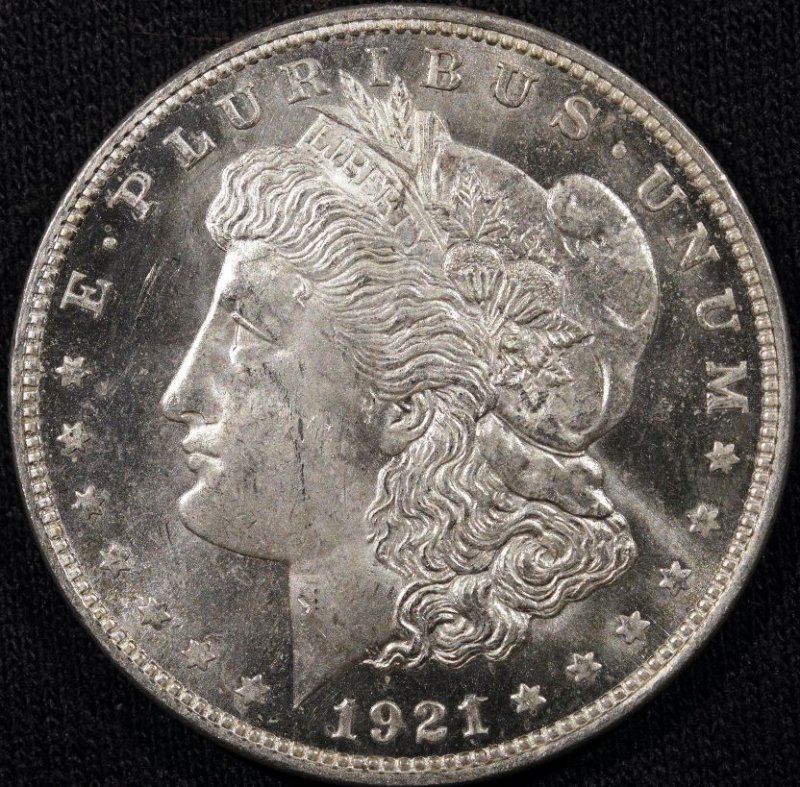
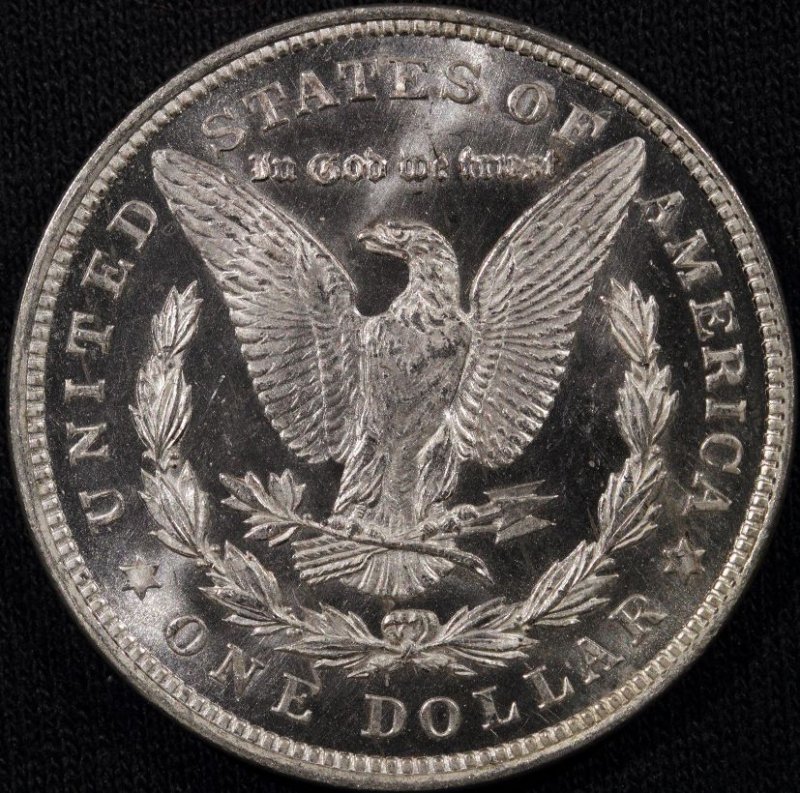
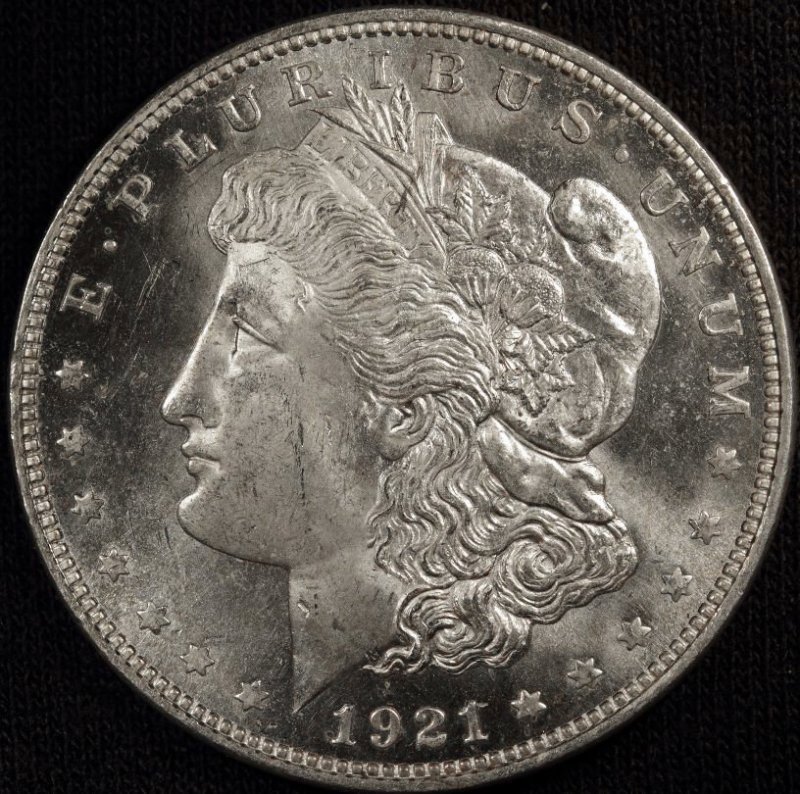
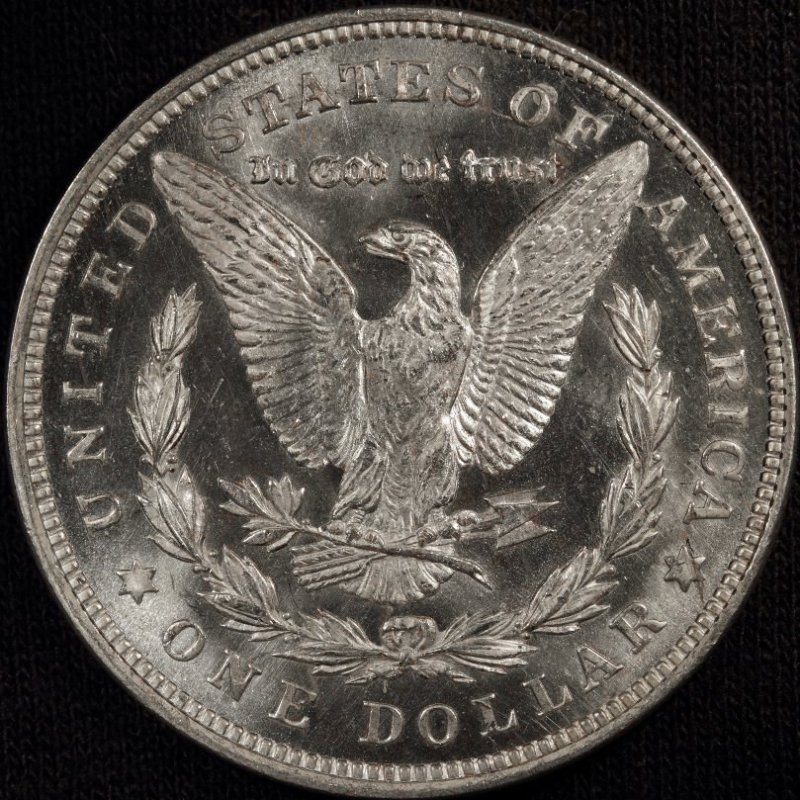
If you look at your two images, you will notice that the beam of light reflecting behind Liberty's head is much more pointed in your LED photo. The halogen exhibits that dispersion of light indicative of a filament.
I'm just spouting what I know about LEDs, not that I know anything about photography.
Edited by Drsandman2
01/01/2012 10:05 pm
|
|
Pillar of the Community
United States
1080 Posts |
they tell you in grading classes to never use LEDs. For what it's worth.
|
|
Pillar of the Community
United States
1374 Posts |
Grading classes? Never took a class that didn't grade! :P
|
|
Moderator
 United States
23522 Posts |
Quote:
I prefer the top two. Why is that, fredd? I'm curious - they're noticeably inferior to me but we get locked into mindsets, you know? Maybe I'm missing something. Drsandman2, I get your point. I would note, though - the halogens are narrow-beam MR16 spots (as opposed to floods) and at a given distance the LED's actually demonstrate a sharper concentration circle than they do. This, I believe, is an advantage in macro photography, given that contrast tends to decrease as dispersion or diffusion increase. I arrived at the MR16's after a long process of slowly narrowing the light beam I applied in order to achieve better contrast, and the LED's ought to be an improvement. I'm beginning to believe that there's a lower limit to the number of photons one needs to bounce off a lustrous coin in order to get nice images. I'm always willing to learn and try new things, though. I have to admit, this new rig is sorta kicking my butt - I'm not exactly satisfied with the results I'm getting yet and I think I have to take my technique in a new direction to get the best from it. The optical hardware is tested, known-good and superior to anything I've used before; the problem is obviously between the chair and the keyboard.  |
|
Rest in Peace
United States
9104 Posts |
I see a lot more contrast on the top two
Edited by biggfredd
01/01/2012 11:08 pm
|
|
Pillar of the Community
United States
4051 Posts |
I'm with biggfredd. If you are looking for contrast, the LED's have it in spurs, in fact too much of it, which might be why you don't like them as much. Over on another forum there's a coin photographer who absolutely hates LEDs because they create "sparkles" on the surface of the coin because they are such pinpoint sources. I will bet you can achieve virtually the same result as the MR16's by adding a bit of diffusion to the LEDs. You can create virtually any "size" source by adding a piece of diffusion paper between the LED and the coin. The closer the paper is to the LED, the more like the LED it will appear. Closer to the coin and it looks like a "bigger" source and will no longer cause such high contrast. I use Canson Opalux translucent paper for my diffusers, but I recommend you start with white tissue wrapping paper, or simply a white kleenex. Keep in mind though that luster is created by local contrast, and as you diffuse the source you will lose the luster. Nice thing about the LED's is with a bit of variable diffusion you can customize it exactly to your liking...Ray
|
|
Pillar of the Community
United States
4051 Posts |
Contact me for photographic equipment or visit my home page at: http://macrocoins.com |
|
Pillar of the Community
United States
1374 Posts |
I like the contrast in the first two, if contrast is the aim.
SuperDave - Schooled again! To be honest, I use a single source LED light source when searching. And I consistently rotate it around my focal points to uncover hints that might otherwise be hidden by a shadow from a static point. The focal light given by LED does create more contrast and that is why I use it or looking at RPDs and RPMs. I use a several different power loupes and a headlamp, but keep the headlamp in my opposite hand not on my head. With the loupe steady, I rotate the light around PUPs.
But what is appealing is a different matter! That seems to be the true crux.
LOL funny you mention diffusion light using filters. I used red lighting gel from a music shop to make the digital display in my Honda Insight into awesomeness. First picture in this post, youtube demonstrations in the post.
Edited by Drsandman2
01/02/2012 02:49 am
|
|
Pillar of the Community
United States
548 Posts |
I sense the bottom two pics represent the coin better than the top two. In the top, the face looks so white, so washed out; all the scratches are brought out, too.
As if the lighting was too much from the side, and not enough from the top.
|
|
Pillar of the Community
United States
4051 Posts |
Pet Peeve Alert!
Please define for me what it means when you say "represent the coin better"? The camera does not lie, and is only showing the coin in the exact way it is being seen under the lighting conditions of the photograph. If you want to see the coin "in a particular light" then you need to photograph it in that lighting condition.
At least you did not say "looks more like it does in hand". That would really set off the alert!
|
|
Pillar of the Community
United States
548 Posts |
 Well, I'm holding a 1880 Morgan in my hand. Nice coin, but with a few small stains on it. No biggie. Yet every single blasted pic I take of that coin accents the stains! Grrr. Makes it look worse than it is. While I understand that the camera doesn't lie, I also believe there are photographic conditions that don't represent coin-in-hand reality. With all due respect, of course.  |
|
Pillar of the Community
United States
4051 Posts |
Yes, it's hard to get the same lighting, angles, etc when taking a photo versus holding the coin in hand. One of the nice things about tethering a camera to your computer is you can see exactly what the photo is going to look like before you snap it, so you can adjust lighting and such to make it look like you want it. In the end it's all about lighting...Ray
|
|
Moderator
United States
23522 Posts |
Quick question: How many of us visually inspect coins under the exact same lighting as we shoot them? I know I don't.
|
|
Pillar of the Community
United States
4051 Posts |
I'll second that. I have a corollary to your question: When viewing a coin "in-hand", and imagining that you are viewing a photograph on a computer screen, would you think that photograph was a good one? Oh and by the way, you need to keep one eye closed since the photograph is not in stereo vision. I think if you do this simple exercise, you will find that a coin "in-hand" really doesn't look all that great against the standards and criteria we set for ourselves when taking photographs of that same coin...Ray
|
| |
Replies: 15 / Views: 1,863 |
|












 Posted 01/01/2012 10:03 pm


