Tonight I thought I'd post a bit of info on the 1925 Norse-American Centennial medal as it is very often collected alongside the coins of the classic series. In fact, many early coin dealers promoted this association through their advertisements for US commemorative coins by including the Norse-American medal within their coin listings. I've included images of two of the three examples in my collection.
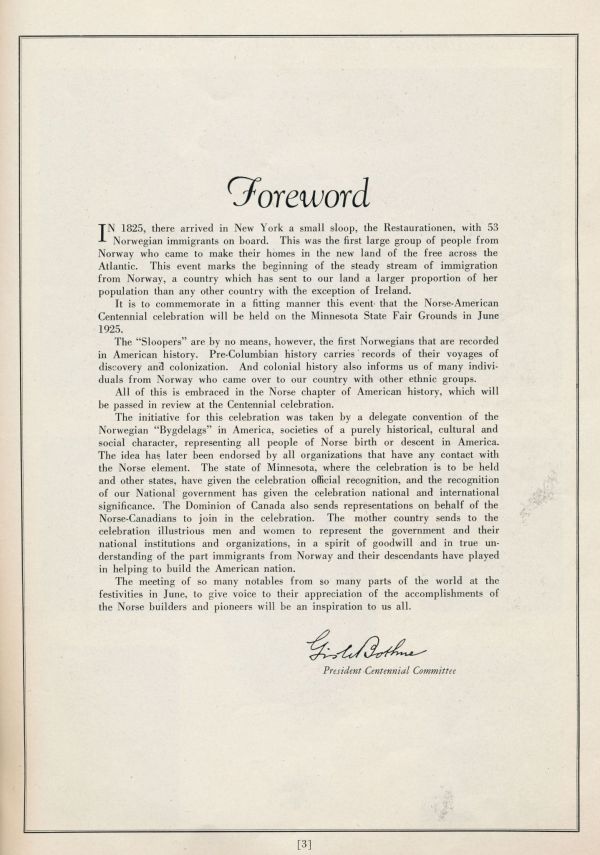
The first large group of Norwegians arrived in America in 1825 via the sloop Restaurationen; they arrived in New York. As immigrants from Norway eventually became a large and important part of the US population, the Norse-American medal was sponsored and struck to mark the 100th anniversary of the arrival of the first immigrant group and was issued as part of the event's celebration in 1925.
Read More: Commems CollectionThe Norse medal is the work of noted sculptor
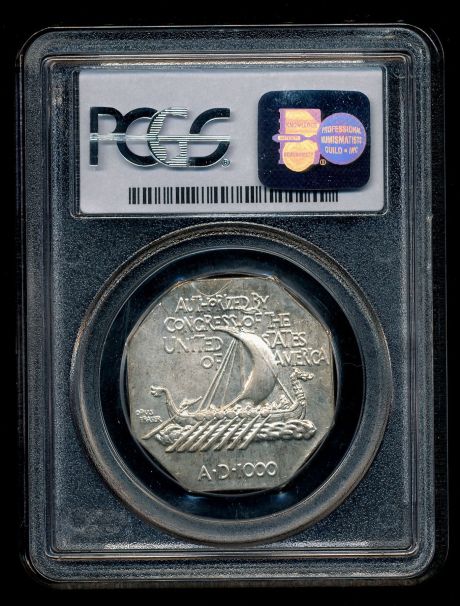
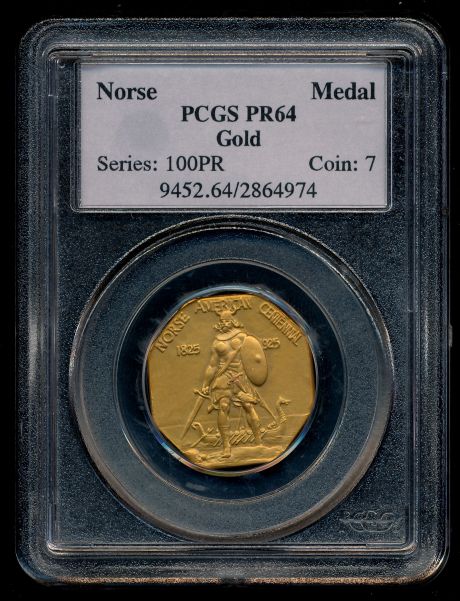
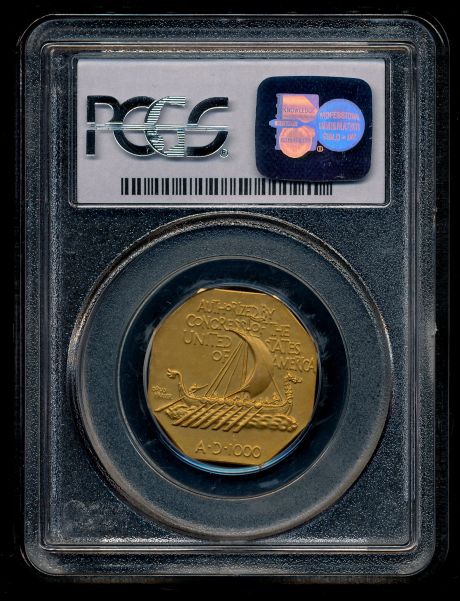
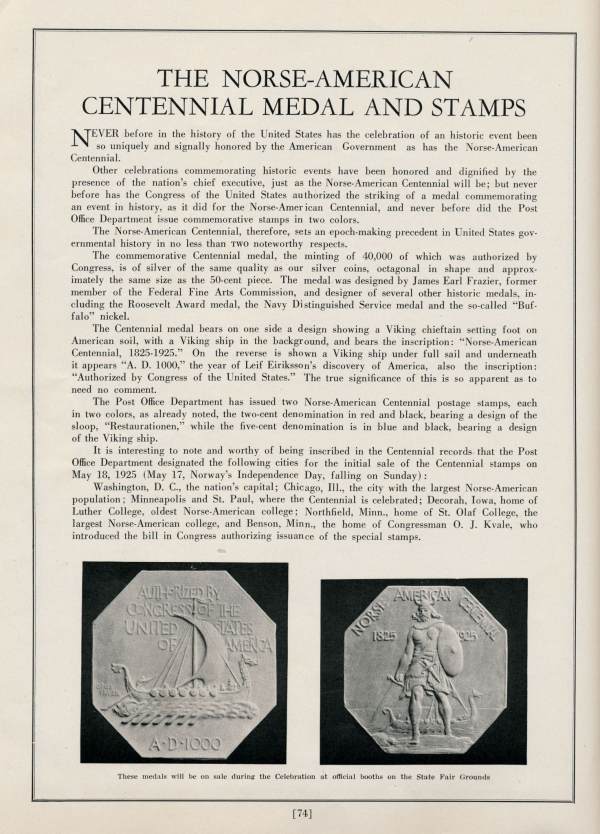
James Earle Fraser; Fraser was pursued when "first choice" Gutson Borglum proved unavailable due to his work on the Stone Mountain Confederate Memorial (and coin). The obverse features "a Viking chieftain setting foot on American soil with a Viking ship in the background..." On the reverse is seen "a Viking ship under full sail..." (See the Souvenir Booklet Medal Page below for more details.)
There are three primary types of Norse-American medal, with two varieties of one of the types:
- 1a. Silver, Thin Planchet: the first medals to be struck, 6,000 were produced
- 1b. Silver, Thick Planchet: 33,750 were struck (Anthony Swiatek has suggested that 2,000 may have been returned to the Mint for melting)
- 2. Gold: 100 struck, 53 returned to the Mint for melting (47 net mintage)
- 3. Bronze: 75 struck, triple-plated with silver outside of the Mint
It remains unclear if the reason for the two varieties of the silver medal was the result of the Norse-American Centennial Commission's dissatisfaction with the quality of the initial "thin" medals or if the Commission was just following in the footsteps of the Alabama, Grant and Missouri coin commissions. In any case, today's collector has two silver medals to seek out to keep their commemorative sets "complete." (Note: The lower mintage Thin Variety maintains a distinct price premium over the Thick Variety, especially at higher grades.)
As noted above, the Commission returned 53 of the gold medals to the Mint for melting; this action was taken to help the Commission pay for amounts owed to the Mint for the production of the medals. With just 47 pieces available to collectors and a close natural tie to the classic US commemorative series, the gold Norse medal is sought after by many US commemorative collectors and is typically actively bid upon when examples come up at auction.
Shown below is the Silver, Thick Variety medal in PCGS MS-64. It is a nice brilliant example with good luster. The Norse medals were struck on planchets of "coin silver" (i.e., the same 0.900 fine silver composition as the US silver coins of the era) and were struck in the same manner as coins by the Mint. So, the strike and surface characteristics of the medals essentially mimic those of standard US silver coins (including the classic commemoratives). My Thin Variety piece (not shown) is visually the same as my Thick medal.
I've also included an image of my gold medal in PCGS Proof 64. Unlike the uncirculated silver medals, the gold medals were struck as matte proofs. The medal shown has nice surfaces and a pleasant olive-gold hue. I've enjoyed owning the piece over the years -- it's always been a good conversation starter!
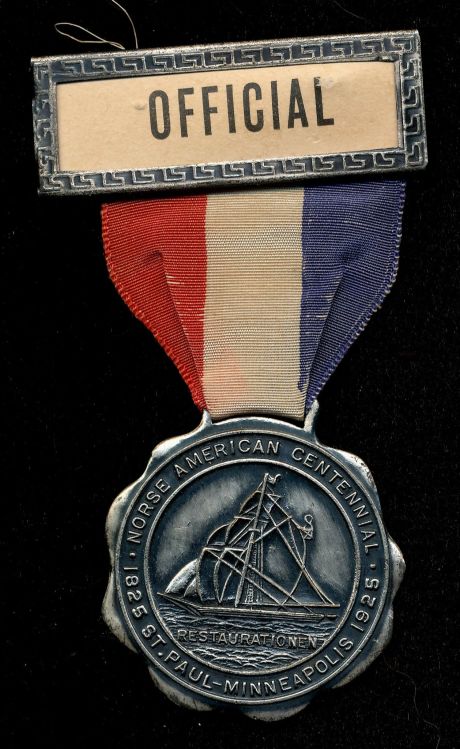
In addition to the US Mint medal, I've shown two examples of the souvenir badge that was available at the 1925 celebration. The one-sided medal depicts (somewhat simplistically) the sloop Restaurationen. They were made by the Greenduck Company in Chicago; I've seen them in gold, silver and bronze colors. (I don't believe they contain any precious metal). Shown are the "gold" and "silver" -- I couldn't put my hands on my "bronze" example in time for tonight's post.
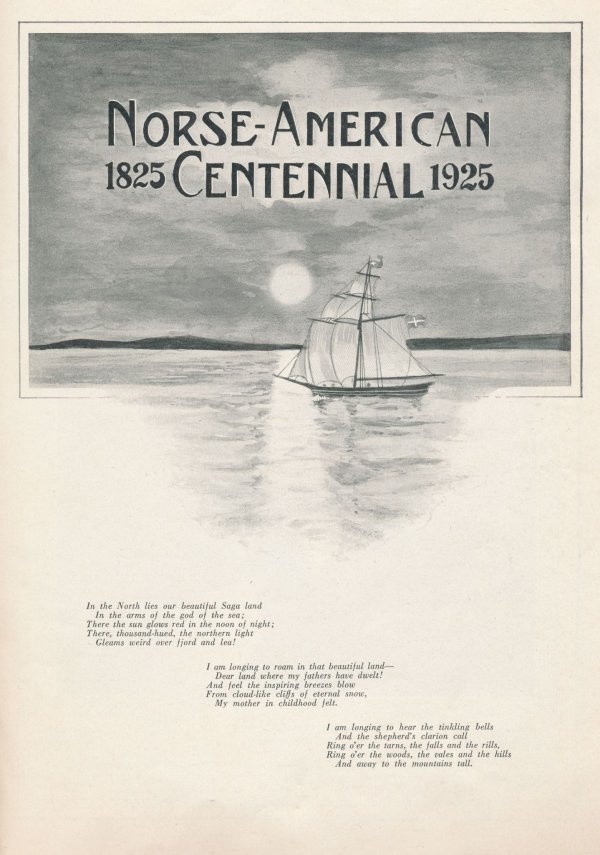
Lastly, I've included images of a few pages from the official Souvenir Edition Program for the Norse-American Centennial celebration below. The Forward provides brief background information about the Norse immigration to America along with some details about the planned celebration; there's also a page with additional information regarding the medal.
Enjoy!
1925 Norse-American Centennial Medal / Silver -- Obverse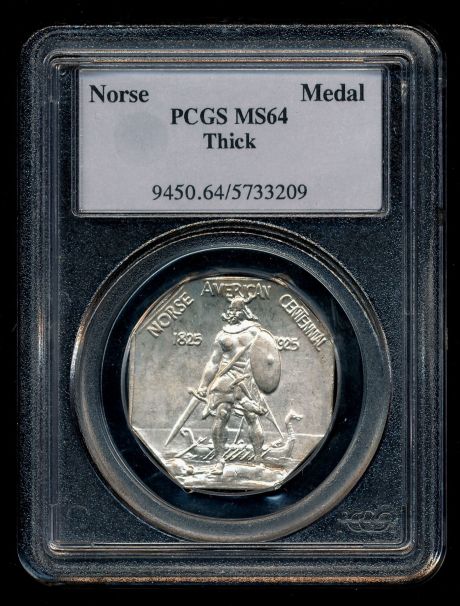 1925 Norse-American Centennial Medal / Silver -- Reverse
 1925 Norse-American Centennial Medal / Gold -- Obverse
 1925 Norse-American Centennial Medal / Gold -- Reverse
 Souvenir Badges from the 1925 Norse-American Centennial Celebration
 Norse-American Centennial Celebration Souvenir Program -- Title Page
 Norse-American Centennial Celebration Souvenir Program -- Forward
 Norse-American Centennial Celebration Souvenir Program -- Medal Page
 Note: The above claim by the Norse-American Centennial Commission as to the Norse medal being the first commemorative medal authorized by the US Congress is incorrect -- several others had come before it. It was good for publicity at the time, however!



 Posted 05/27/2012 12:52 am





