




Coin Community Family of Web Sites Join Thousands of Coin, Bullion, & Money Collectors
Royal Canadian Mint products, Canadian, Polish, American, and world coins and banknotes. Coin, Banknote and Medal Collectors's Online Mall Vancouvers #1 Coin and Paper Money Dealer Join Thousands of Coin, Bullion, & Money Collectors Specializing in Modern Numismatics 300,000 items to help build your collection! Royal Estate Auctions - $1 Coin Auctions


Username:
Password:
Save Password
Forgot your Password?


This page may contain links that result in small commissions to keep this free site up and running.

Welcome Guest! Registering and/or logging in will remove the anchor (bottom) ads. It's Free!

Identification Of An Ottoman Coins

To participate in the forum you must log in or register.
Author Previous TopicReplies: 4 / Views: 3,349Next Topic  
New Member

Macedonia
7 Posts
 Posted 06/10/2012  8:06 pm Show Profile   Bookmark this topic Add Macedonia to your friends list Get a Link to this Message Number of Subscribers
First of all, I'm not even certain if these are coins or some kind of jewelry.
I did my best to find them in some catalogs, but all I found were several similar.

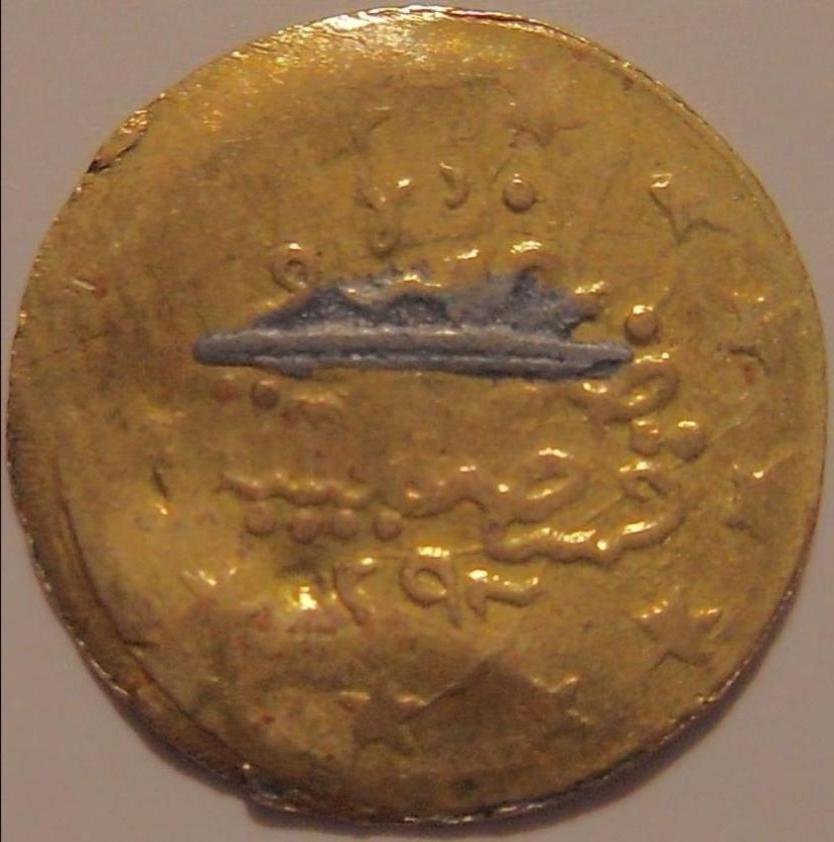
As you can see, these 2 are slightly damaged and melted(?). Also, I can not tell if they are (partially) gold or not (I can see scratches), but here's what is noticeable:

*They are different
*15mm in diameter, 0,5mm in thickness.
*The drawing/words on the upper part of the front side of the first coin is similar to the drawing/words on many other Ottoman coins I have, but unlike the standard drawing, IMO, this one looks... faulty, amateurishly made.
*There's a printed year on both of the front sides of the coins.
The first coin only reveals the first two numbers - 12XX, since the other ones are melted.
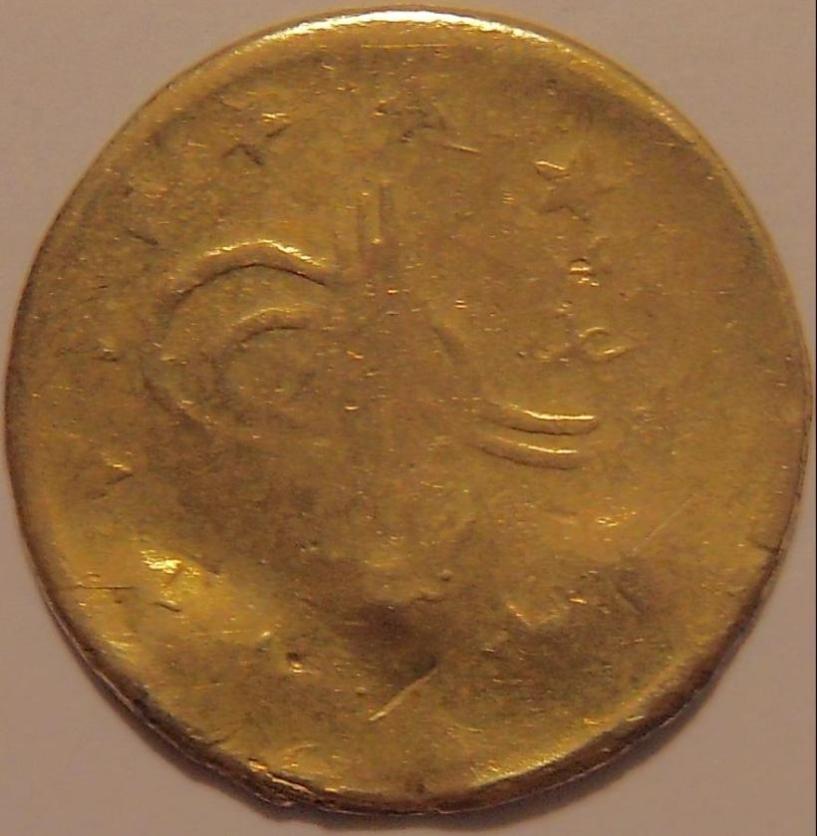
On the second coin there are 3 numbers visible, actually 4, since the first one is probably "1" - 129X, the 4th number doesn't look like any other Arabic number, so I guess one more thing which is faulty here and a proof that the "coins" are not coins at all.
*In the lower part on the back side of the second coin there are two numbers "^^" i.e. 88. As much as I could see, on other Ottoman coins those numbers on that specific spot represent the nominal value of the coin i.e. how many "para" is the coin. Not only the numbers are printed in smaller size than usual, but the number itself (88) is a bit odd to me.

I hope the info was enough, the photos are below, so any help is appreciated :)
If you could identify them, don't hesitate to estimate their present value ;).
Thank you in advance.

COIN 1 FRONT
Identification-Of-An-Ottoman-Coins

COIN 1 REAR
Identification-Of-An-Ottoman-Coins

COIN 2 FRONT
Identification-Of-An-Ottoman-Coins

COIN 2 REAR
Identification-Of-An-Ottoman-Coins

COINS SIDE
Identification-Of-An-Ottoman-Coins
Edited by Macedonia
06/10/2012 9:25 pm
Pillar of the Community
alganbagerap's Avatar
United Kingdom
2490 Posts
 Posted 06/11/2012  04:39 am  Show Profile   Bookmark this reply Add alganbagerap to your friends list Get a Link to this Reply
These look to be made for jewellery purposes and as such would not depict any actual coin, ruler or year. The toughra in particular seems to be just a rough representation, and are those solder marks?
New Member
Macedonia
7 Posts
 Posted 06/11/2012  07:29 am  Show Profile   Bookmark this reply Add Macedonia to your friends list Get a Link to this Reply
Thank you for your reply.
Soldered indeed, they must've been attached to something and later separated. In the Balkan countries, during the Ottoman occupation, it was a practice to made jewelry out of (ottoman) coins usually by drilling a hole in the coin itself and attaching it onto something, like clothes. I have a dozen Ottoman coins with/out a hole in it and all are valid, so I thought these 2 should be valid coins too.
Pillar of the Community
alganbagerap's Avatar
United Kingdom
2490 Posts
 Posted 06/11/2012  07:50 am  Show Profile   Bookmark this reply Add alganbagerap to your friends list Get a Link to this Reply
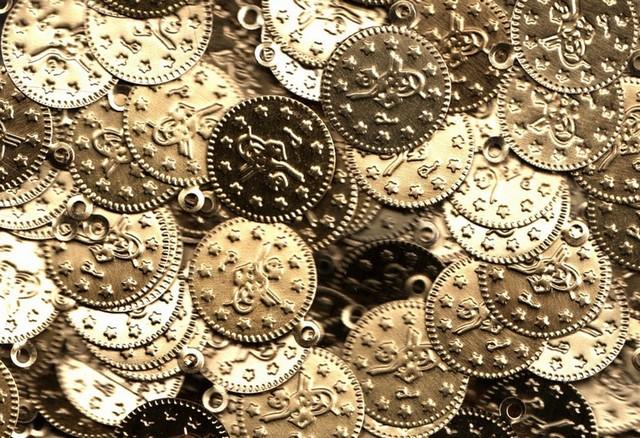
Your point is taken , but also it was customary to make imitation coins such as the well known "belly dancer" pieces.
Not all of those are in base metal and I suspect that these had a purely ornamental purpose.
New Member
Macedonia
7 Posts
 Posted 06/11/2012  08:12 am  Show Profile   Bookmark this reply Add Macedonia to your friends list Get a Link to this Reply
Now that you mentioned "belly dancer", I found very similar to these 2, with the stars in circle, poorly made symbols etc...
Thank you alganbagerap, "problem" solved :).

Identification-Of-An-Ottoman-Coins
  Previous TopicReplies: 4 / Views: 3,349Next Topic  

To participate in the forum you must log in or register.


Disclaimer: While a tremendous amount of effort goes into ensuring the accuracy of the information contained in this site, Coin Community assumes no liability for errors. Copyright 2005 - 2026 Coin Community Family- all rights reserved worldwide. Use of any images or content on this website without prior written permission of Coin Community or the original lender is strictly prohibited.
Contact Us  |  Advertise Here  |  Privacy Policy / Terms of Use

Coin Community Forum © 2005 - 2026 Coin Community Forums
It took 0.21 seconds to rattle this change. Forums