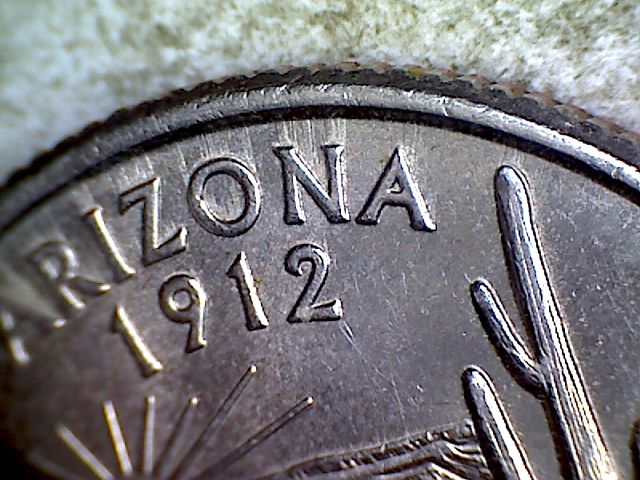
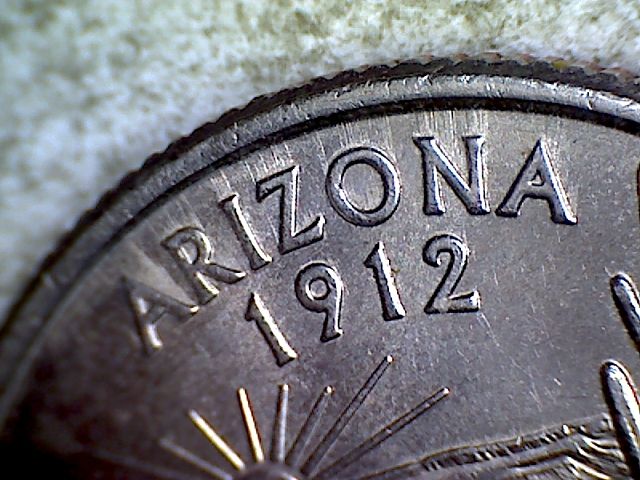
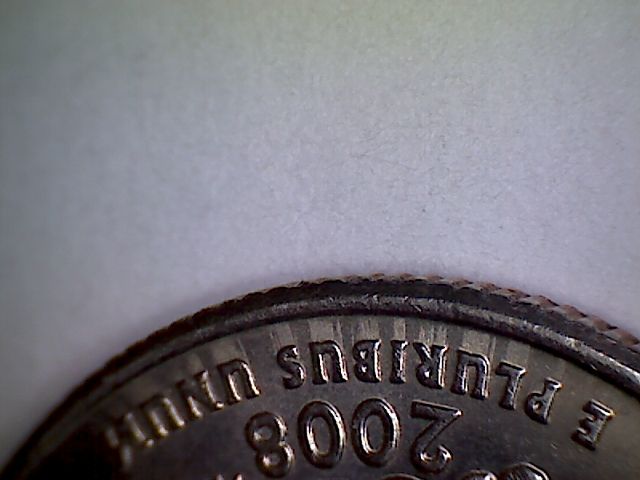
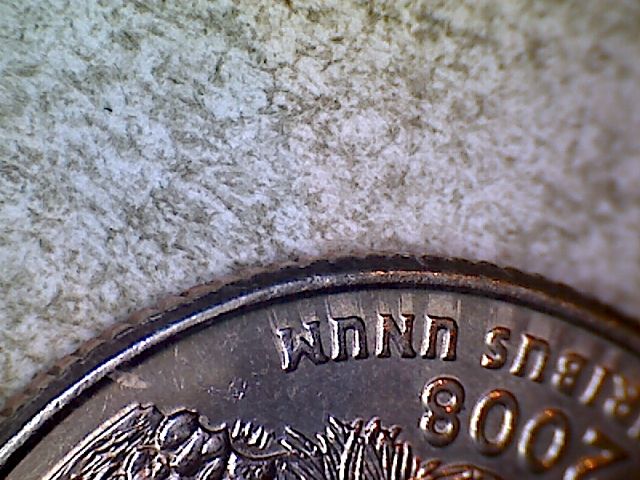
A planchet is slightly smaller than a struck coin. When a coin is struck, the planchet expands to fill the coining chamber. A somewhat common misconception is that a planchet is heated to an almost molten state from the pressure of being struck. There is a little bit of heat involved but the planchet expands via the cold flow process. That radial expansion of metal will etch microscopic grooves in the surface of the dies. These micro grooves are what imparts luster to a coin and are responsible for the cartwheel effect. This erosive effect on the dies will create ever larger grooves and will result in deteriorated dies, most prominent at the periphery. The metal flows fastest at the periphery and design details close to the rim will cause changes in the flow rate relative to that of the flat fields
Edited by biokemist6
08/23/2012 10:05 pm










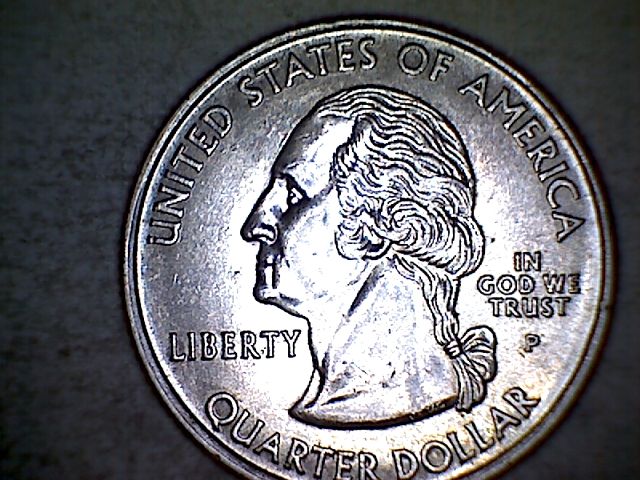
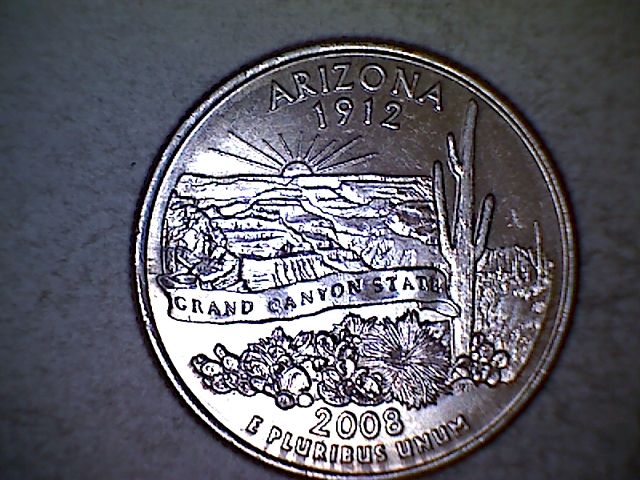
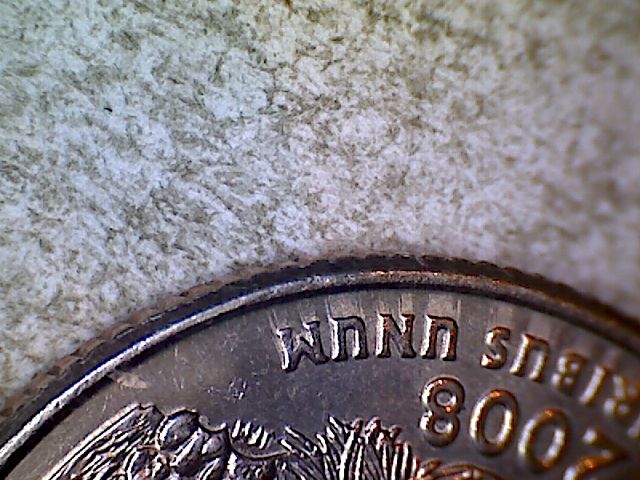
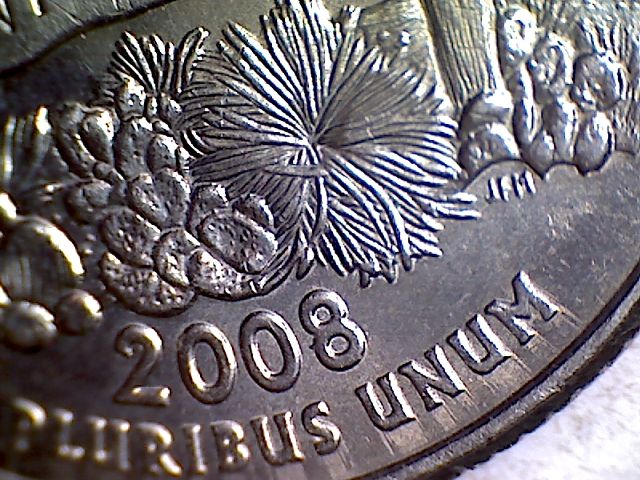


 Posted 08/23/2012 2:52 pm


 ! Thanks biokemist6 !


