Posted 09/14/2012 09:39 am


Yes. Here are just a few examples:
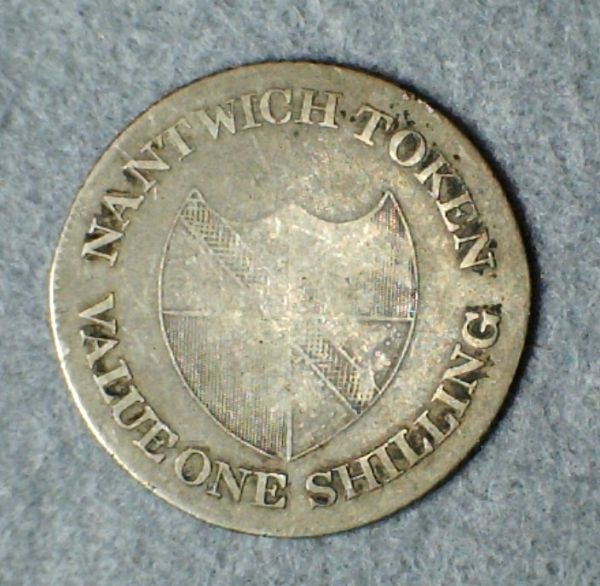
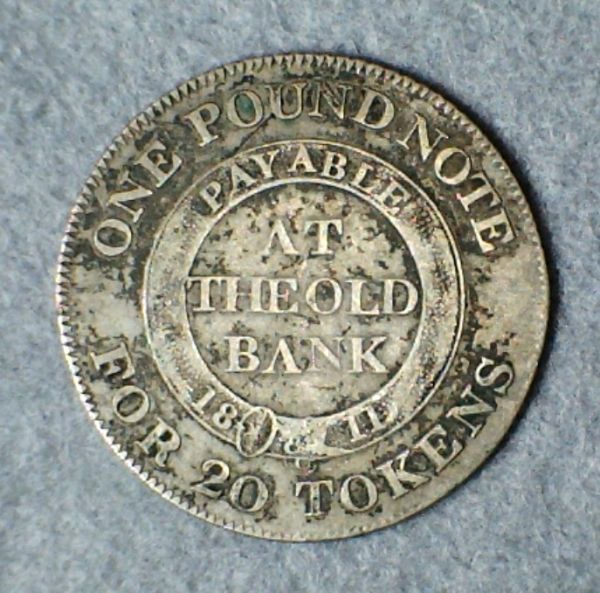
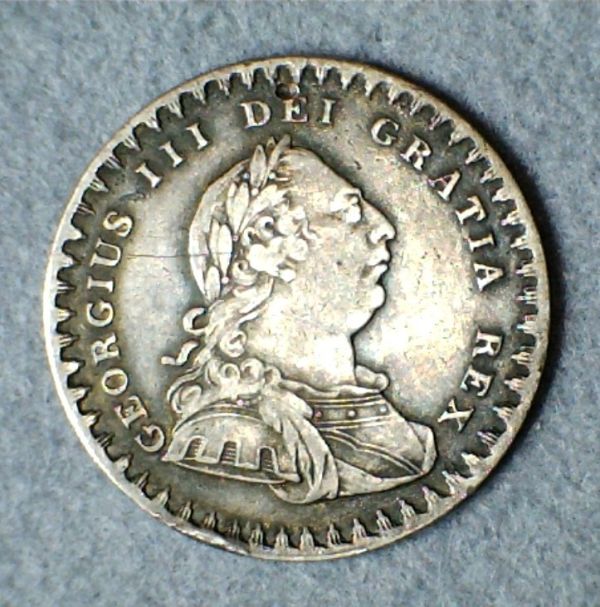
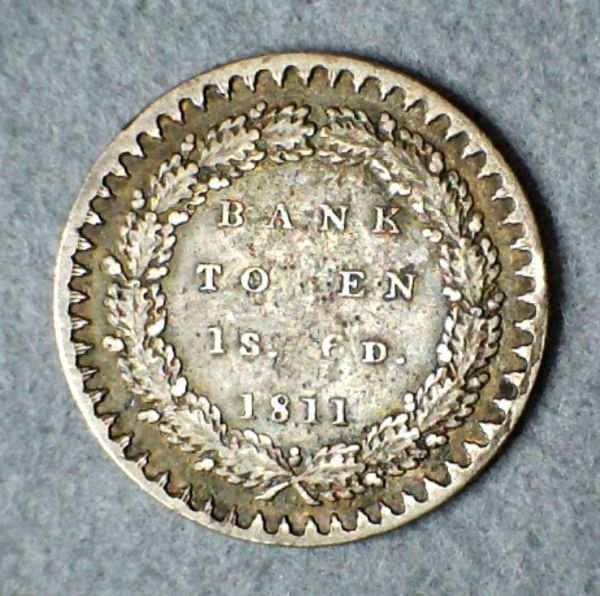
In England, silver tokens were made in the late 1700s and early 1800s, during the general shortage of small change caused by the Napoleonic wars.
Here in Australia, during the small change shortage of the Gold Rush era (mid-1800s), a local jeweller made silver threepence tokens.
Russian "beard tokens" were in use in the 1700s, during Peter the Great's attempts to Europeanize his people. People who wanted to continue wearing the traditional Russian beard had to pay a tax, and carry a beard token with them at all times to prove they had indeed paid the tax. Tokens for peasants were copper, while tokens for the nobility were silver.
Early Indian "temple tokens" were silver, though modern ones usually are not.
In England, silver tokens were made in the late 1700s and early 1800s, during the general shortage of small change caused by the Napoleonic wars.
Here in Australia, during the small change shortage of the Gold Rush era (mid-1800s), a local jeweller made silver threepence tokens.
Russian "beard tokens" were in use in the 1700s, during Peter the Great's attempts to Europeanize his people. People who wanted to continue wearing the traditional Russian beard had to pay a tax, and carry a beard token with them at all times to prove they had indeed paid the tax. Tokens for peasants were copper, while tokens for the nobility were silver.
Early Indian "temple tokens" were silver, though modern ones usually are not.
Don't say "infinitely" when you mean "very"; otherwise, you'll have no word left when you want to talk about something really infinite. - C. S. Lewis