Hi,
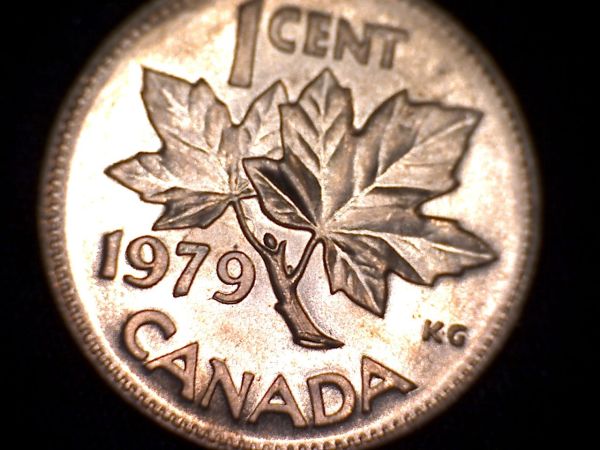
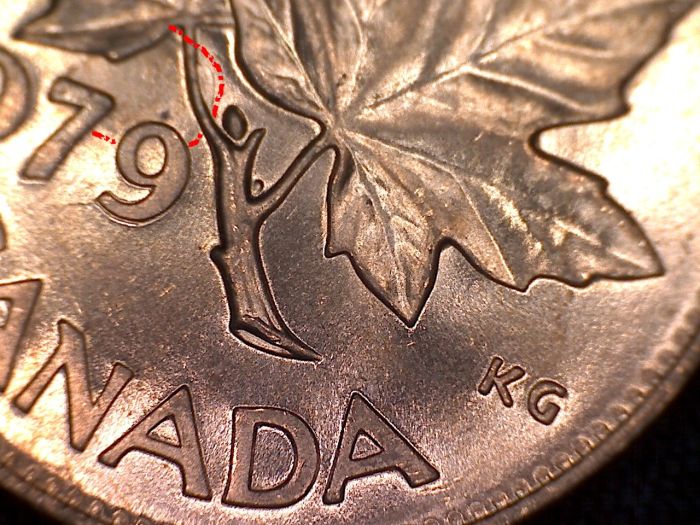
It is difficult to distinguish from your first photo whether or not the red encircled area is raised above the reverse surface or incuse (stamped down into) the coin.
Normal incuse lettering on any coin is obviously formed by the strike of raised letters connected on the die face.
But in the case of this die clash the raised formations on the normal die side would have created an incuse impression on the opposing die surface which would have consequently left that ‘possibly' raised area on your penny within the red encircled area.
Or conversely, the ‘incuse' formations on a normal die side would have formed an elevated impression on the opposing die surface that could have ended up forming an ‘incuse' indentation on your penny within the same red encircled area.
Just to make things even more confusing you could possibly even have some combination of both of the above scenarios brewing within the same area in question.
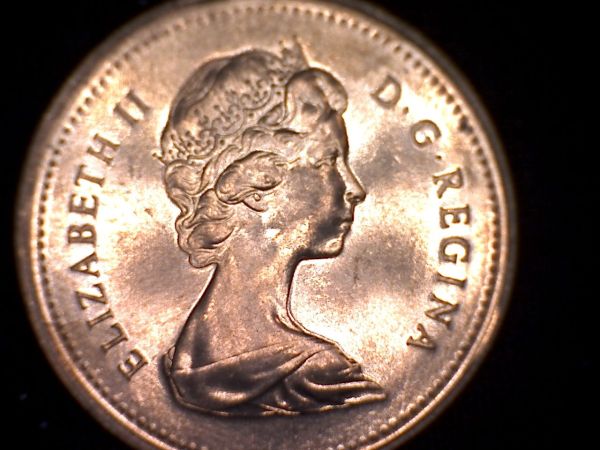
Please clarify this issue in an effort to better illustrate exactly what part of the obverse features are are being superimposed upsidedown in a reverse order on the reverse surface...
mdpmedia












 Posted 03/05/2013 10:33 pm