











 Posted 03/09/2013 01:49 am


The coin is real and certainly worth a bit more than silver - perhaps 2x. If you like it - that is all that matters.
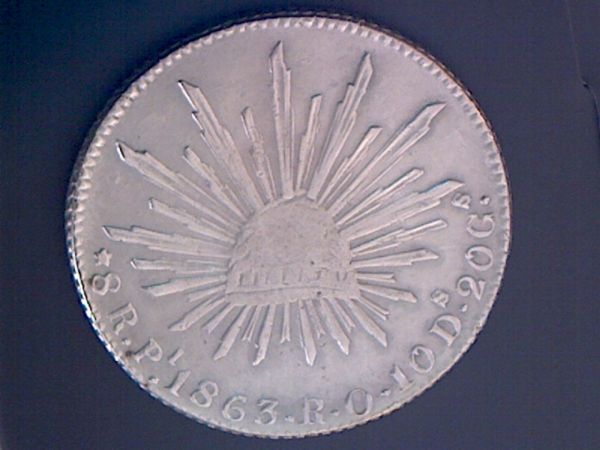
The coin is considered a common one. It is the earlier 1863 style with the 1862 cap design. Lower opening in cap and a more rounded shape. That punch was used from 1858 to 1863. Never looks much better than this one. A poor die design.
One of the problems with that style - which may have been why it was changed in 1863 was the height of the relief. VERY few full strikes exist of the first style. The second style is lower in relief and tends to be struck better.
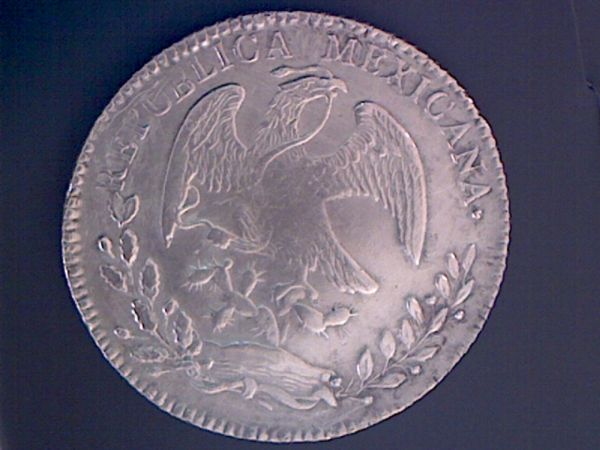
If you notice the center of the eagle and the cap coincide physically. This means the coin is thickest in those places. The pressure needed to get a full strike was too much for the old screw presses to generate for every strike. Remember the silver has to flow up and into the die to fill it so you can see the high points. If dies are cut too deep the die fails to fill and a weak strike is the result.
MOST 1863 type I coins will have a weak LIBERTAD and an eagle with few if any breast feathers. THIS IS NOT WEAR.
This is one reason why a scale of condition based solely on WEAR is dead wrong for the 8R series. The second this coin dropped into the basket after being struck it in all probability lacked a lot of central detail.
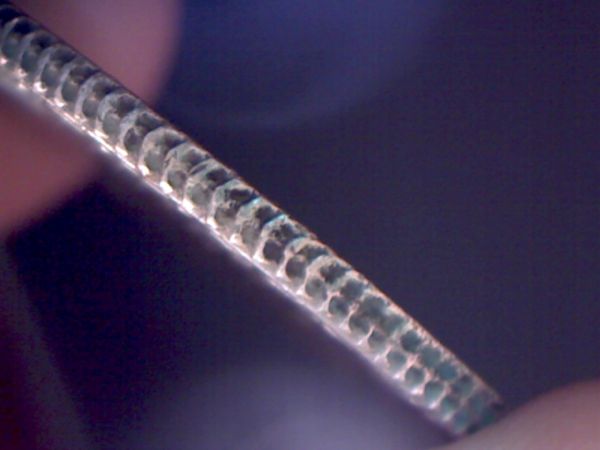
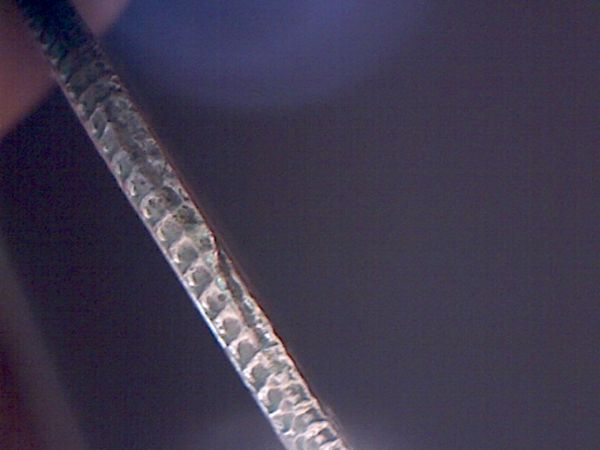
The wear on the edge does not confirm significant face wear. This is a case where a nice looking edge with minimal wear can prove a coin was weakly struck and not worn to a lower appearing state.
From the color the coin appears to have been cleaned. But no big rim nicks, test cuts or gouges either.
This is what I like about the series nearly every coin has its own story to tell.
A pleasant looking coin that really circulated. What more could you ask from something 150 years old.
I doubt I will look that good when I'm 150.
The coin is considered a common one. It is the earlier 1863 style with the 1862 cap design. Lower opening in cap and a more rounded shape. That punch was used from 1858 to 1863. Never looks much better than this one. A poor die design.
One of the problems with that style - which may have been why it was changed in 1863 was the height of the relief. VERY few full strikes exist of the first style. The second style is lower in relief and tends to be struck better.
If you notice the center of the eagle and the cap coincide physically. This means the coin is thickest in those places. The pressure needed to get a full strike was too much for the old screw presses to generate for every strike. Remember the silver has to flow up and into the die to fill it so you can see the high points. If dies are cut too deep the die fails to fill and a weak strike is the result.
MOST 1863 type I coins will have a weak LIBERTAD and an eagle with few if any breast feathers. THIS IS NOT WEAR.
This is one reason why a scale of condition based solely on WEAR is dead wrong for the 8R series. The second this coin dropped into the basket after being struck it in all probability lacked a lot of central detail.
The wear on the edge does not confirm significant face wear. This is a case where a nice looking edge with minimal wear can prove a coin was weakly struck and not worn to a lower appearing state.
From the color the coin appears to have been cleaned. But no big rim nicks, test cuts or gouges either.
This is what I like about the series nearly every coin has its own story to tell.
A pleasant looking coin that really circulated. What more could you ask from something 150 years old.
I doubt I will look that good when I'm 150.


