Right from BSCs website
http://www.banknotecertification.co...php#pressingSpecial Considerations
Pressing
Pressing, cleaning, or "restoring" a note is a common practice and should be taken into consideration during grading. Opinions range on the pros and cons of the subject. On one hand, altering a note can make it appear cleaner, bringing out the sharpness of the colours under the thin layer of dirt. Flatting methods make major folds less noticeable and distracting to the beholder, improving the overall eye-appeal.
On the other hand, altering a note can further damage the integrity of the paper and, depending on the method used, disintegrate the note over time. Furthermore, it hides or understates ware on the note, misleading the prospective grader. Pressing a note, for example, can camouflage a major fold, but it cannot repair the broken paper fibres within it. The wear is still there, but less noticeable to the untrained eye.
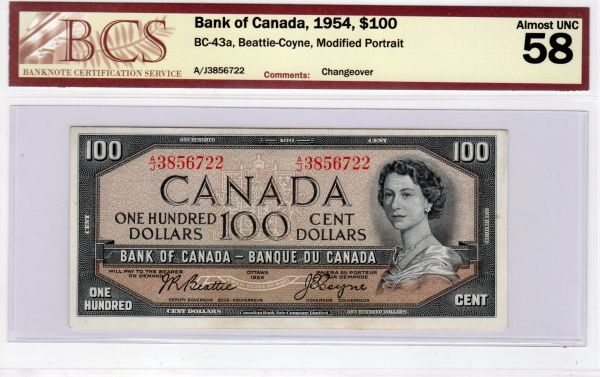
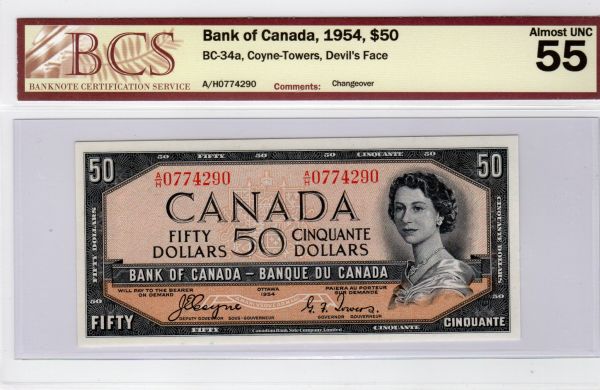
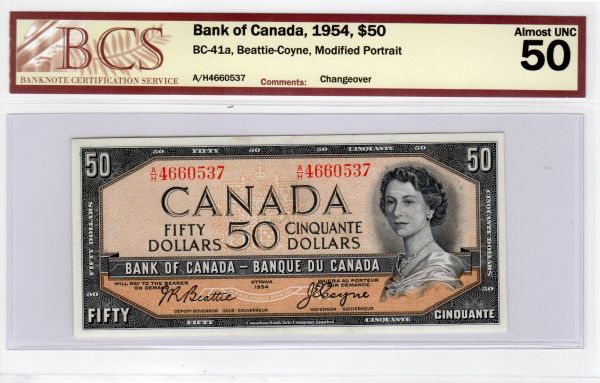
Finally, on a higher grade note, the act of flattening out inherent imperfections in the paper also eliminates the desirable qualities of a well printed Uncirculated note. The Bank of Canada 1954 series, for example, typically has shallow waves throughout the note caused by damp paper during the printing process. Restoring a note will ruin this desirable quality. Other irreversible changes include the elimination of embossing and a general change in the texture of the paper.
If a note is unaltered and has not gone through a restoring process and receives the grade of EF or higher it will receive an auxiliary designation of ORIGINAL stated on the holder directly beneath the number grade.












 Posted 03/29/2014 4:43 pm


