| Author |
 Replies: 9 / Views: 1,766 Replies: 9 / Views: 1,766 |
|
|
Pillar of the Community
United States
2824 Posts |
|
|
|
|
Pillar of the Community
Canada
4912 Posts |
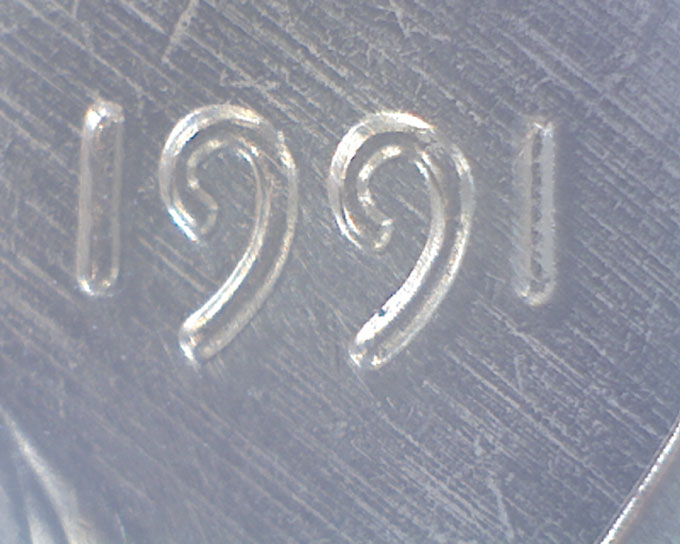
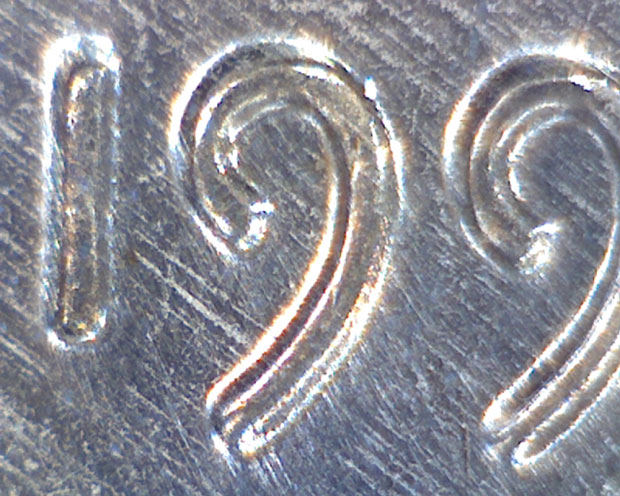
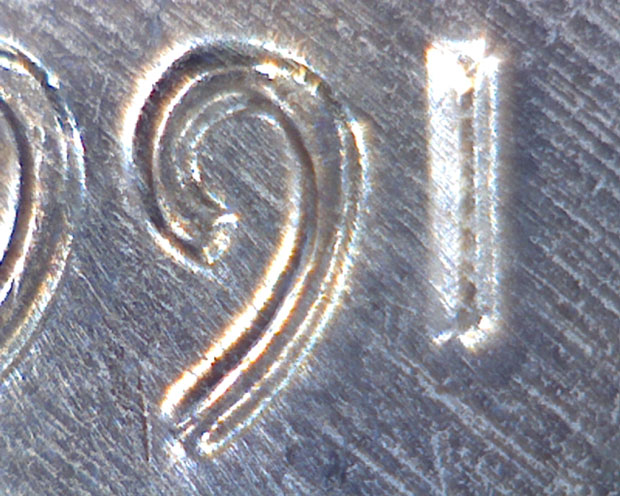
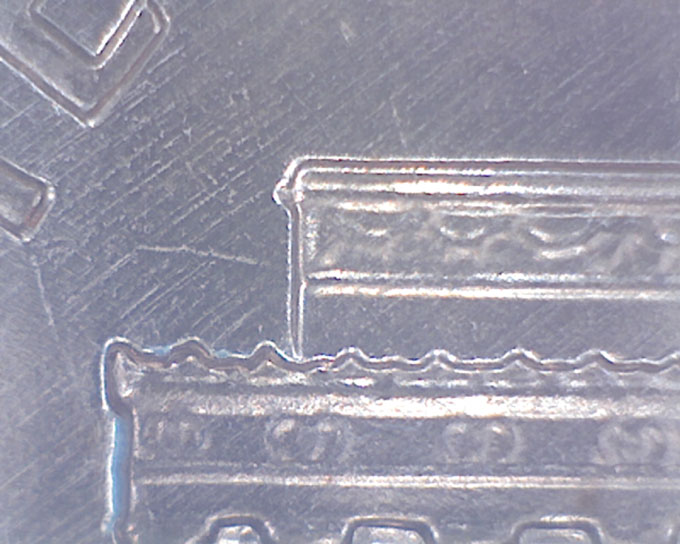
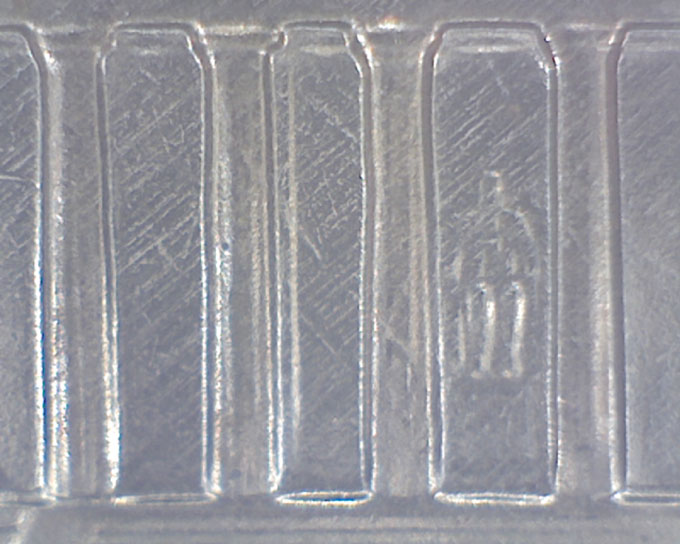
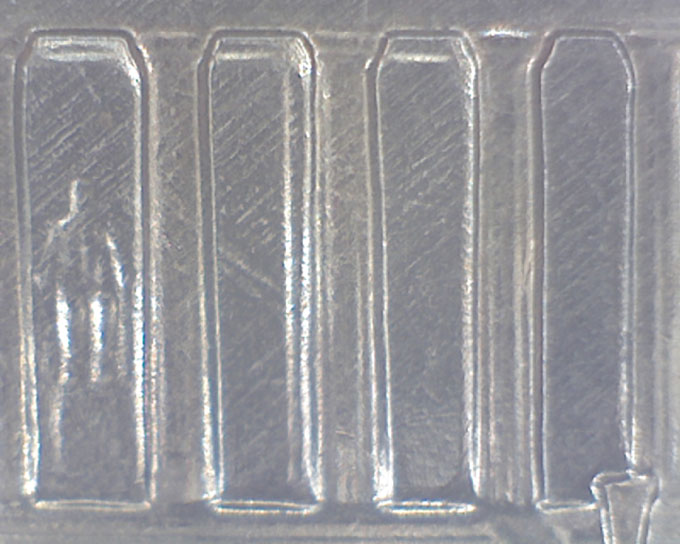
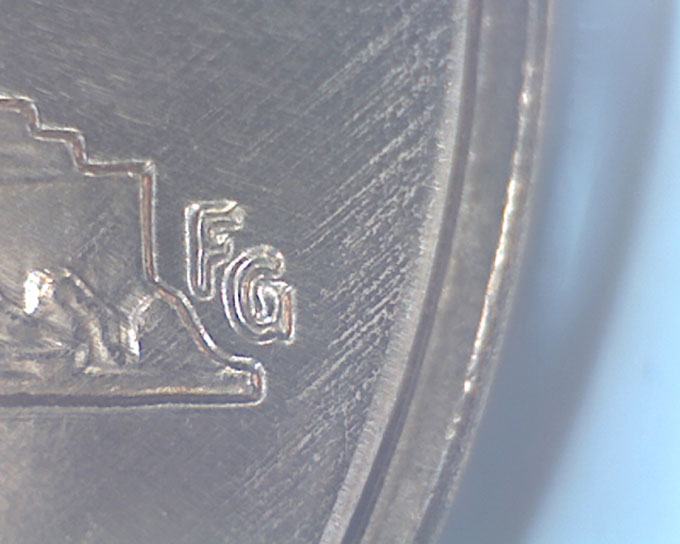
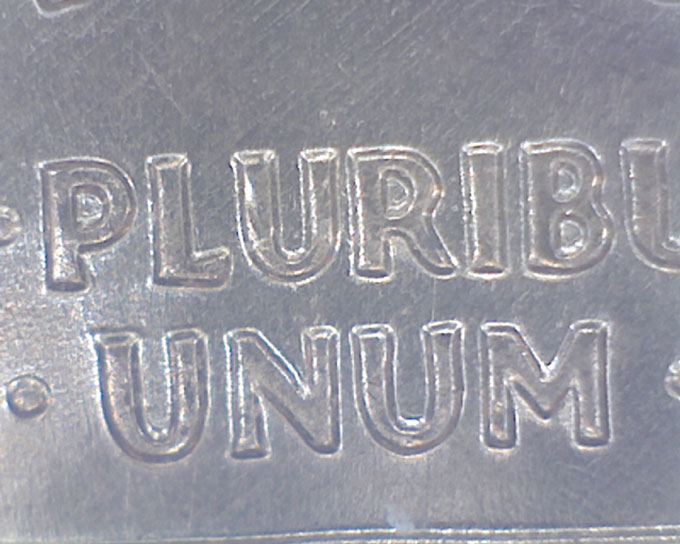
Cool, looks like its also a DDO and DDR! Feel free to call me Will.
|
|
Pillar of the Community
United States
1699 Posts |
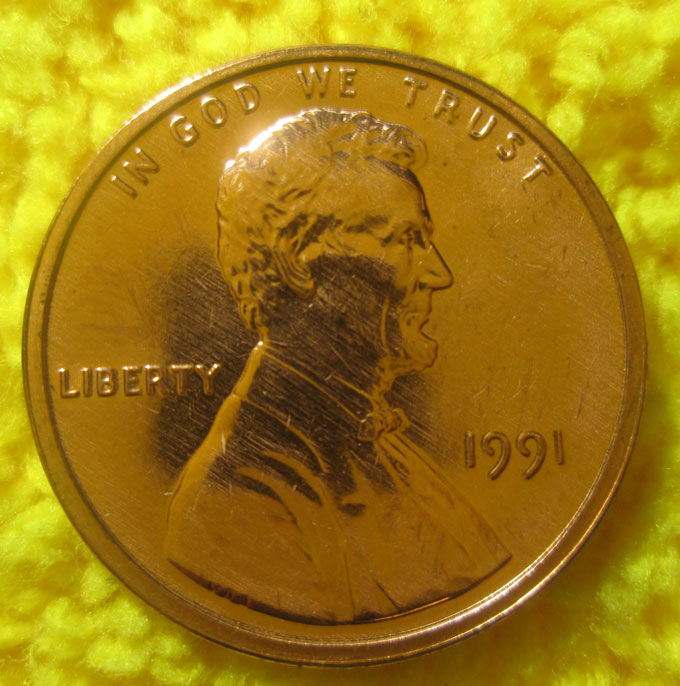
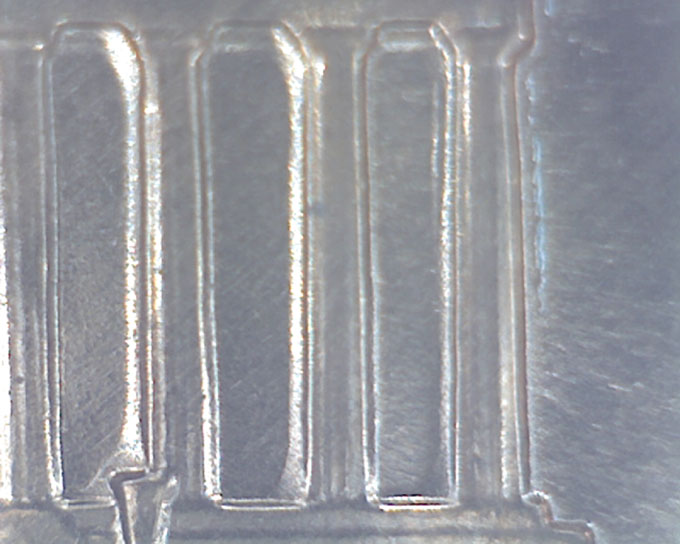
Not die scratches, but planchet striations. Die scratches generally aren't seen within the devices, yet the "lines" seen on your coin are seen all over, including within the devices. There is also a slight wire rim as well.
I can't speak in certainty for the doubling, but I don't think either side is a true doubled die.
|
|
Pillar of the Community
United States
4809 Posts |
Interesting - I wondered about this condition too. To your point, in specimens I've seen the striations are through the devices and noticeable about the bust and Memorial. I would have figured that fine surface anomalies on the planchet surface might 'wash' out during the coining process. It almost has a 'brushed' appearance, but the striations are straight and not irregular.
|
|
Moderator
 United States
56855 Posts |
What does the edge look like? The whole coin looks very shinny, too shinny.Maybe an EDS. Don't know about the scratches. John1  |
|
Pillar of the Community
United States
4809 Posts |
 I'll say the contrast between the scratches and the shiny smooth surface is what makes a coin like this one stand out when roll hunting. It looks as if the surface of the coin was scratched after minting with steel wool or something. The even, linear striations suggest to me pre-coining and mechanically(?) created. |
|
Valued Member
United States
374 Posts |
I don't believe this coin is doubled - I see that all the time with my USB scope with its lights on shiny coins under high magnification. Use another bright diffused light or tilt the coin a bit to make sure it is not just scope lighting.
|
|
Bedrock of the Community
United States
17884 Posts |
Quote:
Not die scratches, but planchet striations. Die scratches generally aren't seen within the devices, yet the "lines" seen on your coin are seen all over, including within the devices. You will also notice that the lines are running in the same direction on both sides of the coin.* If somehow you were able to create lines (scratches) like that on the die they would almost certainly NOT run in the same direction on both dies. * This can be hard to visualize. Imagine you are looking head on at a Lincoln Cent and the lines are coming down at a 45 degree angle from Northwest to Southeast. If you flip the coin over so that the reverse is right side up the lines will now appear on this side like they are running upward from Southwest to Northeast. |
|
Pillar of the Community
United States
1699 Posts |
Quote:You will also notice that the lines are running in the same direction on both sides of the coin.* If somehow you were able to create lines (scratches) like that on the die they would almost certainly NOT run in the same direction on both dies. * This can be hard to visualize. Imagine you are looking head on at a Lincoln Cent and the lines are coming down at a 45 degree angle from Northwest to Southeast. If you flip the coin over so that the reverse is right side up the lines will now appear on this side like they are running upward from Southwest to Northeast. Thanks for adding this! Plus, die scratches are almost never uniformly linear when they cover such a large area of the coin. I will also add that the coin does look semi proof-like. It's a completely original coin IMO. Edited by ErrorCoins222
07/05/2014 4:12 pm
|
|
Pillar of the Community
 United States
2824 Posts |
Awesome thanks everyone... I have seen a few with this almost 'brushed' appearance and now I know its "planchet striations" if its present on all devices...
Very cool learning something new here everyday....yeah I also need to get something to dim out the lights on my usb microscope
just got back from the flea markets picked up lots of goodies..
Edited by OcalaFlorida
07/05/2014 4:35 pm
|
| |
Replies: 9 / Views: 1,766 |
|










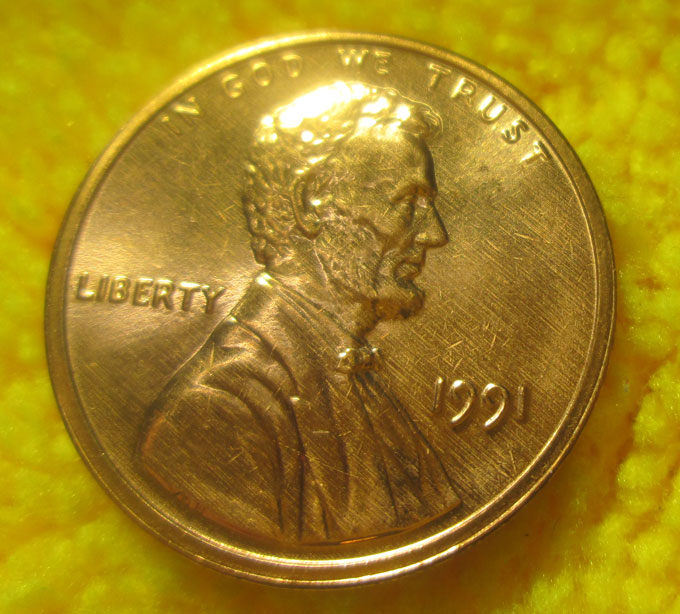
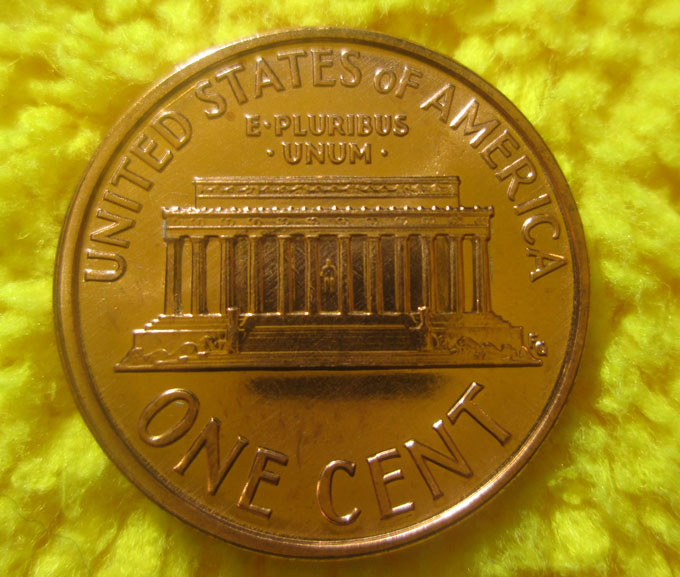
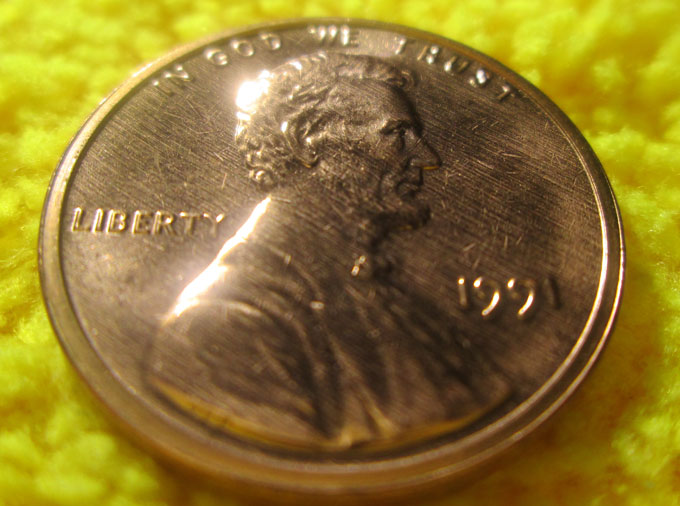
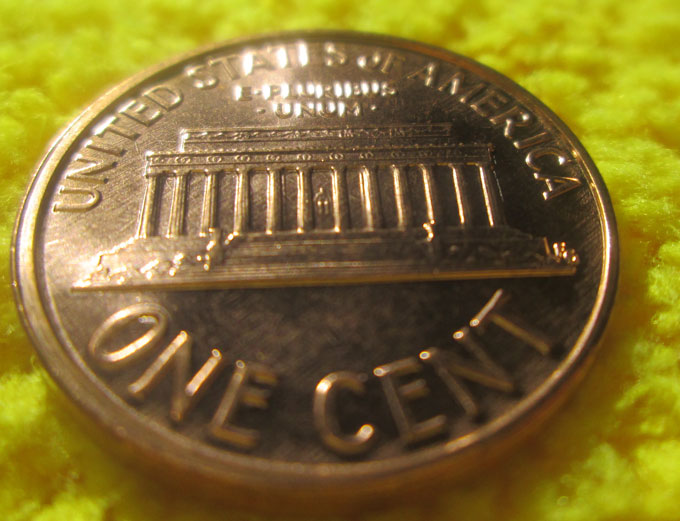


 Posted 07/05/2014 12:24 am


