| Author |
 Replies: 11 / Views: 1,243 Replies: 11 / Views: 1,243 |
|
|
Pillar of the Community
United States
2643 Posts |
|
|
|
|
Pillar of the Community
3772 Posts |
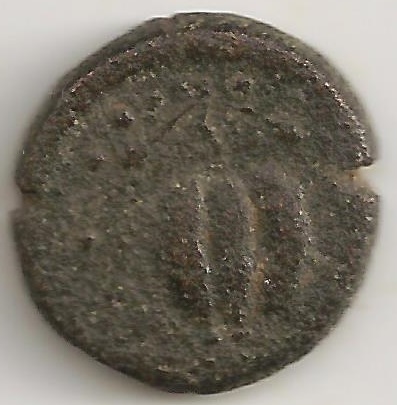
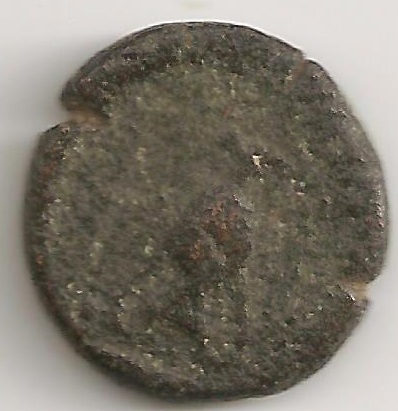
It reminds me of (ancient) Jewish coinage - turn the bottom picture around and it looks like an amphora.
|
|
Pillar of the Community
3772 Posts |
|
|
Pillar of the Community
 United States
2643 Posts |
|
|
Pillar of the Community
3772 Posts |
Your link does not work the way you intended. You might have to take a screenshot to show it.
|
|
Pillar of the Community
United States
2643 Posts |
To be honest, I don't know how to take a screen shot.
It is page 105 of Catalogue of the Greek Coins of Crete and the Aegean Islands By British Museum. Dept. of Coins and Medals
Melos. Obverse pomegranate with border of dots. Reverse amphora within compartment composed of two vertical lines joined by one horizontal line border of dots.
|
|
Pillar of the Community
3772 Posts |
The description sounds alright (even though I would expect BMC to use 'Kantharos' and not 'Amphora').
Just have a check if you can see (traces of) M A either side on our coin.
|
|
Pillar of the Community
United States
2643 Posts |
I'm sorry, what is MA? I don't see it in the glossary.
|
|
Pillar of the Community
3772 Posts |
The coins of Melos often have an M and A (either side of the Kantharos) on them, it's the first two letters of the ancient Greek name for the island.
|
|
Pillar of the Community
United States
2643 Posts |
I thought you were saying on the edge of the coin. Should I look at the pomegranate side or the amphora side?
|
|
Pillar of the Community
3772 Posts |
Edited by Medieval
02/13/2015 6:23 pm
|
|
Pillar of the Community
United States
2643 Posts |
Couldn't find an M or A. Thanks for all your help.
|
| |
Replies: 11 / Views: 1,243 |
|












 Posted 02/13/2015 12:02 am


