| Author |
 Replies: 12 / Views: 1,674 Replies: 12 / Views: 1,674 |
|
|
Pillar of the Community
Germany
1856 Posts |
Here is an 1796 Draped Bust cent for you guys to grade. 1796 Draped Bust cents are scarce overall, and, scarcer generally than the 1796 Flowing Hairs in my opinion. It is a date I am very fond of. This particular one is an S-97, one of the commoner varieties. The obverse is not too bad, while the reverse shows some light granularity, I believe often seen on this variety. The coin has a good overall appearance. How would you grade her? 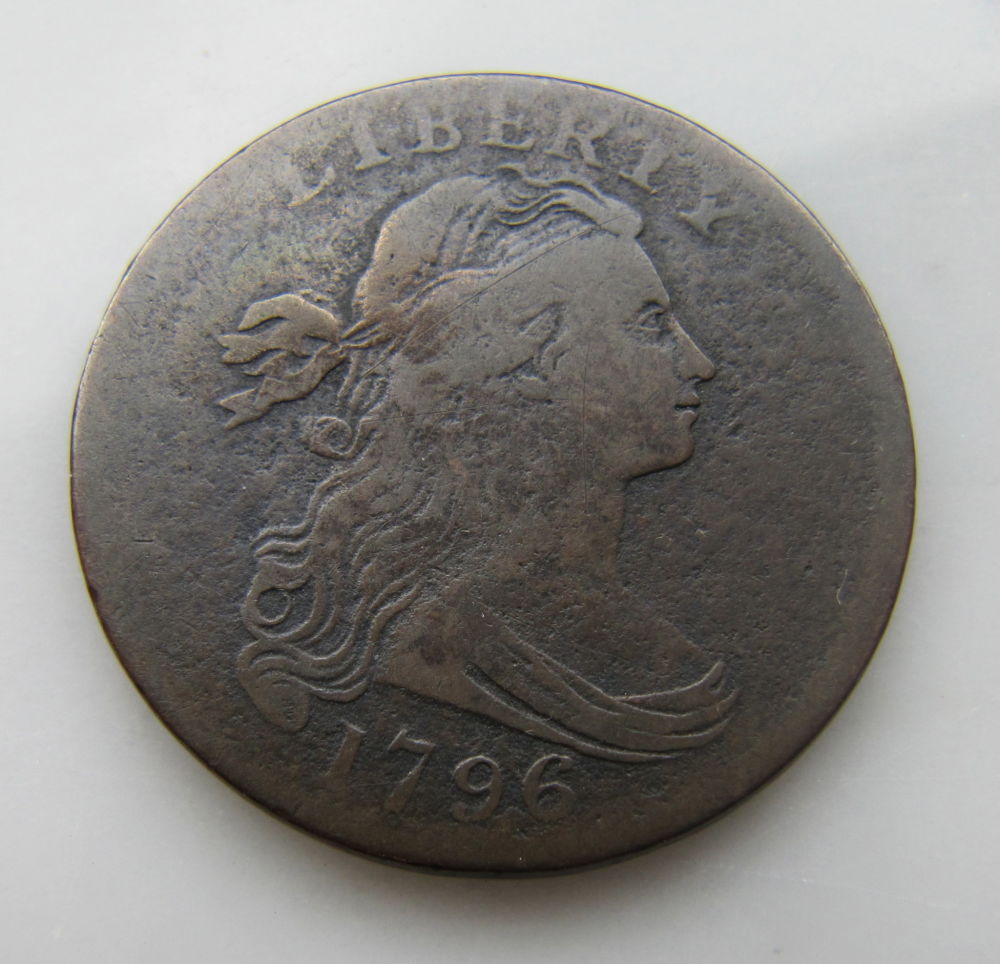 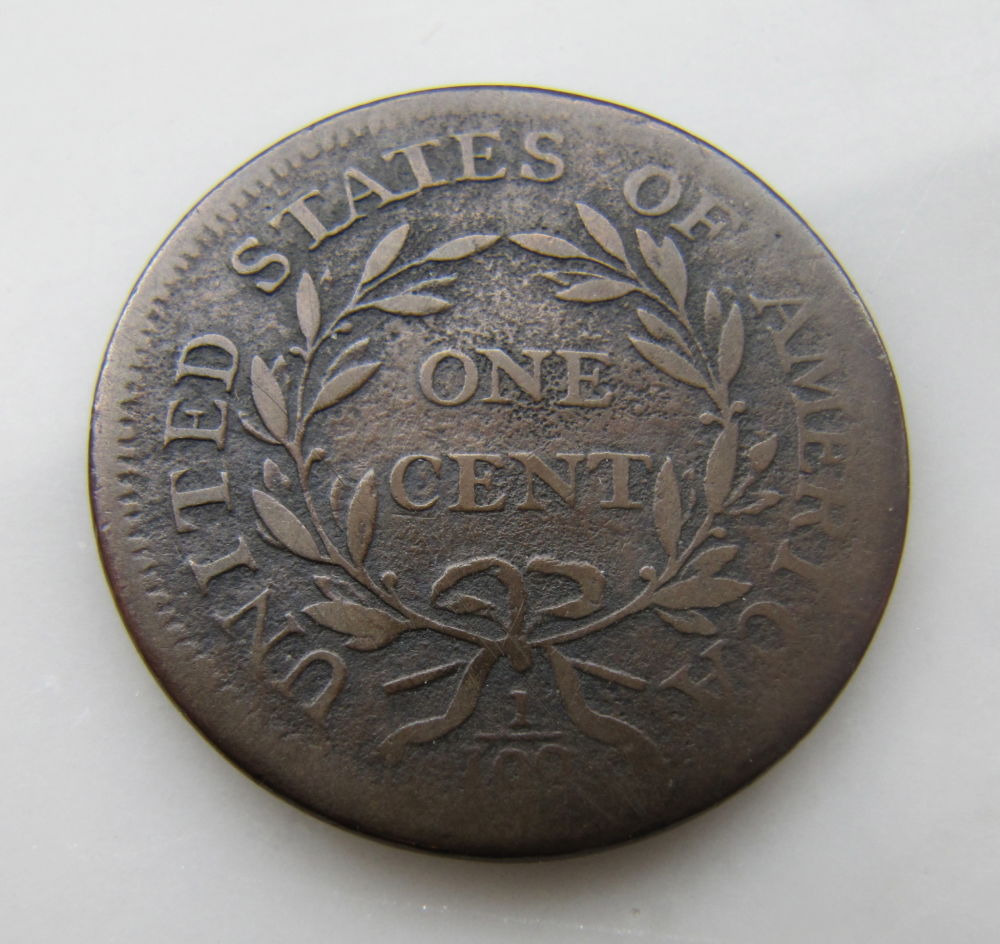 |
|
|
|
Pillar of the Community
United States
1566 Posts |
Wow another great coin GERMANICVS. As far as sharpness I will say that it is a solid F-12. The question is how does one net grade this coin? The porosity is moderate but enough for me to net grade it to VG-8. Once again I'm confronted with a problem that I have and that is the tendency I have to grade rarer coins higher than less rare coins. Is the fact that this is a 1796 affect my grading? This is one of the prejudices I'm trying to overcome as a grader.
|
|
Pillar of the Community
United States
688 Posts |
F-12. As always with your coins, just amazing!
|
|
Pillar of the Community
United States
6478 Posts |
|
|
Bedrock of the Community
 United States
18903 Posts |
What's interesting about this coin is that it exhibits decent detail on the higher areas yet the rims are solidly into the letters. Moderate porosity on both sides and the rim wear I think would net this to VG8. Commenting in celticsoul concerning grading rarer coins. My comment would be to ignore the rarity and just grade the coin for what it is that way your grading will be consistant. Where I have a challenge is not with rarity but with coins where there is known issues with the series such as the 1808-1814 classic heads where planchet issues with corrosion as well as the inferior copper used is quite common. In these cases I tend to be more lenient for some reason.  |
|
Pillar of the Community
United States
7376 Posts |
|
|
Pillar of the Community
United States
1566 Posts |
Quote:
What's interesting about this coin is that it exhibits decent detail on the higher areas yet the rims are solidly into the letters I was just reading Breen's Encyclopedia of Early United States Cents earlier today where he stated that in 1796 and early 1797 the planchets that were used had to have the rims upset at the mint instead of having them already prepared and this led to these issues having weak rims. It's funny that you mention that as I was just reading that today. |
|
Pillar of the Community
United States
8137 Posts |
|
|
Bedrock of the Community
United States
37029 Posts |
|
|
Bedrock of the Community
United States
18903 Posts |
Thanks for the info celticsoul. Most enlightening as to the reason behind this as it defies the logic of typical wear. This then begs the question...does one account for this when grading since since this occurred at the mint prior to striking. You can see in this case I deducted for the rims thinking it wear. I would reassess based on the new data presented and regrade this coin F12 with a net of VG10 for light corrosion
|
|
Pillar of the Community
United States
1566 Posts |
GERMANICVS and I just discussed this last week with a different coin. Weak strikes and mint issues like weak rims don't affect the grade but they do affect the price.
|
|
Pillar of the Community
 Germany
1856 Posts |
I just spent time viewing some 1796 draped bust cents in the HA archives. It really does seem like scarce/rare coins 'get a pass' from the TPGs. This is the way the auction house describes the surfaces of this specimen: ''Surfaces. Dark chocolate with some splashes of deeper steel color, the surfaces exhibiting faint verdigris that is somewhat more prominent on the reverse. Two fine scratches cross each other on the bust and through the hair''. It is a rare variety (S-105), and very desirable,for sure but I would not describe the surfaces so lightly. It is human nature I suppose. 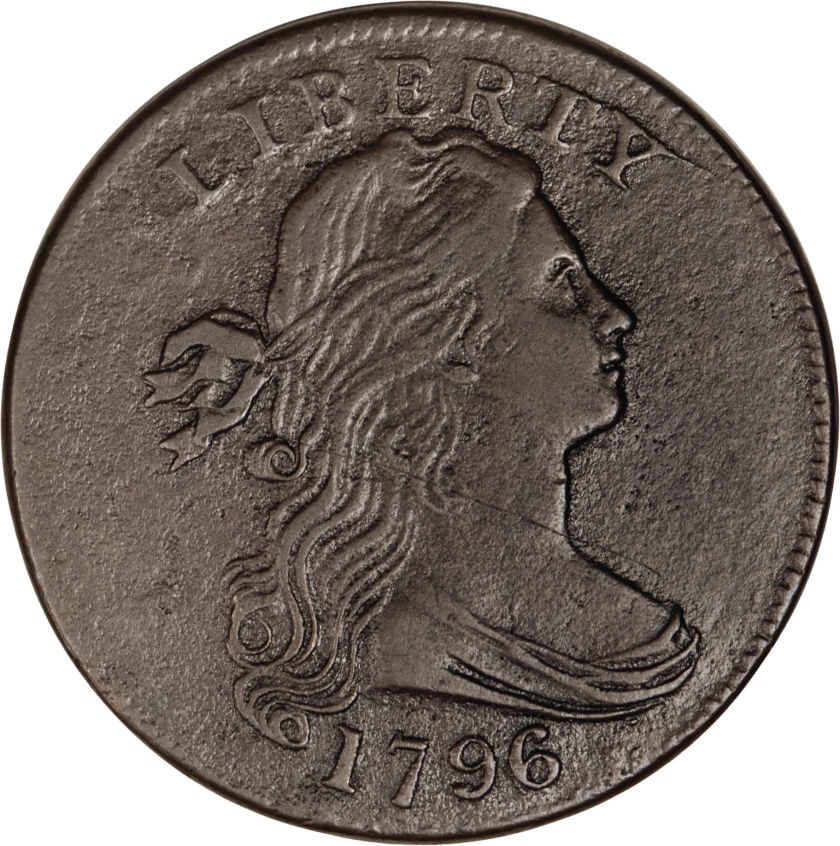 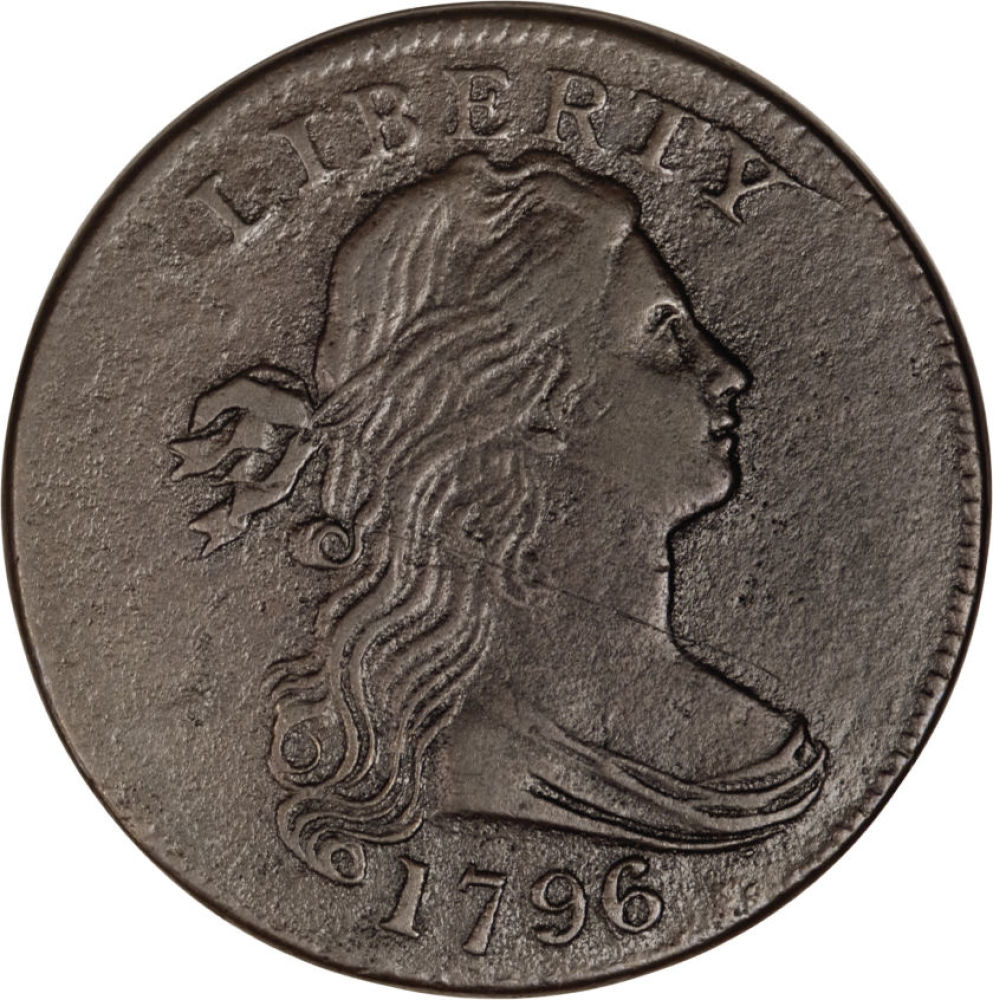 |
|
Bedrock of the Community
United States
18903 Posts |
I would have described those surfaces as moderate to heavy porosity. What's interesting is they don't even mention it at all
|
| |
Replies: 12 / Views: 1,674 |
|





 Posted 04/12/2015 4:09 pm





