| Author |
 Replies: 7 / Views: 1,871 Replies: 7 / Views: 1,871 |
|
|
Pillar of the Community
1121 Posts |
I am having trouble 'attributing' this Probus coin. I believe it to be RIC V Siscia 670 but the Officina letter, in the right field, appears to be 'VI', Is this correct? I am used to 'P', 'B', or even Greek letters, but Roman numerals are new to me. Can anyone help here, please? 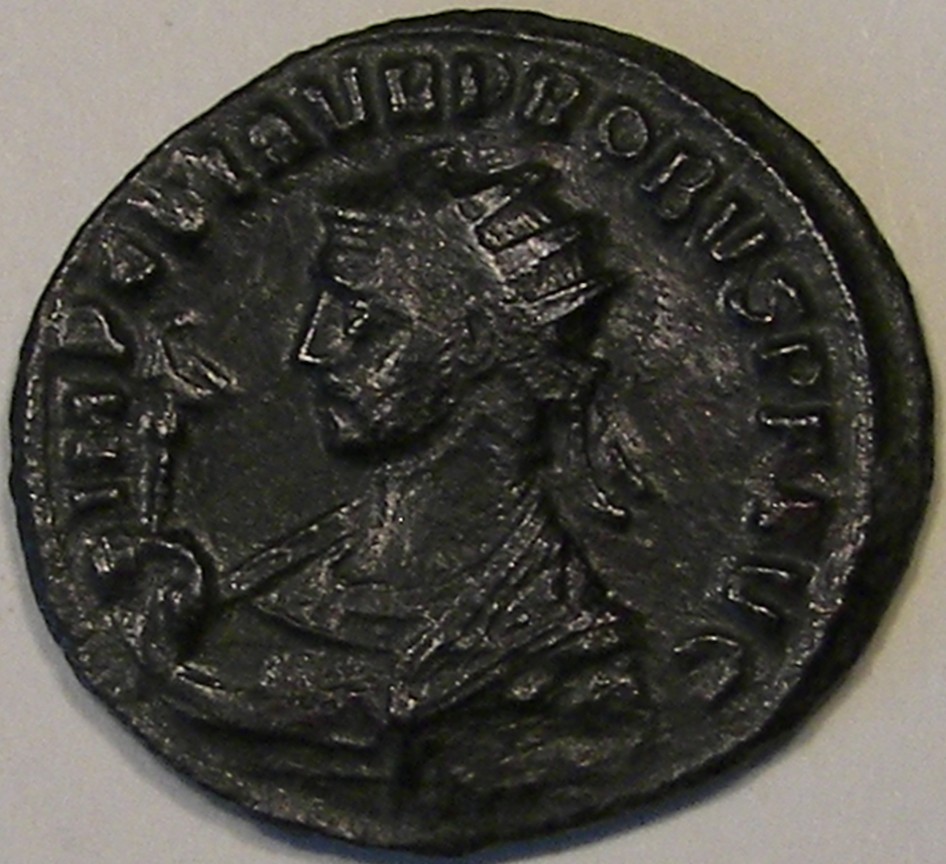 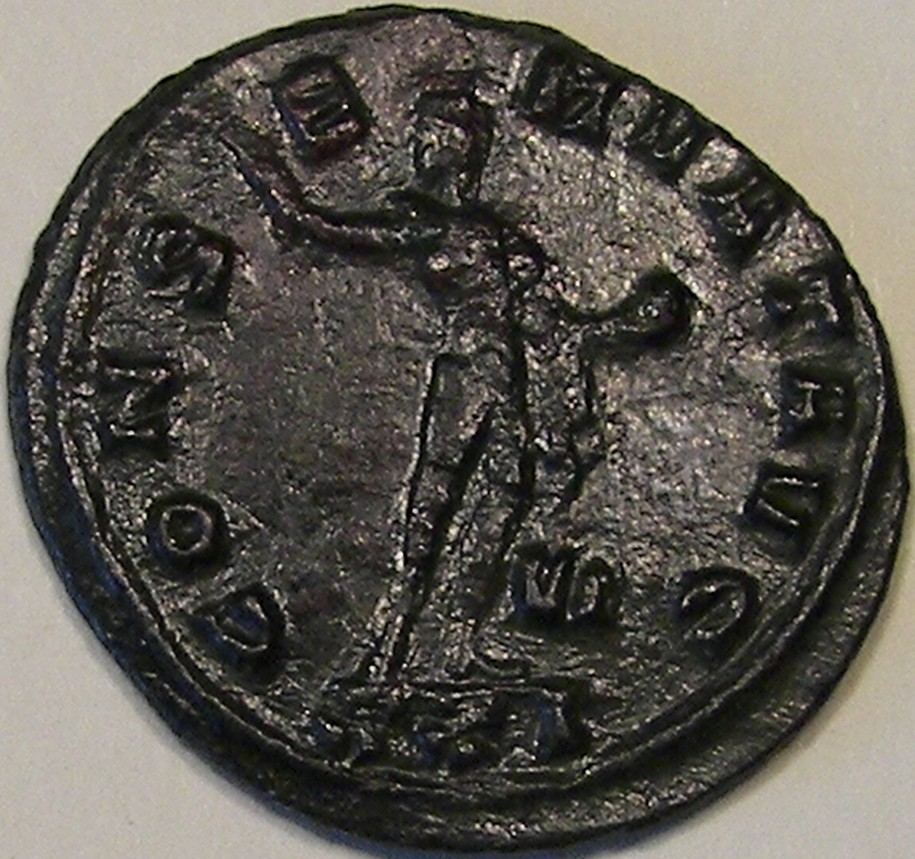
|
|
|
|
Valued Member
Netherlands
409 Posts |
With XXI in exergue and VI in the right field it is indeed Siscia.  |
|
Pillar of the Community
 1121 Posts |
Thanks Eddop. I knew it was Siscia, but I am confused by the 'VI' in the right field as I am used to 'Officina' being alphabet letters or Greek characters, but not Roman numerals.
I wonder if someone can tell me the history/relevance of that, or even to give me the correct 'attribution for this coin? RIC V Siscia 670 has a 'P' in the right field and I cannot find a reference to the Roman numerals 'VI' on this coin.
|
|
Pillar of the Community
Spain
629 Posts |
I - 1
II - 2
III - 3
IIII OR IV - 4
V - 5
VI - 6
VII - 7
VIII - 8
VIIII OR IX - 9
X - 10
XI - 11
XII - 12
XIII - 13
XIIII OR XIV - 14
XV - 15
XVI - 16
XVII - 17
XVIII - 18
XVIIII OR XIX - 19
XX - 20
XXI - 21
XXII - 22
XXIII - 23
XXIIII OR XXIV - 24
XXV - 25
XXVI - 26
XXVII - 27
XXVIII - 28
XXVIIII OR XXIX - 29
XXX-30
|
|
Pillar of the Community
1121 Posts |
Thank-you Athalbert. I do appreciate your assistance, however, I am sorry that I did not make myself clear. I apologise for the confusion.
I have seen Greek letters used as 'Officina'.
I have seen the alphabet used as 'Officina'.
I have never seen Roman Numerals used as 'Officina', but, because no-one else seems surprised by this I shall presume that it is commonplace (normal) and I shall look for an explanation elsewhere.
(I shall presume that my attribution of RIC V Siscia 670 is correct.)
Thank-you, everyone.
|
|
Pillar of the Community
Belgium
1194 Posts |
you have XXIVI in exergue,it is :XXI and VI .
XXI : the coin you have is an aurelianus , it is an antoninianus after the coin reform of Aurelianus, he improved the silver quality of the antoninianus and placed the mark of value : XXI (KA on Greek coins)on the new coins .
VI = 6th officina , on latin coins the first to officinae are indicated by P(rima) = first and S(ecunda) = second and then most of time by numerals .
The inscription on the reverse is : CONSERVAT(ori) AUG(usti)and in the exergue the valuemark and the officinanumber.albert
|
|
Pillar of the Community
1121 Posts |
@ antwerpen - I did not know that you could add the numerals in the 'exergue' to the ones in the 'field' in that way. I have seen (in reference books) the XXIVI but when that did not 'mirror' what I had in the 'exergue' I discounted it and moved on. Thank-you for that 'gem', and the rest of the information. How do we tell an Aurelianus from an Antoninianus, please? We all have to start somewhere. Cheers.
Edited by Topcat7
06/04/2015 5:39 pm
|
|
Pillar of the Community
Belgium
1194 Posts |
Topcat ,I made a mistake , I checked only RIC and by number Siscia 670 :you have to possibilities : in exergue XXIVI or XXI and in the right field the number here VI For the antoniniani of Siscia you have 6 or seven officiniae , your undated coin if of the 6th.
In short for the silver coins in Rome , you have first the victoriatus before about 212 BC , this one is replaced by the denarius at that date , the weight of the denarius was +- stable till Nero , who changed the weight , and from the last quarter of the second century there was a permanent depreciation ,till about 212 AD when Caracalla created a new silver coin with the value of 2 denerii and the weight of 1,5 den.,coin we call the antoninianus after the name of the emperor because we don t know the roman name .As you understand ,the new coin was not a succes and we have to wait till GordianusIII to see a general use of the anton. and the disappearing of the den.With the troubles of the third quarter of the third century , all the silver vanished and the anton. was a simple AE coin.About 270 AD Aurelianus reformed the monetary system and created a new silvered anton,indicated by the number XXI,this coin is like the other named by us after the emperor.This system stayed in use for 25/30 years when Diocletianus made a new reform. We don t know the exact meaning of XXI : they suppose it indicates 20 parts of AE and one of silver , but there are many explications.Albert
|
| |
Replies: 7 / Views: 1,871 |
|










 Posted 06/04/2015 03:35 am


