This is a difficult one to answer, as I'm sure you are aware currencies can fluctuate a great deal even in the short term and over the longer term inflation generally reduces the buying power of any given unit.
The Romans 're-valued' and altered their systems a number of times over the years so the best info we have on what coins were worth in real terms come for contemporary writings.
One of the best of these is Diocletian's edict on maximum prices in 301AD. The following link is an excellent resource on the subject:
http://ancientcoinsforeducation.org.../view/79/98/The full mechanics of the decree have been lost but it was a partial attempt to standardise prices in the Empire and reduce inflation. It ultimately failed, it may have even caused greater inflation but what it gives us is an incredible snapshot of economic life in the Empire at the beginning of the 4th century.
https://en.wikipedia.org/wiki/Edict...ximum_PricesI collect coins from this very period (give or take 5 years) so I found it fascinating. I was particularly interested in what a soldiers life would be like and discovered the following during my research:
Soldier's lot in 301ADBasic Pay:1800 Denarii
Donative (4 per year): 2500 Denarii
Grain Annona: 600 Denarii
Total remuneration: 12400 DenariiSo that is
12 of these:
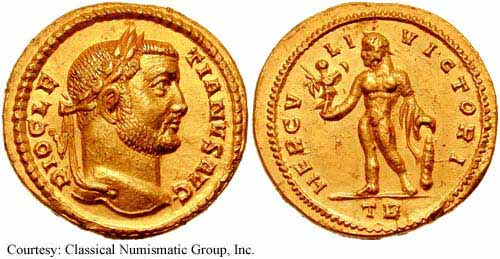
...or
250 of these:
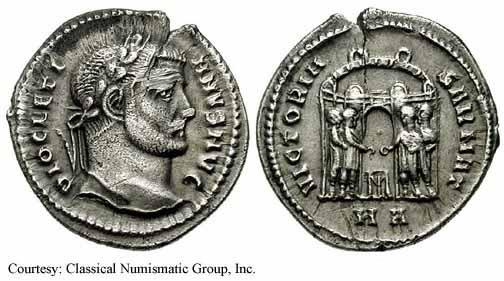
...or
1000 of these:
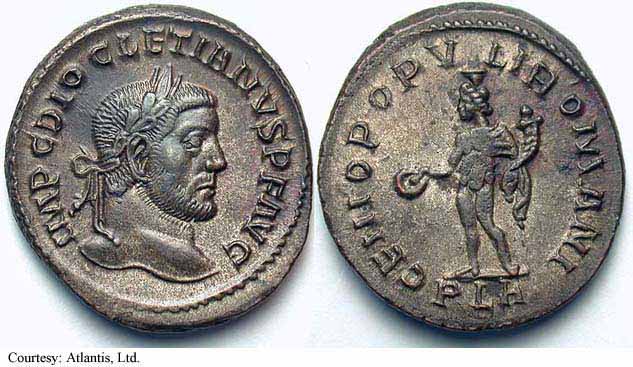
...or
5000 of these:
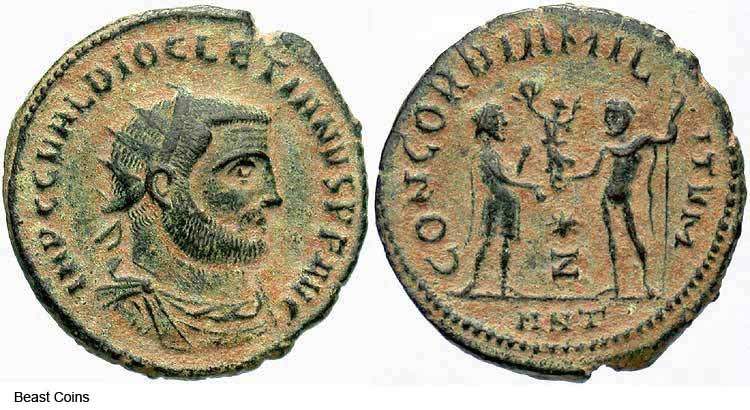
Admittedly some additional extras would be paid in grain or equipment but compare this to an average unskilled labourer earning just
7500 denarii a year and soldiering starts to look OK.
1000 denarii a month was pretty good. A pound of sausages and five glasses of Egyptian beer was only
20 denarii. Celtic beer was twice the price of Egyptian costing 4 denarii, the measures would have been 1 sextarius or 1.1 Pints.
For those with more discerning tastes a fattened goose and a pint of spiced wine would set you back
224 denarii, weeks pay!
A soldier's winter tunic and a pair of shoes would cost
150 denarii. Getting a haircut to finish off your dapper look would cost only
2 denarii.
A scribe would charge you
1 Denarius for about 6 lines of text so sending a letter home was not too bad, whoever you sent it to would probably have to pay someone to read it to them though.
White silk (per pound) would cost a soldier his entire yearly pay, purple silk would cost
150000 denarii and could only be used at the direction of the Emperor.
These figures can't really help you with your 350AD Fel Temp but do paint a vivid picture of 50 years earlier.







 Posted 07/08/2015 1:12 pm





