| Author |
 Replies: 15 / Views: 1,616 Replies: 15 / Views: 1,616 |
|
|
Valued Member
335 Posts |
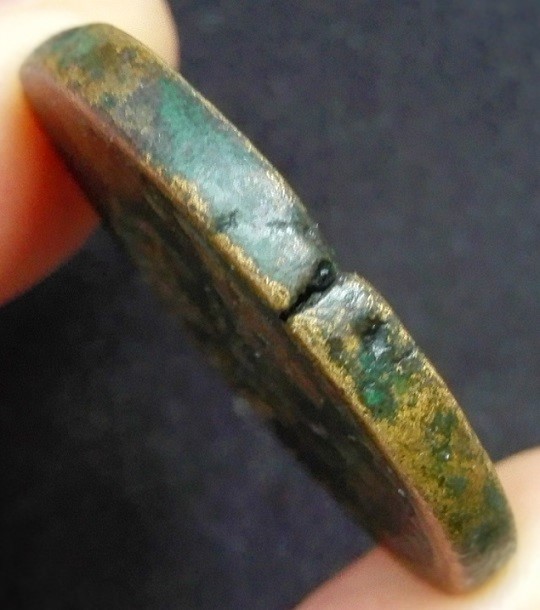
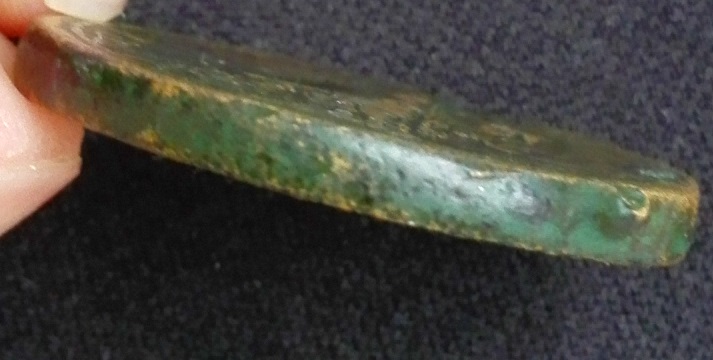
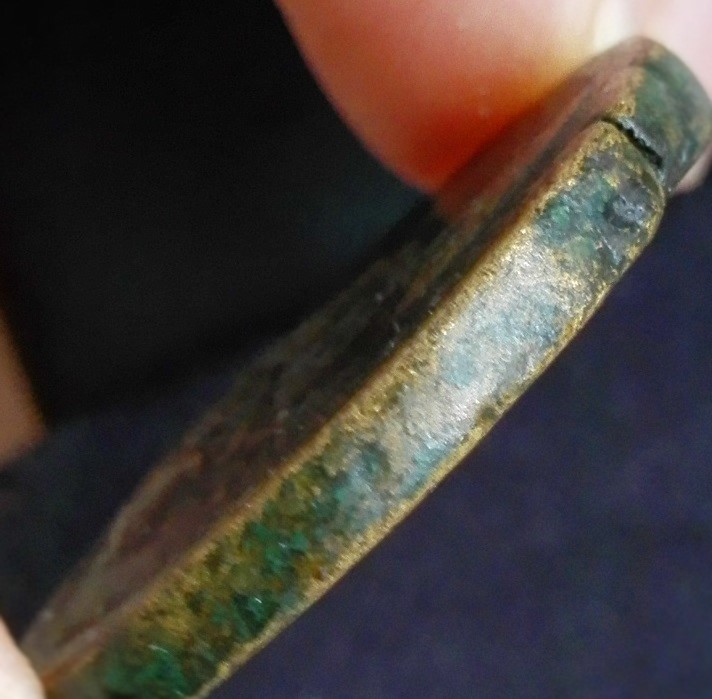
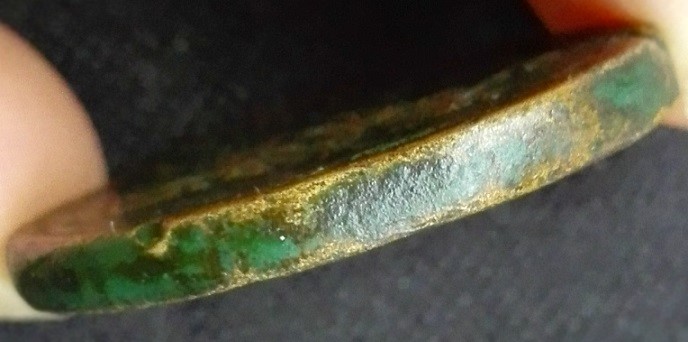
hey, Is this a cast a bought this in my beginning years. 24.0g/33mm Thanks 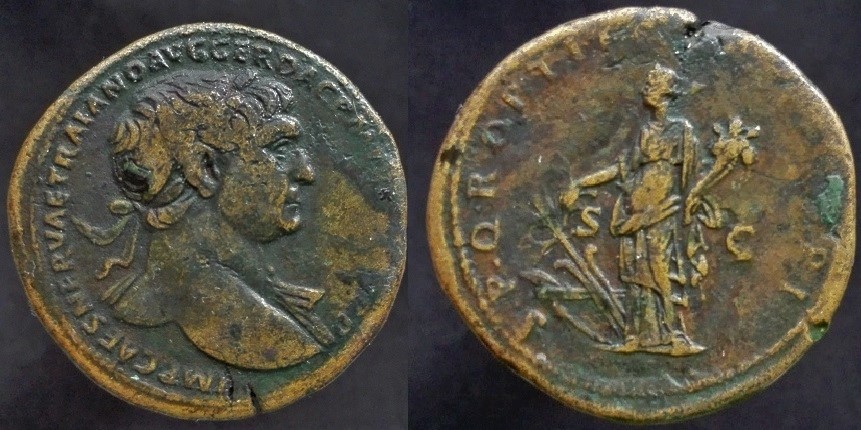 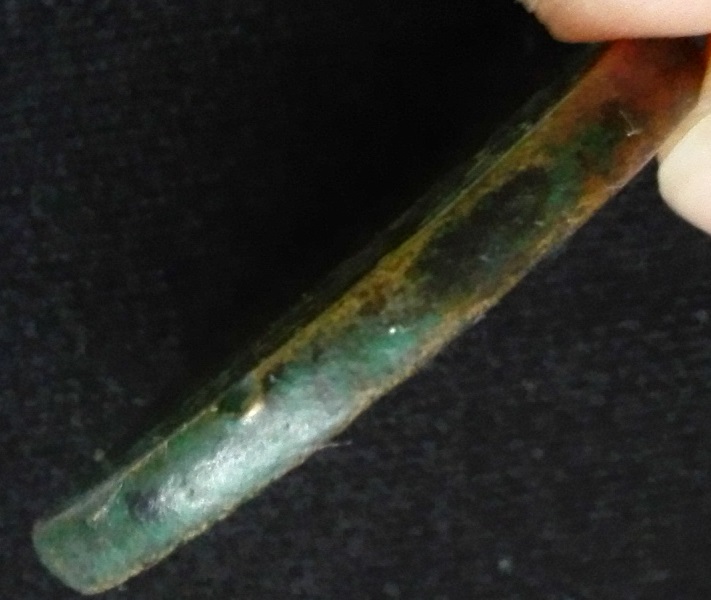 Edited by imperator
08/18/2015 02:27 am
|
|
|
|
Pillar of the Community
Spain
629 Posts |
I think that this coin is not a cast, but I need mor images of the edge...
|
|
Valued Member
 335 Posts |
Edited by imperator
08/18/2015 04:12 am
|
|
Pillar of the Community
Spain
629 Posts |
It´s a genuine coin; not cast at all.
|
|
Valued Member
335 Posts |
 wow Thanks what a great coin |
|
Moderator
 United States
23731 Posts |
It looks fine to me also.
|
|
Valued Member
335 Posts |
Men that face he look very mad Edited by imperator
08/18/2015 12:51 pm
|
|
Bedrock of the Community
Australia
21792 Posts |
It is not a cast coin.
The flatened area on the edge is just an edge bump, probably sustained as a result of falling on a hard surface.
The edge splits indicate that the coin was struck, not cast.
If you look INSIDE those radial edge cracks with a 20x loupe, you should find signs of tensile metal distress failure, which is a typical feature of a struck ancient coin. The inside surfaces of the cracks should be quite rough; this is a feature that is impossible to reproduce with casting.
|
|
Valued Member
335 Posts |
Thanks, thats nice to hear |
|
Pillar of the Community
Netherlands
1204 Posts |
why would you think it is a cast? Dont see anything disturbing with it.
|
|
Bedrock of the Community
United States
94367 Posts |
|
|
Valued Member
335 Posts |
I dont know the color, thats whye and all the details are so perfect from fortuna
Edited by imperator
08/18/2015 4:03 pm
|
|
Bedrock of the Community
Australia
21792 Posts |
The colour is quite OK; this coin was made from the Roman orichalcum,
otherwise known as brass, which is a yellow alloy of copper and zinc.
That is why large Roman coins are sometimes referred to as 'first brass'.
|
|
Valued Member
335 Posts |
Thanks al, for the great help 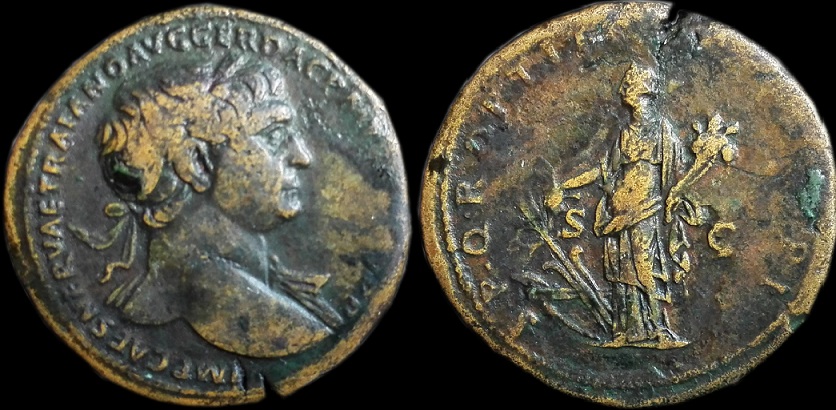 |
|
Pillar of the Community
United Kingdom
2624 Posts |
Things to look out for when trying to find if a coin is cast are:
Porosity - If the metal is not exactly the right temperature small bubbles appear which can often be seen.
Cast lines - where the moulds join together usually leave a hair line running all the way around the edge of the coin.
Sprue bump the channel where the metal is poured into the mould leaves a lump of metal sticking out which must be cut off and filed smooth. Often this will leave a piece sticking out or if over enthusiastically removed a flat spot.
Also casting can only reproduce a certain level of detail since the metal is not fully viscous and will not run into very fine channels.
What you have there shows none of these signs, it looks like a nice coin :)
|
|
Valued Member
335 Posts |
Thanks |
| |
Replies: 15 / Views: 1,616 |
|





 Posted 08/18/2015 03:58 am