| Author |
 Replies: 9 / Views: 1,430 Replies: 9 / Views: 1,430 |
|
|
Valued Member
United States
264 Posts |
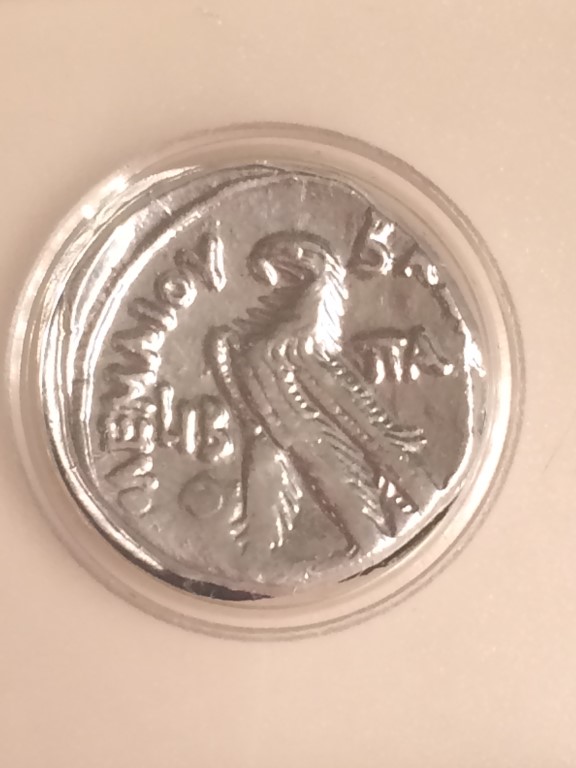 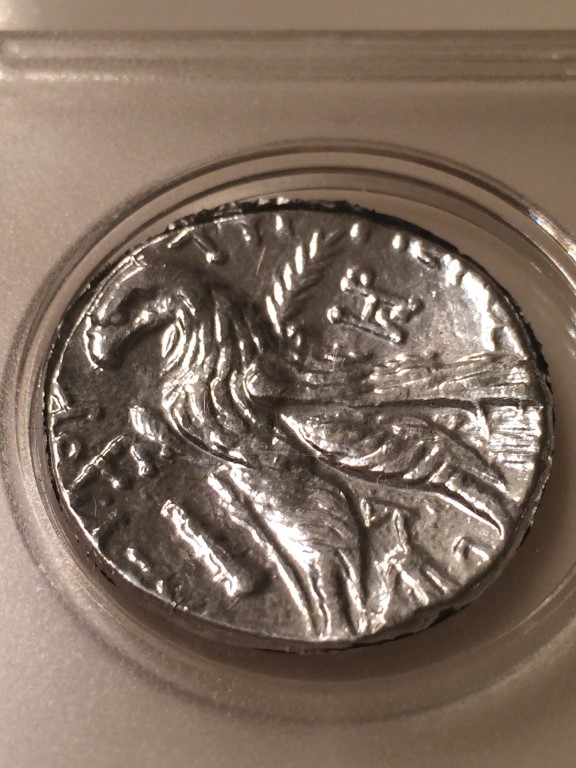 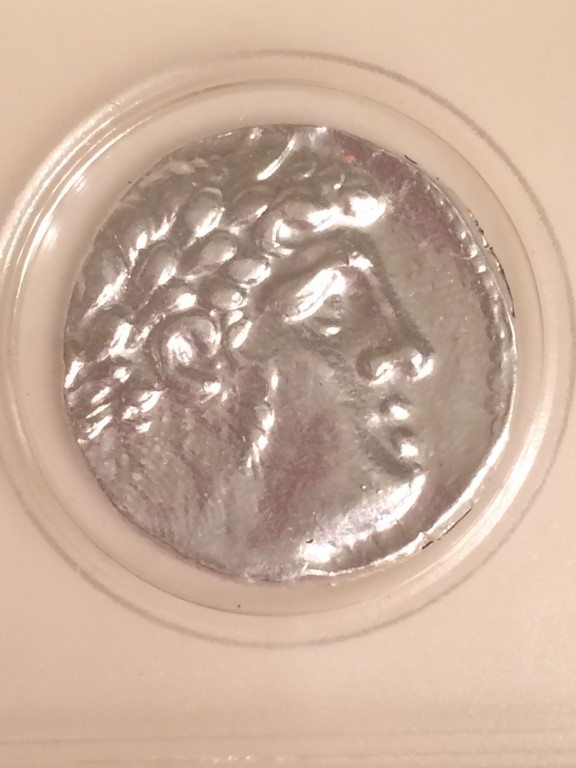 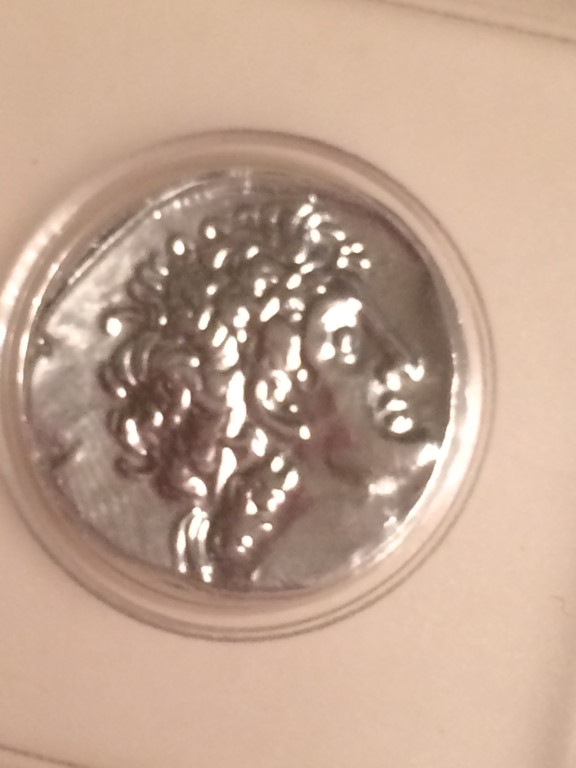 *** Moved by Staff to a more appropriate forum. *** *** Moved by Staff to a more appropriate forum. ***
|
|
|
|
Pillar of the Community
Belgium
2895 Posts |
they looks like round metal discs  (sorry I do not know, perhaps greek? If they are real....The rim does say they are not) Edited by Petrus
08/19/2015 6:18 pm
|
|
Moderator
 United States
23731 Posts |
They appear to be tetradrachms of Ptolemy XII and I believe Ptolemy II. I can't be sure if they are genuine without seeing better pictures of the coin removed from the capsules.
I'm going to move this over to the Ancient coin section for more comments.
|
|
Valued Member
 United States
264 Posts |
Too funny. I decided to actually open the coin holders after Petrus's comment regarding the edges. What I found were tin foil coins, which I am assuming were impressions of actual coins. Not sure what purpose they were meant to serve. Just proves, you can never be too careful. These were in my inherited collection, so maybe I should keep looking for the originals. |
|
Pillar of the Community
Canada
4227 Posts |
That's kinda cool ... looking at them I thought the edges looked like tinfoil, but had never heard of such a thing before.
|
|
Pillar of the Community
United States
7067 Posts |
Somehow just seems wrong to have Roman motifs on Hannukah gelt.
|
|
Pillar of the Community
United States
5010 Posts |
is there a safe deposit box or something like that you also inherited? maybe they kept the real thing hidden stored away somewhere and just kept that on hand. |
|
Valued Member
United States
264 Posts |
I did actually find one of coins. I think maybe my Aunt did not want to carry the actual coins to a show or something. Can anyone suggest the best way of getting them authenticated?
|
|
Pillar of the Community
United Kingdom
2624 Posts |
Take some photo's and we will offer our opinions... failing that take them to a coin dealer to have them appraised.
|
|
Pillar of the Community
United States
949 Posts |
The first two second and third look like rubbings from reverse and obverse of a Tyrian shekel reduced to the half shekel module. If so this might have a direct Jewish connection as Temple currency. That would have been appropriate as gelt and might explain why they were made and preserved.
The first and fourth examples look like a rubbing from a Ptolemaic tetradrachm, but I can't tell who issued it.
Edited by lrbguy
08/26/2015 5:02 pm
|
| |
Replies: 9 / Views: 1,430 |
|








 Posted 08/19/2015 6:43 pm


