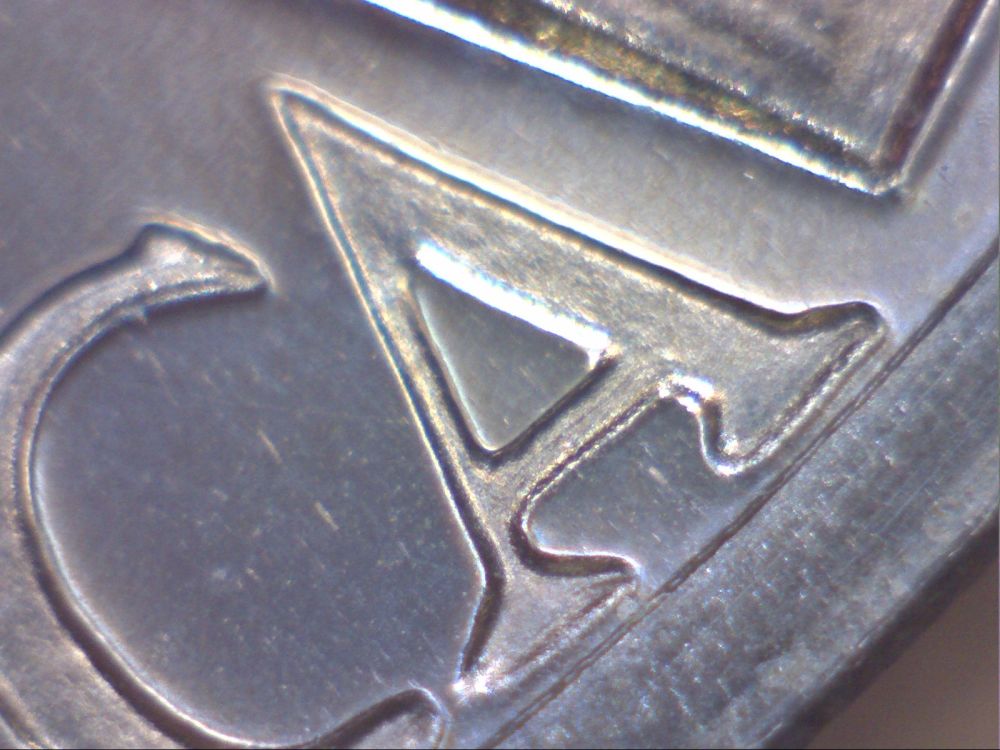
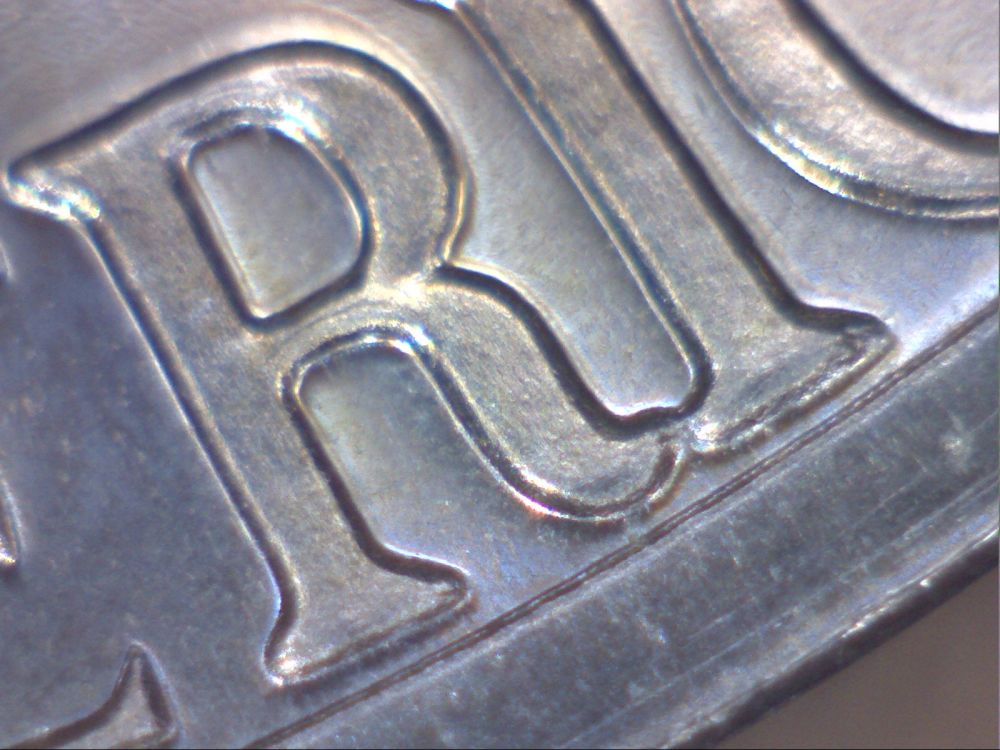
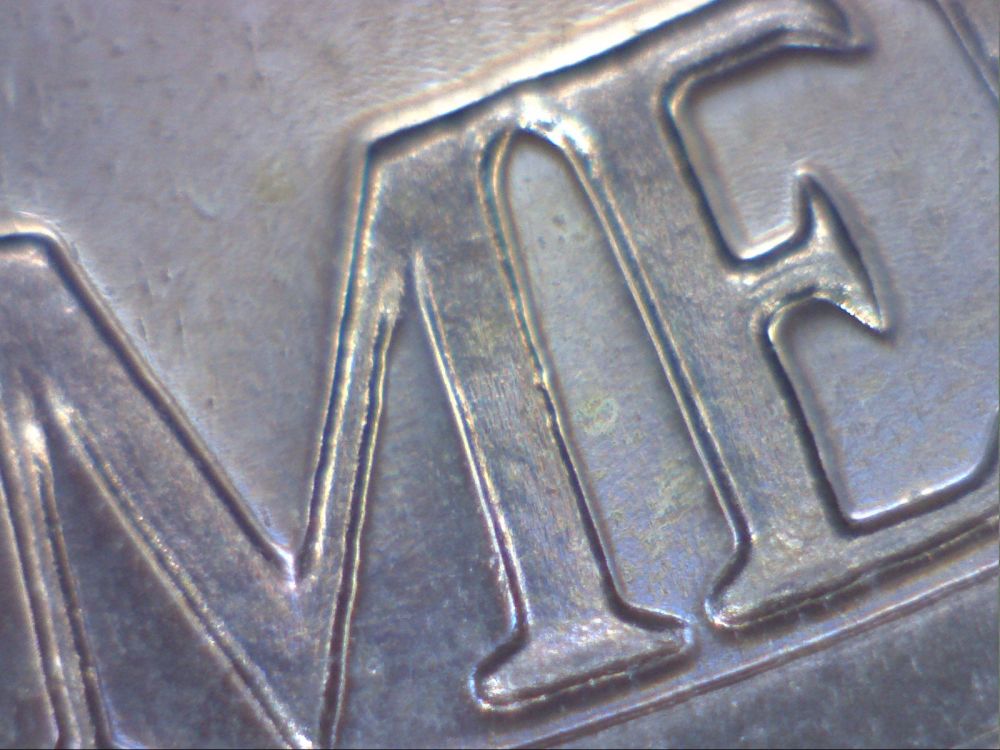
I don't mean to beat a dead horse

into the ground, but now that I finally know what I discovered in a 1971 proof set last year, I would like to know just how rare(if at all) this proof variety nickel actually is!
It is officially listed in the Wexler Files as WDDO-004 / WDDR-004 (
DDO /
DDR) that also exhibits the most profound, extraordinarily unique, "die marker" that I have ever seen on any other variety, especially a proof!
For those who have not seen my previous thread on this nickel, check out the link to it below.
https://goccf.com/t/196147Here is my very unique proof nickel.
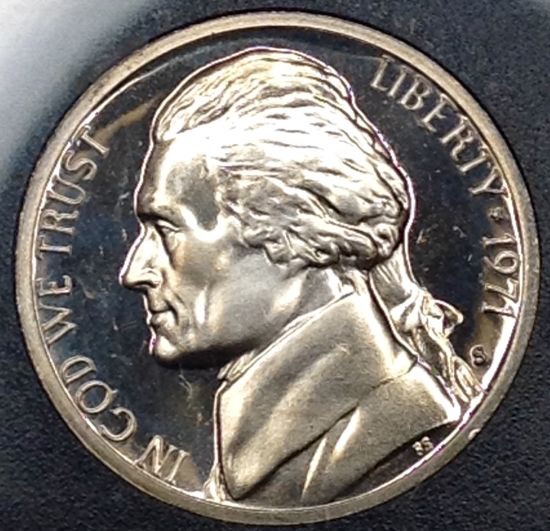
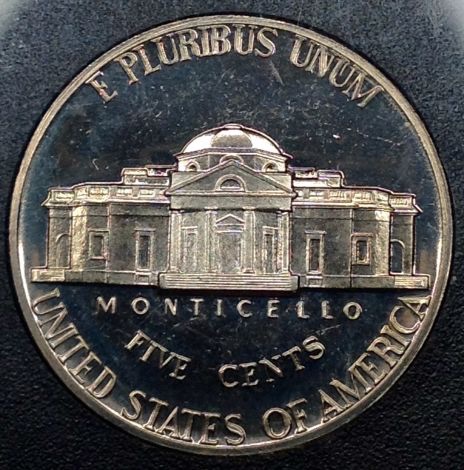
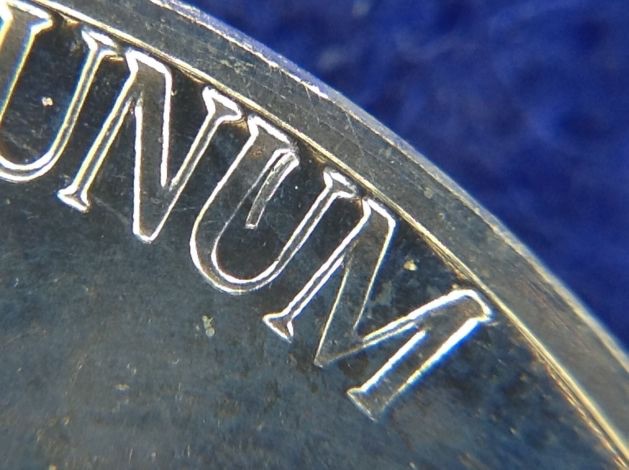
And here are both of its official attributions.
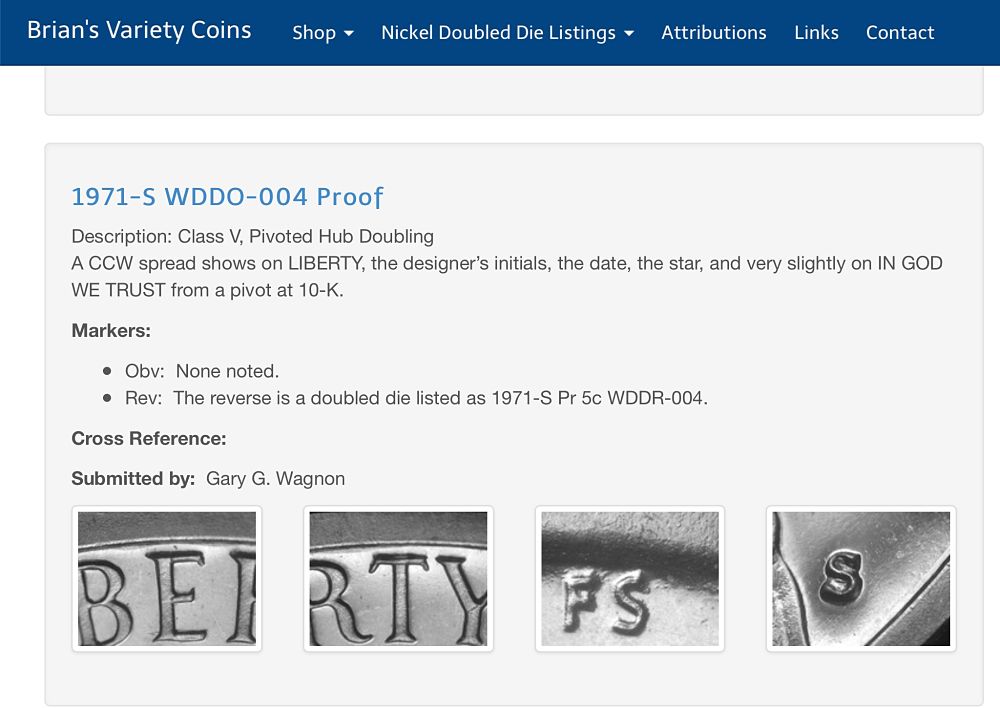
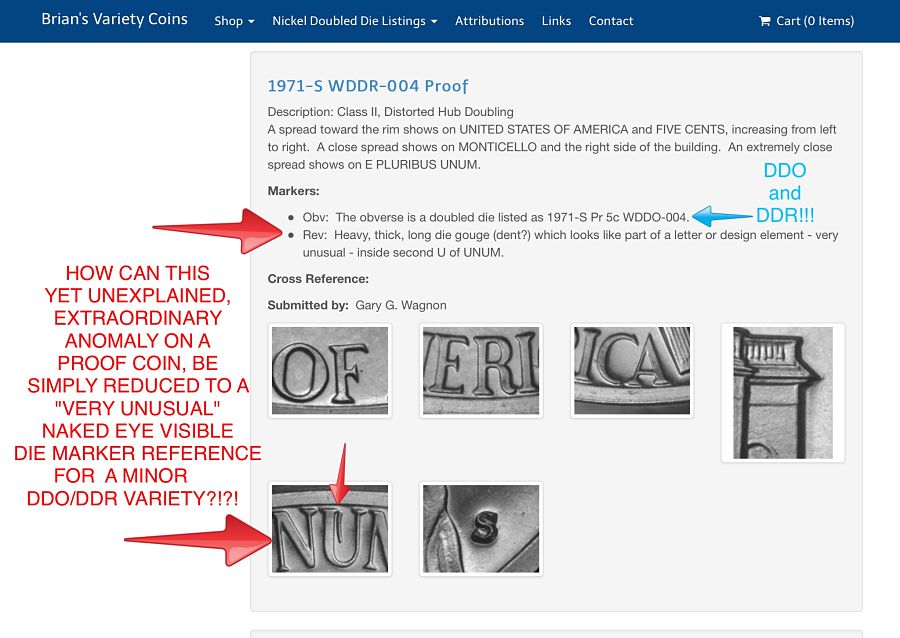
Through extensive research by myself and a fellow collector (that also found an identical example of this proof nickel variety), we have determined that including ours, there are only eight (8) examples of this proof nickel variety currently known to exist.
And I believe that Condor101's post in my previous thread, in which he elaborates on the proof minting process in great detail, as well as the likely scenario that created this unusual variety, to be the most logical and plausible explanation for this unusual variety thus far.
Quote:
Because it probably was a one time anomaly that created a single defective proof die. Then consider that proof die life was probably less than 10,000 coins (today it is closer to 3,500.) Then also consider that the proof coins ARE inspected. The bad die was probably found fairly quickly and pulled along with all the specimens from that die they could find. That would mean that a very few coins actually got out. Say 100 got out, they made 3,220,733 sets. That's 1 coin in every 32,200 sets or .003% of the mintage. Anyway who was looking at the reverses, they were all looking for the missing S nickel. If the S was there they ignored the coin any further. (As a rule most collectors only bother looking for what has already been discovered and reported.)
Especially the last part about all the hype created by the highly publicized "1971-No S" proof nickels, which in all likelihood, gave collectors "obverse tunnel vision" and as a direct result, it left no real incentive for collectors to even examine the reverse.
In my opinion, the undeniable, naked eye visible, attention grabbing anomaly which has yet to be explained and simply labeled "die damage" should be the focal point of the variety and not just mentioned in the footnotes of the listing as a "very unusual die marker" for this minor
DDO /
DDR proof.
Correct me if I'm wrong, but wasn't the highly publicized and highly collected 2004-D Wisconsin
State Quarter -Extra Leaf High / Low Variety, (attributed & slabbed by all the top tier
TPG companies by the thousands, and to date, still command high premiums) ultimately determined to be caused by a similar naked eye visible die gouge or dent?
In my opinion, the only difference being that those occured in more recent years, on mass produced business strikes, not on proof strikes from the early 1970's, which are minted on a much smaller scale in comparison, and with much higher QC standards, as coins were supposedly examined by hand before being allowed to leave the mint.
So please, if you have 1971-S proof set in your collection or one filling the hole in your Dansco #8113 album, and you wouldn't mind, take a closer look at the reverse of the coin for me and let me know if anyone finds an example of this extraordinary variety!
I would also like to hear your theories as to what type of "die damage" that could have occurred to create this very unusual, highly symmetrical and purposeful looking "die marker" found to be positioned perfectly vertical in relation to the uprights, inside of the second U in UNUM.
Any other thoughts, opinions, or working theories as to the origin of this variety are welcomed and highly encouraged!
Thanks!







 Posted 11/03/2015 6:34 pm





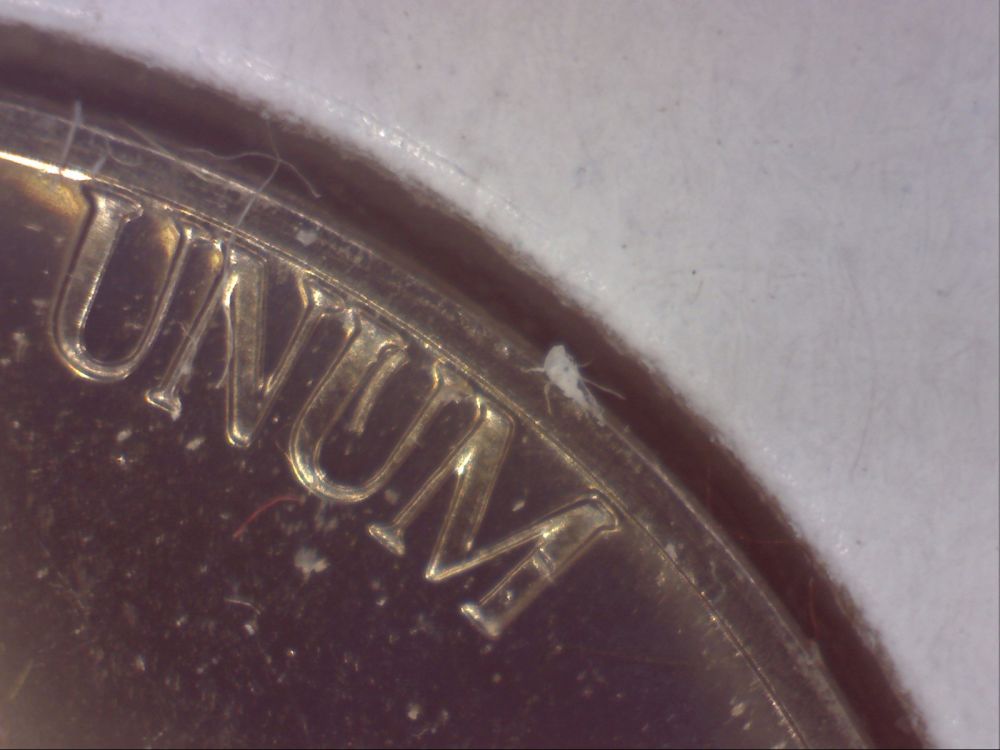


 It immediately catches your eye as soon as you turn the coin over to examine it! Not to mention it's on a Proof coin!