| Author |
 Replies: 12 / Views: 1,814 Replies: 12 / Views: 1,814 |
|
|
New Member
United States
4 Posts |
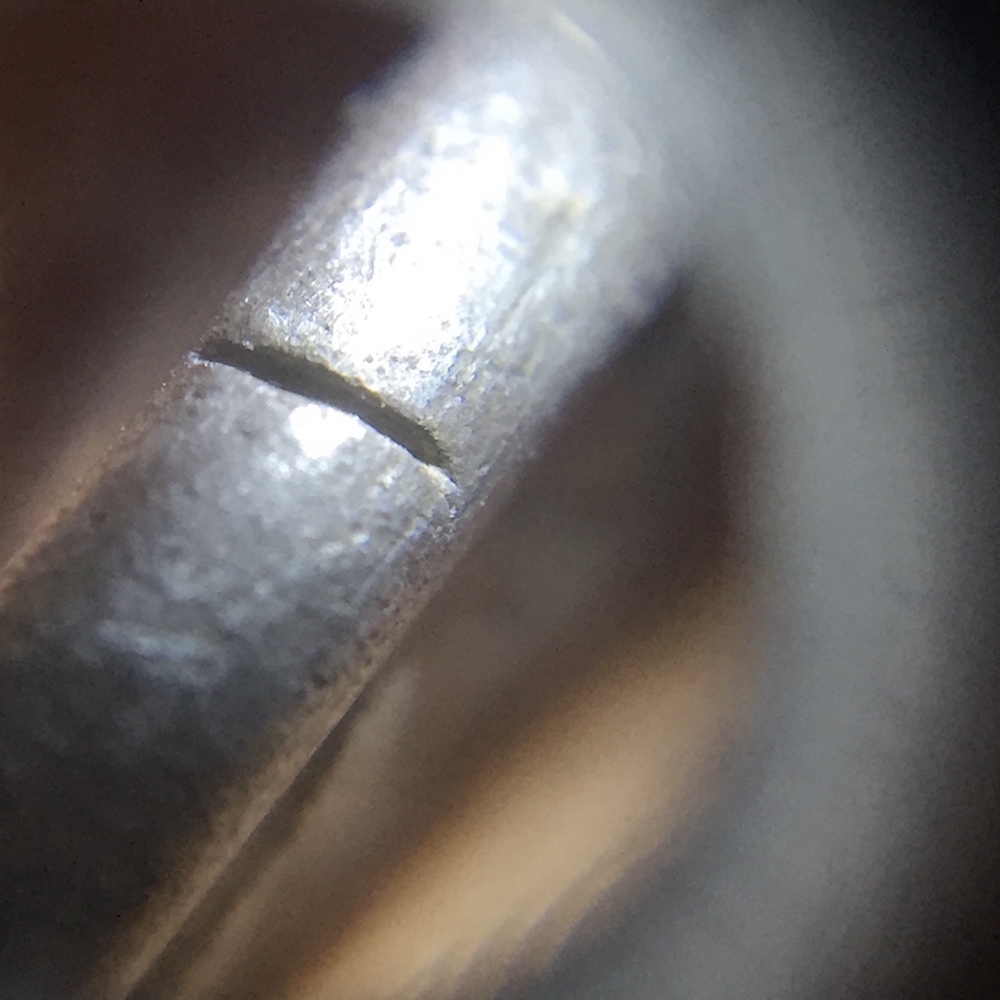
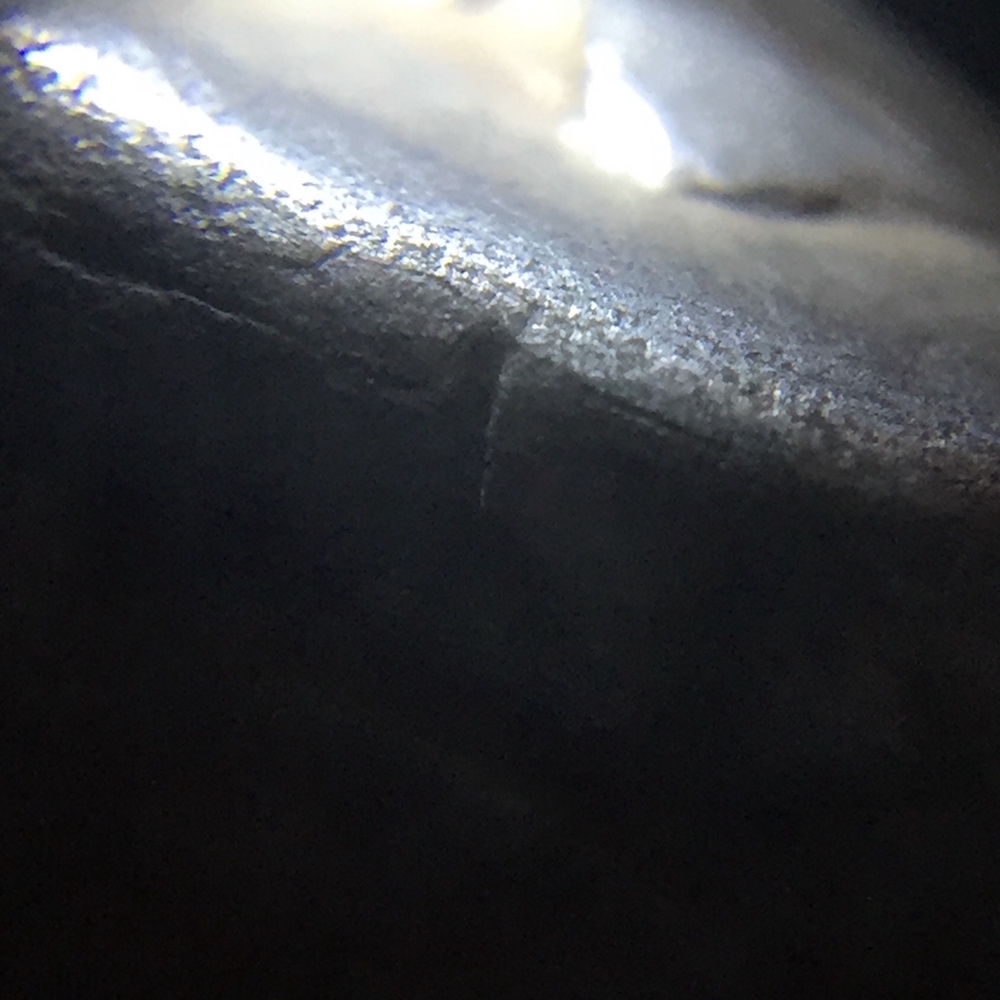
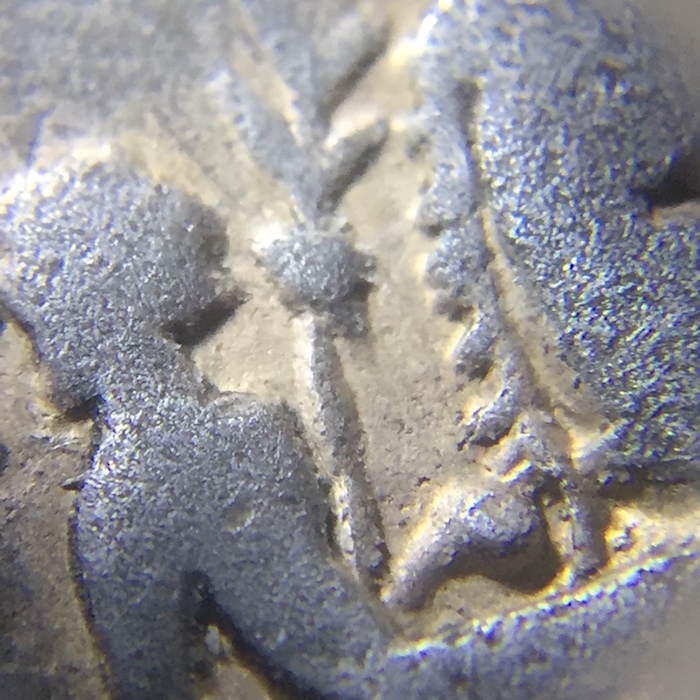
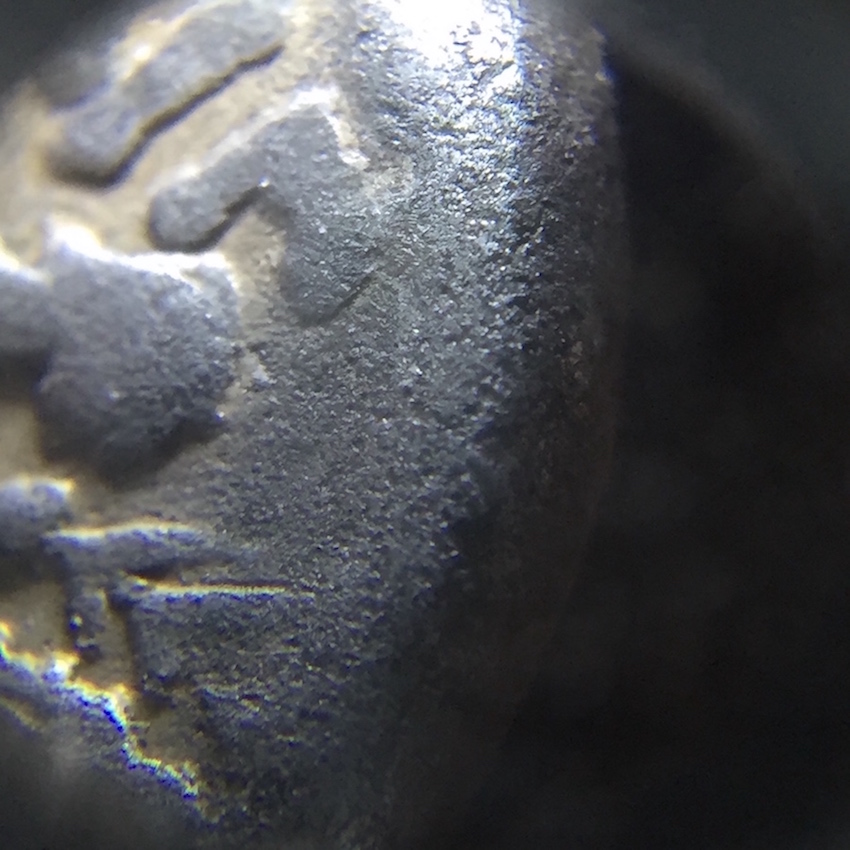
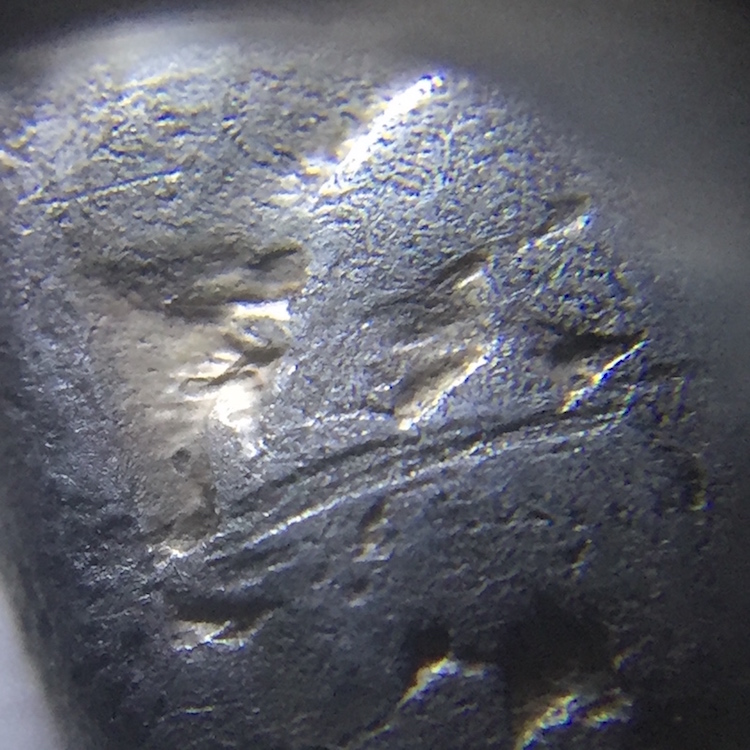
Hello, I've had a modest coin collection for some time, but recently purchased an undescribed (by the seller) Greek silver coin on a whim. A little research pinned it as a silver tetradrachm featuring Philip II of Macedon, minted between 359-336 BC, based upon similar coins (my own conclusion). The coin weighs 13.84 grams. It's a fairly common design, although I did not see any with identical characters beneath the 'youth on horseback'. Admittedly, I did not finish checking every image on this page: http://www.wildwinds.com/coins/gree...ip_II/i.html. - I might get around to that this weekend. After a close examination of the coin, some aspects of the patina and wear are putting me off, so any input from more experienced folks would be greatly appreciated. I don't see any obvious casting pits, but the surface of the coin appears to be chemically cleaned, which makes me think that any such features might have been erased. The details on the coin also appear fairly crude; the youth on horseback has simple raised bumps for hands, there is no apparent detail in the horse's tail, etc. But that might just be due to wear (?). There is some odd texturing going on in the crevices on the coin, which I might be able to photograph if needed. Photos are below. Thanks for any help -- it is appreciated. I think I might still be able to get a refund if it doesn't check out.. 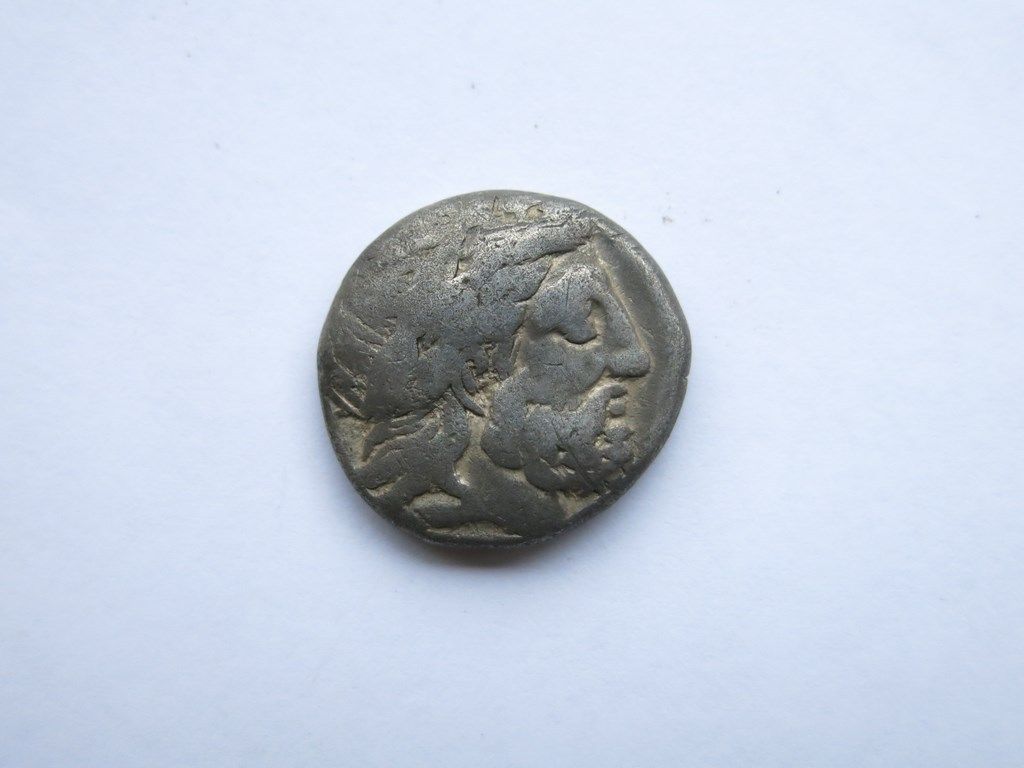 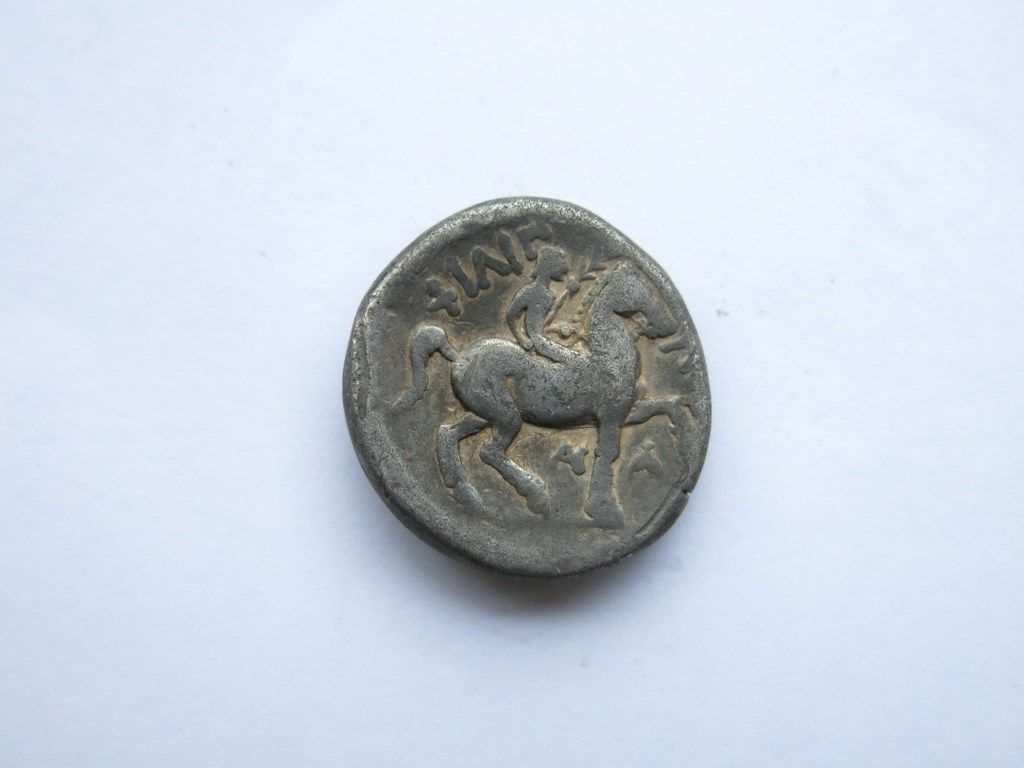 Edited by renumeration
03/01/2016 04:44 am
|
|
|
|
Bedrock of the Community
Australia
21789 Posts |
If coin the appears color correct on my screen, the patina color does not equate with either a silver or a bronze coin.
It reminds me of a billon coin with a lead admixture.
XRF testing at a bullion dealer would help with a diagnosis.
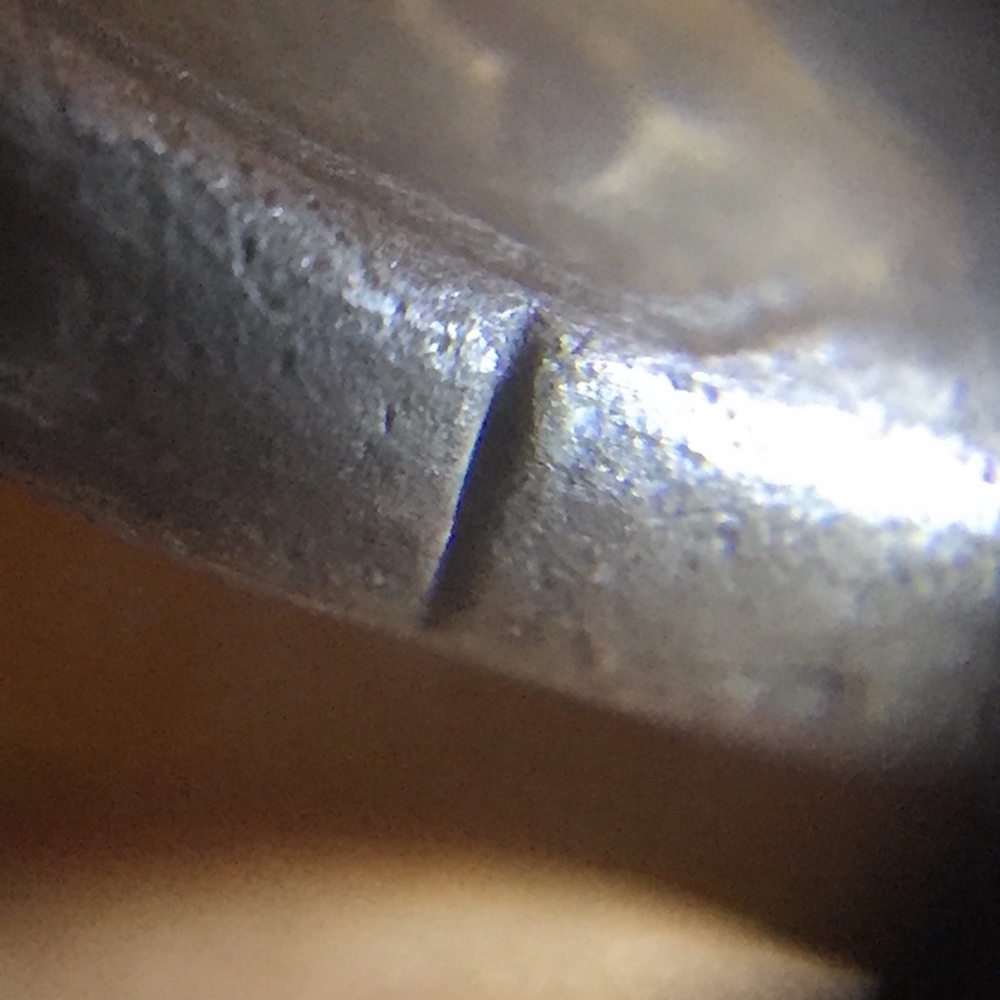
Have a close look with a loupe, inside that tiny radial crack that appears on the reverse (4 o'clock), examining it for split metal distress. If the crack is not sharply defined there is an indication that this piece could be cast.
|
|
Pillar of the Community
United Kingdom
2624 Posts |
The porosity at the top of the reverse could also be another sign it is cast, though it is not a definitive proof.
|
|
New Member
 United States
4 Posts |
|
|
Pillar of the Community
United States
3449 Posts |
Excellent close ups !
I see a very granular appearance to the silver. Silver of Philip should be of high quality. As mention previously by sel I see the crack has a worn look about it.
Additionally I see that there is a surface patination in the areas of detail. It rather looks like paint to me !
I am inclined to give this one the thumbs down.
But that is also reflecting my mood of late.
I would have made a good (I mean bad !) emperor !
|
|
Moderator
 United States
23731 Posts |
 to the community The coin is supposed to be Sear 6684, but It doesn't look right. The weight isn't too far off what it's should be, but I agree with the others the coin doesn't look silver. The rough service and color does make it appear to have a high lead content. The cut along the edge is supposed to be a test cut but that can easily be faked. |
|
Bedrock of the Community
Australia
21789 Posts |
Excellent micrographs! Thankyou.
Before I saw echizento's comments on the edge crack, I had already formed similar thoughts.
I am very disinclined to 100% say if a subject piece is authentic or not from pictures alone, but they are a powerful diagnostic tool, when many (such as us) can share them via the CCF.
|
|
New Member
United States
4 Posts |
Edited by renumeration
03/01/2016 4:54 pm
|
|
Pillar of the Community
United States
3449 Posts |
Not an expert but
Yes I would believe a close match would be a very good indicator.
Although not entirely definitive !
I earlier made reference to learning a little bit about casting.
Back in the early 90's I found myself unemployed for about a year.
The local paper ran an article about how unemployed persons were eligible to take free classes at the Worcester Center for Crafts.
I signed up for a jewelry class and had so much fun I took several over a period of years. I made some interesting silver castings and (of course) the idea of becoming an infamous forger could not help but occur to my twisted mind !
My good friend Lou provided me with some worn bronze disks (Sicilian AE's). I reasoned the biggest obstacle would be having the appropriate alloy ! Well much to my disappointment I found out that casting bronze requires special alloy.
The results were very disappointing !
Since your coin appears to be a reasonably successful silver casting I believe the test will show the wrong proportions of elements.
But it won't be really definitive as silver is much easier to pour.
You may need to look for really minute trace elements like cesium or even radio active iodine. Things that came out of the nuclear age and even the Chernobyl and Fukushima disasters
Edited by FVRIVS RVFVS
03/01/2016 6:36 pm
|
|
Pillar of the Community
United States
3449 Posts |
As your coin is not in the 10k tetradrachm league I believe no one would go to extraordinary length to get the alloy exact.
|
|
Pillar of the Community
Australia
1006 Posts |
|
|
Bedrock of the Community
Australia
21789 Posts |
G'day, F R, we are complimentary ! - I am a gem factor.  Have lots of fun with gem rough yellow sapphire from Anakie (Central Queensalnd), cut about 80 stones so far, mainly of my own design. |
|
New Member
United States
4 Posts |
Hey, guys. Back with EDS spectra! I purchased two coins. As I suspected, the one I believe to be real (good detail and patina) seems to check out. All trace elements look good for that one, especially those copper peaks: 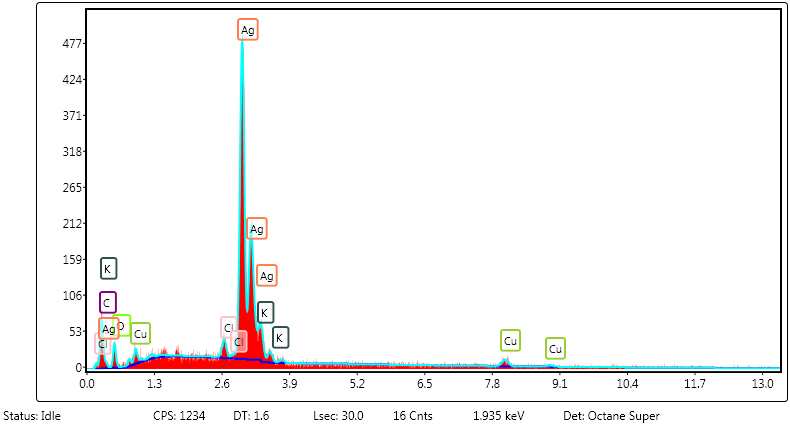 But the Philip II tetradrachm is...confusing me. It appears to be made of quite pure silver. But there was no detectable copper, lead, tin, etc. The only detectable metal contaminant was a small amount of iron. I've since read through a lot of literature, and have found conflicting sources that claim that 1) iron wasn't present in Greek silver or copper ores and that 2) iron was a common trace impurity in Greek coinage (?). But I haven't seen any record of such high-purity silver coins containing iron. High-purity Greek coins usually note copper or gold as the non-silver metals. 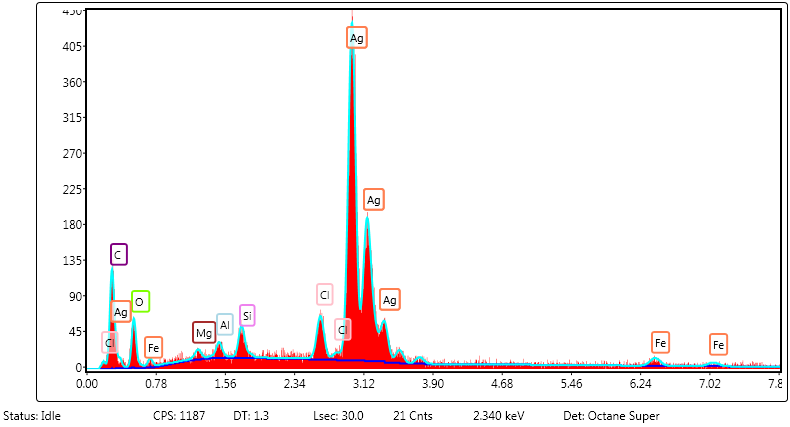 *"Al" is actually misidentified Br in this image, corroborated by a secondary peak at ~11.9 KeV. After a closer look through a microscope, I'm fairly certain that the Mg and Si are surface contaminants from the light tan *paint* that is on the surface of the coin. 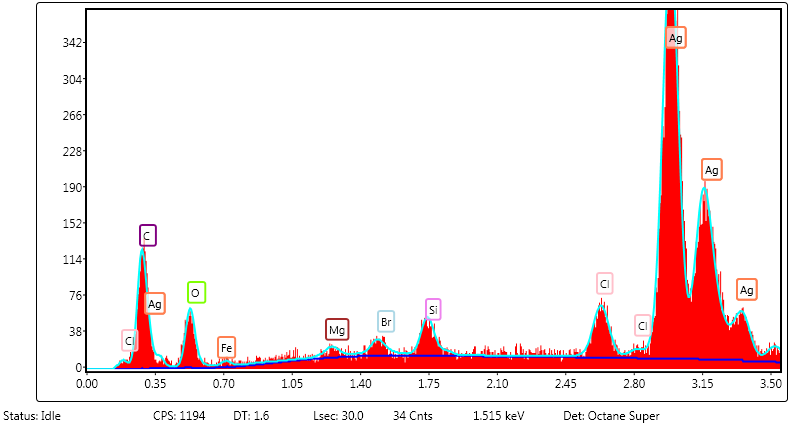 So...is it real? I have no idea based on the literature.  @oh my florin - Do you have a reason to say it's fake? Is the patina just off? |
| |
Replies: 12 / Views: 1,814 |
|





 Posted 03/01/2016 05:23 am